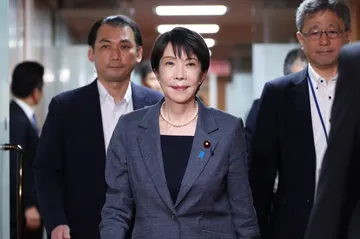
10月,高木喜种成为日本国会讲坛上首位站在总理位上的女性。如今,考验她兑现承诺的能力的时刻到了。
October, Sanae Takaichi became the first woman to stand at the lectern of Japan’s parliamentary hall as prime minister. Now, the test is whether she can deliver on her promises.
过去十二个月里,高木展现出精明的沟通手腕,提出了振兴日本经济、以创纪录预算提升国防态势的宏大愿景。她对战略性领域前所未有的国家支持计划,推动了股市创下历史新高,尽管她对如何为这一切买单的担忧,推高了30年和40年期国债收益率。
Over the past twelve months, Takaichi has proved to be an astute communicator who has laid out a bold vision for reviving Japan’s drifting economy and boosting its defense posture with a record budget. Her plans for unprecedented state support in strategic sectors helped send stocks to record highs, although concerns over how she’ll pay for it all spiked 30- and 40-year bond yields.
但进入执政第二年之际,高木在国内外对其领导力的认知之间存在根本性错位。她与唐纳德·特朗普等人物轻松融洽的关系,以及压倒性的大胜,让她在世界舞台上呈现出强势领导者的印象;然而,在她自己的政党内部,她却缺乏可靠的选民基础。
But as Takaichi enters her second year in power there is a fundamental mismatch between perceptions of her leadership at home and abroad. While her easy rapport with the likes of Donald Trump and sweeping landslide victory have given the impression of a strong leader on the world stage, within her own party she lacks a reliable constituency of support.
相反,高木的权力来源于她的公众人气以及赢得执政党自民党选举的能力——这种动态格局,意味着如果她无法满足公众期望,她将变得脆弱。
Instead, Takaichi’s power comes from her public popularity and ability to win the ruling Liberal Democratic Party elections — a dynamic that could make her vulnerable if she fails to satisfy public expectations.
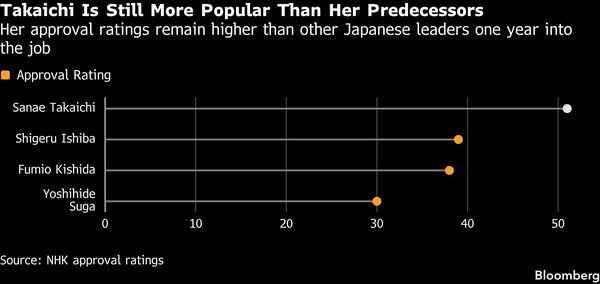
“自民党内存在相当大的不满情绪,所以如果政府的支持率大幅下滑,这将使她的地位变得不确定。”中央大学政治学教授中崎公一指出,并指向明年的党内领导选举。“这个循环正在运转——目前如此。他们维持着很高的支持率并赢得了选举。”高木能否成为持久的政治力量,还有待观察——这个国家在过去十年间已经更迭了五位领导人。与许多前任首相不同,她没有自民党内派系,不属于政治世家,与各部门合作的时间更少,这进一步凸显了她的孤立处境。
“There’s considerable dissatisfaction within the Liberal Democratic Party, so if the administration’s approval rating drops significantly, that will make her standing uncertain,” said Koji Nakakita, professor of political science at Chuo University, who pointed to the party’s internal leadership race next year. “The cycle is working — for now. They’re maintaining high approval ratings and winning elections.”Whether Takaichi can be a lasting force remains to be seen in a country that has cycled through five leaders in the past decade. Unlike many previous premiers, she lacks a faction in the LDP, doesn’t hail from a political dynasty and spends less time working with ministries, accentuating her isolation.
高市早苗上周尝到了困扰其前任的那种麻烦,她的首位内阁大臣因贿选丑闻辞职。今年早些时候,为推行作为关键竞选承诺的减消费税而进行的旷日持久斗争,也暴露了她权力的局限——尽管她赢得了二战以来众议院最大的单一政党多数席位。
Takaichi last week got a taste of the type of troubles that plagued her predecessors when her first cabinet minister resigned in a vote-buying scandal. A protracted fight earlier this year to push through a sales tax cut that was a key election promise also exposed the limits to her power — despite having won the biggest single-party majority in the powerful lower house since World War II.
在未来几个月里,高市早苗需要推动143万亿日元(约合8940亿美元)的预算案通过国会,抑制消费品价格上涨,并充实其标志性的14年、370万亿日元投资蓝图。为此,她需要争取跨行业企业巨头的支持——从芯片到航空航天——鼓励它们配合政府投资。
In the months ahead, Takaichi is going to need to drive a ¥143 trillion ($894 billion) budget past lawmakers, keep consumer prices down and flesh out her signature 14-year, ¥370 trillion investment blueprint. For the latter, she’ll need to corral support from corporate titans across industries — from chips to aerospace — encouraging them to match government investments.
高市早苗还需要处理与中国紧张的关系,中国正在收紧对其邻国的出口管制。《金融时报》援引消息人士报道,日本官员最近警告美国,随着北京扼制用于芯片制造的稀土钇的供应,日本距离耗尽钇储备仅剩几个月时间。
Takaichi will also need to manage strained ties with China, which is tightening export controls on its neighbor. Japanese officials recently warned the US their country is months away from running out of supplies of yttrium, as Beijing chokes supply of the rare earth used in chip manufacturing, the Financial Times reported, citing sources.
虽然日本领导人下个月将前往中国南方城市深圳出席亚太经合组织领导人非正式会议,但习近平主席迄今未显示出退让迹象,而高市早苗拒绝收回她的言论,即日本可能卷入中国对台湾的入侵——这个实现自治的芯片中心被共产党视为自己的领土。
While Japan’s leader will travel to the southern Chinese city of Shenzhen next month for the Asia-Pacific Economic Cooperation leaders’ summit, President Xi Jinping has so far shown no sign of backing off and Takaichi has refused to retract her comments suggesting Japan could become embroiled in a Chinese invasion of Taiwan — the self-ruled chip hub the Communist Party considers its own.
高市早苗上台时,日本仍在适应与通胀共存的新现实,此前经历了数十年无通胀时期——这一问题因日元持续疲软而加剧。
Takaichi came to power with Japan still adjusting to the new reality of living alongside inflation, after decades without it — a problem exacerbated by a persistently weak yen.
尽管日本的通货膨胀率仍低于美国和法国等许多国家,但公众的不满情绪却在不断加剧。据《朝日日报》周末进行的民意调查显示,59%的受访者对高市(Takaichi)应对通货膨胀的方式表示不满,这一结果与其他近期调查的结果一致。这种不满情绪使得高市承诺将于明年4月将食品销售税从8%降至1%以帮助家庭经济的举措变得更加紧迫。
While inflation in Japan remains lower than many global peers like the US and France, public frustrations are growing. An Asahi Daily poll over the weekend showed 59% of respondents aren’t happy with how Takaichi is handling inflation, in line with other recent surveys. That discontent has added urgency to Takaichi’s pledge to slash the sales tax on food from 8% to 1% next April to help households.
然而,这项政策的有效期仅为两年,这无疑埋下了一颗政治“定时炸弹”。虽然高市提出了在2029年发放现金补贴和提供与收入挂钩的税收抵免措施来缓解政策影响,但关于这两项措施的具体实施方式仍存在争议。
The two-year expiration date on that move, however, plants a political time bomb. While she has proposed a cash-handout and income-linked tax-credit for 2029 to blunt the impact, there isn’t consensus over how either will be implemented.
关于如何弥补因减税而导致的每年4万亿日元税收缺口的问题,相关细节也尚未明确——尽管相关法案已经提交给议会讨论。高市承诺不会通过发行特别国债来为减税措施提供资金,因为她同时也在努力实现降低日本债务与GDP比例的目标。
Details on how she’ll pay for a resulting ¥4 trillion shortfall in annual tax revenue from the cut have also yet to be defined, even though the bill has been submitted to parliament for debate. Takaichi has vowed she won’t rely on special deficit-covering bonds to fund the cut, as she also tries to keep to her pledge to reduce the country’s debt-to-GDP ratio.
食品销售税的调整尤为敏感,因为这笔税收长期以来一直被用于资助公共卫生、养老护理等公共服务。新闻数据公司JX Press Corp的首席执行官Yoneshige Katsuhiro指出,即使改用现金补贴来替代原有的税收政策,也可能引发争议;他表示,许多选民更希望避免承担如此高的税收负担。
The consumption levy is also sensitive because it has typically been used to fund public healthcare, nursing and pensions. Even the replacement cash-handout could be a point of controversy for Takaichi, said Katsuhiro Yoneshige, CEO of news data company JX Press Corp. Many voters would simply prefer to avoid being taxed so highly, he said.
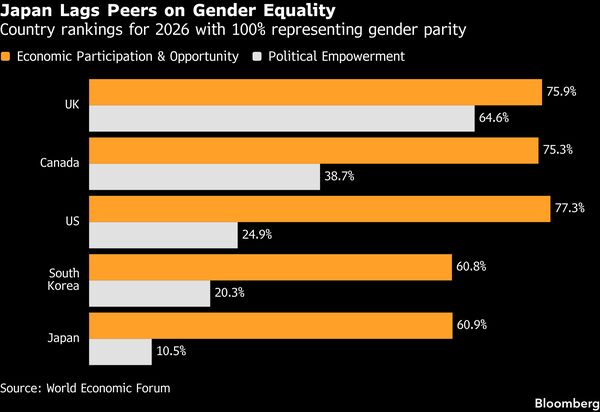
日本早稻田大学政治学教授Nakabayashi Mieko认为,在日本首位女性领导人的领导下,人们期待日本能在社会问题和产业政策方面实现根本性的变革。“高市虽然能够提出宏伟而大胆的改革计划,但人们对这些计划的细节是否经过深思熟虑仍存疑。”她补充道。
Outside Japan, there are expectations for Japan’s first female leader for fundamental change on social issues and industrial policy, said Mieko Nakabayashi, a professor of political science at Waseda University. “Takaichi can make grand, bold claims, but there are still doubts over whether the details have really been thought through,” she added.