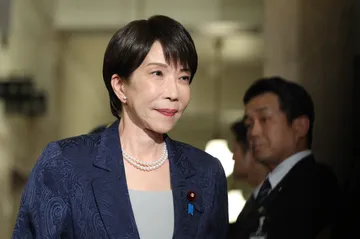
对于一位常被指责回避媒体的领导人来说,高市早苗有一件讽刺的事:她是头版头条的素材。
For a leader often accused of dodging the press, there’s one ironic thing about Sanae Takaichi: She’s front-page material.
自去年成为日本首位女首相以来,她以很少有她那些常守旧的前任能够做到的方式分裂了舆论。批评者和支持者甚至似乎无法就基本问题达成一致:她被贴上了激进派、再通胀主义者、新军国主义者、正在阻碍女性发展的女总理等标签。这些标签大多不准确,甚至荒谬。真正的高市早苗仍然难以捉摸。
Since becoming Japan’s first female prime minister a year ago, she has divided opinion in a way few of her often-staid predecessors have. Critics and backers can’t even seem to agree on the fundamentals: She has been labeled a radical, a reflationist, a neo-militarist, a female premier who is holding women back. Most of these labels range from inaccurate to nonsensical. The true Takaichi remains elusive.
但不可否认的是,她让日本首相的职位在多年里首次显得具有相关性。无论来自华盛顿到北京的关注度增加是否受欢迎,很少有人再忽视日本。
But what’s undeniable is that she has made the Japanese premiership feel relevant to a degree it hasn’t for years. Whether the increased attention, from Washington to Beijing, is welcome or not, few are ignoring Japan anymore.
她曾面临斩首威胁、滑坡式选举胜利、“高市交易”、与美国进行的历史性联合日元干预、债券市场中多次拒绝兑现的“利兹·特拉斯时刻”,以及关于她 befriending 一只蟑螂的虚构故事。自已故安倍晋三离职以来,日本很少有首相产生如此持久的影响。
She has seen threats to decapitate her, a landslide election victory, the “Takaichi Trade,” a historic joint yen intervention with the US, multiple “Liz Truss moments” in the bond markets that refuse to materialize, and fictional stories about her befriending a cockroach. In the years since the late Shinzo Abe left office , few of Japan’s prime ministers have had such an enduring impact.
但头条新闻并不等同于成就。她的导师安倍的意义在于,他将个人人气和政治持久力转化为持久的政策变革。明年九月,高市必须说服执政党议员,她值得再担任三年党首。她需要的不仅是媒体曝光才能做到这一点。
But headlines are not accomplishments. Her mentor Abe’s significance came from converting his personal popularity and political durability into long-lasting policy change. Next September, Takaichi must persuade ruling party lawmakers that she deserves another three-year term as party head. She needs more than media presence to do that.
首相值得肯定的是她的长远思考。她的增长战略提出了一个大胆的新工业政策愿景。她的预算制度改革将惠及任何继任者。数十年来最大规模的国家外情报体系重组以及对陈旧移民制度的改革已经落地,这些制度性变革将超越她本人。
The premier deserves credit for long-term thinking. Her growth strategy has set out a bold new industrial policy vision. Her budget system overhaul will benefit any successor. The biggest national foreign-intelligence reorganization in decades and a revamp of a creaky immigration system have already put in place institutional change that will outlive her.
预测称将出现需要大规模支出的宽松货币政策,但这些预测并未实现。日本的收益率首次与全球其他地区同步上升,这是在利率长期处于零或负值之后,货币政策正常化进程的一部分。实际工资已连续八个月上涨,而日本央行有望宣布潜在通胀终于达到了2%的目标——这一目标设定已近14年。高市可以对这两项成就几乎不予认可,但她也没有阻碍它们的进展,尽管曾有人担心她会干涉。
Predictions of an easy-money policy that would require massive spending have failed to materialize. Japan’s yields are, for once, rising in line with the rest of the world, part of a process of normalizing monetary policy after decades of rates at zero or lower. Real wages have risen for eight months in a row, while the Bank of Japan is poised to declare that underlying inflation has finally met its 2% target, almost 14 years after the goal was set. Takaichi can claim little credit for either, but neither has she got in the way despite concerns she would interfere.
让美国参与以稳定日元一直是一把双刃剑,财政部长斯科特·贝森特偶尔会从后座指挥,他的言论有时弊大于利。但日元的贬值趋势已被遏制,尽管尚未扭转(今年早些时候,关于汇率将达200日元的预测并不少见)。她也应对了地缘政治挑战:无论是北京因她对台湾的言论而发动的经济抵制,还是伊朗战争,目前尚未使国内复苏脱轨。
Getting the US on board to stabilize the yen has been something of a double-edged sword, with Treasury Secretary Scott Bessent an occasional backseat driver, whose comments can cause more harm than good. But the yen’s weakening trend has been halted, though not reversed (predictions of ¥200 were not uncommon earlier this year). She has navigated geopolitical waters, too: Neither Beijing’s economic boycott in the wake of her comments on Taiwan nor the war in Iran has so far derailed the domestic recovery.
她与安倍共有的一个特质是能够让对手抓狂,我将这种现象称为“高市失调综合征”。国内外媒体都对她的行事方式着迷——她开了多少会,参加了哪些晚宴,以及她在私下时间的活动——而非她实际完成了什么。部分原因是旧式的厌女情绪:在数十年呼吁需要一位与众不同的日本首相之后,她却因没有与老男人们在充满烟雾的后房会面而受到指责。
One quality she shares with Abe is the ability to drive her opponents crazy, something I have dubbed Takaichi Derangement Syndrome. Both the domestic and foreign media are obsessed with she goes about things — the number of meetings she has, the dinners she attends, and what she does in her own time — rather than she actually gets done. Part of this is old-fashioned misogyny; after decades of calls for a Japanese premier who does things differently, she is hounded for not having smoke-filled backroom meetings with old men.
但她也犯过错误。我已经指出了她说话时的鲁莽。她抱怨自己睡眠不足、家务以及化妆所需时间的言论令人厌烦,但基本无关紧要。更令人担忧的是她在日元和财政政策上的表达方式,尤其是她的政府终于试图更好地与海外投资者接触的时候。
But she has also made missteps. I’ve highlighted the recklessness with which she speaks. Her woe-is-me lines on how much sleep she gets, housework and time she needs to put on her makeup are grating, but largely inconsequential. Of greater concern is how she communicates on the yen and her fiscal policy, particularly as her administration finally seeks to engage better with overseas investors.
她的真正成就仍然有限。她在大多无关紧要的法案上浪费了政治资本;目前的国会会议将花费大量时间讨论即将实施的食品消费税削减,这是一个干扰项,对最贫困家庭的好处有限。上周农林水产大臣矢野和雄的辞职是她政府首次出现严重动摇,选民批评她决策缓慢。她的支持率已从二月份的巅峰下降,但此时她任期内的民意调查结果仅可与安倍和另一位长期执政领导人小泉纯一郎相比。目前还为时过早,可以说高市是否能加入这一行列。
Her real achievements are still limited. She has squandered political capital on largely unimportant bills; the current Diet session will spend much time debating the forthcoming cut in a sales tax for food, a distraction whose benefits for the poorest households are modest. Last week’s resignation of Agriculture Minister Kazuo Yana is the first serious wobble for her administration, with voters criticizing her slow decision-making. Her popularity has fallen from its sky-high peak in February, though polling at this stage of her premiership is comparable only to Abe and Junichiro Koizumi, another long-lasting leader. It’s far too early to say if Takaichi can join that pantheon.
我有一个担忧是,她的首相任期有时会让人想起安倍——他2006年上台后那段灾难性且短暂的执政时期,其特点是战略性立法失误、过度关注长期愿景,以及表面上正在正常化和改善的经济,但最终并未持续。
One concern I have is that her premiership sometimes resembles Abe’s — his disastrous and short-lived first period in power starting in 2006, characterized by strategic legislative mistakes, too much focus on a long-term vision, and an economy that was seemingly normalizing and improving, but ultimately wasn’t to last.
经过五年的沉寂,安倍获得了第二次机会,并且他善加利用了这次机会。高市大概不应抱有类似的期待。她必须让这一次发挥作用。首相已经展示了她能够吸引注意力的能力。现在她必须证明她能够推动成果。
After five years in the wilderness, Abe got a second chance, one he wielded adeptly. Takaichi probably shouldn’t hope for something similar. She has to make this time count. The prime minister has shown she can command attention. Now she must prove she can command outcomes.