印度尼西亚巴厘岛——印度尼西亚的网络安全公司表示,该国必须迅速增加人工智能(AI)专家的数量,以保护东南亚最大的经济体免受网络攻击和网络诈骗的侵害,并呼吁政府加大对人工智能行业的支持力度。
BALI, Indonesia -- Cybersecurity-related companies in Indonesia say the nation must rapidly expand the number of AI experts in its workforce to protect Southeast Asia's largest economy from cyberattacks and online scams, as well as urging the government to improve support for the artificial intelligence sector.
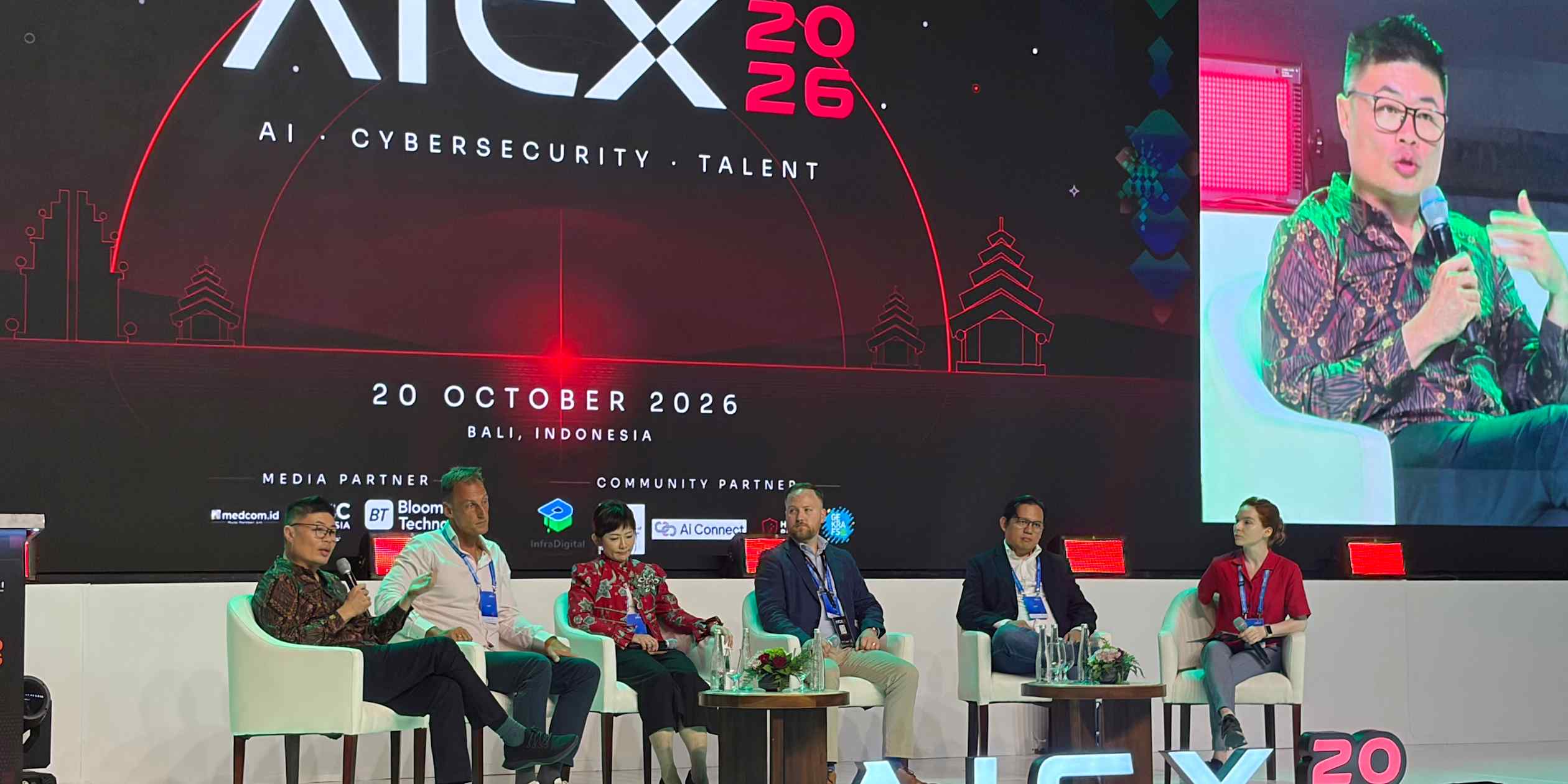
周二在印度尼西亚巴厘岛举行的网络安全行业会议上,与会者讨论了随着全球网络攻击和诈骗行为的加剧(其中许多攻击都依赖于人工智能技术),印度尼西亚所面临的挑战。
A cybersecurity industry conference on the Indonesian resort island of Bali on Tuesday highlighted challenges facing the country as cyberattacks and scams accelerate worldwide, many powered by AI.
事实上,印度尼西亚是特别容易受到网络安全风险影响的国家之一。即使在人工智能技术兴起之前,由于执法不力以及数据隐私保护措施薄弱,该国就已经频繁发生数据泄露事件。网络安全解决方案公司思科(Cisco)在2025年发布的一份报告中指出,印度尼西亚有90%的企业在应对现代网络攻击方面严重缺乏准备。
Indeed, Indonesia is one of the countries particularly vulnerable to cybersecurity risks. Even before the rise of AI, online data breaches and leaks were common in the nation of 290 million amid poor law enforcement and weak protection of data privacy. A 2025 report by networking and security solutions firm Cisco said that nine out of 10 Indonesian companies remained critically unprepared to handle modern cyberattacks.
“我们必须在国家层面培养出具备人工智能相关技能的人才——至少需要10万名这样的人来保护我们的国家,”组织此次会议的雅加达网络安全公司ITSEC Asia的总裁理查杜斯·因德拉吉特(Richardus Indrajit)说道。他并未透露印度尼西亚目前究竟拥有多少这类人才。
"We have to be able to come out with cyber AI talents at the national level -- at least we need 100,000 people to be able to protect our nation," said Richardus Indrajit, president commissioner of Jakarta-based cybersecurity firm ITSEC Asia, which organized the Bali event. He did not mention how many such talents Indonesia has now.
因德拉吉特指出,在2035年之前的人工智能应用“过渡期”,这些人才将发挥关键作用;届时网络攻击的频率和强度将大幅提升,攻击者可能会利用机器、僵尸网络或被编程用于寻找系统漏洞的机器人来进行攻击。
Indrajit said those staff would be key during a "transition period" of AI adoptions up to 2035 that would see "cyber conflict" moving to "machine speed," with attacks coming from "a machine, a botnet or a robot that is programmed to find" vulnerabilities.
他还建议印度尼西亚开发使用本地语言的人工智能模型,并建立一个中央化的“安全运营中心”网络,以帮助检测和应对日益自动化的网络攻击。
Indrajit said Indonesia must also develop sovereign AI models that utilize the local language, as well as a centralized "security operations center" network to help detect and respond to increasingly automated cyberattacks.
他希望,目前正在等待总统普拉博沃·苏比安托(Prabowo Subianto)批准的全国性人工智能发展路线图和伦理框架能够有效解决这些挑战。
He expressed hope that a national AI roadmap and ethics framework currently awaiting President Prabowo Subianto's approval could help address these needs.
总部位于爱沙尼亚的智库电子治理学院(e-Governance Academy)发布的2025年国家网络安全指数显示,印度尼西亚在网络安全治理方面的158个国家中排名第95位,这表明印尼缺乏国家网络战略以及用于应对迅速激增的网络攻击的指定主管部门。印尼落后于排名第27位的新加坡、排名第55位的马来西亚和排名第85位的菲律宾。
The 2025 National Cyber Security Index released by Estonia-based think tank e-Governance Academy ranks Indonesia 95th out of 158 countries in cybersecurity governance, suggesting a lack of a national cyber strategy and designated authorities to handle quickly proliferating online attacks. Indonesia trails Singapore, which ranked 27th, Malaysia at 55th and the Philippines at 85th.
近期的一波重大网络攻击浪潮打击了世界不同地区的企业,凸显了各国——甚至是那些被认为拥有更好防御能力的国家——所面临的挑战。
A wave of recent major cyberattacks has hit businesses in different parts of the world, underscoring the challenges facing countries -- even those perceived as having better defenses.
韩国大型银行和日本零售商均在遭袭之列,而法国几家主要连锁超市的冷冻柜和冰箱遭到破坏,导致了巨大的食品损失。
Big South Korean banks and Japanese retailers have been among those targeted, while freezers and fridges were sabotaged at several major French supermarket chains, resulting in huge food losses.
印尼人工智能基础设施平台IONext的首席商务官贾卡·维拉迪苏里亚(Jaka Wiradisuria)对印尼大城市与全国其他地区在网络安全和人工智能人才方面存在的巨大差距表示担忧。他补充说,大型城市中心以外的用户需要更好地接触网络安全服务提供商。
Jaka Wiradisuria, chief commercial officer at Indonesian AI infrastructure platform IONext, raised concerns over the wide gap between Indonesia's big cities and the rest of the country when it comes to cybersecurity and AI talent. He added that users outside big urban centers need better access to cybersecurity providers.
他表示,印尼并不缺乏有前途的网络安全人才,但这些人需要获得专业认证,并与该行业的就业机会对接。
He said Indonesia does not lack promising cybersecurity talent, but that these people need to be professionally certified and connected to employment opportunities in the industry.
维拉迪苏里亚说:“我们需要在印尼建立更多的网络安全公司,为这些人才提供劳动力岗位,能够养活他们,能够给他们体面的薪水。”他暗示,这些潜在人才如果不这样做,可能会从事网络犯罪活动。
"We need to build more cybersecurity companies in Indonesia to provide a workforce for these talents, to be able to feed them, to be able to give them a decent salary," Wiradisuria said, suggesting that these potential talents could otherwise engage in criminal online activity.
万事达卡亚太区首席信息安全官陈丹尼(Danny Chan)指出,随着人工智能在企业活动中日益普及,企业可能无法追踪员工正在使用的人工智能工具,从而导致数据泄露。他将这个问题称为“影子人工智能”。但他同时也提到,需要利用人工智能“打击最严重的犯罪之一:诈骗”,并列举了万事达卡最新的防欺诈措施,包括利用人工智能进行风险评分以拦截可疑交易。
Danny Chan, chief information security officer for Asia-Pacific at Mastercard, pointed out that as AI becomes more widespread in corporate activity, companies may fail to keep track of the AI tools their employees are using, leading to data leaks. He referred to this problem as "shadow AI." But he also mentioned the need to leverage artificial intelligence "to fight one of the biggest crimes around: scams," citing Mastercard's latest fraud prevention measures that include using AI in risk scoring to block suspicious transactions.
IONext公司的威拉迪苏里亚(Wiradisuria)表示,网络安全不应被视为额外成本,而应被视为企业需要进行的必要投资。
IONext's Wiradisuria said cybersecurity should not be seen as extra costs but as a necessary investment that businesses need to make.
专注于东南亚的人工智能咨询公司Ekipa的创始人兼首席执行官雨果·梅瑟(Hugo Messer)表示,商业领袖不仅需要投资于“配备”网络安全人才,“还要提升他们的技能”,这符合公司自身的“最大利益”。
Hugo Messer, founder and CEO at Southeast Asia-focused AI consultancy Ekipa, said business leaders need to invest "not only in equipping" cybersecurity talent, "but also skilling them up" for companies' own "best interest."