平壤声称其最新研发的高超音速导弹采用了人工智能技术,能够在低空进行机动飞行;与此同时,首尔也测试了自己自主研发的武器。外交谈判陷入僵局,国防竞争加剧,美国和日本的介入引发了人们对军事冲突可能升级的担忧。最近,在朝鲜半岛戒备森严的边境地区发生了一起地雷爆炸事件,随后双方又进行了越来越复杂的导弹试验,这标志着朝韩军事竞争进入了一个新的阶段。
Pyongyang claims its latest hypersonic missile uses artificial intelligence to maneuver at low altitude, while Seoul tests its own domestically developed weapons Stalled diplomacy, growing defense competition and the involvement of the US and Japan raise concerns over miscalculation and military escalation A recent landmine explosion along the Korean Peninsula's heavily fortified border has been followed by increasingly sophisticated missile tests, exposing a new phase of military competition between North and South Korea.
9月底,三名韩国士兵在非军事区(DMZ)内发生的爆炸中受伤。首尔指责朝鲜应为此次事件负责,但朝鲜予以否认。
Three South Korean soldiers were wounded in late September in an explosion inside the Demilitarized Zone (DMZ). Seoul blamed North Korea, which denied responsibility.
不到两周后,平壤又试射了一枚中程导弹,并声称该导弹能够利用人工智能技术在低空进行机动飞行。10月初,韩国随即测试了自己研发的高超音速滑翔飞行器;上周,朝鲜又发射了多枚弹道导弹。
Less than a fortnight later, Pyongyang tested an intermediate-range missile it claimed could maneuver at low altitude using artificial intelligence (AI). South Korea followed with a test of its domestically developed hypersonic glide vehicle in early October, before the North launched multiple ballistic missiles last week.
这些发展表明,军事对抗的形式正在从传统的对抗方式转变为围绕导弹速度、机动性、人工智能辅助制导系统以及先进防御系统的竞争。同时,这也引发了人们对于现有威慑机制是否足以防止冲突升级的疑问——因为两国都在研发能够突破对方导弹防御系统的武器。为什么当前的紧张局势会不断升级呢?
The developments reflect a broader shift from conventional military confrontation toward competition over missile speed, maneuverability, AI-assisted guidance and advanced defense systems. They also raise questions about whether existing deterrence arrangements can prevent escalation as both countries develop weapons designed to overcome missile defenses. Why are tensions rising now?
直接的冲突始于9月21日,当时韩国军队在军事分界线附近执行任务时遭遇了一次地雷爆炸。韩国联合参谋本部指责朝鲜在分界线以南埋设了反人员地雷,并要求朝鲜道歉。据韩联社报道,联合国军司令部参与的联合调查确认,在韩国一侧确实发现了朝鲜埋设的地雷,这违反了1953年的停战协议。
The immediate confrontation began with the Sept. 21 landmine explosion during a South Korean military operation near the Military Demarcation Line. South Korea's Joint Chiefs of Staff accused Pyongyang of planting antipersonnel mines south of the dividing line and demanded an apology. A joint investigation involving the United Nations Command identified an active North Korean mine on the southern side, constituting a violation of the 1953 armistice, according to Yonhap News Agency.
朝鲜否认了这些指控,领导人金正恩的妹妹金与正指责首尔伪造证据,并警告不要采取报复措施。这场对抗发生在多年关系恶化的背景下。
North Korea rejected the allegations, with Kim Yo Jong, sister of leader Kim Jong Un, accusing Seoul of fabricating evidence and warning against retaliatory measures. The confrontation comes amid years of deteriorating relations.
自2024年以来,平壤加强了边境防御,设置障碍物并埋设地雷。外交接触基本处于冻结状态,而朝鲜越来越多地将韩国描述为敌对国家。
Pyongyang has reinforced its border defenses since 2024, installing barriers and laying mines. Diplomatic engagement has remained largely frozen, while North Korea has increasingly characterized the South as a hostile state.
韩国总统李在明曾寻求重启沟通,但其政府的外交示好遭遇了平壤的抵制。
South Korean President Lee Jae Myung has sought to reopen communication, but his government's diplomatic overtures have encountered resistance from Pyongyang.
最新的边境对抗使这些努力更加复杂,增加了首尔在不放弃其声称的对话偏好的前提下展示军事准备状态的压力。高超音速技术如何改变军事平衡?
The latest border confrontation has complicated those efforts, increasing pressure on Seoul to demonstrate military readiness without abandoning its stated preference for dialogue. How is hypersonic technology changing the military balance?
最新的竞争集中在能够以至少五倍音速飞行、并沿难以预测的飞行路径机动的武器上。
The latest competition centers on weapons capable of traveling at least five times the speed of sound while maneuvering along less predictable flight paths.
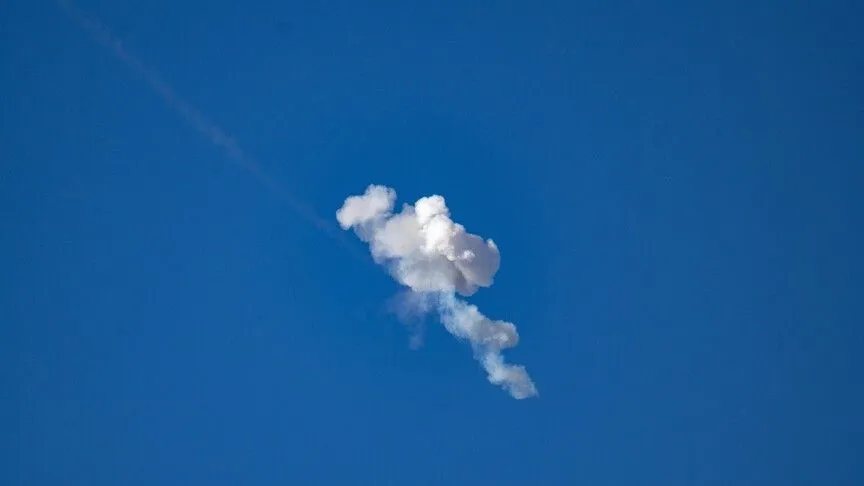
与通常遵循更可预测弹道的常规弹道导弹不同,高超音速滑翔飞行器可在飞行中改变方向,使探测和拦截更加复杂。10月3日,朝鲜从元山地区向东海发射了一枚中程战略导弹。
Unlike conventional ballistic missiles, which generally follow more predictable trajectories, hypersonic glide vehicles can change direction during flight, complicating detection and interception. On Oct. 3, North Korea launched an intermediate-range strategic missile from the Wonsan area toward the East Sea.
据朝鲜官方朝中社(KCNA)报道,金与正声称该导弹能在低空改变轨迹,并融入了人工智能技术。
Kim Yo Jong claimed the missile could alter its trajectory at low altitude and incorporated AI technology, according to North Korea's state-run Korean Central News Agency (KCNA).
平壤称该导弹飞行了1000公里(621英里),而韩国估计超过700公里,日本估计约680公里。
Pyongyang claimed the missile traveled 1,000 kilometers (621 miles), while South Korea estimated more than 700 kilometers and Japan approximately 680 kilometers.
这些差异凸显了围绕该武器性能的不确定性。朝鲜关于人工智能辅助机动的说法未经独立核实。
The discrepancies highlighted uncertainties surrounding the weapon's performance. North Korea's claims about AI-assisted maneuvering have not been independently verified.
五天后,韩国总统李在明亲自观摩了韩国首次国产高超音速滑翔飞行器试验。
Five days later, South Korean President Lee personally observed the country's first test of a domestically developed hypersonic glide vehicle.
首尔总统府表示,该武器成功与助推器分离,以高超音速机动并遵循预定轨迹。此次试验考察了耐热材料、制导系统和低空机动能力。
Seoul's presidential office said the weapon successfully separated from its booster, maneuvered at hypersonic speeds and followed its planned trajectory. The test examined heat-resistant materials, guidance systems and low-altitude maneuverability.
据韩联社报道,李某将这一发展描述为增强韩国自主国防能力的里程碑。
Lee described the development as a milestone in strengthening South Korea's independent defense capabilities, according to Yonhap.
首尔还在人工智能、先进推进系统和高功率激光方面投入资金,作为其更广泛的军事现代化计划的一部分。
Seoul is also investing in AI, advanced propulsion systems and high-powered lasers as part of its wider military modernization program.
据韩国军方称,10月12日朝鲜发射多枚弹道导弹,其中一枚飞行超过900公里,技术竞赛由此加剧。平壤随后将这些发射描述为旨在改进其战术导弹系统组件的试验。
The technological race intensified on Oct.12 when North Korea launched multiple ballistic missiles, including one that traveled more than 900 kilometers, according to South Korea's military. Pyongyang subsequently described the launches as tests intended to improve components of its tactical missile systems.
然而,成功的飞行试验并不一定表明任一国家的高超音速武器已完全具备作战能力,或能持续突破现代导弹防御系统。美国和日本扮演什么角色?
However, successful flight tests do not necessarily demonstrate that either country's hypersonic weapons are fully operational or capable of consistently defeating modern missile defenses. What roles do the US and Japan play?
军事竞争超越了两韩范围,因为韩国的安全仍与美国和日本紧密相连。华盛顿在韩国保持军事存在,并提供延伸威慑,包括其核能力。
The military competition extends beyond the two Koreas because South Korea's security remains closely linked to the United States and Japan. Washington maintains a military presence in South Korea and provides extended deterrence, including its nuclear capabilities.
与此同时,首尔希望对其军事行动拥有更大控制权,并正在推动将战时作战指挥权从美主导的指挥体系中移交。
Seoul, meanwhile, wants greater control over its military operations and is pursuing the transfer of wartime operational control from the US-led command structure.
发展国产高超音速武器将增强其常规打击能力,同时减少对外国军事技术的依赖。
Developing indigenous hypersonic weapons would strengthen its conventional strike capabilities while reducing dependence on foreign military technology.
日本面临自身的安全担忧,因为朝鲜导弹可抵达日本领土并威胁驻日美军基地。
Japan faces its own security concerns because North Korean missiles can reach Japanese territory and threaten US military installations there.
韩联社报道,在上周一发射后,韩美日三国高级外交官举行磋商,交换评估并协调应对。三国维持着共享朝鲜导弹发射信息的机制。
Following last Monday's launches, senior diplomats from South Korea, the US and Japan held consultations to exchange assessments and coordinate responses, Yonhap reported. The three countries maintain mechanisms for sharing information about North Korean missile launches.
对平壤而言,这些安全安排强化了其主张,即必须拥有先进武器来威慑潜在攻击。
For Pyongyang, these security arrangements reinforce its argument that advanced weapons are necessary to deter potential attacks.
对首尔及其伙伴而言,朝鲜不断扩大的导弹能力为加强防御和更紧密的军事协调提供了理由。这形成了一个循环:一方的武器发展促使另一方采取反制措施。
For Seoul and its partners, North Korea's expanding missile capabilities justify stronger defenses and closer military coordination. This creates a cycle in which weapons development by one side encourages countermeasures by the other.
朝鲜战争于1953年以停战协定而非和平条约结束,使朝鲜半岛在技术上仍处于战争状态。
The Korean War ended with an armistice in 1953, not a peace treaty, leaving the peninsula technically at war.
随着外交渠道基本停滞,且机动性日益增强的导弹进入两国武库,危险不仅在于蓄意对抗,也在于误判。
With diplomatic channels largely stalled and increasingly maneuverable missiles entering both countries' arsenals, the danger lies not only in deliberate confrontation but also in miscalculation.
边境事件或导弹发射可能在任一方完全理解对方意图之前就引发军事回应。
A border incident or missile launch could trigger military responses before either side fully understands the other's intentions.