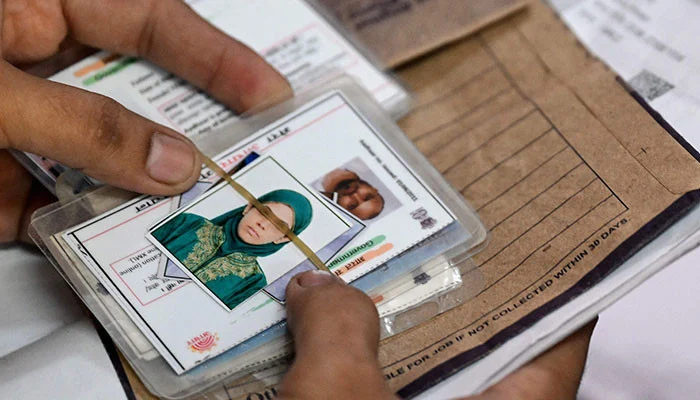
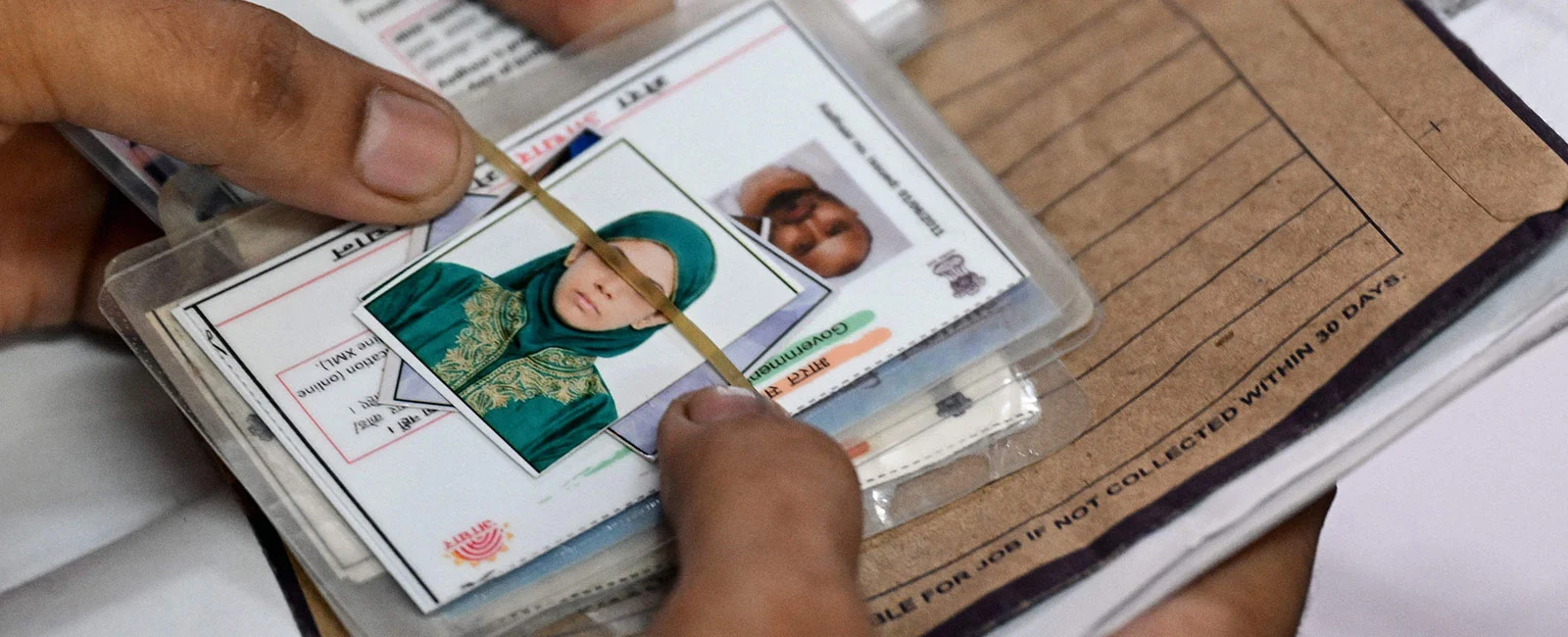
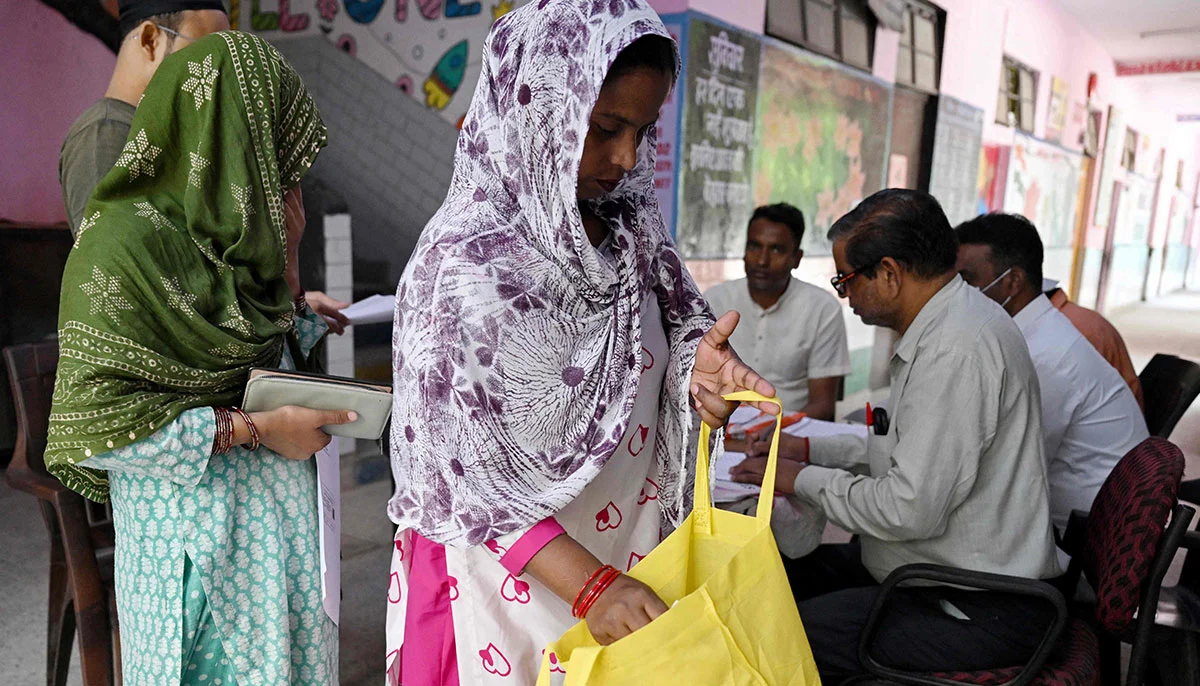
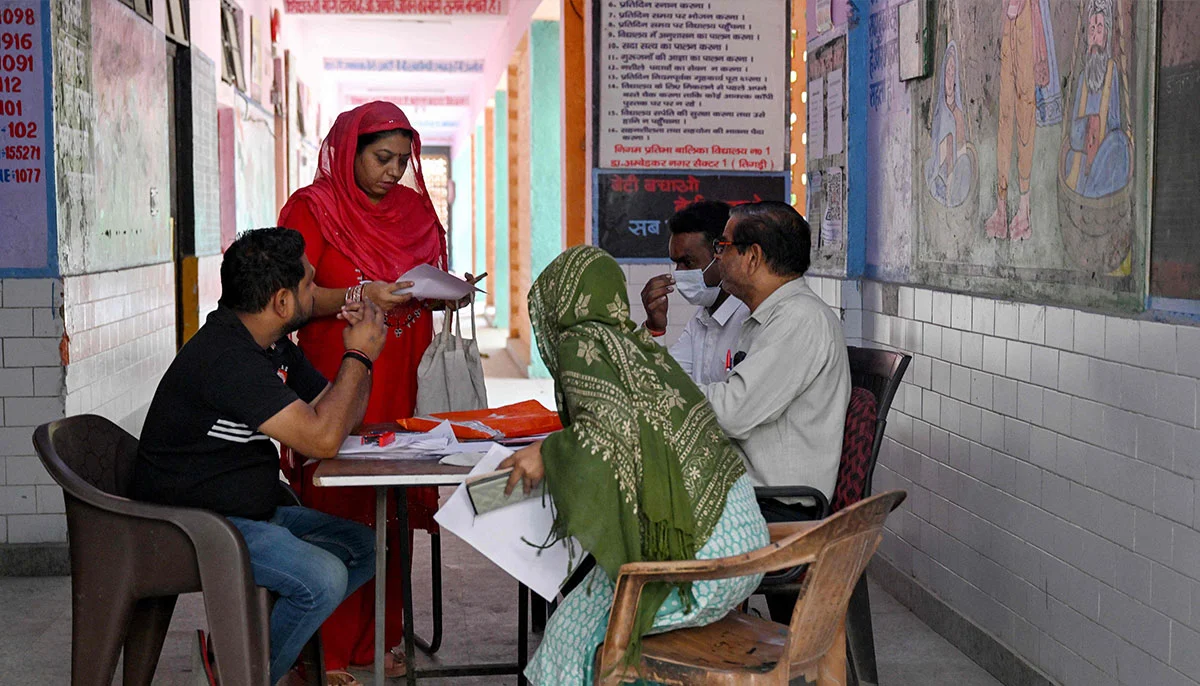
穆斯林在印度部分地区被标记需接受额外核查的选民中占比不成比例 更新于 2026 年 10 月 21 日 星期三拉德利·哈通从一个黄色袋子里一份接一份地抽出文件,绝望地希望其中一份能足以让她的名字保留在印度的选民名册上。
Muslims account for disproportionate share of voters flagged for additional checks in parts of India Updated Wednesday Oct 21 2026 Laddli Khatun pulled one document after another from a yellow bag, desperately hoping one would be enough to keep her name on India's electoral rolls.
随着世界上最大的民主国家对其选民名册进行大修,数百万像哈通这样的人正争相重新确立自己的资格,尽管他们以前投过票。
As the world's largest democracy overhauls its voter lists, millions like Khatun are scrambling to re-establish their credentials, despite having voted before.
批评人士和反对党表示,这项工作有导致大规模剥夺选举权的风险,而被除名者担心会面临更广泛的公民身份后果。
Critics and opposition parties say the exercise risks mass disenfranchisement, and those removed fear wider citizenship repercussions.
据印度媒体报道的数字,并在反对党提交的法庭文件中被引用,已有超过 1.33 亿个名字——包括 2800 万个被列为死亡者的名字——从名册中被删除。
More than 133 million names — including 28 million listed as dead — have been cut from rolls, according to figures reported by Indian media and cited by opposition parties in court filings.
抗议活动在新德里爆发,示威者要求首席选举专员辞职,指控这项大修旨在使总理纳伦德拉·莫迪领导的印度人民党(BJP)受益。
Protests have rocked New Delhi, with demonstrators demanding the chief election commissioner's resignation, alleging the overhaul is designed to benefit Prime Minister Narendra Modi's Bharatiya Janata Party (BJP).
印度选举委员会(ECI)作为一个宪法机构,否认有任何不当行为,并表示此次修订符合法律。“举证责任”特别深度修订(SIR)要求选民将自己——直接或通过其父母或祖父母——与 2002-03 年的选民名册联系起来,那是上一次进行如此严格审查的时候。
The Election Commission of India (ECI), a constitutional body, denies wrongdoing and says the revision complies with the law. 'Burden of proof' The Special Intensive Revision (SIR) requires voters to link themselves — directly or through their parents or grandparents — to electoral rolls from 2002-03, the last time such a rigorous review took place.
现年 39 岁的哈通当时尚未达到投票年龄。因此,她现在必须证明她的父母或祖父母中至少有一人曾出现在那些名册上。
Khatun, 39, was not of voting age at the time. So she must now prove that at least one of her parents or grandparents featured on those rolls.
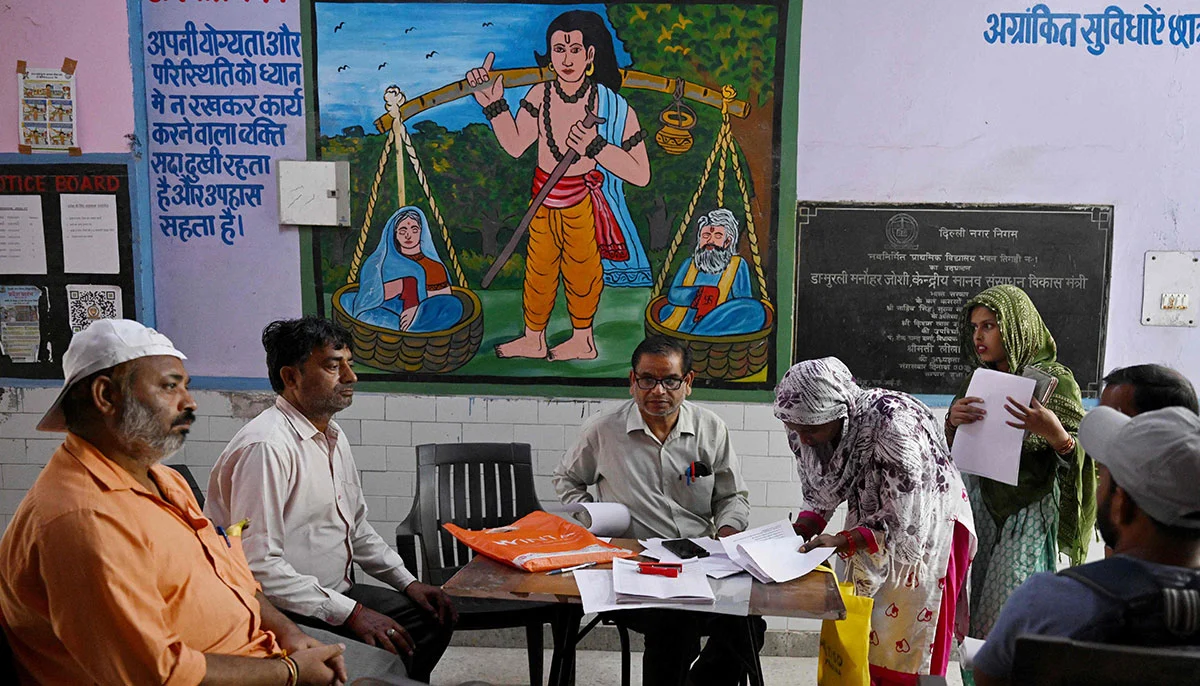
“我还是婴儿时父母就去世了,”住在德里贫民窟的哈通在一次审查选民资格的听证会上告诉法新社记者。
"My parents died when I was a baby," Khatun, who lives in a Delhi slum, told AFP at a hearing reviewing voter credentials.
“他们是贫穷的文盲,没有留下任何文件。” 许多人面临着哈通同样的困境。
"They were poor unlettered people who left no documents behind." Many face Khatun's predicament.
“妇女、少数群体、生活在边缘的人和最贫穷的人受到这项工作的冲击最大,因为他们很难拿出能证明其公民身份的文件,”透明度活动家安贾莉·巴尔德瓦杰说。
"Women, minorities, people living at the margins and the poorest are the worst hit by this exercise, because they find it very difficult to produce documents which can prove their citizenship," said transparency activist Anjali Bhardwaj.
选举委员会此前曾试图通过挨家挨户走访来登记合格选民,其口号是:“不让任何选民被落下”。批评者说,这种做法把“举证责任”转移给了选民。
The Election Commission previously sought to enrol eligible voters through door-to-door visits, guided by its motto: "No voter to be left behind". Critics say the exercise shifts the "burden of proof" onto voters.
“所遵循的方法是实地挨家挨户核实,”前选举专员阿肖克·拉瓦萨对法新社说。
"The methodology followed has been of physical door-to-door verification," former election commissioner Ashok Lavasa told AFP.
“从来不是你要求人们全体重新证明自己的资格……在他们已经通过规定的正当程序被纳入选民名册之后。”“无法追踪”苏拉杰穆希在一次驱逐行动拆毁了她居住了30年的贫民窟后无家可归,她被从德里选民草册中移除,并被标记为“无法追踪”。
"It was never that you asked people wholesale to establish their eligibility all over again... after they have been admitted to the rolls through the prescribed due process." 'Untraceable' Surajmukhi, made homeless when an eviction drive demolished the slum where she had lived for 30 years, was removed from Delhi's draft rolls and marked "untraceable".
“我没有任何文件能把自己与2002年的选民名册联系起来,因为当时我还没有登记为选民,而我的父母早已去世,”她站在自家房屋的废墟中说。
"I have no document to link myself to the 2002 voter rolls, because at the time I was not enrolled as a voter, and my parents are long dead," she said, standing in the rubble of her home.
“但自那以后我已多次投票——是官员们自己来到我们家,把我们登记为选民。到底突然发生了什么变化?”当地官员承认,这种做法给较贫困的选民带来了困难。
"But I have voted multiple times since — the officials themselves came to our home and enrolled us as voters. What has suddenly changed?" Officials on the ground acknowledge the difficulties the exercise poses for poorer voters.
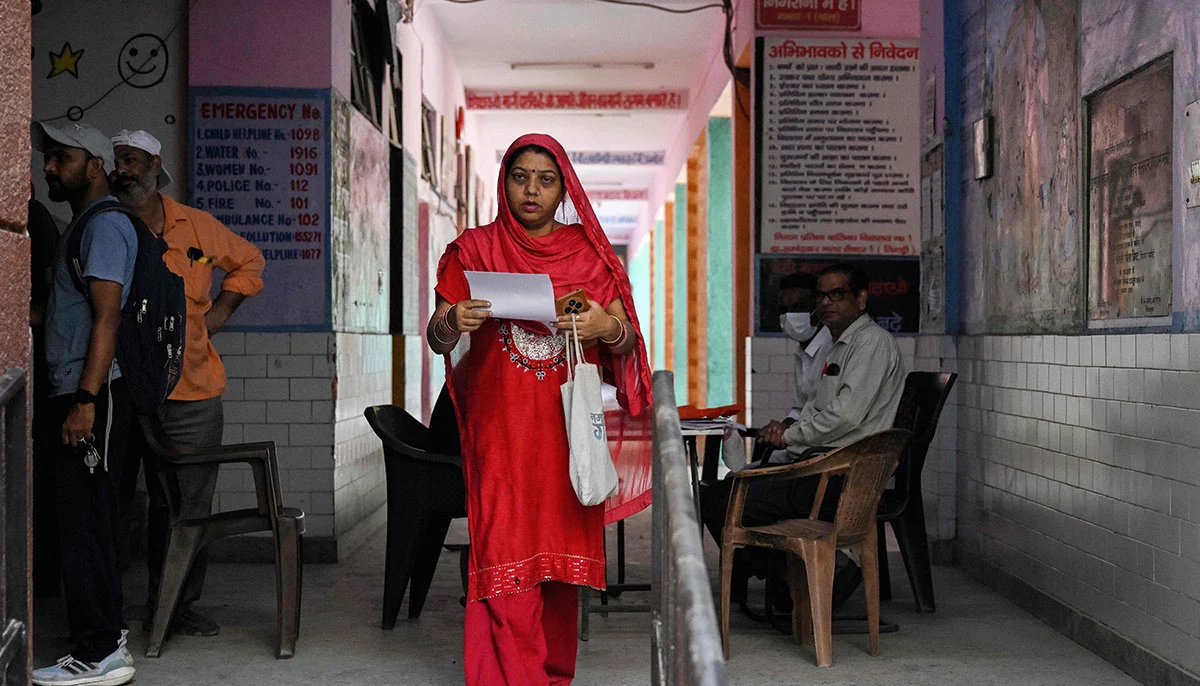
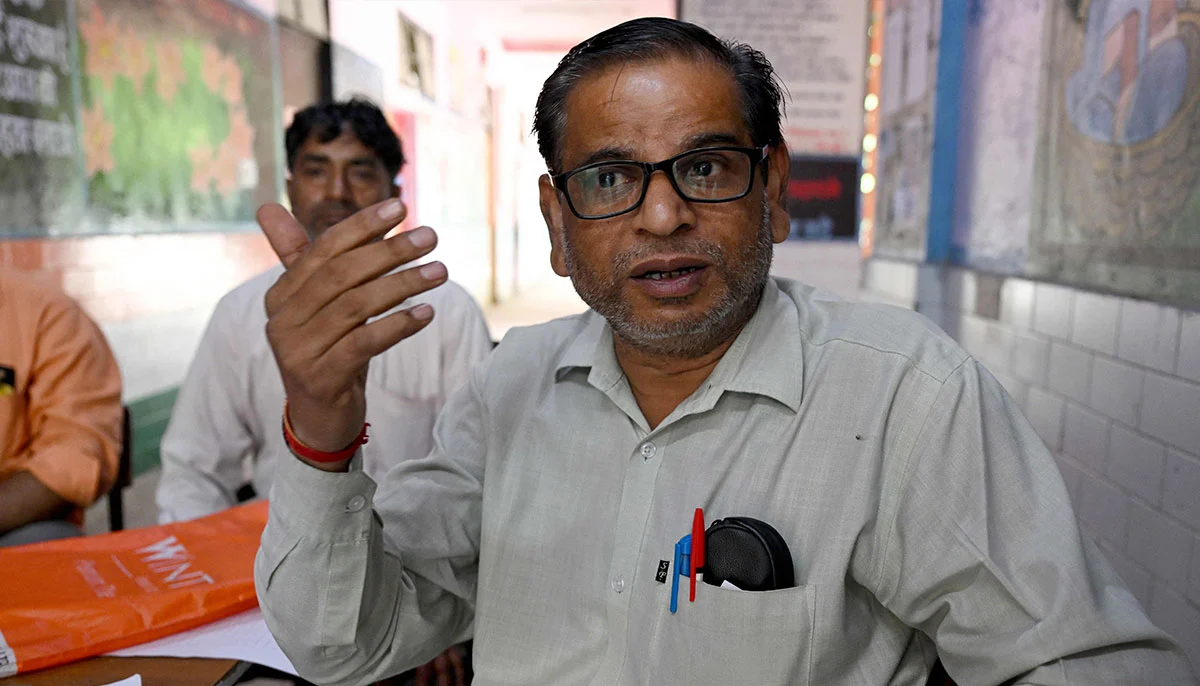
“把自己对应到2002年的选民名单上,对那些没有受过教育、不熟悉技术的人来说并不容易,”穆克什·卡纳说。他是德里郊区一名投票站级别官员,该地区居住着大量工薪阶层外来人口。
"Mapping yourself to the 2002 voter lists is not easy for those who are not educated and technologically savvy," said Mukesh Khanna, a booth-level officer in a Delhi suburb with a large population of working-class migrants.
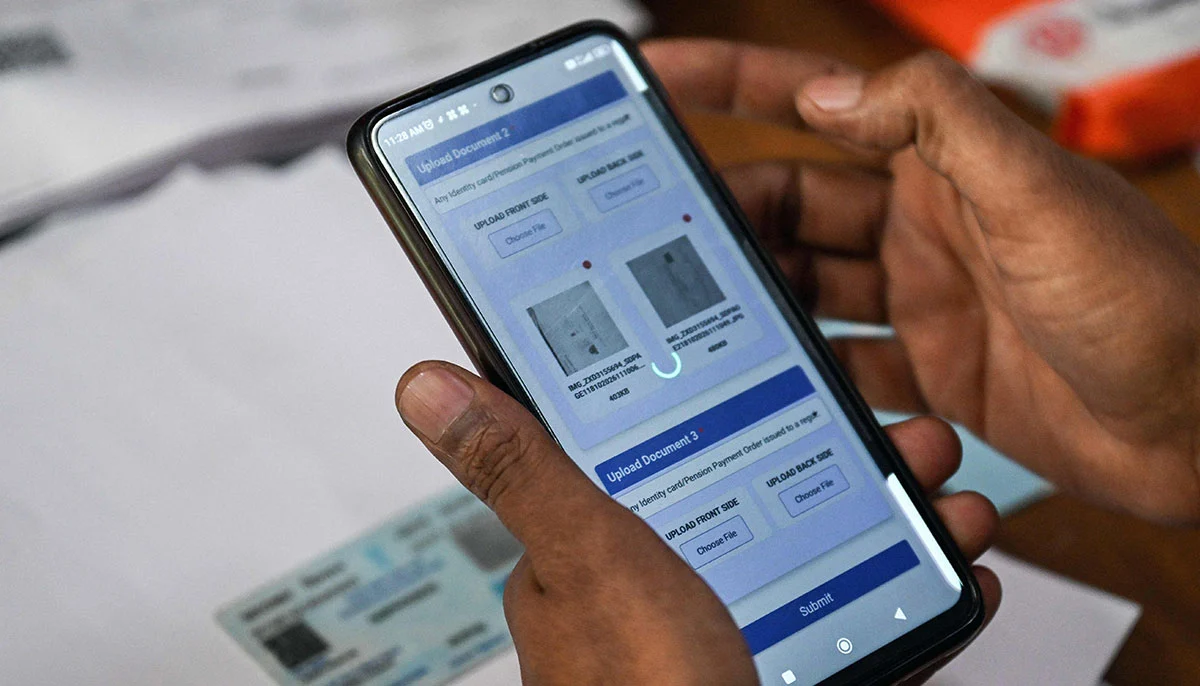
已设立特别营地来帮助选民,但许多人仍然难以顺利完成这一流程。“可疑”还有数百万人被标记出来接受额外审查,此前选举委员会使用自动化系统识别出其所谓的“逻辑不一致”,包括姓名不匹配和家庭信息不一致。独立分析表明,穆斯林受到的影响不成比例。
Special camps have been set up to help voters, but many still struggle to navigate the process. 'Suspicious' Millions have also been flagged for additional checks after the Election Commission used automated systems to identify what it calls "logical discrepancies", including mismatched names and inconsistent family details. Independent analyses suggest Muslims have been disproportionately affected.
在德里,《印度教徒报》的一项分析发现,被标记的选民中穆斯林约占20%,而穆斯林占全体选民的比例为13.6%。
In Delhi, an analysis by The Hindu newspaper found Muslims accounted for around 20% of voters flagged, compared with 13.6% of the electorate.
总部设在加尔各答的政策智库萨巴尔研究所(Sabar Institute)指出,在西孟加拉邦,这种差距甚至更加悬殊。
The disparity was even starker in West Bengal, according to the Kolkata-based policy think tank Sabar Institute.
42岁的清洁工沙希达(Shahida)收到了一份通知,因为她母亲比她只大15岁——软件将这一年龄差标记为“可疑”。
Street cleaner Shahida, 42, received a notice because her mother was only 15 years older than her — an age gap the software flagged as "suspicious".
“指望我做什么——穿越回去问我已故的祖父母,为什么让我已故的母亲那么早结婚?”她说。
"What am I expected to do — go back in time and ask my dead grandparents why they got my dead mother married so young?" she said.
“现实是,当时穷人家里童婚很普遍。”24岁的国家级橄榄球运动员兼演员阿斯拉姆(Aslam,单名)表示,根据法新社看到的一份通知,他的选民登记被标记为“可疑”,因为有另外六人与他已故的父亲存在关联。
"The reality is child marriages were common among the poor at the time." National rugby player and actor Aslam, 24, who uses one name, said his voter registration was flagged as "suspicious" because six other people were linked to his deceased father, according to a notice seen by AFP.
“这显然是针对不投票给印度人民党(BJP)的选民,”身为穆斯林、有六个兄弟姐妹的阿斯拉姆说。
"It is clearly targeted against voters who don't vote for the BJP," said Aslam, a Muslim with six siblings.
“这简直让人感觉,其意图是制造一类二等公民。”莫迪领导的印度教民族主义政党印度人民党大力支持这次修订,长期指控来自邻国孟加拉国的无证移民——尤其是穆斯林——通过欺诈手段进入了选民名册。最高法院曾表示,从选民名册中被除名并不能证明某人是外国人。
"It almost feels like the idea is to create a category of second-class citizens." Modi's Hindu-nationalist BJP, which strongly backs the revision, has long alleged that undocumented migrants from neighbouring Bangladesh — particularly Muslims — have fraudulently entered electoral rolls. The Supreme Court has said exclusion from electoral rolls does not establish that someone is a foreign national.
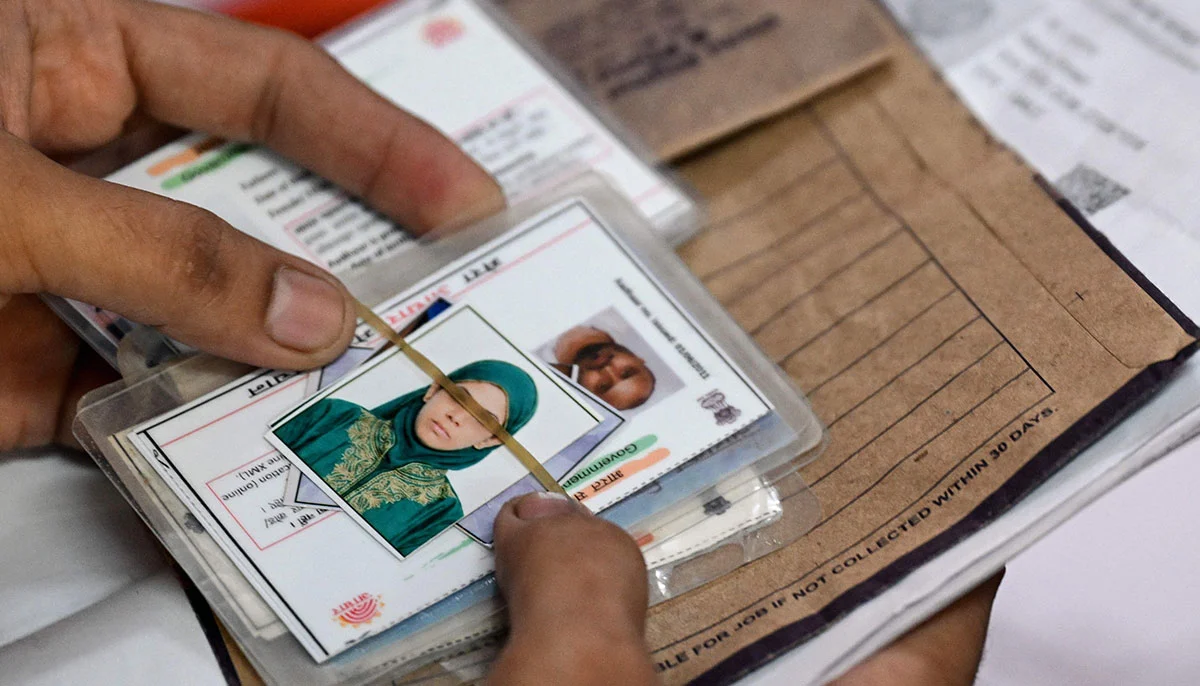
然而,印度媒体报道了西孟加拉邦的一些案例:被从选民名册中除名的人被指控为来自孟加拉国的无证移民,遭到拘留,在某些情况下被推回边境另一侧。
However, Indian media have reported cases in West Bengal in which people excluded from voter rolls were accused of being undocumented migrants from Bangladesh, detained and, in some instances, pushed across the border.
对于哈通(Khatun)来说,这种后果的可能性笼罩在她本已艰难的磨难之上。
For Khatun, the prospect of such an outcome hangs over an already gruelling ordeal.
“我提交了一份又一份文件,我所有的文件都交了,”她说。“但万一他们还是要求我们离开这个国家呢?”
"I have provided document after document, everything that I have," she said. "But what if they still ask us to leave the country?"