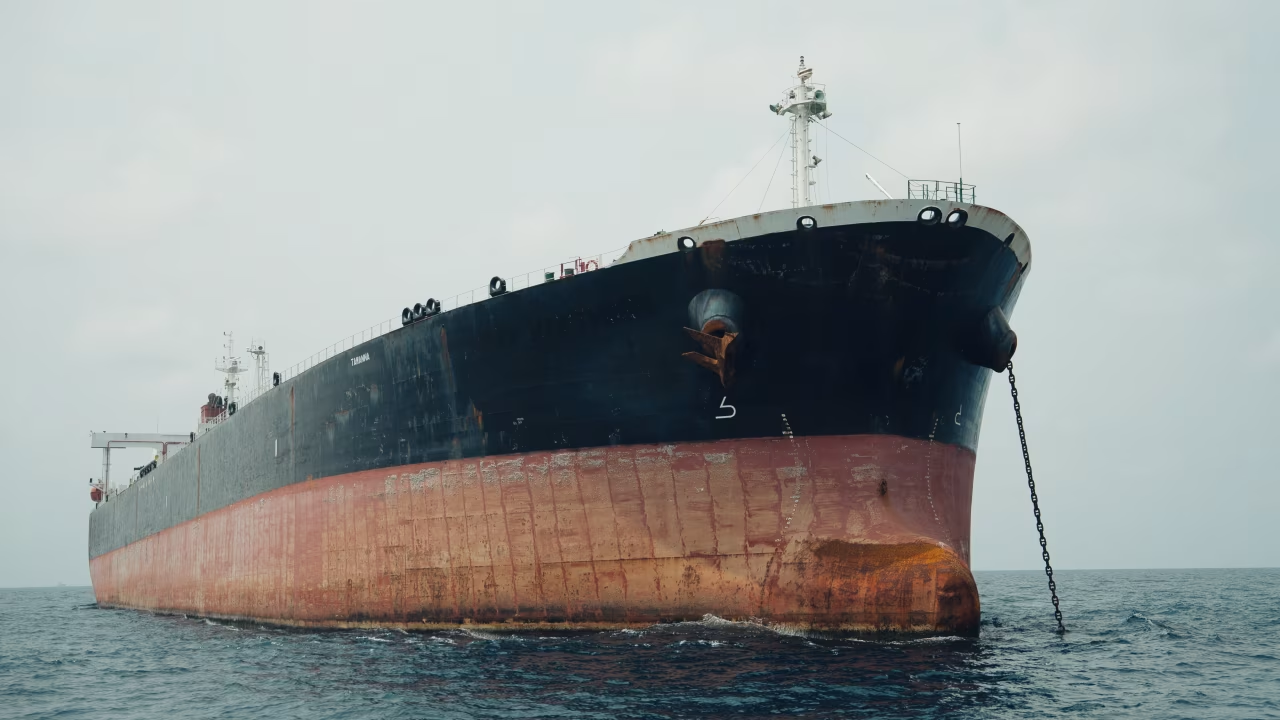
在战争的大部分时间里,伊朗拥有一个无价的缓冲:数十艘油轮装载着数百万桶原油,安全地停泊在亚洲水域。德黑兰稳步向中国出售石油,带来了数十亿美元急需的现金。
For most of the war, Iran had an invaluable cushion: dozens of oil tankers holding millions of barrels of crude sitting safely in waters in Asia. Tehran steadily sold the oil to China, bringing in billions of much-needed cash.
现在,这种浮动储存已不复存在。据开普勒(Kpler)的分析师称,到10月中旬,储备已完全耗尽,因为美国海军封锁阻止伊朗补充其通常出售给中国炼油厂的原油。
Now, that floating storage is gone. By mid-October, the reserves were fully depleted, according to analysts at Kpler, as a U.S. naval blockade prevented Iran from replacing the crude it normally sells to Chinese refineries.
“已没有更多石油可卸货给中国了,”开普勒原油分析主管霍马云·法拉克沙希(Homayoun Falakshahi)表示。
“There’s no more oil to discharge to China anymore,” said Homayoun Falakshahi, head of crude-oil analysis at Kpler.
石油收入的下降对伊朗举步维艰的经济是又一打击,该国经济已面临失控的通货膨胀和广泛的短缺。负责中东事务的美国中央司令部周六表示,封锁已使德黑兰损失至少250亿美元的石油收入,这反过来将限制伊朗替换被毁工厂和武器的能力。
The drop in oil revenue is a further blow to Iran’s struggling economy, already facing runaway inflation and widespread shortages. U.S. Central Command, which is responsible for the Middle East, said Saturday that the blockade has denied Tehran at least $25 billion worth of oil revenue, which will, in turn, constrict Iran’s ability to replace destroyed factories and weapons.
美国中央司令部司令布拉德·库珀(Brad Cooper)上将表示,美国的行动“给伊朗的安全机构造成了毁灭性的代价”。
U.S. actions have “imposed devastating costs on Iran’s security apparatus,” said Adm. Brad Cooper, head of U.S. Central Command.
即使美国的压力切断了伊朗的出口,来自中东其他地区的石油仍在流动,最近已超过战前水平,因为美国的保护有助于确保非伊朗石油通过霍尔木兹海峡的通道安全。
Even as the U.S. pressure has choked off Iranian exports, oil from elsewhere in the Middle East is flowing, recently exceeding prewar levels, as U.S. protection helps secure the passage of non-Iranian oil through the Strait of Hormuz.
这种浮动储存一直是伊朗多年来为向其主要客户中国输送石油而开发的一套精密系统的一部分,旨在绕过美国的制裁。
The floating storage has been part of an elaborate system Iran developed over the years to get oil to its main customer, China, despite U.S. sanctions.
伊朗关联油轮不直接将石油运往中国炼厂,而是将原油运至马来西亚和新加坡近海水域。随后,它们将石油转运至其他油轮,由这些油轮运往中国炼厂。这种障眼法使美国更难追踪石油流向并惩罚违反制裁者。马来西亚和新加坡近海水域也成为了一个有用的储油地点。
Instead of sending oil directly to Chinese refineries, tankers linked to Iran ferried the crude to waters off the coast of Malaysia and Singapore. They then transferred the oil to other tankers that transported it to Chinese refineries. The subterfuge made it harder for the U.S. to track the flow of oil and punish sanctions violators. The waters off Malaysia and Singapore also became a useful place to store oil.
石油分析师表示,中国对伊朗石油的付款可能需要大约两个月才能到账,这意味着德黑兰在未来几周内仍可能从过去的销售中收到零星的资金。
Oil analysts say Chinese payments for Iranian oil can take around two months to arrive, meaning Tehran may still receive a trickle of funding from past sales in the weeks ahead.
伊朗已挺过封锁将导致其经济崩溃并迫使其在核计划上做出让步的预测,这一局面已持续六个多月。随着海运路线被切断,德黑兰将石油储存在废弃油罐中,并通过卡车运往邻国。
Iran has defied predictions that the blockade would collapse its economy and squeeze concessions on its nuclear program for more than six months. Tehran has stored oil in derelict tanks and trucked it to neighbors as the sea route shuts down.
尽管如此,伊朗经济的整体前景依然严峻。法拉克沙希表示,石油销售约占伊朗政府收入的30%至40%,是其最大的外汇来源。伊朗货币贬值——自7月初以来兑美元已贬值三分之一——正在加剧失控的通货膨胀。
Still, the overall picture is grim for Iran’s economy. Falakshahi says oil sales represent around 30% to 40% of Iran’s government revenue and are its largest source of foreign exchange. A weakening Iranian currency, which has fallen by a third against the dollar since early July, is contributing to breakneck inflation.
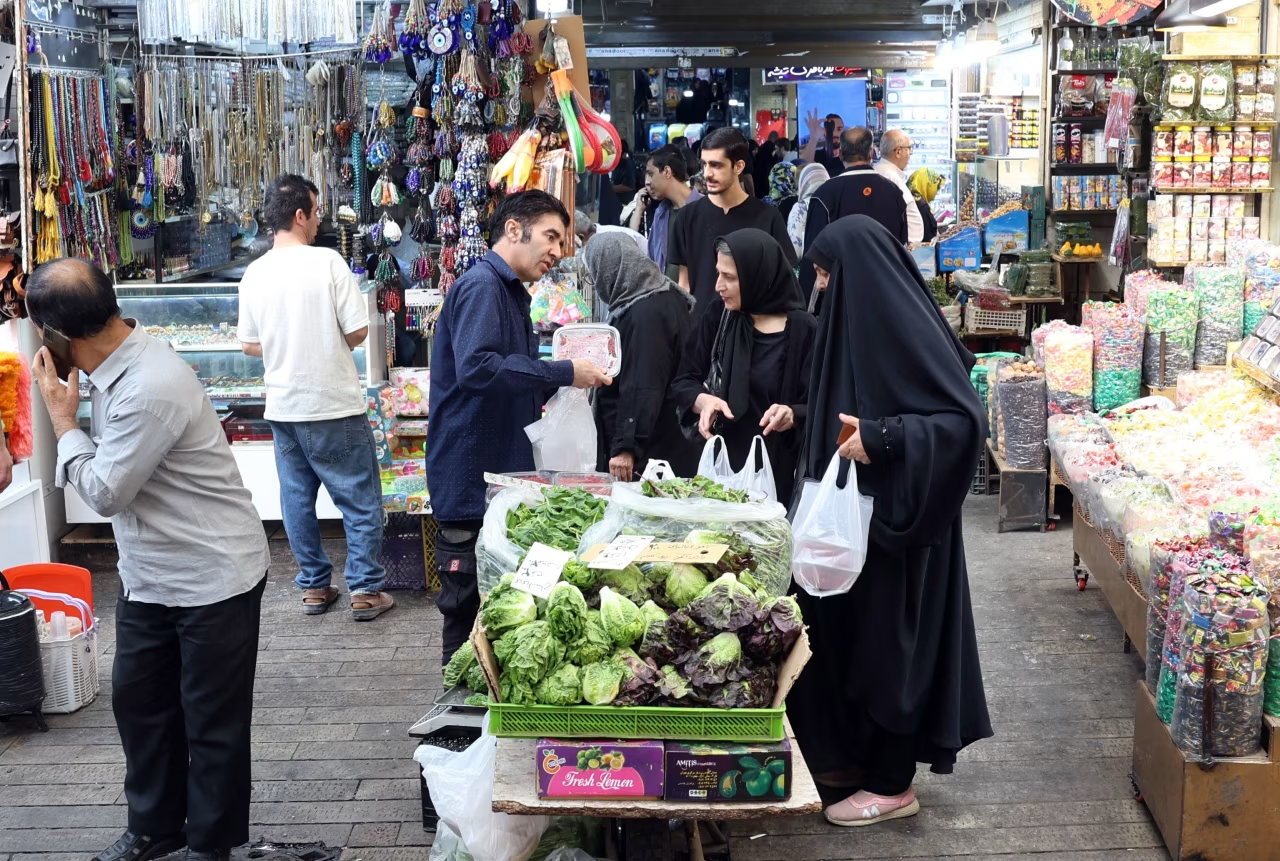
法拉克沙希说:“美国的赌注似乎是,经济压力将迫使政权重返谈判桌接受核协议,或者在内部引发抗议活动,而政权将面临难以遏制的挑战。”
“It looks like the U.S. gamble is that the economy will either push the regime back into negotiations to accept a nuclear deal, or will spark protests internally which the regime will face challenges containing,” Falakshahi said.
分析师指出,不经霍尔木兹海峡的伊朗石油替代出口路线(如陆路卡车运输)远无法取代海运石油量。
Alternative routes to export Iranian oil that don’t go through the Strait of Hormuz, like trucking oil overland, won’t come close to replacing the oil transported by sea, according to analysts.
迪拜能源分析公司FGE NexantECA中东和亚洲高级副总裁伊曼·纳塞里曾在伊朗石油部研究部门工作,他说:“有效吗?是的,有效。”但他表示,该政权过去已证明具有韧性。“再等一年,看看体制能否撑住。”据Kpler数据,到2月战争爆发时,伊朗在海外约有1.35亿桶石油——其中大部分位于马来西亚和新加坡海岸外——在油价飙升后,这些储备价值可能在100亿美元或以上。美国于4月首次对伊朗石油流向实施封锁时,伊朗继续出售这部分离岸储备石油,库存迅速下降。
“Is it working? Yes, it’s working,” said Iman Nasseri, senior vice president of Middle East and Asia at energy-analytics company FGE NexantECA in Dubai, who once worked in the research arm of Iran’s oil ministry. Still, he said the regime has proven resilient in the past. “Let’s wait another year and see if the system can stand.”According to Kpler, by the start of the war in February, Iran had around 135 million barrels located overseas—much of it off the coast of Malaysia and Singapore—likely worth around $10 billion or more after the price of oil surged. When the U.S. first imposed a blockade on Iranian oil flows in April, Iran continued selling oil from this offshore reserve, with stores declining rapidly.
作为和平谈判的一部分,美国在6月中旬解除封锁后,伊朗迅速增加出口,重建储备,直到美国在7月中旬重新实施封锁。据Kpler数据,这些储备曾在近9000万桶见顶,到10月5日降至不足100万桶,此后已完全耗尽。
When the U.S. lifted the blockade as part of peace negotiations in mid-June, Iran rushed out more oil, building back its reserves until the U.S. reimposed the blockade in mid-July. Those reserves, which had peaked at nearly 90 million barrels, fell to less than 1 million barrels by Oct. 5, and have since been completely exhausted, according to Kpler.
能源追踪机构Vortexa的分析师Emma Li也报告了大幅下降,估计截至10月9日,新加坡近海约有600万桶伊朗石油。她表示,中国炼油厂正越来越多地转向替代供应商,包括巴西和西非。
Emma Li, an analyst at energy tracker Vortexa, also reported a major drop, estimating that there were about 6 million barrels of Iranian oil off Singapore as of Oct. 9. She said Chinese oil refineries are increasingly turning to alternative suppliers, including Brazil and West Africa.
倡导组织“反核伊朗联合”也测算,伊朗石油出口在8月和9月已降至接近零,东南亚海上浮动储备到10月初可能已降至1000万桶或更低,并称确切总量难以知晓。“他们肯定很难受,”该组织研究员Charlie Brown说。他表示,虽然不能说储备已降为零,“但似乎很可能已在朝着接近零的方向发展。”
United Against Nuclear Iran, an advocacy group, also calculated that Iran’s oil exports had fallen to close to zero in August and September and that floating reserves in Southeast Asia had likely fallen to 10 million barrels or less by early October, saying the precise total was difficult to know. “They’ve got to be hurting,” said Charlie Brown, a UANI researcher. He said that while he couldn’t say that the reserves had gone to zero, “it seems likely to be well on the way to close to zero.”
伊朗政府坚称能承受压力。上周在曼谷举行的国际货币基金组织会议上,伊朗央行行长Abdolnaser Hemmati表示,尽管面临压力,“伊朗经济表现出了非常好的韧性,伊朗经济正在崩溃的说法无非是幻觉。”
Iran’s government insists it can withstand the pressure. At a meeting of the International Monetary Fund in Bangkok last week, Abdolnaser Hemmati, governor of Iran’s central bank, said that despite pressure “the Iranian economy has demonstrated very good resilience, and the claim that Iran’s economy is collapsing is nothing more than an illusion.”