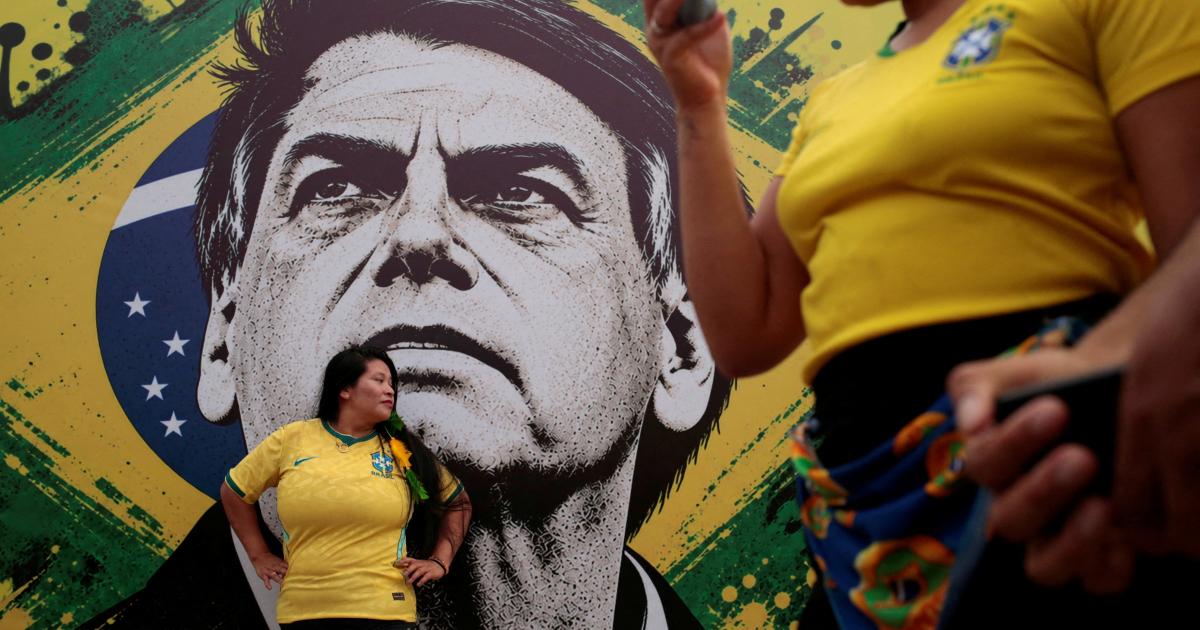
10月5日,在巴西大选首轮投票结束的次日,该国金融市场欢欣鼓舞。巴西正疲于应对高债务和低增长,投资者渴望领导人减少预算赤字、放松管制、减税,甚至可能将国有资产私有化。在被称为“卢拉”的左翼总统路易斯·伊纳西奥·卢拉·达席尔瓦执政近四年之后——卢拉在实施此类举措方面进展缓慢——投资者希望右翼政府能够为大胆的改革创造机会。
On October 5, the day after the first round of Brazil’s general elections, the country’s financial markets were euphoric. Brazil is struggling with high debt and low growth, and investors are eager for leaders to reduce budget deficits, deregulate, cut taxes, and perhaps even privatize state assets. After nearly four years under the left-wing President Luiz Inácio Lula da Silva, known as Lula, who has been slow to implement such measures, investors hope a right-wing government will create opportunities for bold reform.
右翼统治可能正是巴西将会迎来的局面。极右翼的自由党在立法机构中获得实质性增益,成为参议院和众议院的第一大党。其总统候选人弗拉维奥·博尔索纳罗是臭名昭著的前总统雅伊尔·博尔索纳罗之子,在首轮投票中领先老迈的现任总统卢拉近两个百分点。卢拉已展现出实现令人印象深刻的政治东山再起的能力,但弗拉维奥·博尔索纳罗依然是定于10月25日举行的决胜轮投票中的热门人选。
Rule by the right might be exactly what Brazil gets. The far-right Liberal Party made substantial gains in the legislature, becoming the single largest party in both the Senate and the Chamber of Deputies. Its presidential candidate, Flávio Bolsonaro, the son of the notorious former President Jair Bolsonaro, led the aging incumbent, Lula, by nearly two percentage points in the first round of voting. Lula has shown himself capable of impressive political comebacks, but Flávio Bolsonaro is still the favorite in the runoff vote scheduled for October 25.
然而,即便博尔索纳罗获胜,巴西经济的前景依然暗淡。他提出的政策远非降低债务和刺激私人投资所需的实质性财政整顿计划,而他削弱巴西政治机构的决心也制造了吓退投资者的不确定性。在卢拉执政期间,经济增长一直表现低迷,其政府一直在努力缓解困扰公共部门和家庭的高债务负担。然而,真正注定该国走向经济危机的是博尔索纳罗政府可能引入的那类受威权主义启发政治。
Even if Bolsonaro wins, however, the prospects for the Brazilian economy are dim. The policies he has put forward are nothing close to the substantial fiscal consolidation program that will be necessary to bring down debt and stimulate private investment, and his determination to weaken Brazil’s political institutions creates the kind of uncertainty that scares investors away. Economic growth has been sluggish under Lula, whose administration has struggled to relieve the high debt burdens afflicting the public sector and households. What would truly doom the country to economic crisis, however, is the kind of authoritarian-inspired politics that a Bolsonaro government could usher in.
酝酿中的危机 巴西陷入严重经济困境。该国主权债务率已膨胀至国内生产总值(GDP)的83%,财政赤字不留任何额外政府支出的空间,高利率正损害消费者和投资者利益。与此同时,伊朗战争推高了燃料和其他商品价格,加重了因高负债而已捉襟见肘的家庭资产负债表压力,令许多巴西人渴望能缓解其日常艰难处境的领导人。
CRISIS IN THE MAKING Brazil is in serious economic trouble. The country’s sovereign debt ratio has ballooned to 83 percent of GDP, fiscal deficits leave no room for additional government spending, and high interest rates are hurting consumers and investors. Meanwhile, the Iran war has raised the price of fuel and other goods, weighing on household balance sheets already strained by high debt and leaving many Brazilians desperate for leaders who can alleviate their daily hardships.
这一困境由来已久。在雅伊尔·博尔索纳罗于2018年当选前,其前任、总统米歇尔·特梅尔颁布了公共支出上限,以遏制巴西失控的财政问题。特梅尔以宪法修正案形式引入该上限,旨在防止未来政府为迎合自身需要而更改支出上限。然而,雅伊尔·博尔索纳罗仍多次提高上限,这需要说服国会修改宪法。作为回报,行政部门实际上将预算程序的控制权让渡给了立法机构。
This predicament is years in the making. Before Jair Bolsonaro was elected in 2018, his predecessor, President Michel Temer, enacted a cap on public spending to contain Brazil’s runaway fiscal problems. Temer introduced the cap as a constitutional amendment to prevent future governments from changing the spending ceiling to suit their needs. Yet Jair Bolsonaro raised the cap several times anyway, which required convincing Congress to amend the constitution. In return, the executive branch effectively ceded control of the budgetary process to the legislature.
因此,卢拉继承了一个几乎没有财政调整余地的体系,他在任期间极少尝试解决该问题。结果导致预算赤字居高不下、通胀持续,迫使央行大幅加息。反过来,高利率损害了家庭资产负债表,并降低了整体投资与增长。
Lula therefore inherited a system in which he had little room for fiscal adjustment, and he made few attempts to fix the problem during his term. The result was high budget deficits and persistent inflation, which forced the central bank to raise interest rates substantially. In turn, high interest rates damaged household balance sheets and lowered overall investment and growth.
承诺,还是承诺 如果卢拉连任,他将极难推出新的财政改革和其他支持增长的措施。他承诺削减开支,并提出对巴西税制进行全面改革,这将有助于增加预算盈余、降低公共债务。然而,博尔索纳罗的自由党及其盟友如今在参众两院均占据多数席位,足以阻挠卢拉可能推行的任何立法。
PROMISES, PROMISES If Lula were reelected, he would find it incredibly difficult to introduce new fiscal reforms and other measures to support growth. He promised to reduce spending and has proposed a comprehensive overhaul of Brazil’s tax system, which would help increase the budget surplus and reduce public debt. Yet Bolsonaro’s Liberal Party and its allies now hold a majority of seats in the Senate and the Chamber of Deputies, allowing them to block any legislation Lula might pursue.
然而,指望博尔索纳罗能表现得更好,即使不是完全不切实际,也是过于乐观了。在竞选期间,两位候选人都几乎没有详细说明他将采取什么措施来修复经济。相反,博尔索纳罗经常谈论“制度改革”,他曾表示,这些改革将包括修改巴西拥有38年历史的宪法,使现有的劳工和环保法规更具灵活性等变革;干预最高法院;以及赦免因领导2023年未遂政变而正在服刑的他的父亲。
Yet it is overly optimistic, if not completely unrealistic, to expect that Bolsonaro would fare better. Neither candidate has provided much detail during the campaign about what he would do to fix the economy. Bolsonaro has instead spoken often about “institutional reforms,” which he has said would include amending Brazil’s 38-year-old constitution to make existing labor and environmental regulations more flexible, among other changes; meddling with the Supreme Court; and granting amnesty to his father, who is serving a prison sentence for leading a 2023 coup attempt.
这些举措很可能会吓退投资者,因为稳定的制度是经济良好运转的必要条件。一个破坏司法系统和宪法的政府将损害其经济政策的诚信,无论这些政策是什么,也无论制定这些政策的官员声誉有多好。
Those steps are likely to drive away investors because stable institutions are necessary for an economy to function well. A government that undermines the judicial system and the constitution will compromise the integrity of its economic policies, no matter what those policies are or how good the reputations of the officials making them may be.
此外,要为对国家政治制度的这种全面改革争取支持,就需要作出可能恶化巴西经济困境的妥协。为了在国会获得足够票数以推进博尔索纳罗的优先事项——例如,需要三分之二的参议员批准罢免一名最高法院法官,并且两院均需五分之三的议员批准宪法修正案——政府将不得不把其联盟之外的议员争取过来。这些政客几乎肯定会要求为其选区提供大量资金以换取支持,从而加剧预算赤字。
Gathering support for such an overhaul of the country’s political institutions, moreover, would require compromises that could worsen Brazil’s economic troubles. To secure enough votes in Congress to advance Bolsonaro’s priorities—for example, two-thirds of the Senate would need to approve the removal of a Supreme Court justice, and three-fifths of both houses must approve a constitutional amendment—the government would have to bring legislators outside its coalition on board. Those politicians would almost certainly demand substantial funds for their constituencies in exchange for their support, adding to the budget deficit.
博尔索纳罗的极右翼运动也将致力于维系其新近组建的州长、市长和选民联盟。其支持基础很大一部分是中下层巴西人,他们在二十年前的经济繁荣期——当时卢拉正担任前两届总统——摆脱了贫困。自那以后,随着收入增长停滞,这些选民转而支持自由党,但他们的忠诚度尚浅。他们大多是自雇人士,面临经济不稳定。
Bolsonaro’s far-right movement will also be focused on holding together its recently formed coalition of governors, mayors, and voters. Much of its constituency is lower-middle-class Brazilians who rose out of poverty during the boom years two decades ago, while Lula was serving his first two terms in office. After seeing their income growth stagnate in the years since, these voters have turned to the Liberal Party, but their loyalty is new. Most are self-employed and face economic precarity.
博尔索纳罗和卢拉目前都在试图通过承诺增加收入和提供家庭债务减免等举措来争取这些选民,但兑现此类承诺——如果真能兑现的话——只会加剧巴西的经济困境。果断转向非自由主义几乎必将导致经济灾难。
Both Bolsonaro and Lula are now trying to appeal to these voters by promising initiatives that boost income and offer household debt relief, but delivering such programs—if it is even possible—would only exacerbate Brazil’s economic woes.
博尔索纳罗透露的经济政策也不令人充满信心。他的政党表示将削减400亿美元(约合GDP的1.5%)的政府开支,并实现初级预算盈余——即不计利息支付的预算平衡指标。但该党未解释如何达成此目标,博尔索纳罗也未详述其控制公共债务上升的模糊计划。归根结底,博尔索纳罗不太可能兑现这些承诺,尤其是如果他坚持不削减养老金和关键社会项目的承诺的话。
A decisive turn toward illiberalism would all but assure economic disaster.
部分问题在于,自由党的经济纲领缺乏一个切实可行的降本计划。它提议撤销至少十个政府部委,但对由此产生的成本节约没有作任何估算。2019年雅伊尔·博索纳罗就职后采取类似举措、削减内阁职位并解雇公务员时,这些举措对财政结果几乎没有什么影响。其他承诺的举措包括:降低巴西的增值税、逐步取消一项金融交易税、降低电费和燃料税、在四年内斥资1800亿美元用于基础设施建设,以及建设250万套新住房。这些举措都无法解决巴西的财政问题;它们只会使这些问题变得更糟。
What Bolsonaro has shared about his economic policies does not inspire much confidence, either. His party has said it would reduce government spending by $40 billion, or 1.5 percent of GDP, and deliver primary budget surpluses—a measure of the budget balance that does not include interest payments. But it has not explained how it would accomplish this, nor has Bolsonaro elaborated on his vague plans for controlling the rise in public debt. Ultimately, it is unlikely that Bolsonaro can deliver on any of these promises, especially if he keeps his pledge not to cut pensions and key social programs.
弗拉维奥·博索纳罗税收计划的其余部分也是如此。他的经济顾问曾表示,他们打算推翻卢拉的财政部长费尔南多·哈达德任内创设或提高的所有税收。哈达德的增税措施旨在将税收负担转移到高收入阶层、增加政府收入并减少税制中的不平等。这些税收对增加收入起到了温和的作用,但未能实现预算盈余。博索纳罗辩称,这些措施阻碍了投资,因为它们对较高收入阶层征收更重的税,但没有证据支持这一观点。
Part of the problem is that the Liberal Party’s economic program lacks a viable plan for reducing costs. It proposes eliminating at least ten government ministries but has no estimate of the resulting cost savings. When Jair Bolsonaro took similar steps after he assumed office in 2019, removing cabinet positions and laying off public servants, those moves had little effect on fiscal outcomes.
相反,废除所有这些增税措施将使巴西的财政状况恶化。一项简单的计算表明,巴西需要将其基础预算平衡占GDP的比例提高约百分之六,无论是通过增加收入还是减少支出(或两者兼而有之),以防止其债务进一步上升。这种调整必须分散在至少三年内进行,以便让负债的家庭和企业有时间改变其消费和投资模式,从而避免经济衰退。然而,大幅减税将减少政府收入,进而增加债务。
Other promised measures include reducing Brazil’s value-added tax, phasing out a tax on financial transactions, lowering taxes on electricity and fuel, spending $180 billion on infrastructure over four years, and building 2.5 million new homes. None of them would fix Brazil’s fiscal problems; they would only make those problems worse.
巴西的高利率是另一个制约因素。央行目前的利率为13.75%,按拉丁美洲标准来看天文数字,左右着经济各处的利率。仅公共债务偿还支出就占GDP的约8.7%。博索纳罗若要大幅降低利率,势必引发衰退,因此他将面临与卢拉在其最新任期内一样的问题——遏制快速增长的债务,鲜有良策。
The same goes for the rest of Flávio Bolsonaro’s tax plan. His economic advisers have said they intend to reverse every tax created or raised under Lula’s finance minister, Fernando Haddad. Haddad’s tax increases were intended to shift the tax burden to high-income brackets, raise government revenue, and reduce inequalities in the tax system. These taxes have contributed to a modest increase in revenue but fell short of delivering budgetary surpluses. Bolsonaro has argued that the measures are impeding investment because they tax higher income brackets more heavily, but there is no evidence to support this idea. Instead, repealing all these tax increases would worsen Brazil’s fiscal situation. A simple calculation shows that Brazil needs to increase its primary budget balance by about six percent of GDP, either through increased revenue or decreased spending (or both), to keep its debt from rising further. That adjustment would have to be spread over at least three years, giving indebted households and firms time to change their consumption and investment patterns, to avoid a recession. Slashing taxes, however, would reduce government revenues, raising the debt.
威权经济学 卢拉和博索纳罗都不太有能力解决巴西的经济问题。不过,若博索纳罗下台后巴西决定性地转向非自由主义,几乎必将导致经济灾难。
Brazil’s high interest rates are another constraint. The central bank’s current rate is 13.75 percent, astronomical by Latin American standards, dictating interest rates everywhere in the economy. Public debt service payments alone consume some 8.7 percent of GDP. Bolsonaro would not be able to lower interest rates significantly without sparking a recession, so he would face the same problem that has plagued Lula during his latest term—few good options for containing a rapidly growing debt.
弗拉维奥·博尔索纳罗从未否认过其父亲对巴西1964年至1985年独裁统治的拥护,他的自由党也将其渊源追溯至曾支持该军事政权政党的路线。此外,他已承诺释放因在2023年策划暴动和未遂政变而入狱的父亲及其同伙。弗拉维奥的兄弟爱德华多·博尔索纳罗曾是巴西国会议员,未来很可能在其兄弟的政府中扮演重要角色,他曾公开表达对匈牙利维克托·欧尔班非自由主义政权的钦佩,并宣称希望学习该运动的“最佳实践”——该运动曾重写匈牙利宪法、重塑法院、压制媒体并部署其他公开的威权战术。
AUTHORITARIAN ECONOMICS Neither Lula nor Bolsonaro is well positioned to solve Brazil’s economic problems.
巴西国会中庞大的极右翼集团支持破坏机构的政策,其中包括弹劾最高法院法官——在针对几名最高法院法官的腐败指控出现之前,这些政党就已主张采取这一步骤。(弗拉维奥·博尔索纳罗也因卷入同一桩腐败丑闻而正接受调查。)尽管巴西没有重回军事统治的风险,但前独裁政权是一个警示,表明如果博尔索纳罗政府将其非自由主义倾向推向逻辑终点,可能会发生什么。
在长达二十年的军事独裁期间,巴西的支出达到了不可持续的水平,主要用于资助国有企业,以维持该政权对权力的掌控。该国发生了主权债务违约,经历了破坏性的恶性通货膨胀,并见证了收入不平等急剧飙升。六项经济稳定计划以失败告终,经济增长陷入停滞。巴西的这一经历并非孤例。在上个世纪从民主转向独裁统治的拉丁美洲国家中,没有一个国家从这种转变中获得过经济上的好处。
A decisive turn toward illiberalism under Bolsonaro, however, would all but assure economic disaster.
世界上其他在经历此类转型后实现繁荣的国家,包括一些东亚国家,在经济腾飞的过程中变得不再那么专制。
Flávio Bolsonaro has never disavowed his father’s championing of Brazil’s dictatorship, which lasted from 1964 to 1985, and his Liberal Party traces its lineage to the party that sustained the military regime. Moreover, he has pledged to release his father and his father’s associates who are in prison for staging an insurrection and a coup attempt in 2023. Flávio’s brother Eduardo Bolsonaro, a former member of Brazil’s Congress who would likely play a significant role in his brother’s government, has openly expressed his admiration for Viktor Orban’s illiberal regime in Hungary claiming a desire to learn the “best practices” of a movement that rewrote Hungary’s constitution, reshaped its courts, silenced its press, and deployed other overtly authoritarian tactics. And the substantial far-right bloc in Brazil’s Congress supports policies to undermine institutions, including by impeaching members of the Supreme Court—a step these parties advocated even before corruption allegations emerged against several of the court’s justices. (Flávio Bolsonaro is also under investigation for his involvement in the same corruption scandal.) Although Brazil is not at risk of returning to military rule, the former authoritarian regime serves as a warning of what could happen if a Bolsonaro administration follows its illiberal inclinations to their logical conclusion. During those two decades of military dictatorship, Brazil spent at unsustainable levels, mostly funding state enterprises, to preserve the regime’s hold on power. The country defaulted on its public debt, endured corrosive hyperinflation, and saw income inequality skyrocket. Six economic stabilization plans failed and growth stagnated. Brazil is not alone in this experience. No Latin American country that swung from democracy to authoritarian rule in the past century has benefited economically from the shift. Countries elsewhere in the world that prospered after such a transition, including some in East Asia, became less authoritarian during their economic ascent.
巴西的右倾符合一种地区模式。将巴西与阿根廷、智利和哥伦比亚联系在一起的共同线索,是这几个国家的极右翼运动所信奉的粗陋的自由意志主义世界观。他们都谈论让公民成为摆脱国家束缚的企业家。他们告诉那些工作不稳定、经济没有保障的选民,他们的政策将带来繁荣。但他们的民粹主义很少能赢得投资者的信任。和同类一样,当巴西极右翼声称它能通过制度拆解和苍白的经济议程克服该国面临的重大问题时,它真正提供的其实是空洞的承诺。
Brazil’s rightward shift fits a regional pattern. The common thread that unites Brazil with Argentina, Chile, and Colombia is the crude libertarian worldview that each of their far-right movements espouse. All of them talk about citizens becoming entrepreneurs free of the state. They tell voters who have unstable employment and little economic security that their policies will bring prosperity. But their populism rarely wins the confidence of investors. Like its peers, when the Brazilian far right says it can overcome the country’s substantial problems with institutional demolition and a threadbare economic agenda, what it really offers is empty promises.