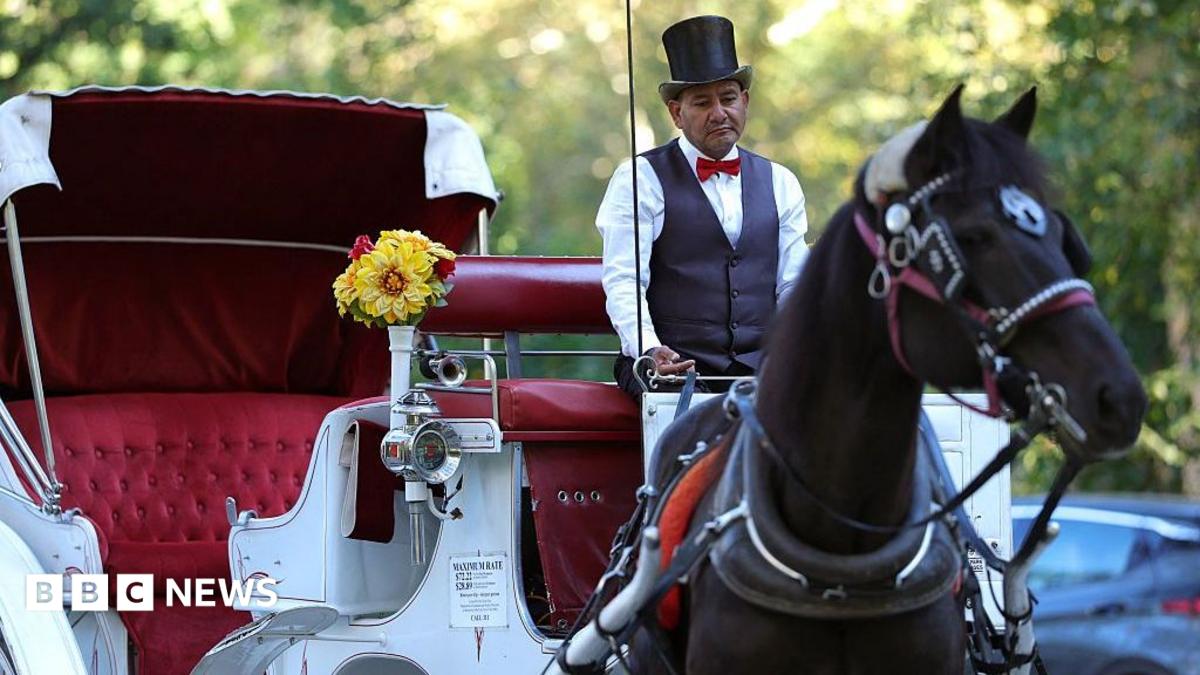
纽约中央公园的马车车夫们对自己的未来感到担忧——而动物维权人士则将这项禁令视为胜利马德里·哈尔珀特(Madeline Halpert)发自纽约中央公园2026年10月22日亚历克苏斯·劳森(Alexus Lawson)五岁时在纽约中央公园抚摸了一匹马车马后,便彻底迷上了这个行业。
Drivers of horse-drawn carriages in Central Park are concerned for their future - while animal activists see the ban as a victory Madeline Halpert Central Park, New York City 22 October 2026 After petting a carriage horse in New York's Central Park at the age of five, Alexus Lawson was hooked.
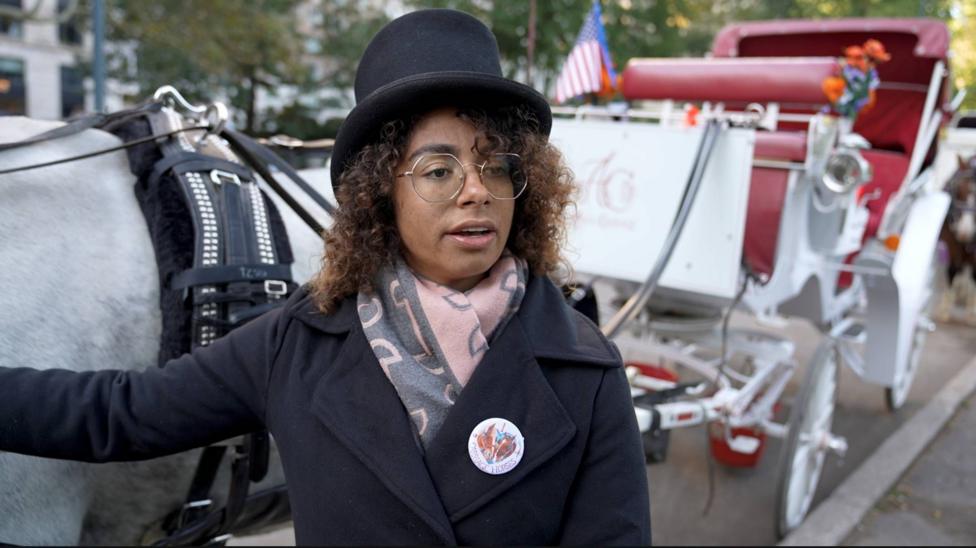
在曼哈顿最著名的公园里,她由自己的马匹拉着驾驶马车已有六年。但自从劳森听到本周该市投票决定以动物和公共安全为由取缔马车以来,她就一直忧心忡忡。
She has driven a carriage in Manhattan's most famous park, pulled by her horses, for six years. But since Lawson heard about the city's vote this week to outlaw the carriages over animal and public-safety concerns, she has been worried.
28岁的劳森在谈到名叫“星光”(Starlight)的马时问道:“我该拿我的马怎么办?你们要告诉我,我不能再和她一起工作了吗?我该如何确保她的健康?”
"What am I supposed to do with my horse?" asked the 28-year-old, referring to Starlight. "You're going to tell me I can't work with her anymore? How am I supposed to ensure her health?"
劳森是中央公园大约200名马车车夫之一。马车的使用是一项延续了160多年、时有争议的传统,并已成为一项受欢迎的旅游活动。
Lawson is one of roughly 200 horse-drawn carriage drivers in Central Park. Use of the carriages has been an at-times controversial tradition for over 160 years that has become a popular tourist activity.
周四,纽约市议会投票通过了一项自2028年6月起禁止马车的禁令。该提案得到了市长佐赫兰·马姆达尼(Zohran Mamdani)的支持,他表示将帮助为该行业的工人制定转型计划。
On Thursday, New York City Council voted to pass a ban on the carriages, beginning in June 2028. The proposal is backed by Mayor Zohran Mamdani, who said he will help develop a transition plan for workers in the industry.
几位车夫对英国广播公司(BBC)表示,他们不想要新工作,并反驳了关于他们的马匹受到虐待的说法——尽管许多纽约市民和游客对该禁令表示欢迎。
Several drivers told the BBC that they did not want new jobs and disputed claims their horses were mistreated - even as many New Yorkers and tourists welcomed the ban.
纽约居民罗恩·苏尔(Ron Tsur)说:“曾发生过几起马匹死在公园中央的案例。你很清楚地能看到它们没有受到照顾。这不是它们应该做的事。”
"There were a few cases of horses dying in the middle of the park. You can clearly see that they're not taken care of," said New York resident Ron Tsur. "That's not what they're supposed to be doing."
根据曼哈顿区长办公室的数据,自1982年以来,在中央公园工作的40匹马已经死亡,该办公室将原因归咎于中暑和碰撞等问题。
Since 1982, 40 horses working in Central Park have died, according to the Manhattan Borough President's office, which blames issues including overheating and collisions.
在动物权利活动人士的压力下,纽约领导人此前曾寻求实施禁令,但遭到市议会议员和代表这些工人工会的阻挠。但今年夏天,禁令运动获得了新的势头。
New York leaders previously sought a ban, under pressure from animal-rights activists, but faced pushback from city council members and unions representing the workers. But the ban movement found new momentum this summer.
6月,来自印度的游客罗曼奇·马哈詹(Romanch Mahajan)与家人一起在纽约游玩时,乘坐马车出行。突然,马匹突然失控狂奔,导致18岁的马哈詹从马车上摔落并不幸身亡。
In June, Romanch Mahajan, a tourist visiting New York with his family from India, was in a carriage when the horse bolted, causing the 18-year-old to fall out and die.
这项旨在禁止马车运营的法案以罗曼奇的名字命名;该法案的出台,也与今年发生在中央公园的一起悲剧事件有关——当时一匹名叫“德尼兹”(Deniz)的马因误食有毒植物而死亡。
The planned ban - named Romanch's Law after the teen - also follows the death this year of a carriage horse, Deniz, who ate a toxic plant in Central Park.
在市议会审议该法案时,马哈詹的家人也在场。市议会议长朱莉·梅宁(Julie Menin)表示:“这项措施将确保罗曼奇成为最后一个因马车事故而丧生的受害者。”
Mahajan's family was at the city council hearing when lawmakers voted to pass the bill. Council Speaker Julie Menin said the measure would ensure the 18-year-old was "the last soul that we lose to this industry". 'Horses are working animals'
几位中央公园的马车司机告诉BBC,他们非常珍爱自己的马匹,并认为马车出行并不会带来任何安全隐患。
Several Central Park horse carriage drivers told the BBC that they were devoted to their horses and that the rides did not pose a safety risk.
事发时,劳森(Lawson)就在现场;她将这起悲剧称为“极其令人痛心的事故”。她指出:“如果市政府真的关心马车的安全性,就应该立即禁止马车运营,而不是等到两年后才采取行动。”
Lawson, who was nearby when Mahajan fell to his death, called the deadly incident "extremely tragic", but said that if the city was really worried about the safety of the horse-drawn carriages, it would outlaw them immediately - not in two years.
负责管理中央公园的非营利组织“中央公园保护协会”(Central Park Conservancy)表示,仅在过去13个月内,就发生了7起与马匹相关的安全事故:5月,一名司机因马匹受惊导致马车翻倒而受伤;1月,另一匹名叫“德斯蒂尼”(Destiny)的马在公园附近冲入车流,引发了多车连环碰撞。
The Central Park Conservancy, the non-profit organisation that manages Central Park and supports the carriage ban, said that over the past 13 months alone, there had been seven "horse-related incidents". In May, a driver was taken to the hospital after a spooked horse hit another carriage, causing it to tip over.
劳森拥有6匹马,她强调纽约市的马车管理措施是全国最严格的。她认为马匹其实非常喜欢这种工作:“那些主张禁止马车的人,只是把马视为‘受束缚的动物’;他们没有意识到马匹其实是在从事一项需要付出辛勤努力的工作。”她对自己的马‘星光’(Starlight)充满感情;同样,从事马车驾驶工作已有12年的梅德特·菲丹(Medet Fidan)也对自己的马充满感情,他认为那些关于马匹被虐待的指控纯属无稽之谈。
In January, another horse, named Destiny, ran into traffic near the park, causing a multi-car collision. Lawson, who owns six horses, pointed out that New York City carriages were the most regulated in the country and said horses enjoyed the stimulation. "They look at an animal in harness and they see a trap," Lawson said of officials pushing for the ban. "They see a job as something that's terrible. Horses are working animals." Lawson says she feels very attached to her horse - Starlight - and to her business as a carriage driver Medet Fidan, a carriage driver for 12 years, feels similarly attached to his horse, calling allegations of mistreatment a joke.
“我花在马身上的时间比和妻子、孩子在一起的时间还多,”他说,“他们居然说我虐待马?绝对不可能。”菲丹表示自己非常愤怒,指责相关官员在未与马车司机及整个行业相关人员沟通的情况下就通过了这项禁令。“如果你们都不听我的意见,又怎么能毁掉我的生意、我的家庭、我的生计呢?”他质问道。
"I spend more time with my horses than my wife and my kids," he said. "They're telling me I'm abusing my horse? No way." Fidan said he was angry and that officials were passing a ban without talking to drivers and others in the industry. "If you don't listen to me, how can you come and kill my business, destroy my family's, my livelihood?" he asked.
市议会于7月举行了一场听证会,邀请了包括马车司机在内的社区成员发表意见。
The city council held a hearing in July, inviting community members, including horse-carriage drivers, to comment.
这项旨在淘汰马拉马车的立法提出了一套“行业过渡方案”,其中包括为相关从业者提供就业安置、培训、职业咨询以及经济补偿等措施。
The legislation to end horse-drawn carriages proposes an "industry transition framework" including potential job placement, training, career counselling and financial compensation for those in the business.
据在听证会上发言的司机们透露,马姆达尼的办公室正在参与为这些工人寻找新工作的计划;这些工人的年收入大约在6万至7万美元(约合4.4万至7万英镑)之间。
A spokesperson for Mamdani said his office was involved in planning to find new jobs for these workers - who make around $60,000 (£44,000) to $70,000 a year, according to drivers who spoke at the city council hearing.
然而,代表马车司机的运输工人工会指出,该法律并未提供任何保障措施(包括经济补偿),这些工人将会面临严重的经济困境。工会还担心那些需要接收这些马匹的个人和组织会缺乏资金支持;每年都有数千匹马被送往屠宰场。
But the Transport Workers Union, which represents the drivers, said the law does not include guarantees - including compensation - and that the workers would be "economically wiped out". The union also raised concerns about a lack of funding for individuals and organisations who eventually take in the horses.
该法案禁止将马匹出售用于屠宰或其他类似用途。梅宁表示,马车车主可以选择保留自己的马匹。
It argued that thousands end up at slaughter auctions each year. The bill forbids selling horses for slaughter or for similar work.
关于马匹的处境克里斯·科尼格斯认为这些马“非常可爱”,但它们对公共安全构成了潜在威胁。尽管马车司机们一直致力于保护马匹的健康,但几十年来,人们一直对马匹的福利状况表示担忧。
Carriage owners would be allowed to keep their horses if they choose, said Menin. 'Confining for the horses' Chris Koenigs thinks the horses are "wonderful", but too much of a risk for public safety Though carriage drivers say they are committed to the health of their horses, concerns over the animals' wellbeing were raised in the city for decades.
这些马车一直受到动物权利组织的反对;其中一些组织正是为了抗议纽约市的这种做法而成立的。1866年,亨利·伯格目睹了一匹拉马遭受残酷虐待的情景后,创立了美国防止虐待动物协会(ASPCA),以抗议对马匹的虐待行为以及其他形式的动物虐待。
The carriages have been opposed by animal-rights groups, including one that was founded in response to New York's industry. In 1866, after Henry Bergh witnessed the brutal beating of a carriage horse, he established the American Society for the Prevention of Cruelty to Animals (ASPCA) to protest horses' treatment and other instances of animal abuse.
“善待动物组织”(PETA)以及其他多个组织也强烈反对使用这些马车。
People for the Ethical Treatment of Animals (Peta) and a coalition of organisations also oppose the carriages.
马匹每天可能需要工作长达9个小时;目前它们被限制在公园的某些入口处等待被雇佣。乘客需要支付72.22美元才能乘坐20分钟的马车服务,每多乘坐10分钟还需额外支付28.89美元。
Horses can work up to nine hours a day. They are currently restricted to certain entrances to the park, where they stand and wait with drivers to be hired. Customers pay $72.22 for a 20-minute ride, plus $28.89 for every extra 10 minutes. Vanessa Stolle, a German tourist, said she and her family had horses at home and that they do not belong in a noisy park pulling passengers.
德国游客凡妮莎·斯托勒表示,她和她的家人家里也养马,她认为马匹不应该被用来在嘈杂的公园里拉客:“让它们整天站在那里等待乘客,对它们来说实在太残忍了;它们本应该生活在乡村里。”
"To stand the whole day here – it's loud for them and they can't go to the countryside," she said. A fellow German tourist, Christian Bauers, disagreed. He remembered seeing the horses when he visited Central Park 20 years ago.
另一位德国游客克里斯蒂安·鲍尔斯则持不同意见:“20年前我参观中央公园时见过那些马,它们是纽约文化的一部分,让它们继续留在这里吧——它们看起来很可爱。”
"It's part of the culture of New York," he said. "Let them stay. It's cute."
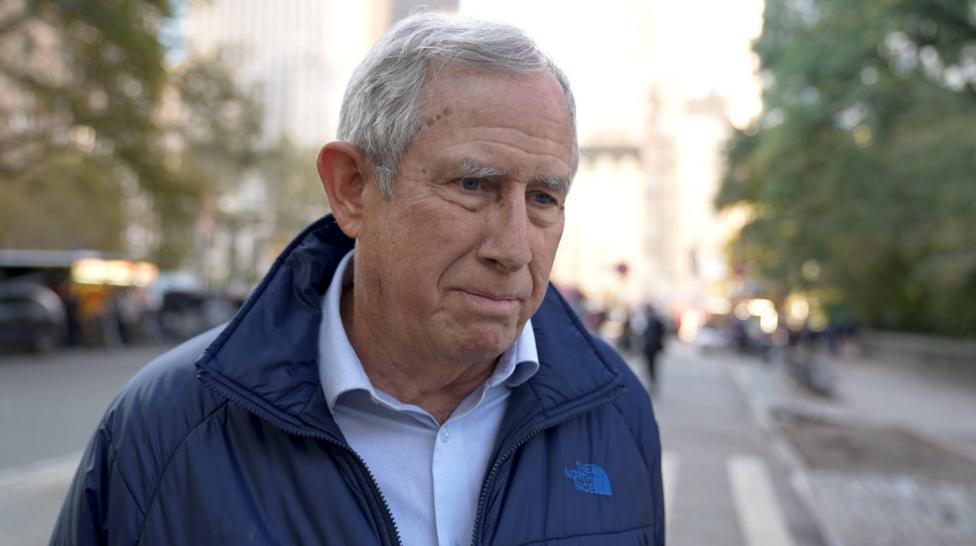
来自科罗拉多州的珍妮·科洛皮同样热爱动物,她担心公园里可能发生的安全事故会对人和马造成伤害:“我知道这些马属于某个工会,我也不希望它们失业;不过让它们待在公园里确实有点限制它们的自由。”她的丈夫克里斯·科尼格斯认为这些马看起来非常可爱,但他也认为今年夏天发生的那起青少年死亡事故实在令人震惊——这是人们为了享受这些马而付出的沉重代价。
Jeanne Collopy is an animal lover from Colorado, where horses run wild, she said. She worries about accidents in the park that have harmed humans and horses. "I know there's a union and I hate to have people out of work," she said, adding: "It's a little bit confining for the horses." Her husband, Chris Koenigs, said the animals were "wonderful" to look at. But the death of the teenager this summer was "sickening" and a high price to pay for enjoying the horses, he said.
“这个公园非常美丽,”他说,“无论有没有这些马车,它依然会是一个令人惊叹的公园。”
"The park is magnificent," he added. "I can't help but think, it would be a magnificent park with or without the carriages."