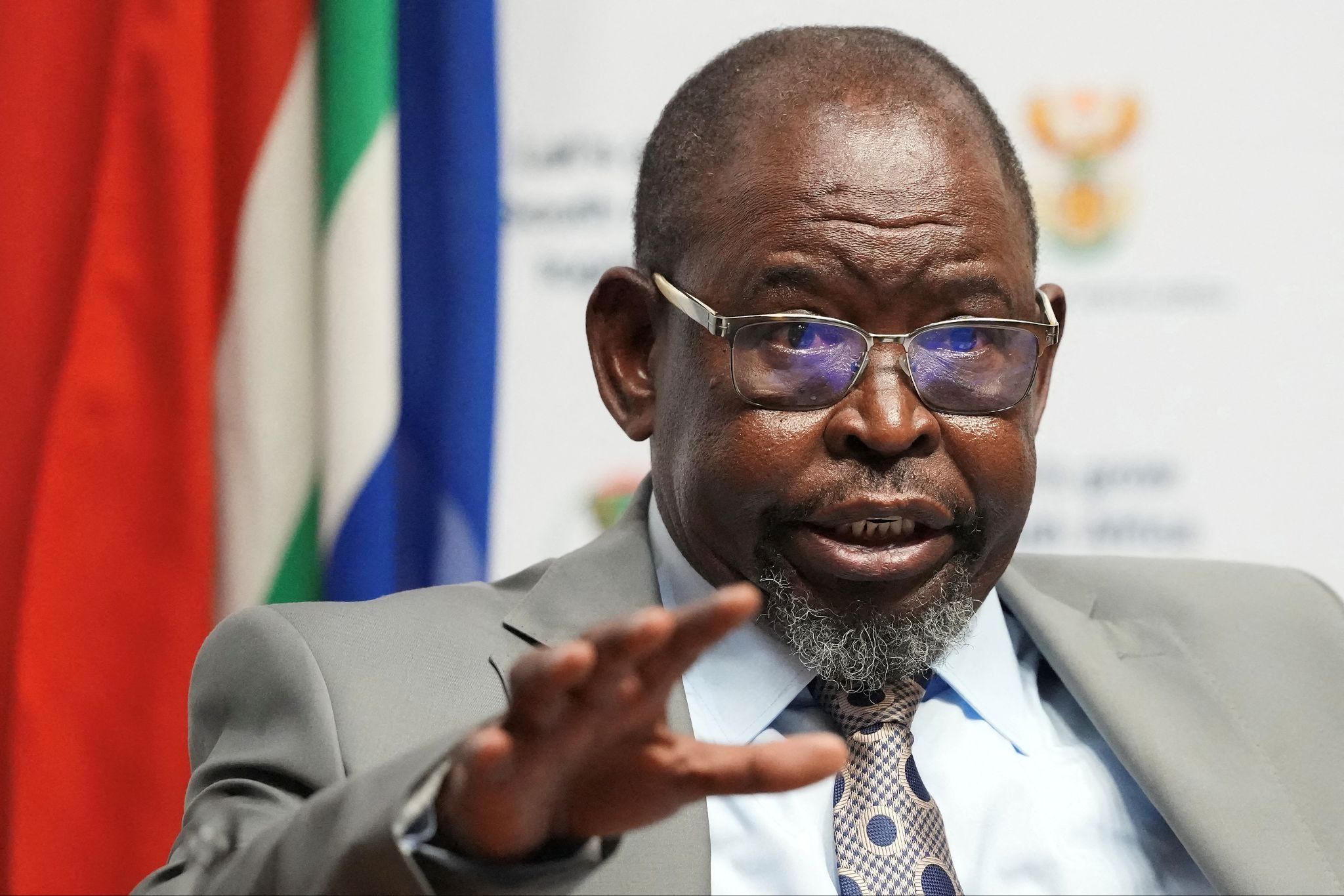
南非提出一项新的财政法,试图保护其公共财政免受未来民粹主义政府的影响,因为财政部目前的预测显示,债务将在近二十年来首次下降。财政部长伊诺克·戈东瓜纳将其描述为保护“来之不易的成果”,当时他的政党——自纳尔逊·曼德拉于1994年带领其取得胜利以来一直占据主导地位的非国大——在2024年选举后被迫组建联合政府,已不再能假定自己将继续执政。
The News South Africa has proposed a new fiscal law in an attempt to shield its public finances from future populist governments as the treasury’s current projections show debt is set to decline for the first time in nearly two decades. Finance Minister Enoch Godongwana framed it as protecting “hard-won gains” at a time when his party, the African National Congress, dominant since Nelson Mandela led it to victory in 1994, can no longer assume it will remain in charge after it was forced into building a coalition following the 2024 election.
根据随周三预算更新一同发布的草案,未来政府可以自行设定目标,例如债务与国内生产总值之比——这是评级机构关注的关键指标——但一个独立的议会监督机构将检查这些目标是否得到遵守。如果认定政府偏离了目标,当选官员将不得不解释其理由。与许多其他国家的法律不同,南非拟议的财政规则对债务或支出没有规定具体的数字上限;相反,它们将确立这样一个原则:政府应坚持其宣布的计划。
Under the draft measure released alongside Wednesday’s budget update, future governments could set their own targets such as debt-to-GDP ratio — a key measure watched by rating agencies — but an independent parliamentary oversight body would check if they were being adhered to. If it was decided that the government had deviated elected officials would have to explain their reasoning. Unlike laws in many other countries, South Africa’s prospective fiscal rules have no prescribed numerical ceiling on debt or spending; rather they would enshrine the principle that governments should keep to their announced plans.
在向议会发表的声明中,戈东瓜纳表示,政府债务在从2009年的约24%上升后,已稳定在约3660亿美元,即国内生产总值的78%。他告诉立法者,预算赤字将在未来三年内开始作为国内生产总值的比例下降。他还宣布了一项临时决定,提供第二轮燃油价格救助方案,耗资6亿美元——进一步帮助困苦的司机。
In his statement to parliament, Godongwana said that government debt stabilized at around $366 billion, or 78% of GDP, after rising from around 24% in 2009. He told lawmakers that the budget deficit would start to decline as a proportion of GDP over the next three years. He also announced a last-minute decision to offer a second fuel-price relief package costing $600 million — further help for struggling motorists.
经济学家表示,这些数字足以证明信用评级上调是合理的。花旗银行的吉娜·斯科曼表示,这家美国银行认为评级上调“可能”,但更可能发生在明年头六个月,而不是未来几周。
Economists say the numbers are good enough to warrant a credit rating upgrade. Gina Schoeman of Citi says the US bank sees a shift as “probable” but more likely to come in the first six months of next year rather than in the next few weeks.
南非最早在2025年3月提出了这一财政锚定的想法,当时财政部发布了一份讨论文件,提出了两种方案:设定一个数值目标,这是更传统的做法;或者采取一种将政府与其自身宣布的目标绑定在一起的方法。
Know More South Africa first floated the idea of this fiscal anchor in March 2025, when the treasury published a discussion paper that presented two options: The establishment of a numerical target, which is more conventional, or an approach that weds governments to their own announced goals.
哥东瓦纳的做法使他与国际货币基金组织(IMF)产生分歧,后者在今年早些时候辩称,一个“以审慎债务上限为锚定的财政规则”将增强南非的信誉。但尽管这一想法在非洲越来越流行,设定具体目标并不保证一定奏效。加纳和肯尼亚都未能达到财政目标,前者因2024年大选前的财政松动而偏离目标,后者则因收入不足、惩罚性的利息支付和反复出现的预算超支而陷入困境。
Godongwana’s approach puts him at odds with the IMF, which argued earlier this year that a “fiscal rule, anchored in a prudent debt ceiling” would bolster South Africa’s credibility. But while the idea is becoming more popular in Africa, there is no guarantee that setting a specific target works. Both Ghana and Kenya have missed fiscal targets with the former hit by pre-election slippages in 2024, and the latter suffering under revenue shortfalls, punishing interest payments, and repeated budget overruns.
蒂塞特索的观点 财政部试图通过让政客自我解释来锁定压缩开支的进展,这建立在一个乐观的前提上,即这种做法能让他们守规矩。拟议锚定机制的缺陷在于,南非的财政问题从来不缺解释。
Tiisetso’s view The treasury’s effort to lock in the progress in reining in spending rests on an optimistic premise that letting politicians explain themselves will keep them in line. The flaw in the proposed anchor is that South Africa’s fiscal problems have never been short of explanations.
自2009年金融危机以来,非洲最大经济体陷入支出狂潮,持续赤字、债台高筑,并给出了一大堆借口——从全球危机、增长乏力、国家被掌控到新冠疫情。这并不是说这些解释无效。但债务依然上升了,从2009年占GDP的24%增至去年的近80%。
Since the 2009 financial crisis, Africa’s biggest economy went on a spending frenzy, running deficits, racking up debt and offering a rich menu of excuses — ranging from global crises, sluggish growth, state capture and COVID-19. That is not to say these explanations were not valid. But debt rose anyway, from 24% of GDP in 2009 to nearly 80% last year.
草案法律要求未来政府披露、评估并解释。更糟糕的是,它要求每届政府的财政计划要“与选举授权保持一致”。这令人失望。首先,设想一场以民粹政策为竞选核心的选举,例如提高福利补助和公共部门大规模招聘。新上任的政府只需依据拟议措施,将这些雄心写入其财政计划。随后将出现一连串评级下调,债券市场投资者会要求更高的风险溢价,而在支出承诺已做出后,经济将遭受打击。
The draft law asks future governments to disclose, assess, and explain. Worse still, it requires each administration’s fiscal plan to be “consistent with the electoral mandate.”That’s disappointing. For one thing, imagine an election campaign fought on populist policies such as raising welfare grants and public sector hiring sprees. An incoming government would simply write those ambitions into its fiscal plan in keeping with the proposed measure. A cascade of ratings downgrades will follow, bond market investors would demand higher risk premiums and the economy would take a hit after spending commitments were already made.
诚然,当政治需要时,政府会弯曲或打破硬性的数字法律,加纳和肯尼亚即是如此。事实上,南非智库经济研究局对90个国家的研究显示,有一半国家违背了自己的债务上限规则。如果政客们可以抛弃硬性且可见的目标,为什么指望他们会受到一部只要求他们解释的法律的约束?
Granted, governments bend or break hard numerical laws when politics demand it, as is the case in Ghana and Kenya. In fact, a 90-country study by the Bureau for Economic Research, a South African think tank, shows half of the countries broke their own debt-ceiling rules. If politicians can toss out hard and visible targets, why would anyone expect them to feel constrained by a law that only asks them to explain?
存在分歧的空间 戈东瓦纳辩称,设定具体目标的劣势在于缺乏灵活性,且如果经济形势发生变化,需要明确的逃生条款,而他的提案考虑到了这一点。
Room for Disagreement Godongwana argued that the disadvantage with setting specific targets is that they lack flexibility and require well-defined escape clauses if economic circumstances change and his proposal takes that into account.
他对立法者表示:“最重要的是,它有助于确保发展优先事项和宪法义务以公共财政可承受的速度得以推进。”
“Most importantly, it helps to ensure that developmental priorities and constitutional obligations are pursued at a pace that public finances can sustain,” he told lawmakers.
Ashburton Investments固定收益策略师迈克尔·格罗布勒在《商业日报》撰文表达了相同观点,写道:“其吸引力在于灵活性。冲击不可避免,僵化的年度目标可能在低迷时期迫使实施有害的削减,或鼓励仅为达标而做出的决策。” 值得关注的肯尼亚 肯尼亚财政部预计将无法达到其具有法律约束力的2028年公共债务上限目标,债务占GDP比重将至少维持在55%以上直到2030年。
Michael Grobler, fixed-income strategist at Ashburton Investments, echoed this sentiment, writing in Business Day that “its appeal is flexibility. Shocks are inevitable, and a rigid annual target can force damaging cuts in a downturn or encourage decisions designed only to hit a number.”Notable Kenya’s treasury is projected to miss its legally binding 2028 public debt limit target, keeping debt above 55% of GDP until at least 2030.