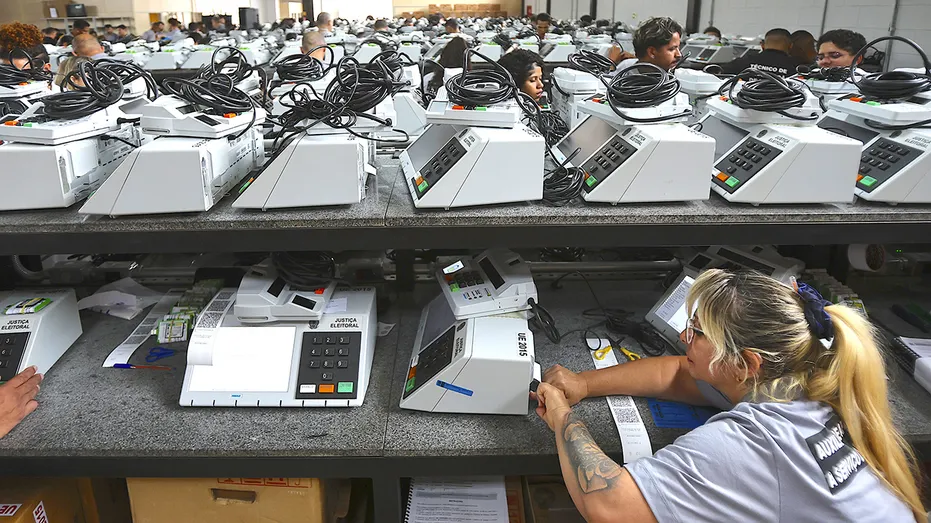
巴西圣保罗——约1.25亿巴西选民于10月4日使用不打印纸质选票的机器进行投票。投票结束不到四小时后,该国便知晓总统大选将进入第二轮,由保守派挑战者弗拉维奥·博索纳罗与左翼总统路易斯·伊纳西奥·卢拉·达席尔瓦角逐。
SAO PAULO, Brazil— About 125 million Brazilians voted Oct. 4 on machines that print no paper ballots. Less than four hours after polls closed, the country knew its presidential election was headed to a runoff between conservative challenger Flavio Bolsonaro and leftist President Luiz Inacio Lula da Silva.
这一流程已实施逾三十年,巴西人已习惯其速度、简便、准确与常规化。该系统经过严格审计,完全与互联网断开连接,是全球部署规模最大的数字化投票系统。
That process has been in place for over three decades, and Brazilians have become accustomed to its speed, simplicity, accuracy and routine. The system is robustly audited, completely disconnected from the Internet, and is the largest digital voting system deployed on the planet.
在美国中期选举前十一日,分析人士称,巴西的系统可为美国人提供一种更安全的投票方式。
Eleven days before the U.S. midterms, Brazil’s system, analysts say, could offer Americans a more secure way to vote.
该系统广受赞誉,亦见于唐纳德·特朗普总统2025年关于选举的行政令中,他在令中引用巴西的生物识别选民身份验证为例。然而,巴西的计票部分依赖总统誓言要废除的那种无纸化机器。
The system has been widely praised and was also mentioned in President Donald Trump’s 2025 executive order on elections, where he cited Brazil’s biometric voter identification as an example. Yet Brazil’s count runs partially on the kind of paperless machines that the president has vowed to scrap.
多年来,巴西将联邦、州和市政数据库整合为数字化选民登记册,选民身份、资格及唯一投票权均可(且通常必须)通过生物识别核验。近十分之九的选民以指纹解锁投票机。
Over the years, Brazil merged federal, state and municipal databases into a digital voting record, whereby voter identity, eligibility and single ability to vote can (and usually must) be verified biometrically. Nearly 9 in 10 voters unlock the machines with a fingerprint.
巴西最高选举法院(TSE)负责设计投票机并监督选举,称自1996年投入使用以来,未发生经证实的舞弊。10月4日使用的499,248台机器从未连接互联网。其软件在数字签名并公开封存前,向政党、大学和监督机构开放检查长达11个月。去年12月,巴西政府邀请创纪录的149名外部人员尝试攻破系统;评估人员得出结论,发现的任何问题均无法篡改结果或泄露任何人投票情况。
Brazil’s Superior Electoral Court, or TSE, which designs the machines and oversees elections, says there has been no proven fraud since their 1996 debut. The 499,248 machines used on Oct. 4 never connected to the internet. Their software was open to inspection by parties, universities and watchdogs for 11 months before being digitally signed and sealed in public. Last December, the Brazilian government invited a record 149 outsiders to try to break the system; evaluators concluded nothing they found could alter results or reveal how anyone voted.
选举日,随机抽取的机器在摄像头监督下输入纸质选票,联邦审计员与外国观察员在场监看并专门追踪结果。
On election day, randomly drawn machines are fed paper ballots on camera as federal auditors and foreign observers watch and specifically track results.
与此同时,投票结束时,每个投票站使用的每台机器都会打印出其计票结果,并连同一个二维码张贴在投票站门前,以便任何人都可以将其与全国计票结果进行核对。巴西最高选举法院(TSE)在给福克斯新闻数字版(Fox News Digital)的电子邮件中表示,每个文件的数字签名“确认该结果是由登记在该投票站的电子投票机产生的。”
Meanwhile, at closing, every machine used at every polling station prints its tally, which is then posted in front of the polling place with a QR code, so anyone can check it against the national count. In an email to Fox News Digital, TSE said each file’s digital signature "confirms that the result was produced by the electronic voting machine registered for that polling station."
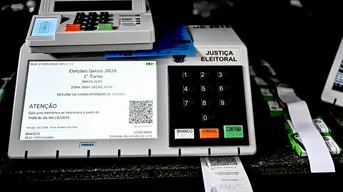
政治学家、巴西资本市场学院(IBMEC)教授卡里娜·斯特恩热·卡兰德林(Karina Stange Calandrin)表示,该系统结合了三种很少同时具备的特点:投票是电子化的,与选民资格关联的投票经过哈希处理后存储在机器本地,计票过程是自动化的。
Karina Stange Calandrin, a political scientist and professor at Instituto Brasileiro de Mercado de Capitais (IBMEC), says the system combines three traits rarely found together: voting is electronic, votes hashed to voter eligibility are stored locally in the machine and tallying is automated.
她说:“这是一个极其安全可靠的系统。这些机器从不连接互联网,甚至用于将计票结果传输给最高选举法院的中央数据库系统,也必须与每台单独机器在本地物理打印出的结果相匹配,且无人为干预。”她补充道,要破坏该系统,需要破坏每台机器的封条并安装与最高选举法院版本不匹配的软件,这会自动使其计票结果失效——这种规模的串谋“根本不可能不被发现”。
"It is an extremely secure and safe system. The machines never connect to the Internet and even the central database system used to transmit tallied votes to TSE must match results issued physically and locally by each individual machine without human interference," she said. Corrupting it, she added, would require breaking the seal of each machine and installing software that wouldn’t match the TSE’s version, automatically disqualifying its tally — a scale of collusion so large that it "simply could not pass undetected."
这些机器在2022年经受住了最严峻的政治考验,当时前总统雅伊尔·博尔索纳罗(Jair Bolsonaro)现因密谋推翻其2022年大选失败结果而服27年刑,他花费数年时间在没有证据的情况下攻击这些机器的可信度。博尔索纳罗目前正在软禁中服刑。
The machines passed their toughest political test in 2022, when former President Jair Bolsonaro, now serving a 27-year sentence for plotting to overturn his 2022 defeat, spent years attacking their credibility without evidence. Bolsonaro is presently serving time under house arrest.

今年,首位由博尔索纳罗任命的大法官卡西奥·努内斯·马尔克斯(Kassio Nunes Marques)掌管最高选举法院。博尔索纳罗的长子、参议员弗拉维奥·博尔索纳罗(Flávio Bolsonaro)以47%的得票率领先,总统路易斯·伊纳西奥·卢拉·达席尔瓦(Luiz Inácio Lula da Silva)获得45%。曾处于老博尔索纳罗争议中心的这些机器,或许最终会将胜利交给他的儿子。
This year, for the first time, a Bolsonaro appointee ran the TSE: Justice Kassio Nunes Marques. Bolsonaro’s eldest son, Sen. Flávio Bolsonaro, finished first with 47% to President Luiz Inácio Lula da Silva’s 45%. The machines at the center of the senior Bolsonaro’s controversy may yet hand victory to his son.
e-stategiapublica首席执行官弗洛伦西亚·费雷尔曾在17个国家审计过选举,她毫不怀疑巴西的系统是世界上最现代、最安全的。“在印度投票是电子化的,但每位选民都会拿到一份打印版的选票带回家,这削弱了选民安全并增加了胁迫率,”她说,并补充道,爱沙尼亚的互联网投票和菲律宾的电子计票纸质选票也各自存在风险。
Florencia Ferrer, CEO of e-stategiapublica, which has audited elections in 17 countries, has no doubt the Brazilian system is the most modern and secure in the world. "In India votes are electronic, but each voter gets a printed version of their vote to take home, which weakens voter safety and augments coercion rates," she says, adding that Estonia’s internet voting and the Philippines’ electronically tallied paper ballots carry their own risks.
一位圣保罗大学理工学院的工程师曾于2014年审计过这些机器,因工作性质敏感而拒绝透露姓名,他表示赞同。“虽然没有任何系统是完全万无一失的……但我们未发现任何篡改、不当行为或恶意意图的痕迹,”他对福克斯新闻数字版表示。
An engineer from the University of São Paulo’s Polytechnic School who audited the machines in 2014, and declined to be named due to the sensitive nature of his work, agreed. "While no system is completely infallible... we have found no traces of tampering, wrong-doing or malicious intent," he told Fox News Digital.
尽管如此,仍有人主张加强审查。安全研究人员称,清白记录并非充分证明,卡特中心表示,选民至少应能看到一份打印版的选票被存入机器的单独区域;否则,结果的完整性仅依赖软件。德国最高法院2009年裁定,选民必须能在无需专家帮助的情况下核对选票,实际上禁止了类似巴西的系统。
Still, some defend higher scrutiny. Security researchers say a clean record is not proof enough, and the Carter Center said voters should at least see a printed version of their ballot deposited into a separate area of the machine; otherwise, results integrity rests on software alone. Germany’s top court ruled in 2009 that voters must be able to check their ballot without expert help, effectively barring a Brazilian-like system.

巴西的投票机主要以借用形式提供给拉丁美洲、非洲和亚洲的国家。巴拉圭于2006年永久采用了该系统,其机器现在会打印每一张选票。
Brazil’s machine has traveled mostly on loan to countries in Latin America, Africa and Asia. Paraguay adopted it permanently in 2006, with machines that now print each individual vote.
“显而易见,无论在技术还是安全方面,华盛顿和美国其他地区在投票日投票方面都远远落后,”费雷尔说。美国选举由成千上万个地方管辖区在50套州规则下运行,2024年约30%的选票通过邮寄方式投出,处理速度较慢。巴西拥有一个全国性的选举机构、强制投票制度,且没有邮寄选票。
"It’s obvious Washington and the remainder of the U.S. are way behind both technology as well as security when it comes to polling on voting day," Ferrer said. U.S. elections are run in thousands of local jurisdictions under 50 sets of state rules and about 30% of 2024 ballots came by mail, which is slower to process. Brazil has one national election authority, compulsory voting and no mail-in ballots.
巴西人将于即将到来的周日(10月25日)投票。预计胜者将在五小时内被确认并认证。
Brazilians will vote this coming Sunday on Oct. 25. The winner is expected to be known and certified in under five hours.
费雷尔说:“问题不在于巴西是否发明了一台完美的投票机。没有任何投票系统是完美的。而在于民主国家能否将数字计票的速度和一致性,与独立核查、公众监督以及政治光谱各方公民都有理由信任的规则结合起来。”
"The question is not whether Brazil has invented a perfect voting machine. No voting system is perfect. It is whether democracies can combine the speed and consistency of digital tabulation with independent verification, public scrutiny and rules that citizens across the political spectrum have reason to trust," Ferrer said.