
巴西圣保罗——据估计,在巴西大选中,有3340万选民未投出选票,弃权率创数十年来新高。他们将如何影响决选?
An estimated 33.4 million voters did not cast a ballot in Brazil's general election, the highest rate in decades. How might they affect the run-off?
巴西圣保罗——2014年,拉里萨·坎佩洛首次参加巴西总统大选投票,她投给了中右翼参议员阿埃西奥·内韦斯。四年后的下一场总统大选中,她支持了中左翼候选人、圣保罗前市长费尔南多·阿达德。
Sao Paulo, Brazil – The first time she voted in a Brazilian presidential election, in 2014, Larissa Campelo voted for centre-right Senator Aecio Neves. Four years later, in the next presidential race, she supported a centre-left candidate, former Sao Paulo Mayor Fernando Haddad.
但在预计将是巴西历史上最胶着的总统决选之一即将到来之际,这位30岁、有一个孩子的母亲决定对政治彻底失望。
But ahead of what is expected to be one of Brazil’s tightest presidential run-offs ever, the 30-year-old mother of one has decided she has had enough with politics.
她将在周日的投票中弃权,正如她在10月4日的首轮选举中所做的那样。
She is abstaining from the vote on Sunday, just as she did during the first round of the election on October 4.
投票对大多数巴西成年人来说是强制性的。但坎佩洛属于今年总统大选中弃权的历史性庞大选民群体的一部分。
Voting is compulsory for most Brazilian adults. But Campelo is part of a historically large chunk of the electorate sitting out this year's presidential race.
约3340万巴西成年人在首轮投票中未现身投票,导致弃权率达到21%,这是自1998年以来大选中的最高弃权率。
Some 33.4 million Brazilian adults did not show up to vote in the first round, resulting in a 21 percent abstention rate, the highest for a general election since 1998.
“这是我的抗议方式。我不想用这些候选人弄脏我的手,”居住在圣保罗州阿拉拉夸拉市的坎佩洛说。
“It’s my form of protest. I don’t want to dirty my hands with these candidates,” said Campelo, who lives in the Sao Paulo city of Araraquara.
“这不是冷漠。这是因为我觉得没有任何人有足够资格赢得我的选票。”但在周日的决选中,争取像坎佩洛这样的弃权选民可能成为通往胜利的途径。最终投票由两位在巴西政坛广为人知的总统候选人角逐。
“This isn’t apathy. It’s because I don’t feel there’s anyone qualified enough to earn my vote.”But appealing to abstaining voters like Campelo may prove to be a path to victory in Sunday's run-off. The final vote features two presidential candidates well known in Brazil's political establishment.
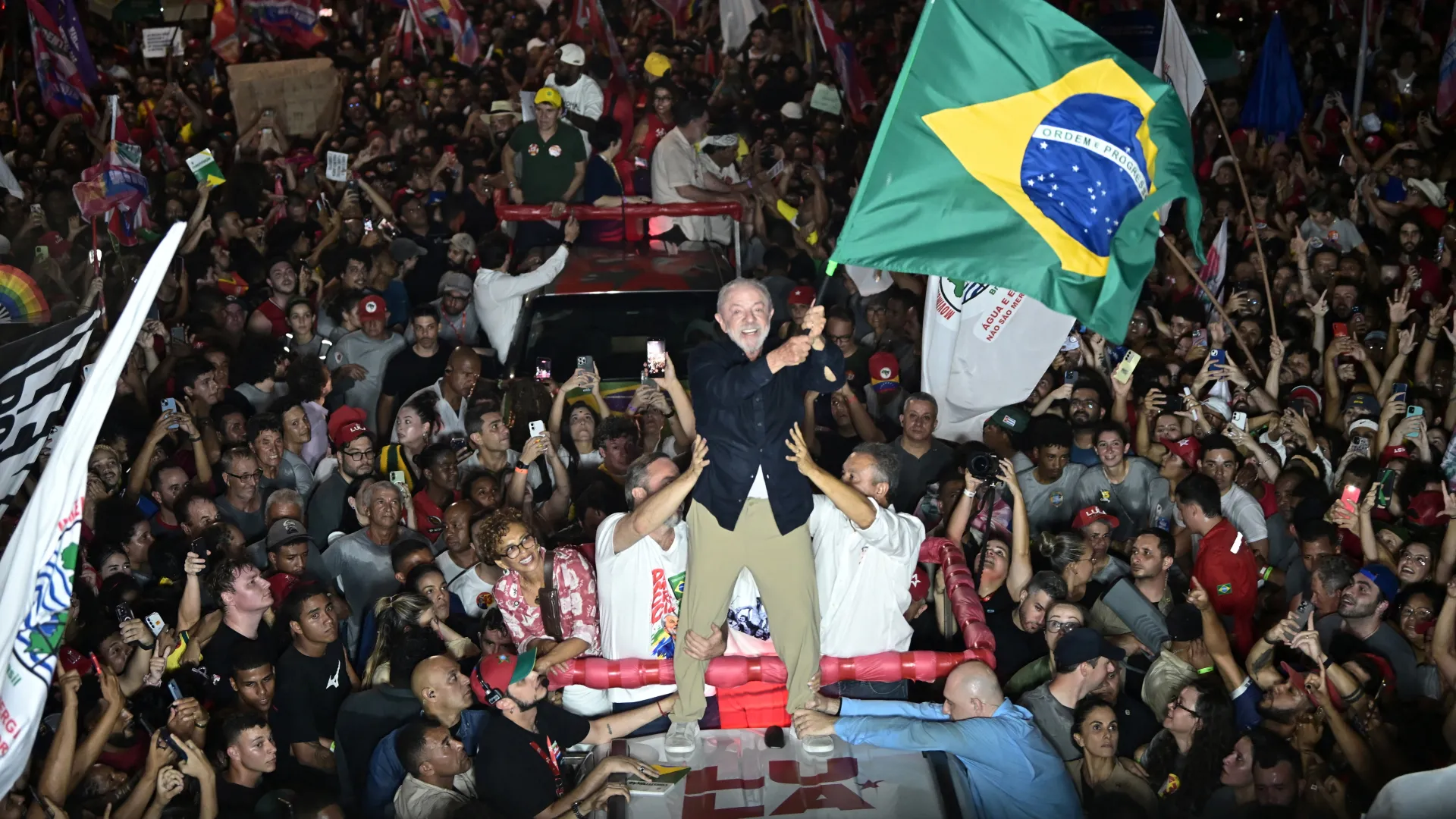
左翼竞争者路易斯·伊纳西奥·卢拉·达席尔瓦是现任总统,正在寻求前所未有的第四个非连续任期。
The left-wing contender, Luiz Inacio Lula da Silva, is the incumbent president, seeking an unprecedented fourth, non-consecutive term in office.

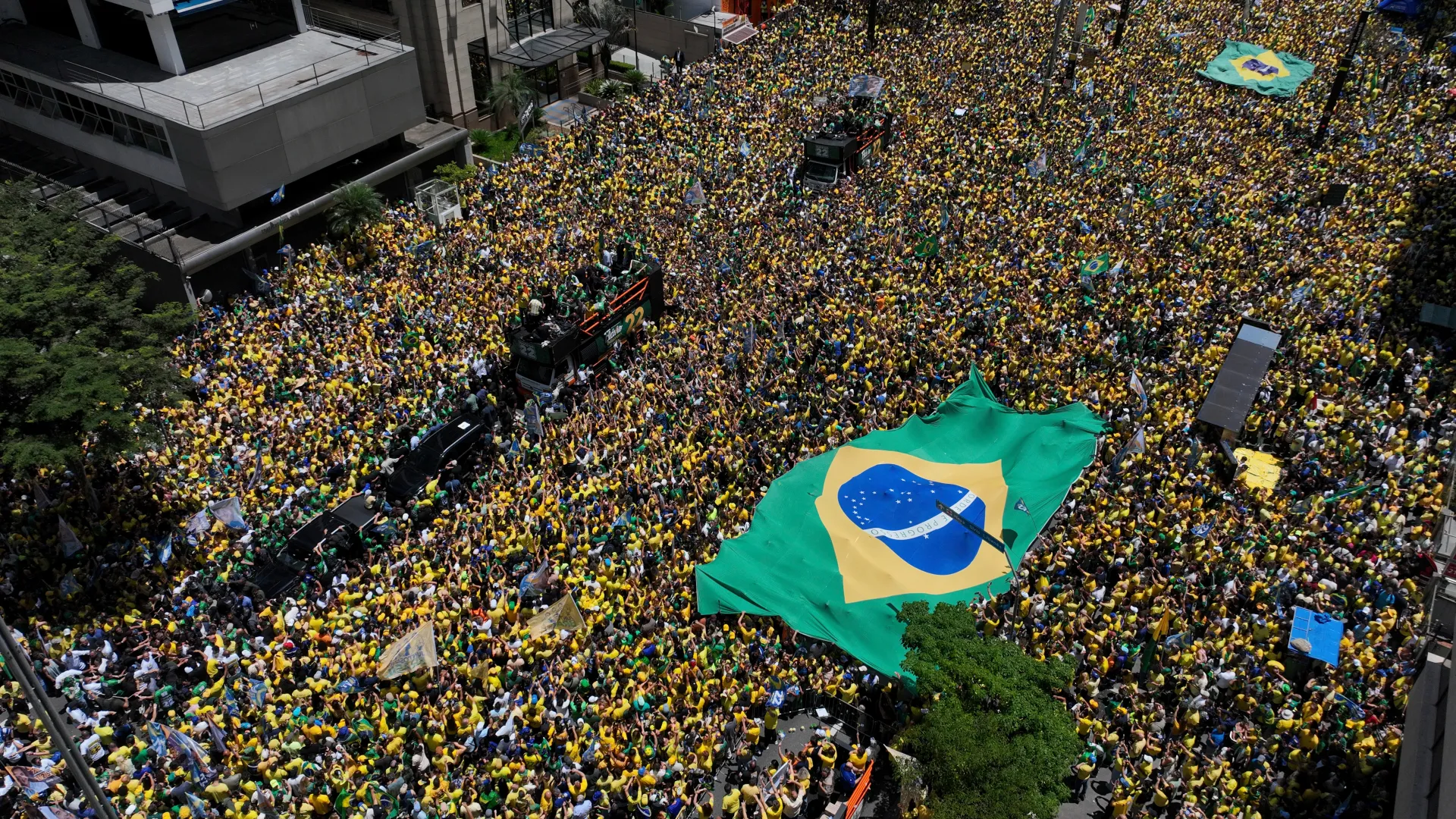
他的对手、参议员弗拉维奥·博索纳罗是一个极右翼政治王朝的成员,希望追随其父、已入狱的前总统雅伊尔·博索纳罗的脚步。
His rival, Senator Flavio Bolsonaro, is a member of a far-right political dynasty, hoping to follow in the footsteps of his father, imprisoned former President Jair Bolsonaro.
在首轮投票中,博索纳罗获得了47%的有效选票,超过了卢拉的45%。在超过1.587亿登记选民中,仅有220万张选票将他们分开。
In the first round of voting, Bolsonaro won 47 percent of votes cast, surpassing Lula’s 45 percent. Just 2.2 million ballots separated them, out of more than 158.7 million registered voters.
最后一轮投票预计将更加胶着。研究机构Quaest周三发布的一项民调显示,两位候选人处于统计学意义上的平局。
The final round is set to be even tighter. The research firm Quaest published a poll on Wednesday that showed the two candidates in a statistical deadlock.
博尔索纳罗获得了50.5%的受访者支持,远在卢拉49.5%支持率的误差范围之内。
Bolsonaro earned 50.5 percent of respondents' support, well within the margin of error for Lula's 49.5 percent.
但专家表示,巴西政治内部的两极分化造就了一群不愿为卢拉或博尔索纳罗投上一票的选民。
But experts say polarisation within Brazilian politics has created a population of voters unwilling to cast a ballot for either Lula or Bolsonaro.
在Quaest的民调中,52%的受访者表示永远不会投票给博尔索纳罗。
In the Quaest poll, 52 percent of respondents said they would never vote for Bolsonaro.
约47%的人对卢拉持同样态度,尽管民调机构指出,总统的拒绝率在一周内下降了六个百分点,这对现任总统来说是一个积极信号。
Some 47 percent said the same for Lula, although the pollster noted that the president’s rejection rate had fallen six points in a week, in a promising sign for the incumbent.
独立研究非营利组织“民主监察研究所”主任若昂·吉列尔梅·巴斯托斯·多斯桑托斯解释说,两极分化加剧了公众对政治的疏离感。
Joao Guilherme Bastos dos Santos, a director at the Democracy in Check Institute, an independent research nonprofit, explained that polarisation reinforces the public's disengagement with politics.
多斯桑托斯指出,在一个严重分裂的政治版图中,选民行为往往会发生变化。
In a deeply divided political landscape, dos Santos pointed out that voter behaviour often changes.
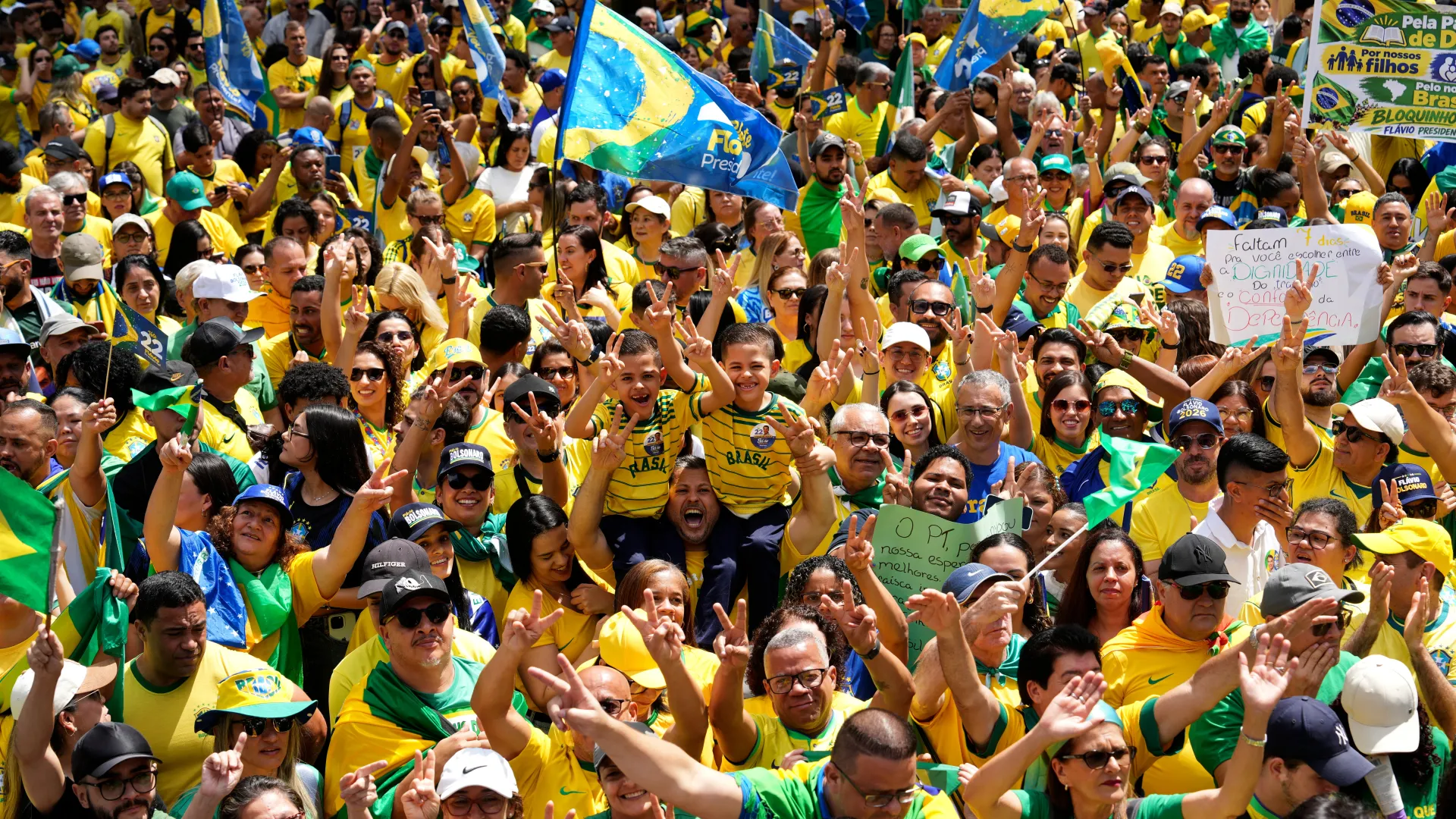
选民可能会因恐惧而受到激励。反过来,他们更有可能出于反对某位候选人而投票,而非出于支持某位候选人。
Voters can become motivated by fear. In turn, they are more likely to vote in opposition to a candidate than in support of one.
“这造成了深深的疲惫感,”多斯桑托斯说。“争斗似乎毫无结果。”圣保罗的母亲坎佩洛也表达了同样的疲惫感。她决定在周日的选举中留在家中不投票,部分原因是对巴西极度对抗性的政治文化的排斥。
"That creates profound exhaustion," dos Santos said. "The fighting seems to go nowhere." Campelo, the mother in Sao Paulo, echoed that sense of exhaustion. Her decision to stay home during Sunday's election was motivated in part by her rejection of Brazil's deeply antagonistic political culture.
“巴西的政治变得像支持足球队一样,”她说。“政客们做错事,人们还在为他们辩护。这毫无道理。”在接受半岛电视台采访的那天早上,坎佩洛说,她丈夫的家人在WhatsApp群里因卢拉吵了起来。“人们开始认定‘自家’的政客了,”她调侃道。
"Politics in Brazil has become like supporting a football team," she said. "Politicians do things wrong, and people keep defending them. It makes no sense." The morning of her interview with Al Jazeera, Campelo said her husband's family broke into an argument over Lula on their WhatsApp group. "People are adopting their own pet politicians," she quipped.
据专家称,像坎佩洛这样的弃权选民群体构成多样,他们避开投票箱的理由可能截然不同。
Abstaining voters like Campelo are a diverse group, according to experts. Their reasons for dodging the ballot box can vary dramatically.
里约热内卢联邦大学政治学家马伊拉·古拉尔特表示,主动拒绝卢拉和博索纳罗的人可能只是巴西弃权者中的少数。
Mayra Goulart, a political scientist at the Federal University of Rio de Janeiro, said that those who actively reject Lula and Bolsonaro may only be a minority of Brazil’s abstainers.
许多人可能仅仅是对政治不感兴趣。她解释说:“生活已经够难了,他们没有精力、时间和资源去关注政治。”
Many could be merely uninterested in politics. "Life is difficult enough that they don't have the headspace, time or resources to devote to politics," she explained.
里约热内卢州立联邦大学政治学教授卢西亚娜·韦加也指出,巴西的弃权者不仅仅是一群等待被争取的失望选民。
Luciana Veiga, a political science professor at the Federal University of the State of Rio de Janeiro, also pointed out that Brazil’s abstainers are not merely a bloc of disillusioned voters waiting to be won over.
他们可能有现实考量而无法投票。韦加说:“我们不能说弃权仅仅是对投票的政治‘不’。”
They may have practical considerations that prevent them from casting a ballot. “We cannot say that abstention is simply a political 'no' to voting," Veiga said.
她指出,弃权往往发生在迁居外地却未转移选民登记的人群中,以及在选举日有工作或家庭照料义务的人群中。还有一些身处偏远地区的选民难以到达遥远的投票站。
Abstention, she noted, often occurs among people who move cities without transferring their voter registration, as well as those who have work or family care duties on election day. There are also some voters in isolated areas who struggle to reach distant polling stations.
此外,投票对16至17岁青少年、70岁及以上老人以及文盲是自愿的。
In addition, voting is optional for 16- and 17-year-olds, people aged 70 or older, and those who cannot read or write.
韦加解释说:“在巴西约1.587亿选民中,大约2100万人没有法律义务去投票。”
"Of Brazil's electorate of [158.7] million people, around 21 million are not legally required to vote," Veiga explained.
不投票的处罚通常很轻。无正当理由缺席者面临最高3.51巴西雷亚尔的罚款——不到1美元——且连续三次缺席选举后选民登记可能被注销。
The penalty for failing to vote is often minor. Without justification for their absence, voters face a fine of up to 3.51 Brazilian reais — less than a dollar — and can have their registrations cancelled after three missed elections in a row.
在缴清罚款前,公民无法办理或更新护照等身份证件,也无法参加公务员招聘考试。
Until these fines are paid, citizens are unable to obtain or renew passports and other ID documents, nor can they take part in the selection process for civil service jobs.
鉴于候选人得票率差距极小,双方竞选团队都希望在周日的决战前争取首轮弃权者。
With such a slim margin between the candidates, both campaigns are hoping to court the first-round abstainers ahead of Sunday’s showdown.
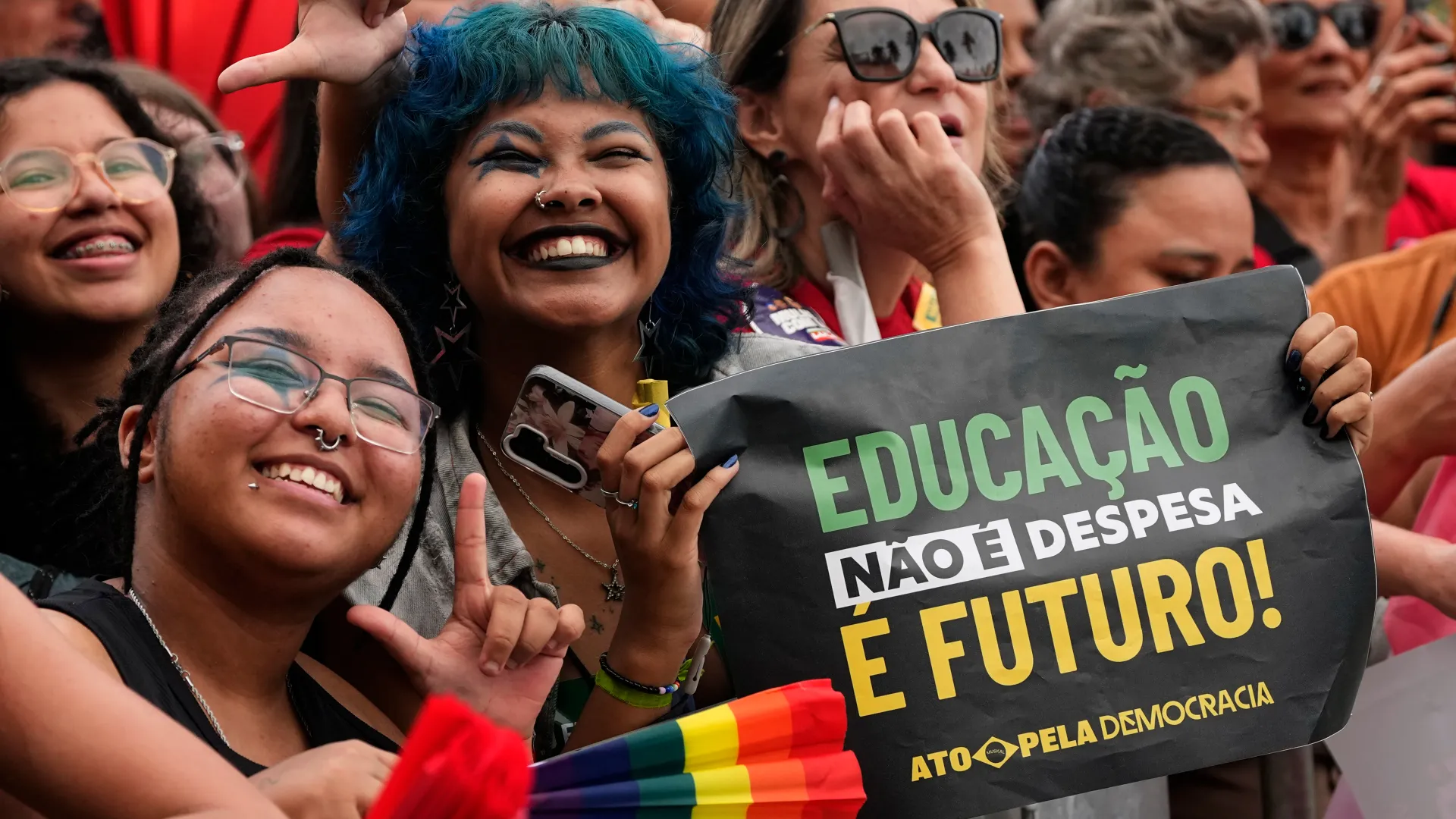
首轮投票以来几周内,博索纳罗承诺推出新的减税措施以助推经济。
In the weeks since the first vote, Bolsonaro has promised new tax breaks to help boost the economy.
他的竞选纲领核心之一是承诺解决其父亲的法律困境:雅伊尔·博尔索纳罗目前因政变阴谋罪名成立,正在服27年监禁。与此同时,卢拉将降低弃权率作为其第二轮竞选的核心重点。
A central part of his platform is a pledge to address his father's legal predicament: Jair Bolsonaro is currently serving a 27-year prison sentence following his conviction over a coup plot. Lula, meanwhile, has made reducing abstention a central part of his second-round push.
首轮投票结束后,他的竞选团队重点宣传卢拉终结巴西六天工作制的努力,并推出了周末免费公共交通和小微企业家债务减免等提案。
After round one, his campaign has highlighted Lula's work to end Brazil’s six-day workweek and unveiled proposals for free public transport on weekends and debt relief for small-scale entrepreneurs.
戈拉尔表示,这些措施“对那些对政治不感兴趣的人,比对那些拒绝候选人的人影响大得多”。
Goulart said that these measures "have much more of an effect on those who are uninterested in politics than on those who reject the candidates".
然而,首轮投票似乎让博尔索纳罗占据了优势。他不仅获得了最多选票,而且许多被淘汰的候选人都是他的右翼竞争对手。
The first round, however, seemed to hand Bolsonaro an advantage. Not only did he secure the largest number of votes, but many of the candidates who were eliminated were his right-wing competitors.
一些专家预测,投给这些候选人的近8%选民将在决选中转投博尔索纳罗阵营。
Some experts predict that the nearly 8 percent who voted for those candidates will migrate to Bolsonaro's camp in the final round.
博尔索纳罗在历史先例方面也占优。巴西在恢复民主后,于1989年开始举行总统直接选举。自那时以来,从未有在首轮投票中落后的候选人在第二轮中获胜。
Bolsonaro also has historical precedent on his side. Brazil began holding direct elections for president in 1989, after its return to democracy. Since that time, no candidate who trailed in the first round of voting has ever won in the second round.
但戈拉尔警告不要把先例当作命运。“历史观察并非因果关系,”她说。
But Goulart warns against treating precedent as destiny. “A historical observation is not a causal relationship," she said.
她还指出,选民的行为可能难以预测。周三的Quaest民调显示,首轮支持被淘汰候选人的选民并未一致涌向博尔索纳罗。
She also pointed out that voters may act in unpredictable ways. Wednesday's Quaest poll suggests those who backed eliminated candidates in the first round have not uniformly flocked to Bolsonaro.
虽然这位参议员吸引了该部分43%的支持,但Quaest发现,37%倾向于卢拉——这是一种比最初预期更均衡的重新分配。
While the senator has attracted 43 percent of that support, Quaest found that 37 percent were leaning towards Lula — a more balanced redistribution than initially expected.
Quaest的结果还表明,卢拉在首轮弃权或投白票的选民中可能占优。
Quaest's results also indicate Lula may have an advantage among voters who abstained in the first round or left their ballot blank.
在这些受访者中,40%在民调中支持卢拉,而支持博尔索纳罗的为36%。
Forty percent of those respondents supported Lula in the poll, compared with 36 percent for Bolsonaro.
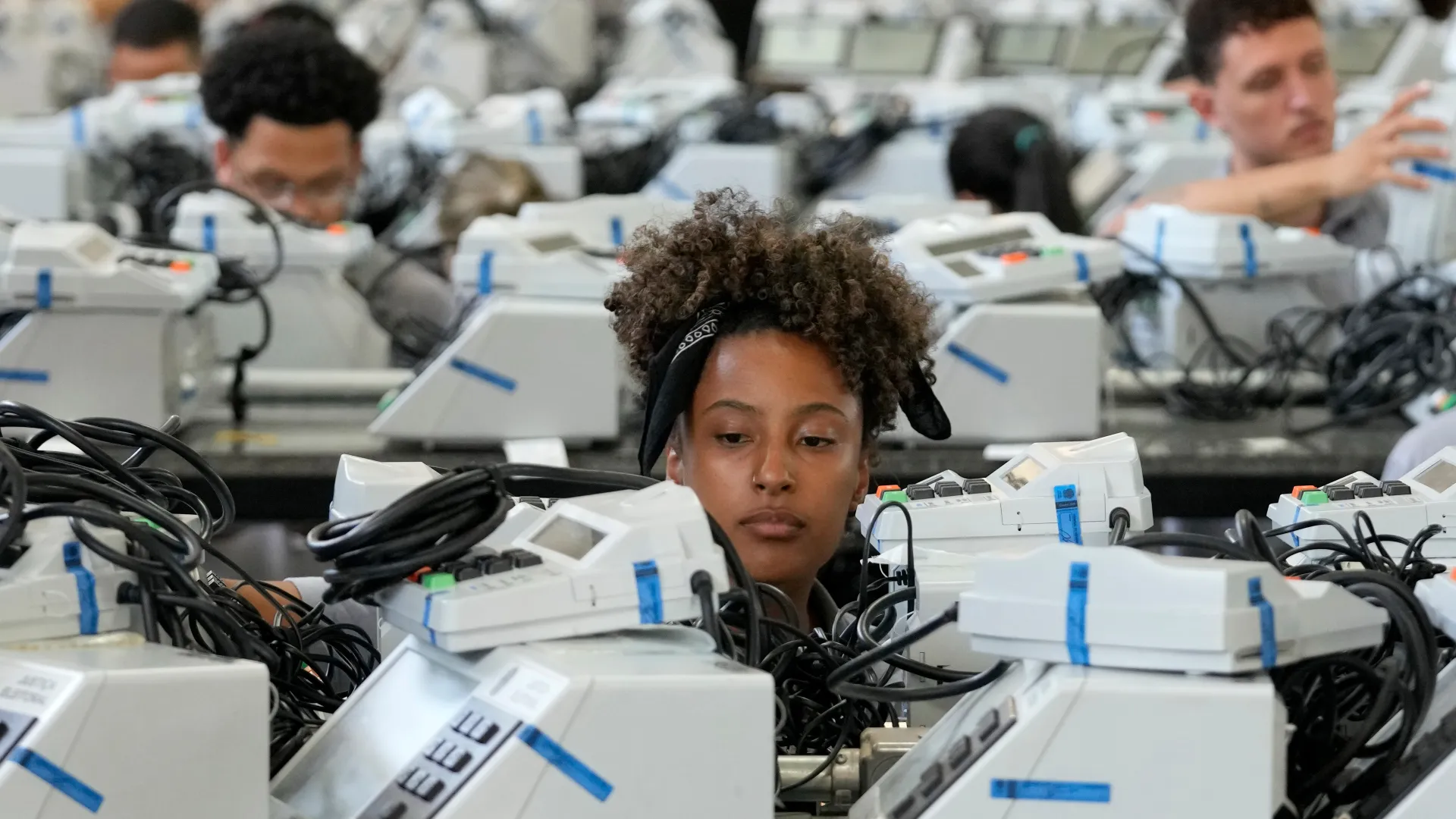
虽然民调数字不能保证结果,但专家表示,在如此胶着的竞争中,选民参与率哪怕出现微小波动也可能起决定性作用。
While poll numbers do not guarantee results, even modest fluctuations in voter participation could be decisive in such a narrow race, according to experts.
政治学教授韦加认为,一些最关键的数据将是各候选人基本盘所在地区的选民投票率。
Veiga, the political science professor, believes some of the most crucial statistics will be voter participation rates in regions where each candidate has a strong base.
卢拉在东北部拥有左翼大本营,而博尔索纳罗在南部和东南部拥有强大支持基础。
Lula has a left-wing stronghold in the northeast, while Bolsonaro boasts strong backing in the south and southeast.
韦加说:“要看投票率是否在任一候选人的基本盘中下降。任何微小的变动都会产生影响。”
"Look at whether turnout falls in either candidate's bases," Veiga said. "Any small movement makes a difference."