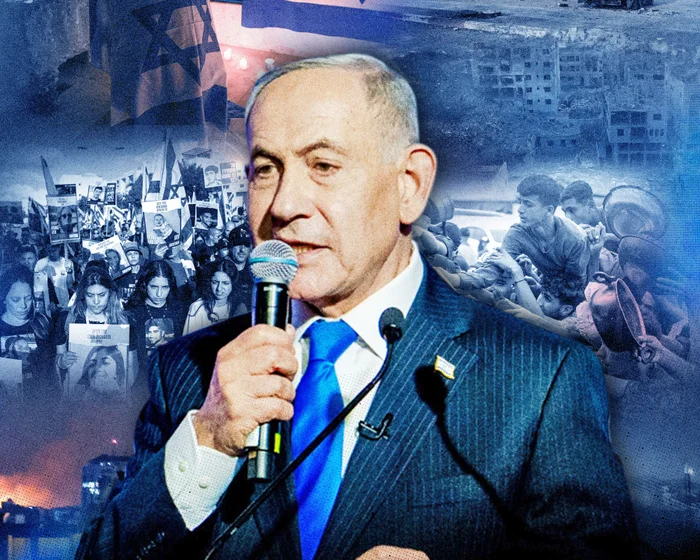
总理定义并主导了本国政治三十年,在周二大选前将对手置于守势。
The prime minister has defined and dominated his country’s politics for three decades and is putting his rivals on the defensive before Tuesday’s general election They chant his name, they cheer and clap – and yet he is not the most dominant person in the room.
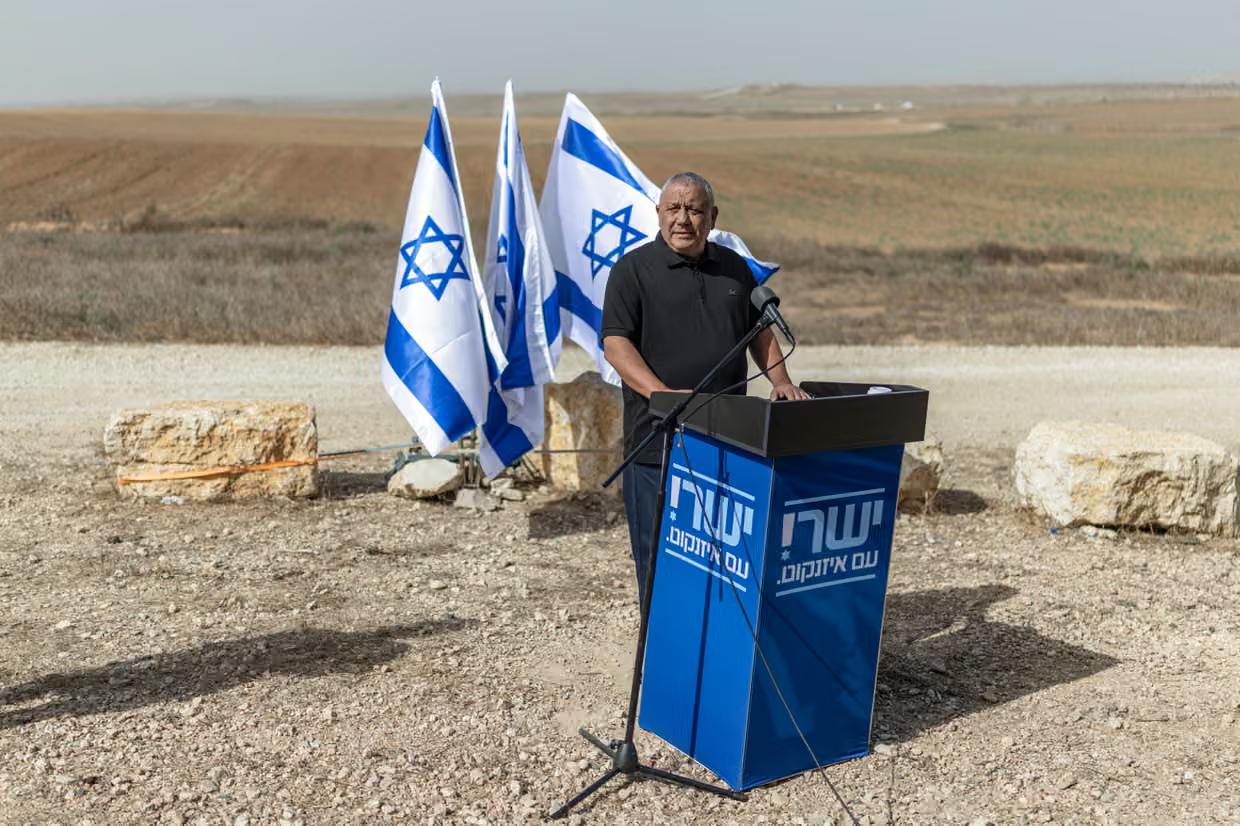
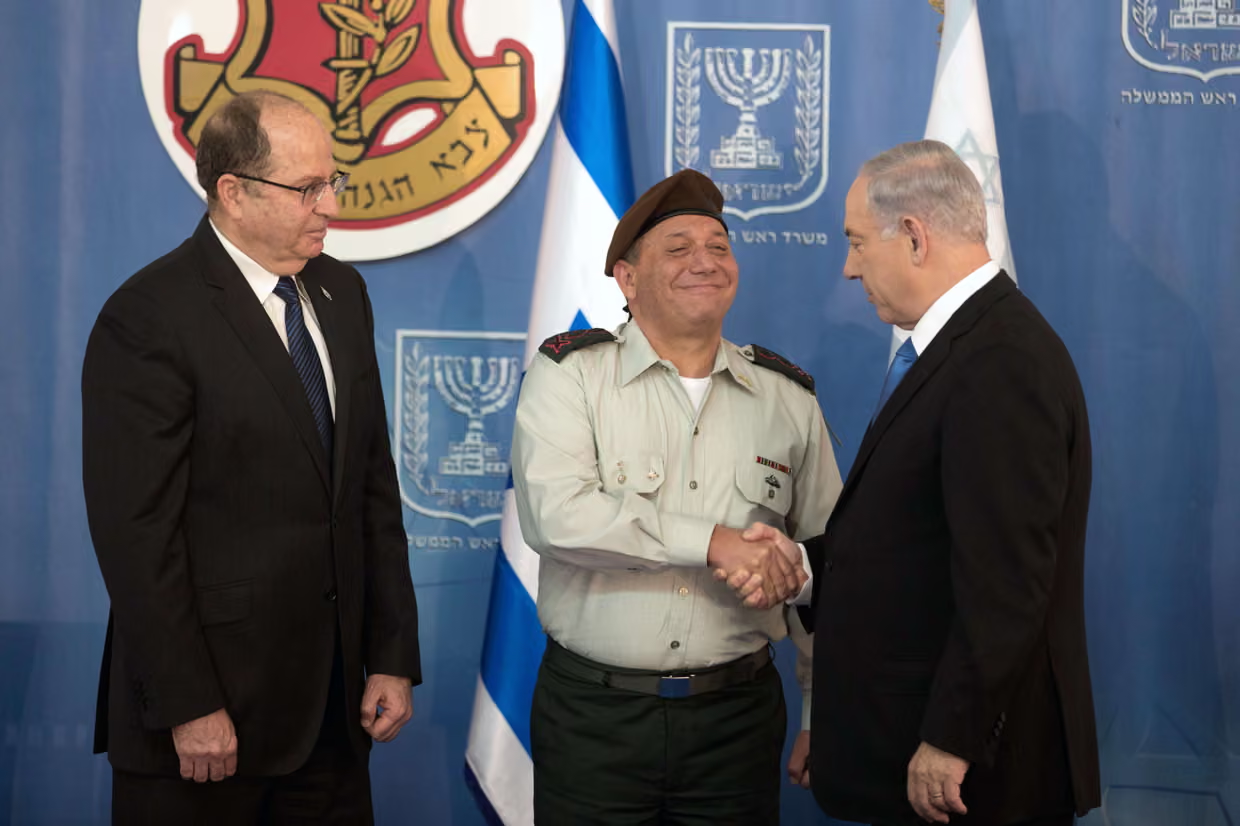
他们高呼他的名字,欢呼鼓掌——然而他并非现场最具统治力的人。在前来聆听加迪·艾森科特演讲的群众头顶上空,笼罩着一个不在场的男子。这位男子正是艾森科特在周二以色列大选中寻求取代的总理,三十年前首次担任该职,并在过去30年中断断续续执掌了19年。他就是本雅明·内塔尼亚胡。
Looming over the crowd that has gathered to hear Gadi Eisenkot, the former general who is the lead opposition challenger in Tuesday’s Israeli election, is a man who is not there. It is the man Eisenkot seeks to replace as prime minister, the man who first served in that role three decades ago and who has held it, on and off, for 19 of the past 30 years. It is Benjamin Netanyahu.
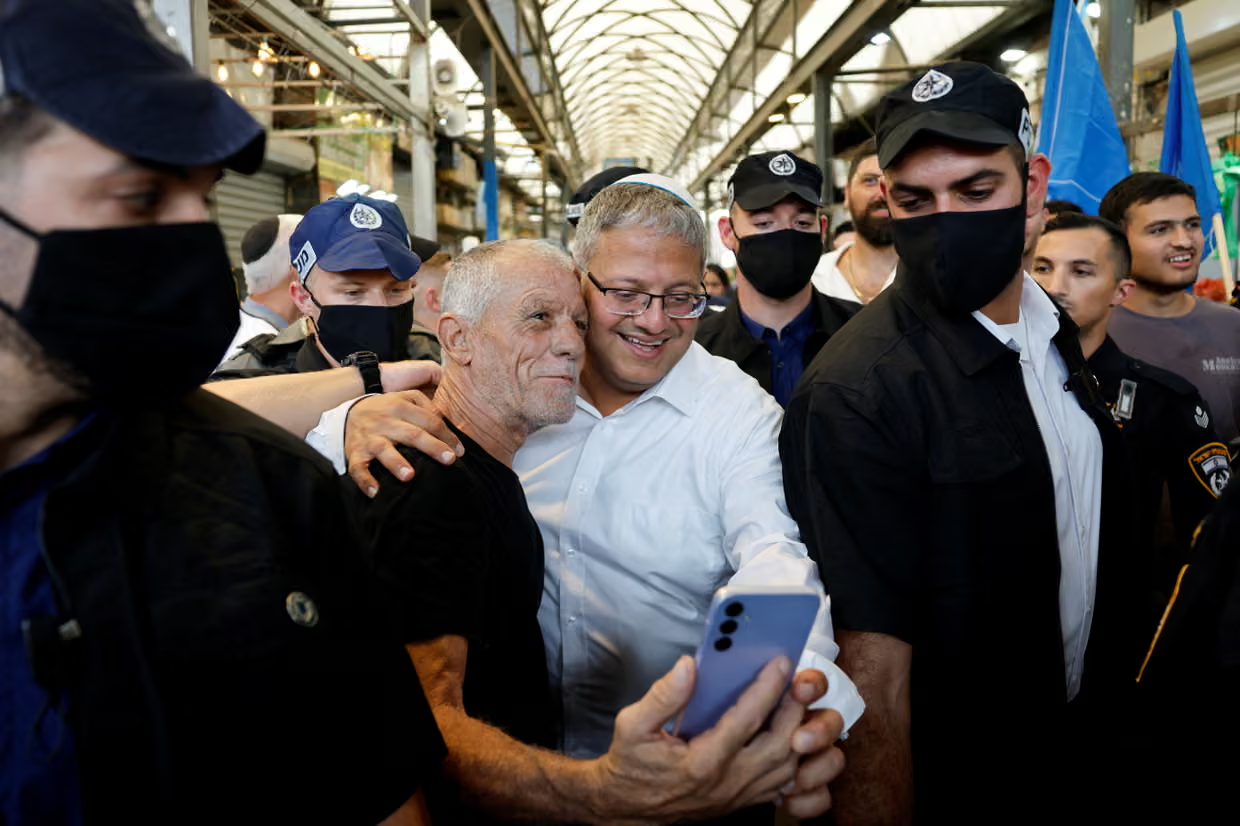
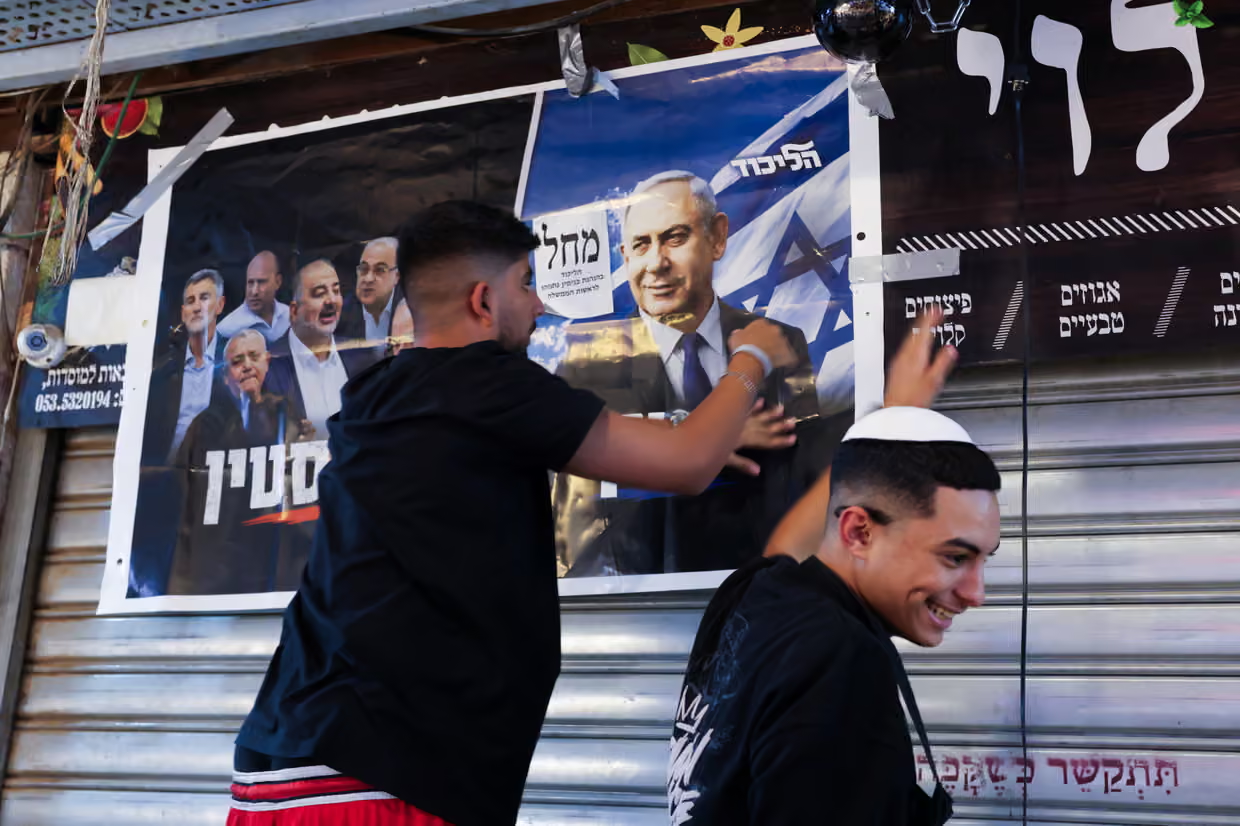
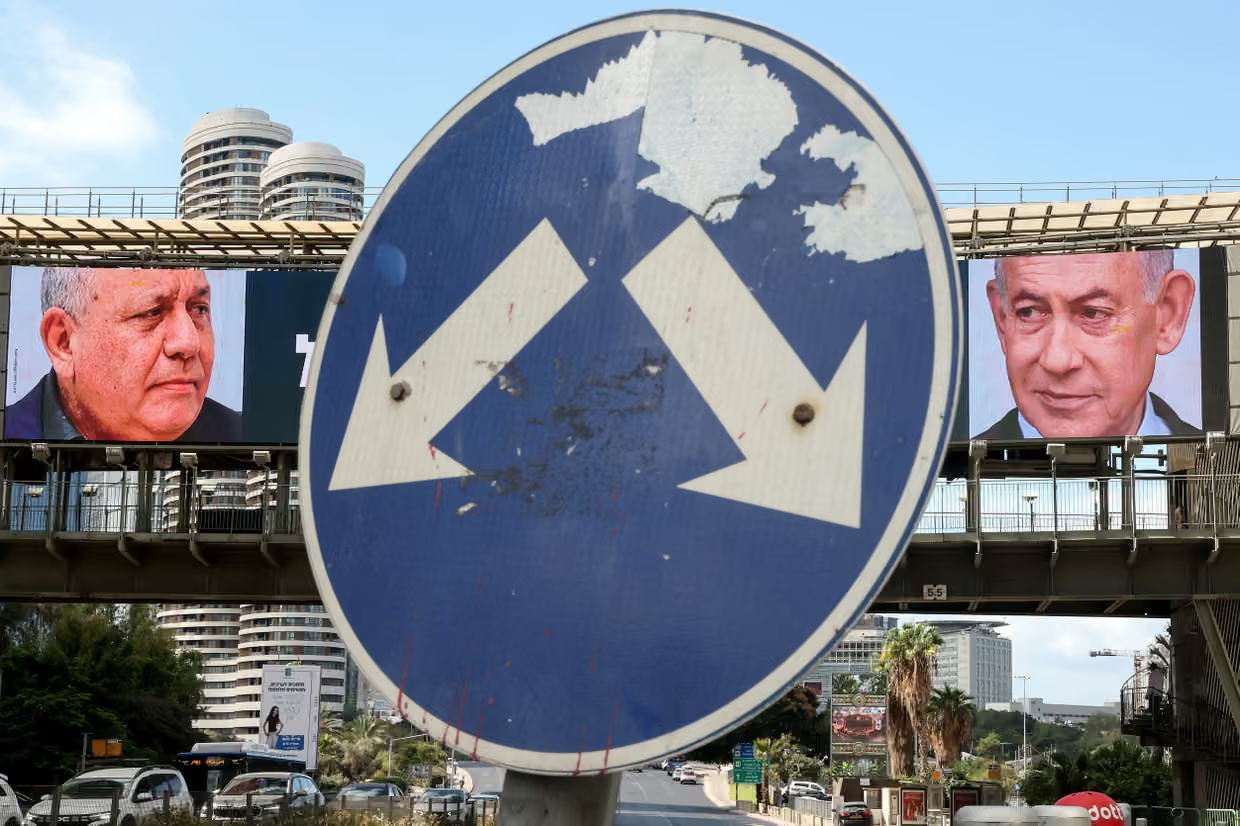
理所当然,在这场位于特拉维夫和耶路撒冷中间、规模不大的城市莫迪因举行的晚间集会上,暖场发言人极力强调艾森科特的优点:他是摩洛哥犹太工人阶级家庭的儿子,一路晋升为以色列国防军参谋长,仅四年前才踏入政坛。但每句话仿佛都以两个未说出口的词结尾:内塔尼亚胡。
Naturally, the warm-up speakers at this evening rally in the modest city of Modi’in, halfway between Tel Aviv and Jerusalem, stress the virtues of Eisenkot, a son of working-class Moroccan Jews who rose through the ranks to become chief of staff of the Israel Defense Forces and entered politics only four years ago. But every sentence might as well end with two words that go unspoken: .