亚利桑那州领导人希望该州成为制造半导体、清洁能源零部件和人工智能软件的高科技枢纽。
Arizona leaders want the state to be a high-tech hub for making semiconductors, clean energy components and artificial intelligence software.
但这个沙漠州的水资源短缺正迫使一些官员提议放缓其激增的数据中心增长势头——此举可能会对亚利桑那州成为技术超级大国的雄心构成考验。
But the desert state’s water shortage is pushing some officials to propose tempering its soaring growth in data centers — a move that could test Arizona’s aspirations of becoming a technological superpower.
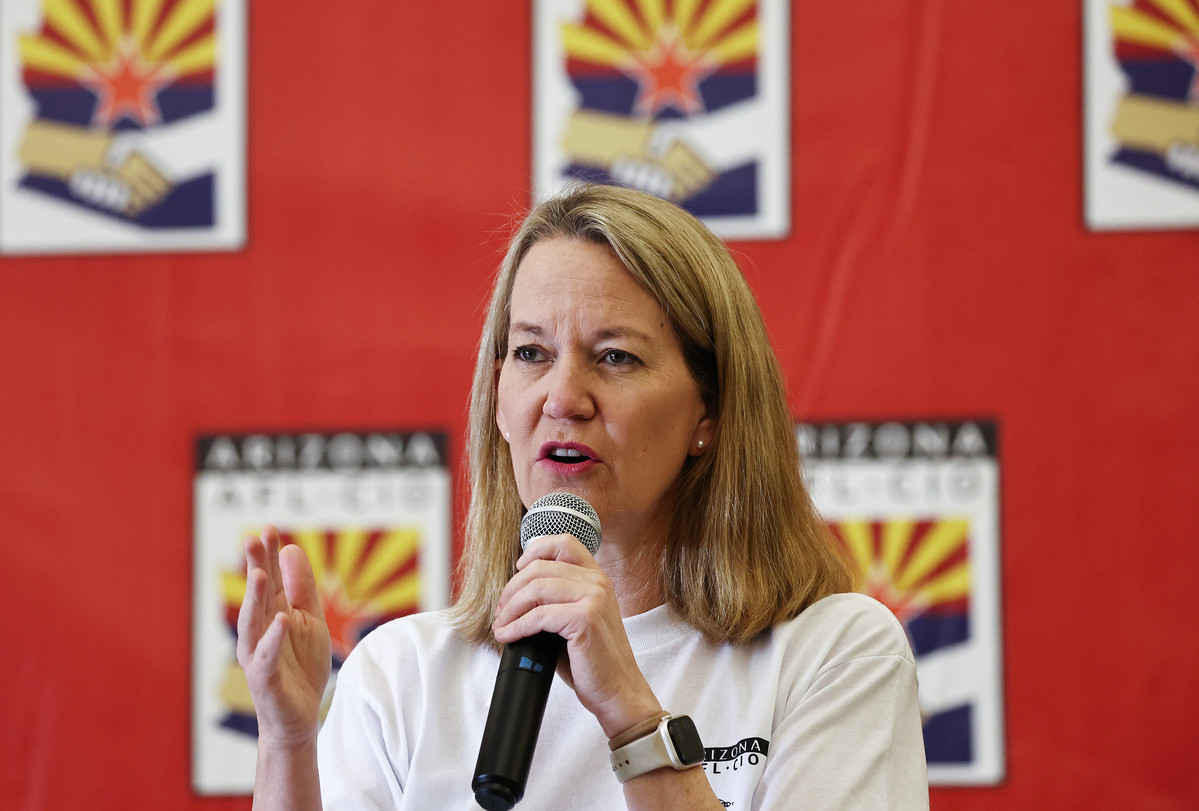
该州总检察长、民主党人克里斯·梅伊斯在接受《政客》杂志能源播客采访时坚决表示,追求技术热潮与防止亚利桑那州的水资源成为其牺牲品之间并不矛盾。
The state’s attorney general, Democrat Kris Mayes, insisted to the POLITICO Energy podcast that there’s no contradiction in pursuing a tech boom while also preventing Arizona’s water from falling victim to it.
“你可以成为一个科技枢纽,而不去建造数据中心,”梅伊斯说,“任何住在亚利桑那州的人——这也是为什么这个问题在民调中呈现出这种结果的原因——都知道我们没有那么多水。”这种强烈的反弹可能会推动民主党人在六十年里首次赢得州众议院的控制权,从而使该州议会处于能够通过法律来限制数据中心扩张的有利地位——甚至可能实施像梅伊斯所提倡的那样的暂停令。
“You can be a tech hub and not build data centers,” Mayes said. “Anybody who lives in Arizona — and this is why this issue polls the way it polls — knows that we don't have the water for it.”That backlash may fuel the first Democratic takeover of the state House in six decades, positioning the legislature to pass laws taming data center expansion — or potentially even a moratorium like the one Mayes has promoted.
这也暴露出民主党人之间的分歧。州长凯蒂·霍布斯拒绝了暂时禁止建设数据中心的想法,并表示她希望找到“恰当的平衡点”。梅伊斯的立场反映了公众对这些设施日益恶化的看法。7月份的一项《政客》杂志民调发现,41%的受访者反对在距离其住所三英里以内的地方建造数据中心,高于1月份的28%。
It’s also revealing disagreements among Democrats. Gov. Katie Hobbs has rejected the idea of temporarily banning data centers, saying instead that she wants to find the “right balance.”Mayes’ stance reflects the public’s souring opinion toward the facilities. A POLITICO poll in July found that 41% of respondents would oppose a data center being built within three miles of their home, up from 28% in January.
不久前,亚利桑那州还曾通过税收优惠来吸引人工智能投资。随后,反对浪潮随之而来,促使新的法律出台以叫停这些激励措施。虽然梅伊斯呼吁对新建设施实施暂停令,但霍布斯和菲尼克斯市长凯特·加莱戈——两人都是民主党人——均反对走得那么远的措施。
It wasn’t long ago that Arizona invited AI investment with tax breaks. Then the backlash came, prompting new laws to halt those incentives. While Mayes has called for a moratorium on new builds, Hobbs and Phoenix Mayor Kate Gallego — both Democrats — have opposed measures going that far.
将于下周竞选连任的梅伊斯表示,亚利桑那州可以继续追求由技术驱动的经济,而无需迎合数据中心。她指出,台湾积体电路制造股份有限公司在菲尼克斯建造了一座耗资2650亿美元的工厂——其产品很可能会运往数据中心——并称这类项目比人工智能计算枢纽能创造更多就业机会。
Mayes, who is running for reelection next week, said Arizona can continue to pursue a tech-driven economy without courting data centers. She pointed to a $265 billion facility built by Taiwan Semiconductor Manufacturing in Phoenix — whose products may well be destined for data centers — as the type of project that she said can create more jobs than AI computing hubs.
“我们不需要在亚利桑那州再建造五十个数据中心,根据我团队的研究,目前登记在册的就是这个数量,”她说。
“We don't need fifty more data centers in the state of Arizona, and according to my staff's research, that's what's on the books right now,” she said.
民调显示,在11月3日选举到来之前,梅伊斯在与共和党对手、参议院议长沃伦·彼得森的竞选中处于领先地位。
Polls suggest Mayes is leading her Republican opponent, Senate President Warren Petersen, ahead of the Nov. 3 election.
水资源消耗是亚利桑那州关于数据中心争论的核心。梅伊斯还对公用事业公司提高电价的计划提出了质疑,称科技公司应该承担其电力消耗的成本。此外还有社区影响,居民们哭着来到市政厅,因为数据中心似乎在一夜之间拔地而起。“坦率地说,我呼吁这个行业展现一些常识和人性,”梅伊斯说。
Water consumption is front and center in Arizona’s debate over data centers. Mayes has also challenged utilities’ plans to raise electricity rates, saying tech companies should cover the costs of their power consumption. Then there’s the community impacts, with residents showing up to town halls in tears because data centers popped up seemingly overnight. “I would call on the industry to have some common sense and some humanity, quite frankly,” Mayes said.
在此次推迟之际,全国各地的州都在艰难平衡增加新的电力供应以满足激增的需求(其中很大一部分由数据中心和大型制造设施驱动)与限制消费者成本之间的关系。
The pushback comes as states across the country struggle to balance adding new power supplies to meet surging demand — much of it driven by data centers and large manufacturing facilities — while limiting consumer costs.
曾任亚利桑那州公司委员会主席的梅伊斯表示,公用事业监管机构应该倾向于消费者一方。作为总检察长,她反对图森电力公司和亚利桑那州公共服务公司分别将电价提高最多13%和14%以收回资本支出的努力。她说,这些开支主要来自向数据中心供电,并补充说,客户不应承担那些在财务上“状况良好”的公用事业公司的成本。
Mayes, a former chair of the Arizona Corporation Commission, said utility regulators should err on the side of consumers. As attorney general, she opposed efforts by Tucson Electric Power and Arizona Public Service to raise electricity rates by up to 13% and 14%, respectively, to recover capital spending. Those expenses, she said, largely came from supplying data centers with power, adding that customers should not have to shoulder the costs of utilities that are “doing fine” financially.
“不应该有任何单一的发电厂输电线路、变电站或配电线路由消费者补贴,这些费用应该由把数据中心带到亚利桑那州的州外亿万富翁支付,”她说。
“There should be not one single power plant transmission line, substation, or distribution line that is subsidized by consumers, and those should be paid for by the out-of-state billionaires that are bringing the data centers into Arizona,” she said.
但梅伊斯承认,她阻止数据中心的权力是有限的。她曾对那些通过噪声污染破坏生活质量或在原本就酷热难耐的街区升高温度的运营项目提起妨害诉讼。
But Mayes acknowledged the limits of her power to block data centers. She’s pursued nuisance lawsuits against projects that disrupt quality of life through noise pollution or operations that raise temperatures in already sweltering neighborhoods.
梅伊斯表示,一刀切的政策会更好。她利用自己的办公室打击非法的地下水抽取,以防止耗尽蓄水层,由于持续的干旱,这些蓄水层可能需要几十年的时间才能补给。但这些都是孤立的战斗——就像她针对数据中心的诉讼一样。
Blanket policies would be better, Mayes said. She has used her office to crack down on illegal groundwater pumping to prevent depleting aquifers, which can take decades to refill because of persistent drought. But those are one-off battles — just like her cases against data centers.
梅伊斯表示,如果民主党能够自1964年以来首次翻盘亚利桑那州众议院,她乐观地认为民主党将通过立法来限制数据中心的发展并保护地下水。
Mayes said she is optimistic Democrats would pass legislation to constrain data center development and protect groundwater if the party can flip the Arizona House of Representatives for the first time since 1964.
“如果发生这种情况,你绝对会看到限制数据中心的努力,”她说,“我怎么强调都不为过,亚利桑那州人民对此有着多么强烈的情感,亚利桑那州人对我们的水资源状况有着多么清醒的认识。”这种水资源状况正走向紧要关头。
“If that were to happen, you're definitely gonna see efforts to curtail data centers,” she said. “I can't underscore for you how passionately people in Arizona feel about this and how aware Arizonans are about our water situation.”That water situation is coming to a head.
亚利桑那州的大部分水来自科罗拉多河,由于人口增长、气候变化和干旱,该河的水量已经减少。亚利桑那州及其下游邻州内华达州和加利福尼亚州一直无法与上游州(犹他州、科罗拉多州、怀俄明州和新墨西哥州)就分享这些水流达成协议。如果问题得不到解决,水资源短缺将迫使亚利桑那州根据1922年的协议承担最大幅度的削减。
Arizona gets much of its water from the Colorado River, which has dwindled due to population growth, climate change and drought. Arizona and its downstream neighbors Nevada and California have been unable to strike a deal with upstream states — Utah, Colorado, Wyoming and New Mexico — for sharing those flows. If left unaddressed, a water shortage would require Arizona to take the steepest cut under a 1922 compact.
梅伊斯表示,由于陷入僵局,亚利桑那州正准备与上游各州对簿公堂。该州周三加入了内华达州针对特朗普政府河流管理计划提起的一项诉讼。
Mayes said Arizona is gearing up for a lawsuit with the upstream states because of the impasse. The state on Wednesday joined a lawsuit filed by Nevada over the Trump administration’s plan for managing the river.
“如果我们能达成一致,那就再好不过了。这将是这里的首选结果,”她说,“但话又说回来,我们基本上是在朝着最高法院面前的对峙局面走去。”
“It would be better if we could all come to an agreement. That would be the preferred outcome here,” she said. “But yeah, we're headed toward a standoff basically in front of the Supreme Court.”