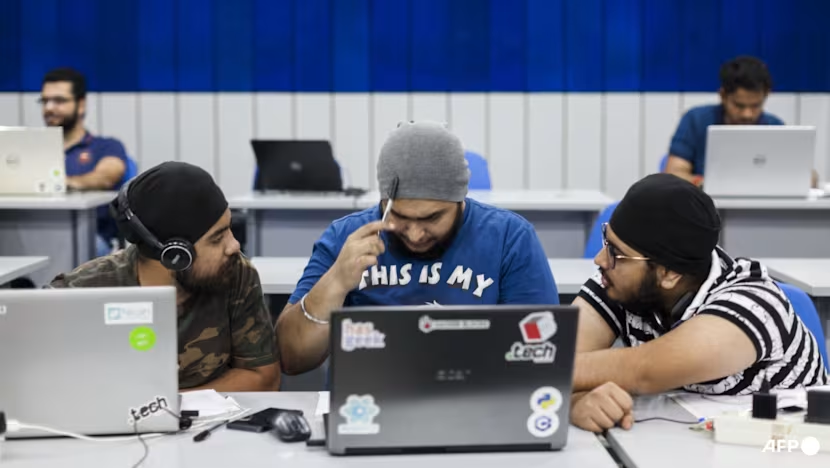
印度理工学院(IIT)孟买分校等顶尖学府的优异成绩可能已不足以让人脱颖而出,对此学生们心知肚明。
knowing that strong grades from a premier institute like the Indian Institute of Technology (IIT) Bombay may no longer be enough to stand out.
达亚玛希望从事产品管理或数据分析工作,她从数据科学项目到涉及智能体人工智能的工作都有涉猎。“你必须展示自己实际做过什么,用简单语言解释清楚,同时在面试官提问时仍能深入技术细节,”她说。
专家告诉CNA,人工智能正在重塑年轻工程师进入印度科技行业的方式,该行业是印度最大的私营部门就业创造者之一,预计2026年将雇佣约595万人。
Dayama who hopes to work in product management or analytics from data science projects to work involving agentic artificial intelligence“You have to show what you have actually worked on, explain it in simple terms and still be able to go into the technical details when they questions she said AI is reshaping how young engineers enter India’s technology industry, one of the country’s biggest private-sector job creators, which employs an estimated 5.95 million people in 2026, experts told CNA.
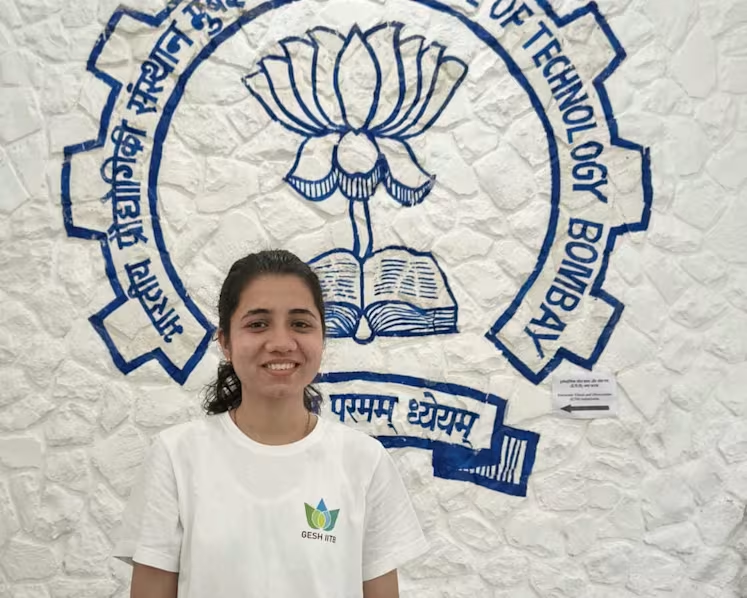
印度理工学院孟买分校最后一年工科学生阿皮塔·达亚玛在校园内学院徽标前摆姿势拍照。
Arpita Dayama, a final-year engineering student at the Indian Institute of Technology Bombay, poses in front of the institute's emblem on campus.
“(印度IT公司)过去的模式是大量招聘毕业生,再花时间培养,”麦仕劳动力与薪酬咨询公司印度区负责人曼西·辛哈尔说,该公司为印度及跨国企业提供招聘和人才管理咨询。
“The old model ( at Indian IT companies) was to hire graduates in bulk and develop them over time,” said Mansee Singhal, country leader at Marsh Workforce & Rewards which advises Indian and multinational companies on hiring and talent management.
她说,越来越多的雇主希望应届毕业生“从一开始就具备更深的技术功底,并更好地理解实际业务问题”。
Increasingly, she said, employers want fresh graduates to “arrive with greater technical depth and a better understanding of real business problems from the outset”.
例如,印度最大的IT公司之一塔塔咨询服务公司(TCS)四年前曾招聘超过11万名工程毕业生,据其年报披露。
For instance, Tata Consultancy Services (TCS), one of India's biggest IT firms, hired more than 110,000 engineering graduates four years ago, according to its annual report.
但此后招聘人数大幅下降。根据公司报告,TCS在2026财年的招聘人数不及四年前的一半,而印孚瑟斯在2025财年招聘的应届毕业生比三年前减少了约80%。
But hiring has since fallen sharply. TCS’s intake in financial year 2026 was less than half its level four years ago, while Infosys recruited about 80 per cent fewer fresh graduates in financial year 2025 than three years earlier, according to company reports.
印孚瑟斯联合创始人南丹·尼莱卡尼10月13日在新德里举行的彭博新经济论坛上表示,人工智能正日益接管初级工程师传统上负责的编码任务。他说,围绕客户需求、业务转型和技术管理将需要“新技能”。
Speaking at the Bloomberg New Economy Forum in New Delhi on Oct 13, Infosys co-founder Nandan Nilekani said AI was increasingly taking over coding tasks traditionally handled by junior engineers. He said “new skills” would be needed around client needs, business transformation and managing the technology.
劳动力顾问向《中国经济网》表示,公司正在通过提供内部培训并与大学更紧密合作来适应变化。
Workforce advisers told CNA that companies are adapting by offering in-house training and working more closely with universities.
学者们表示,大学也必须更早地为学生准备,培养他们的解决问题、决策以及更广泛的技术技能,这些技能传统上是在工作中学习的。提升标准这一转变不仅仅是人工智能自动化编码任务。
Academics said universities must also prepare students earlier by developing problem-solving, decision-making and broader technical skills that were traditionally learnt on the job. RAISING THE BAR The shift goes beyond AI automating coding tasks.
奥利弗·怀曼(Oliver Wyman)全球管理咨询公司印度区负责人 Sumit Sarawgi 在 2026 年 10 月 13 日于新德里举行的彭博新经济论坛上表示,跨国公司在印度的中心也正从日常后台工作转向更复杂的角色,涉及创新和专业行业知识。
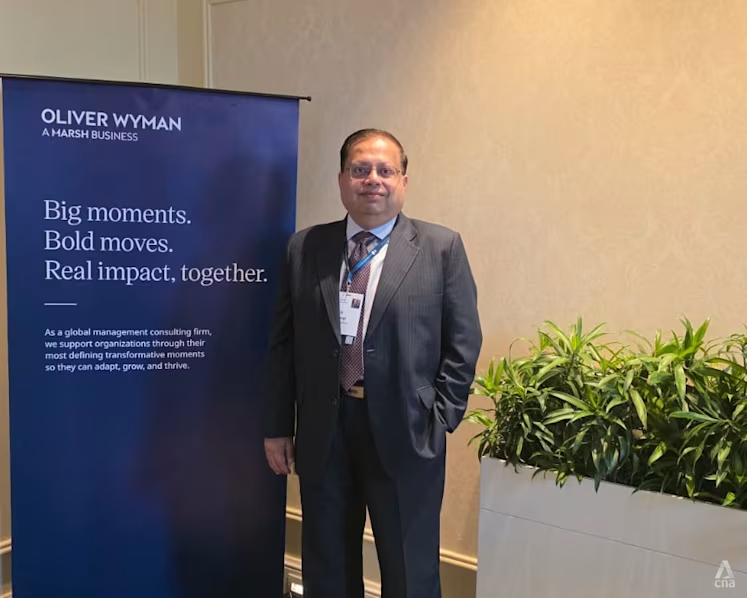
Sumit Sarawgi, India head at global management consulting firm Oliver Wyman, said multinational companies’ centres in India are also moving beyond routine back-office work to more complex roles involving innovation and specialised industry knowledge. Sumit Sarawgi, India head at Oliver Wyman, at the Bloomberg New Economy Forum in New Delhi on Oct 13, 2026.
Sarawgi 说,奥利弗·怀曼的一项调查发现,约 45% 的印度经理表示人工智能正在接管传统上帮助初级员工获得经验的任务。
Sarawgi said an Oliver Wyman survey found that about 45 per cent of managers in India said AI was taking over tasks that traditionally helped junior employees gain experience.
他表示,诸如编码和测试等日常工作正在减少,而人工智能、网络安全和流程改进等领域的需求正在增长。
Routine work such as coding and testing was declining, he said, while demand was growing in areas such as AI, cybersecurity and process improvement.
Sarawgi 说,跨国公司仍在招聘应届毕业生,尽管数量较少,并且更快地将他们安排到需要技术和商业知识的岗位。
Sarawgi said multinational firms were still hiring fresh graduates, albeit in smaller numbers, and moving them more quickly into roles requiring both technical and business knowledge.
劳动力顾问 Singhal 说,这一转变也在改变雇主对年轻工程师的要求。公司不再仅关注毕业生是否能构建应用程序,而是越来越希望他们能理解客户问题,然后倒推到技术解决方案。
Workforce advisor Singhal said the shift was also changing what employers look for in young engineers. Instead of focusing on whether a graduate could build an application, companies increasingly want people who can understand a customer problem and then work backwards to a technology solution.
她说,这可能意味着使用人工智能编码,同时花更多时间了解特定行业客户的需求和实际挑战。印度主要 IT 公司表示,他们正在调整应届毕业生的培训,以满足人工智能驱动岗位的需求。
She said that could mean using AI coding while focusing more time understanding a particular industry customer needs and practical challenges Major Indian IT firms said they are adapting training for fresh graduates to meet the demands of AI-driven roles.
TCS 和 Infosys 表示,他们的毕业生培训项目现在已包含生成式人工智能,TCS 强调动手学习,Infosys 则侧重于解决问题和设计思维。
TCS and Infosys said their graduate training programmes now include generative AI, with TCS emphasising hands-on learning and Infosys focusing on problem-solving and design thinking.
2017年7月14日,印度软件巨头印孚瑟斯公司的员工走在班加罗尔公司总部园区内。但培训有其局限。
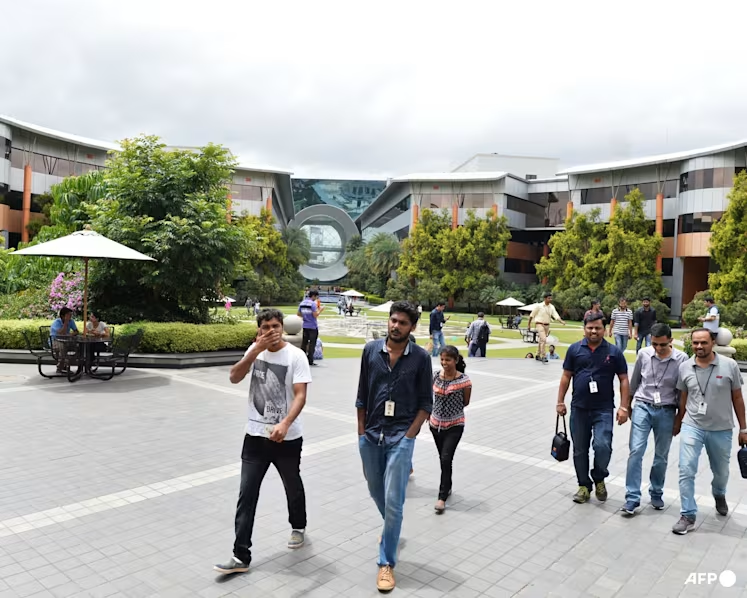
Employees of Indian software giant Infosys walk in the campus of the company's headquarters in Bangalore on Jul 14, 2017. But training has limits.
人力资源公司Xpheno的联合创始人卡马尔·卡兰斯表示,培训项目可以帮助初级员工熟练使用人工智能,但要在机器学习工程师和人工智能架构师等岗位上实现“真正的专业化”,需要多年的实践经验。
Kamal Karanth, co-founder of staffing firm Xpheno, said training programmes could help junior employees become comfortable using AI, but “true specialisation” in roles such as machine-learning engineers and AI architects requires years of hands-on experience.
缺失的中间层“未来的中层管理者将从哪里来?”奥纬咨询的萨拉瓦吉问道,并强调公司必须投资于应届毕业生,以培养下一代熟练工人。
THE MISSING MIDDLE“Where will the future middle managers come from?” asked Oliver Wyman’s Sarawgi, stressing that companies must invest in fresh graduates to develop the next generation of skilled workers.
Zinnov于2026年对跨国公司在印度的中心进行的一项调查发现,约60%的公司在人工智能、云计算和网络安全相关岗位上更倾向于聘用有经验的员工而非应届毕业生,理由是需要专业知识和更快的上岗速度。
A 2026 Zinnov survey of multinational companies’ centres in India found that about 60 per cent preferred experienced hires over fresh graduates for roles in AI, cloud computing and cybersecurity, citing the need for expertise and quicker deployment.
“短期内,公司可能会聘用有经验的人,但随着时间的推移,它们需要自己培养这方面的人才,”达信劳动力与薪酬咨询公司的辛格尔表示。
“In the short term, companies may hire experienced people, but over time they will need to develop that talent themselves,” said Singhal of Marsh Workforce & Rewards.
辛格尔说,一些大公司已经在建立内部的人工智能、分析和合规学院。
Singhal said some large companies are already setting up internal AI, analytics and compliance academies.
例如,塔塔咨询服务公司于2024年1月推出了一个“人工智能体验区”,让员工亲手接触人工智能工具,此前该公司已对超过15万名员工进行了生成式人工智能基础知识的培训。
For instance, TCS launched an AI Experience Zone in January 2024 to give employees hands-on access to AI tools, after training more than 150,000 employees in the basics of generative AI.
同样,印孚瑟斯表示,其人工智能学院提供全公司范围的培训,包括面向客户和内部运营的实际应用。
Similarly, Infosys said that its AI Academy provides company-wide training, including practical applications for clients and internal operations.
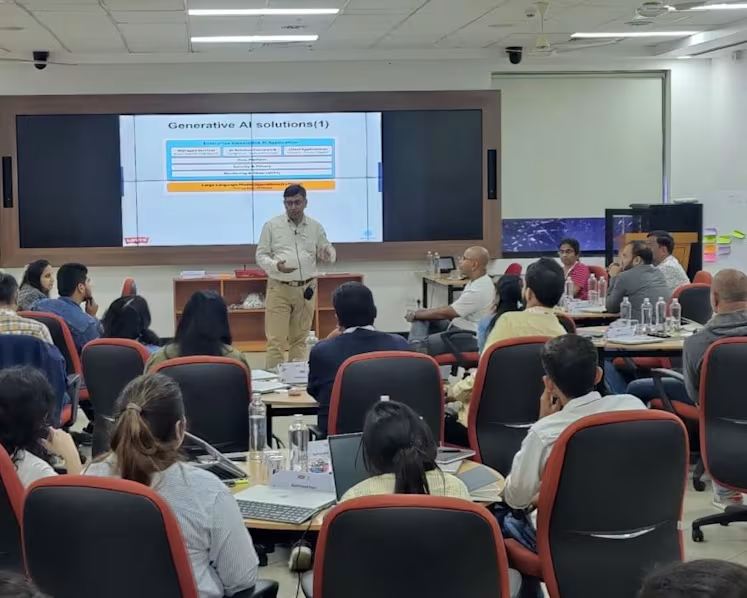
2026年2月,学者们在印孚瑟斯一个开发中心参加人工智能师资培训项目。
Academics attend an AI faculty training programme at an Infosys Development Center in Feb 2026.
萨拉瓦吉表示,公司应利用人工智能释放出的一部分时间来培训和指导初级员工,帮助他们培养胜任更复杂角色所需的技能和经验。
Sarawgi said companies should use some of the time freed up by AI to train and mentor junior employees, helping them develop the skills and experience needed for more complex roles.
但他表示,很少有公司就员工应如何利用人工智能节省下来的时间制定计划。
Yet few companies have plans for how employees should use the time saved by AI, he said.
他引用奥纬咨询的一项调查说,印度受访者中只有12%表示其雇主有此类计划,而48%表示他们没有获得任何指导。课堂能否跟上人工智能的步伐?
Citing an Oliver Wyman survey, he said only 12 per cent of respondents in India reported that their employers had such plans, while 48 per cent said they received no guidance. CAN CLASSROOMS KEEP PACE WITH AI?
行业专家对CNA表示,大学也必须在培养毕业生方面发挥更大作用。
Universities must also play a bigger role in preparing graduates, industry experts told CNA.
辛加尔表示,企业正在与大学更紧密地合作,让学生接触真实的商业问题以及客户如何使用技术。
Singhal said companies were working more closely with universities to expose students to real-world business problems and how clients use technology.
例如,印度IT公司威普罗自2021财年以来已与646所学院合作,培训教师掌握行业相关技术并提供学习材料。2025财年,约有75,700名学生从该计划中受益。
For instance, Indian IT firm Wipro has worked with 646 colleges since FY2021 to train teachers in industry-relevant technologies and provide learning materials. About 75,700 students benefited from the programme in FY2025.
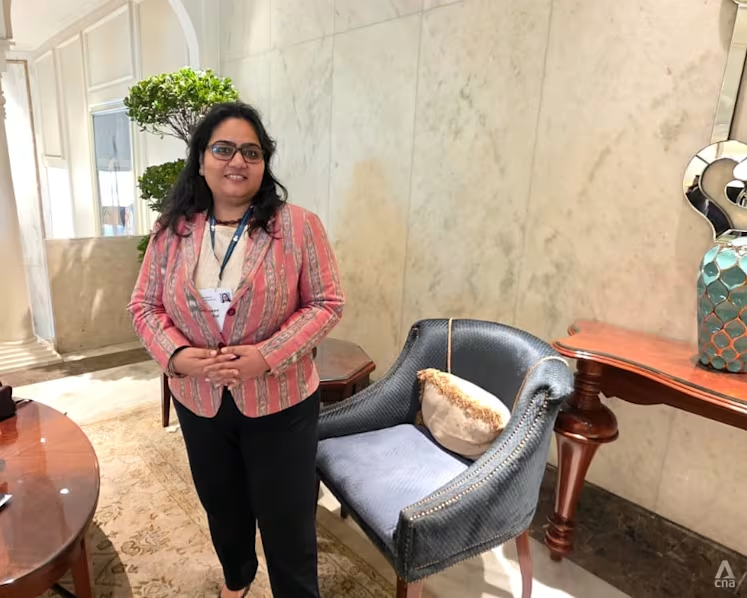
2026年10月13日,在新德里举行的彭博新经济论坛上,达信人力与薪酬业务印度负责人曼西·辛加尔。
Mansee Singhal, country leader at Marsh Workforce & Rewards, at the Bloomberg New Economy Forum in New Delhi on Oct 13, 2026.
比尔拉理工学院皮拉尼分校副教授贾加特·塞什·查拉表示,这一变化需要的不仅仅是在课程中加入人工智能工具。
Jagat Sesh Challa, an associate professor at Birla Institute of Technology and Science, Pilani, said the change requires more than adding AI tools to the curriculum.
“系统级思维、专业判断和负责任的决策等能力,传统上是在进入行业后才培养的,现在必须在大学教育期间就加以培养,”他对CNA说。
“Capabilities such as system-level thinking, professional judgement and responsible decision-making, which were traditionally developed after joining industry, must now be cultivated during university education itself,” he told CNA.
他说,学生应该参与更多真实项目,评估应侧重于他们评估和改进人工智能生成解决方案并解释其推理的能力,而不是仅仅给出正确答案。专家表示,挑战在于将这些机会扩展到精英院校之外。
He said students should work on more real-world projects, with assessments focusing on their ability to evaluate and improve AI-generated solutions and explain their reasoning, rather than simply producing correct answers. The challenge is extending these opportunities beyond elite institutions, experts said.
查拉呼吁扩大导师指导和虚拟实习的渠道,同时加强二线和三线院校的师资培训。
Challa called for wider access to mentorship and virtual internships, alongside better faculty training at Tier 2 and Tier 3 colleges.
印度理工学院马德拉斯分校瓦德瓦尼数据科学与人工智能学院的卡尔蒂克·拉曼建议将人工智能专家引入现有院系以更新课程,他说这“远比从头重新培训每一位教职员工便宜得多”。
Karthik Raman of IIT Madras’ Wadhwani School of Data Science and Artificial Intelligence suggested bringing AI specialists into existing departments to update courses, which he said would be “far cheaper than retraining every faculty member from scratch”.
他表示,大学也可以与行业专业人士更紧密合作,开设课程并监督学生项目,以解决现实世界的问题。
He said universities could also work more closely with industry professionals to teach courses and supervise student projects addressing real-world problems.
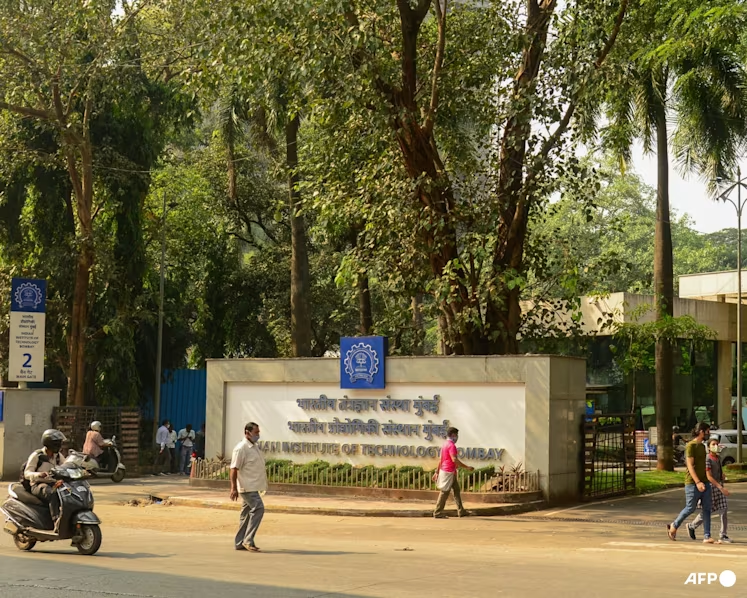
2021年12月6日,孟买印度理工学院(IIT Bombay)校园的主入口。
The main entrance of the IIT Bombay campus in Mumbai on Dec 6, 2021.
然而,萨拉维吉警告说,学术变革需要时间。他说,在此期间,公司将继续承担为年轻工人准备更复杂角色的大部分责任。
However, Sarawgi cautioned that academic change would take time. Until then, he said, companies would continue to carry much of the burden of preparing younger workers for more complex roles.
“公司、学院和个人本身都是平等的利益相关者,”萨拉维吉说。“现在的想法是让这三方……基本上聚在一起,讨论如何塑造印度未来二十年的劳动力。”
“Companies, colleges and the individuals themselves are all equal stakeholders,” Sarawgi said. “The idea now is for these three entities … to basically come together to say how do we shape the next 20 years of India’s workforce.”