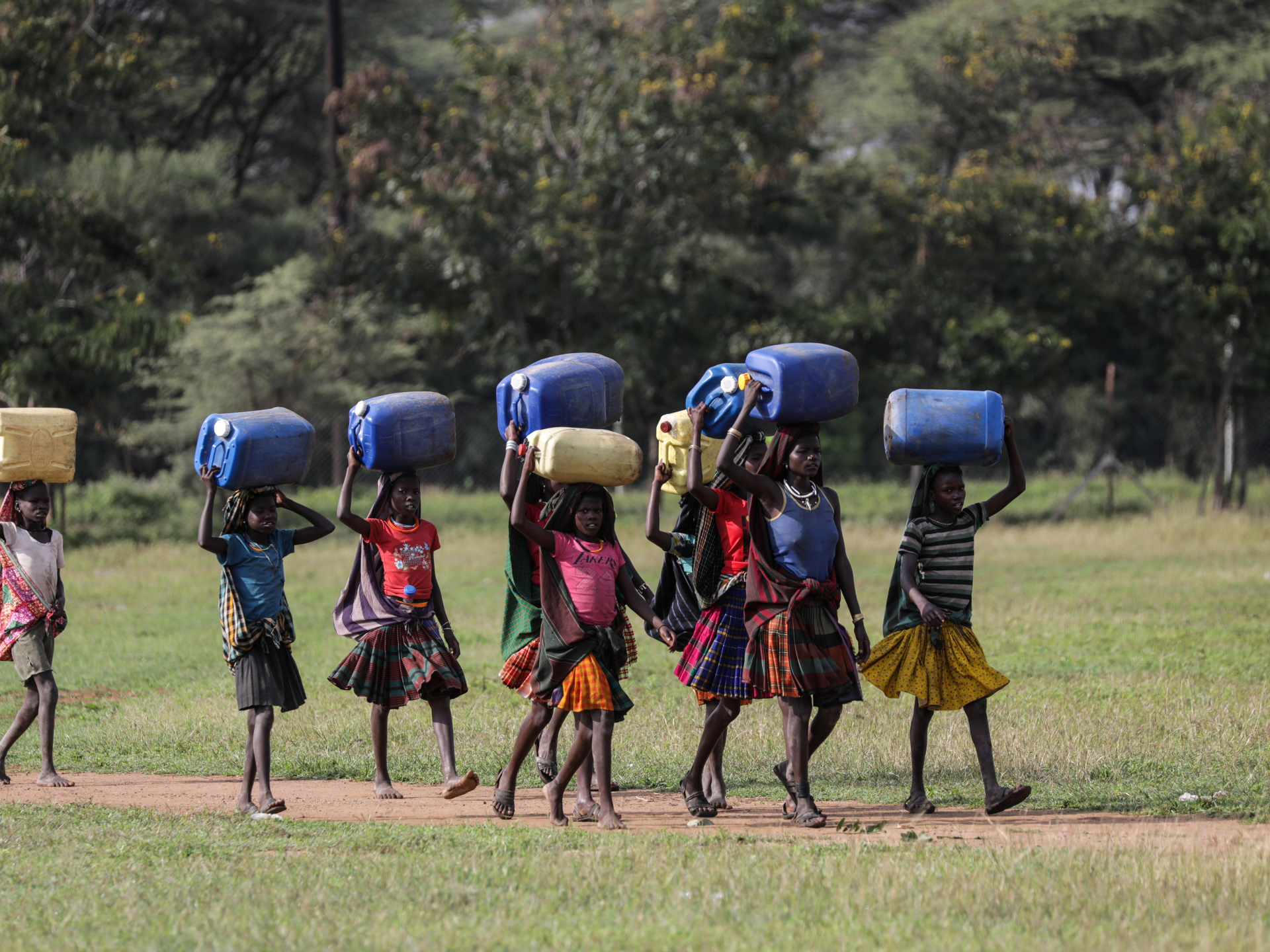
非洲国家正感受到中东持续冲突带来的经济冲击,燃料和化肥价格上涨威胁推高粮食成本,该地区贸易部长和联合国最高贸易官员表示。
African countries are feeling the economic fallout from the ongoing conflict in the Middle East, with rising fuel and fertiliser prices threatening to drive up food costs, according to trade ministers from the region and the United Nations’ top trade official.
联合国贸易和发展会议(UNCTAD)国际贸易和商品司司长卢兹·玛丽亚·德拉莫拉周一在世界投资论坛上告诉半岛电视台,由于美国和以色列对伊朗的战争导致霍尔木兹海峡周边局势紧张,该危机需要“尽早而非稍后”解决。她警告称,化肥价格飙升可能影响明年收成。
The crisis around the Strait of Hormuz due to the United States and Israel’s war on Iran needs to be resolved “sooner rather than later”, Luz Maria de la Mora, director of the Division on International Trade and Commodities at UN Trade and Development (UNCTAD), told Al Jazeera at the World Investment Forum on Monday. She warned that soaring fertiliser prices could affect harvests next year.
“化肥价格大幅上涨……因此许多国家决定减少化肥使用,这将在明年对农作物产生影响,”她说。
“Prices of fertilisers have risen dramatically … so many countries have decided to reduce the use of fertilisers, which will have an effect next year in terms of crops,” she said.
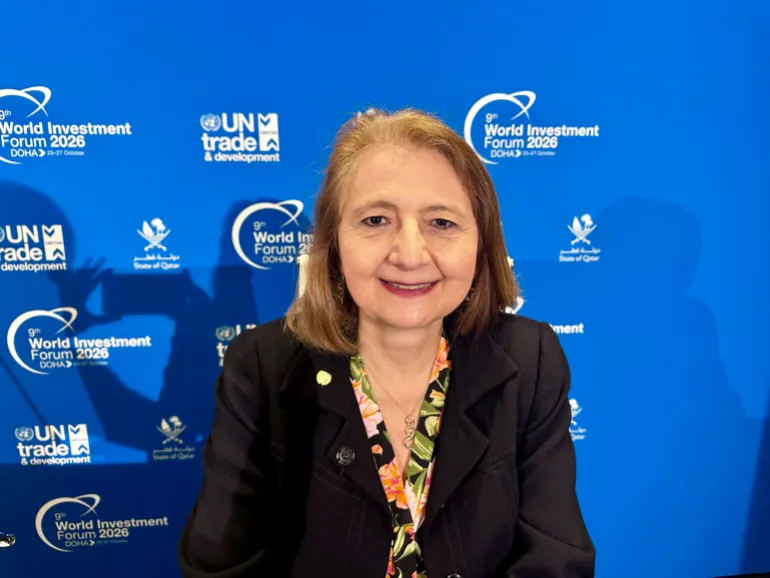
“它可能影响粮食供应和粮食价格。” 联合国贸易和发展会议国际贸易和商品司司长卢兹·玛丽亚·德拉莫拉 [Urooba Jamal/半岛电视台] 美国和以色列对伊朗的战争凸显了世界对这一战略水道的严重依赖,全球五分之一的石油和液化天然气贸易此前通过该水道。
“It may have an effect on availability of food and prices of food.”Luz Maria de la Mora, director of the Division on International Trade and Commodities at UN Trade and Development [Urooba Jamal/Al Jazeera] US-Israel war on Iran has highlighted the world’s heavy reliance on the strategic waterway through which one-fifth of global oil and liquefied natural gas trade previously passed.
在此背景下,多哈于10月25日和26日举办了联合国贸发会议世界投资论坛,汇聚国家元首、政策制定者、首席执行官和投资者,共同探讨全球投资和可持续发展。
Against this backdrop, Doha hosted UNCTAD’s World Investment Forum on October 25 and 26, bringing together heads of state, policymakers, CEOs and investors to discuss global investment and sustainable development.
霍尔木兹海峡的中断已波及非洲经济体。津巴布韦妇女事务、社区、中小企业发展部长莫妮卡·穆茨万瓜告诉半岛电视台,在一个70%以上人口依赖农业的国家,燃料和化肥价格上涨是一个关键担忧。
The Strait of Hormuz’s disruption has rippled through African economies. In Zimbabwe, rising fuel and fertiliser prices are a critical concern in a country where more than 70 percent of the population depends on agriculture, Monica Mutsvangwa, the country’s minister of women affairs, community, small and medium enterprise development, told Al Jazeera.
另一个严重依赖农业的经济体乌干达也受到冲击,该国贸易、工业和合作部长桑贾伊·塔纳告诉半岛电视台,燃料价格翻了一倍多。
Uganda, another heavily agrarian economy, has also been hit, with fuel prices more than doubling, Sanjay Tanna, the country’s minister of trade, industry and cooperatives, told Al Jazeera.
影响超出了能源的直接成本。油价上涨已扰乱供应链,德拉·莫拉表示,其影响持续时间比预期更长。“这些影响持续的时间比我们预期或想要的更久,”她说。“对所有人都是朋友,对任何人都不是敌人”这场冲击也暴露了非洲经济体在全球动荡中应对方式的差异。
The impact extends beyond the immediate cost of energy. Rising oil prices have disrupted supply chains, with effects lasting longer than anticipated, according to de la Mora. “The effects are lasting longer than we would have expected or would have wanted,” she said. ‘Friend to all, enemy to none’The shock has also exposed differences in how African economies weather global disruption.
乌干达依赖自给自足农业的做法帮助缓冲了冲击,塔娜表示,国内粮食生产为其提供了一定程度的保护,抵御国际市场波动。
Uganda’s reliance on subsistence farming has helped cushion the impact, with domestic food production offering some protection from international market volatility, said Tanna.
但该国并未完全免受金融压力:部长说,其货币对美元贬值了10%。乌干达先令自2026年中期以来持续贬值。
But the country has not been insulated from financial pressures: its currency has lost 10 percent of its value against the US dollar, the minister said. The Ugandan shilling has steadily declined since mid-2026.
对津巴布韦而言,危机强化了吸引投资的重要性,同时保持跨地缘政治分歧的经济联系。
For Zimbabwe, the crisis has reinforced the importance of attracting investment while maintaining economic ties across geopolitical divides.
津巴布韦妇女事务、社区、小型和中型企业发展部长莫妮卡·穆特桑加瓦(Monica Mutsvangwa)在《半岛电视台》采访中表示,在美中贸易战持续升温的背景下,哈拉雷视自己为两方投资者的潜在合作伙伴。“我们对所有人都是朋友,对任何人都不是敌人,”她说。
Monica Mutsvangwa, Zimbabwe’s minister of women affairs, community, small and medium enterprise development [Urooba Jamal/Al Jazeera] Amid the simmering trade war between the US and China, Harare considers itself a potential partner to investors from either side, Mutsvangwa said. “We are a friend to all and an enemy to none,” she said.
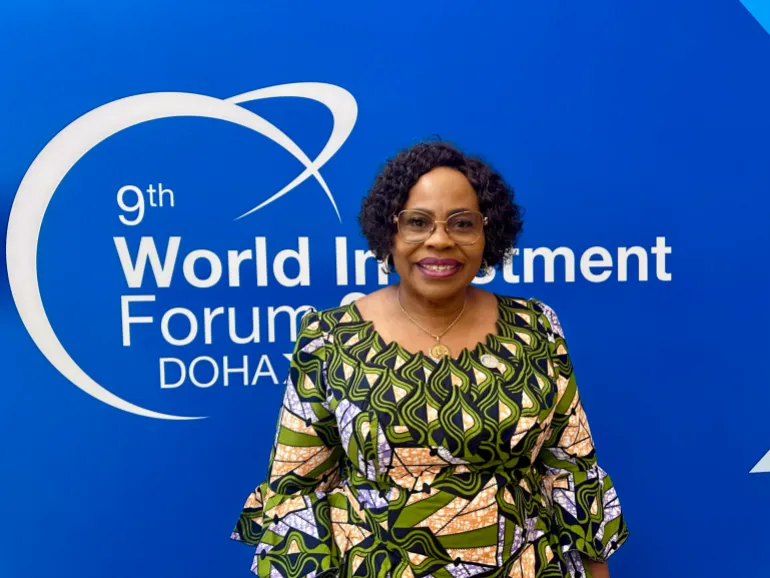
“金钱没有颜色……如果我们能吸引一位遵守本国法律法规、在本国赚取利润并推动津巴布韦发展的投资者,那就是我们所期望的。”该官员指出,津巴布韦拥有超过60种关键矿产的储量,包括锂和石墨,以及旅游潜力。
“Money has no color … If we get an investor who comes into our country, follows the rules and regulations of the country, makes his money, and Zimbabwe develops, that’s what we want.”The official pointed to Zimbabwe’s deposits of more than 60 critical minerals, including lithium and graphite, as well as its tourism potential.
在不平等体系中的贸易 但吸引外资仍是发展中国家的挑战,投资集中在相对少数国家。
Trade in an unequal system But attracting foreign capital remains a challenge for developing economies, with investment concentrated in a relatively small number of countries.
德拉·莫拉表示,这种集中“非常可以理解”,并认为投资者需要确信他们的资金会产生回报。
That concentration is “very understandable”, de la Mora said, arguing that investors need confidence that their money will generate returns.
“资本是厌恶风险的。资本需要确定其投资将带来回报,并且能够开花结果,”她说。
“Capital is risk averse. Capital needs to have certainty that its investment is going to yield returns and it’s going to come to fruition,” she said.
她补充说,政府可以通过透明的制度、法治以及对基础设施的投资来帮助建立这种信心,包括可靠的电力、能源供应和数字互联互通。
Governments can help build that confidence through transparent institutions, the rule of law and investment in infrastructure, including reliable electricity, energy supplies and digital connectivity, she added.
关于国际贸易体系是否平等对待所有国家的问题,乌干达贸易部长给出了更为直率的评价。
The question of whether the international trading system treats all countries equally prompted a more blunt assessment from Uganda’s trade minister.
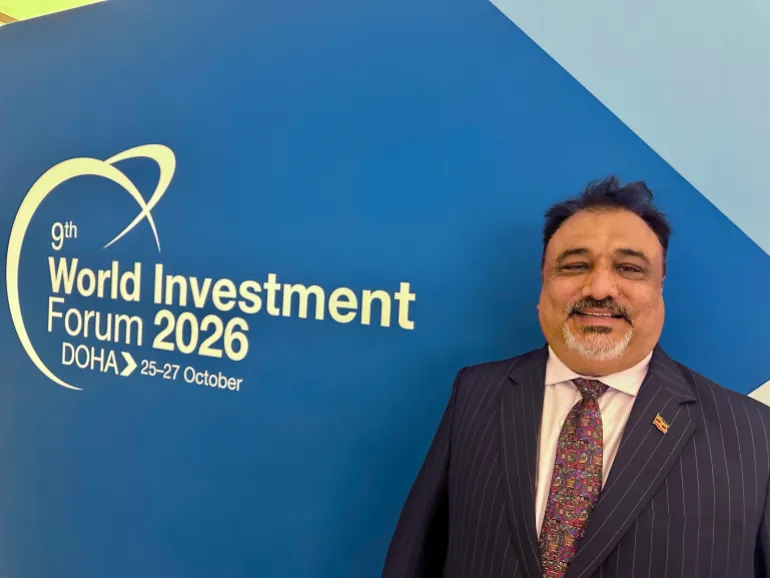
“当然不是,”坦纳说。“世界不可能平等……这不公平,但我们相信,在我们所处的空间里,我们处于一个良好的位置。”乌干达贸易、工业和合作社部长桑杰·坦纳[乌罗巴·贾马尔/半岛电视台]他认为,乌干达对未来做好了充分准备,因为它自己生产粮食——在国际供应链承压之际,这是一个优势。
“Of course not,” said Tanna. “The world cannot be equal … It’s unfair, but we believe that, within the space that we are in, we are in a good space.”Sanjay Tanna, Uganda’s minister of trade, industry and cooperatives [Urooba Jamal/Al Jazeera] Uganda was well placed for the future, he argued, because it produces its own food – an advantage at a time when international supply chains are under pressure.
对乌干达和刚果共和国而言,建设有韧性的经济也意味着投资于年轻一代。
For both Uganda and the Republic of Congo, building resilient economies also means investing in younger generations.
刚果共和国协调、发展基础设施和土地规划副总理让-雅克·布亚表示,该国已将其国家发展计划“2063愿景”与非洲联盟更广泛的发展雄心相对接。
The Republic of Congo’s Deputy Prime Minister for Coordination, Development Infrastructure and Land Planning, Jean-Jacques Bouya, said the country had aligned its national development plan, Vision 2063, with the African Union’s broader development ambitions.
他告诉半岛电视台,互联互通——通过电力、数字基础设施和实体连接——是这一战略的核心。
Connectivity – through electricity, digital infrastructure and physical links – is central to that strategy, he told Al Jazeera.
刚果共和国还希望扩大本地加工,使更多来自其自然资源的附加值留在国内。
The Republic of Congo also wants to expand local processing so that more value from its natural resources remains within the country.
“非洲不能再充当原材料的储备库,刚果也不能——不能再是原材料被开采、运往别处、加工后以高得多的价格卖回给我们的地方。我们不能继续这样下去,”布亚说。
“Africa can no longer be a reservoir of raw materials, and neither can Congo – a place where raw materials are extracted, taken elsewhere, processed and then sold back to us at a much higher price. We cannot go on like this,” Bouya said.