近几个月来,随着人们对人工智能未来的担忧日益加剧,中国股市市值蒸发了数万亿美元,而北京方面正在与美国争夺该领域的主导地位。
Trillions of dollars have been wiped from China’s stock markets in recent months amid increasing anxiety about the future of artificial intelligence, as Beijing races against the United States for dominance in the sector.
追踪上海证券交易所科技和创新型公司的科创50指数自6月以来已暴跌40%。其他主要公司指数同期下跌约20%。
The STAR 50 Index, which tracks technology and innovation companies on the Shanghai stock exchange, has plunged 40% since June. Other indexes of major companies dropped by about 20% over the same time period.
据彭博社报道,自5月以来,这一暴跌已使中国股市市值蒸发2.4万亿美元。
The precipitous drop has wiped out $2.4tn from the Chinese stock market since May, according to Bloomberg.
高盛的数据显示,人工智能股票占中国和香港股市市值的40%以上,这意味着任何市值缩水都会对整个国内市场产生冲击波。
AI stocks account for over 40% of the stock market value in China and Hong Kong, according to Goldman Sachs, meaning that any dent in value will send shockwaves across the whole domestic market.
这一下跌表明,尽管政府竭尽全力提振中国的科技产业,尤其是那些利用人工智能力量的产业,但国内经济没有能力支撑一个蓬勃发展的市场。
The fall suggests that despite the government’s best efforts to boost China’s technology industries, particularly those which harness the power of AI, the domestic economy does not have the power to sustain a booming market.
中国政府已对人工智能大举投资,包括设立600亿元人民币的国家支持人工智能投资基金,该基金本月开始向国内开发商注入资金。但事实证明,中国消费者在包括科技在内的许多经济领域仍不愿消费,这意味着许多科技公司难以实现盈利。
The Chinese government has invested heavily into AI, including a 60bn yuan state-backed AI investment fund which started pumping money into domestic developers this month. But Chinese consumers have proved stubbornly reluctant to part with their cash in many parts of the economy – including technology – meaning that many tech companies struggle to turn a profit.
缺乏利润是此轮抛售的几个原因之一。另一个原因是西方国家,尤其是美国,威胁要扩大对中国技术的禁令。
The lack of profits is one of several reasons for the sell-off. Another is the threat of western countries, especially the US, extending bans on Chinese technology.
欧亚集团中国区总监王丹表示:“今年的利润率不如预期。美国在加息。中国的国内需求又如此疲软。”她表示,科技公司普遍担心,面对疲软的消费者需求,国家支持的模式是否行得通。
“This year, the profit margin is not as good as expected. And the US is raising rates. And China’s domestic demand is so weak,” said Dan Wang, the China director for the Eurasia Group. She said that there was a “general anxiety” among technology companies about whether or not the state-backed model would work in the face of weak consumer demand.
美国以国家安全风险为由,禁止进口中国的人形机器人,据信还在考虑禁止在数据中心使用中国零部件。中国严重依赖出口,美国的限制措施打击了其国内企业,这些企业难以在国内销售足够多的产品。
The US has banned humanoid robots from China, citing national security risks, and is thought to be considering a ban on Chinese components in data centres. China is heavily reliant on exports and restrictions in the US hurt its domestic companies, which struggle to sell enough products at home.
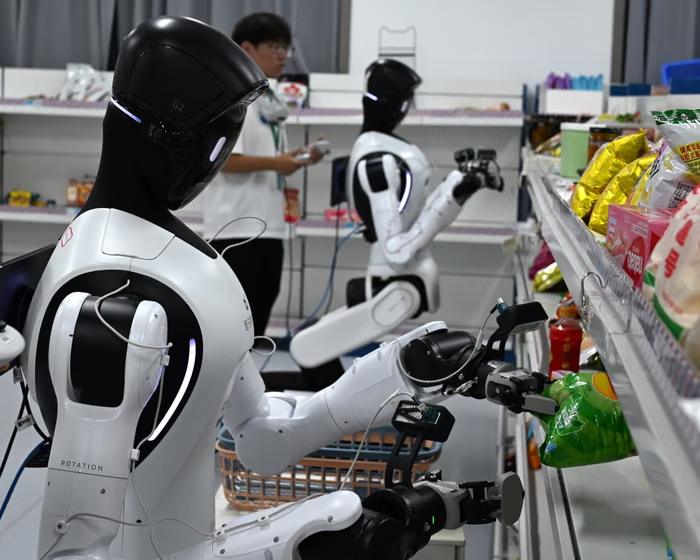
在中国与美国竞相争夺人工智能领先地位之际,北京方面已加大对人形机器人(又称具身人工智能)的投入,将其视为在社会各领域推广这项技术的关键。机器人技术也被视为解决中国人口结构问题的答案,例如人口老龄化和劳动力萎缩。
As China races with the US to pull ahead in AI, Beijing has doubled down on robotics – also known as embodied AI – as the key to rolling out the technology across society. Robotics is also seen as the answer to China’s demographic problems, such as the ageing population and the shrinking workforce.
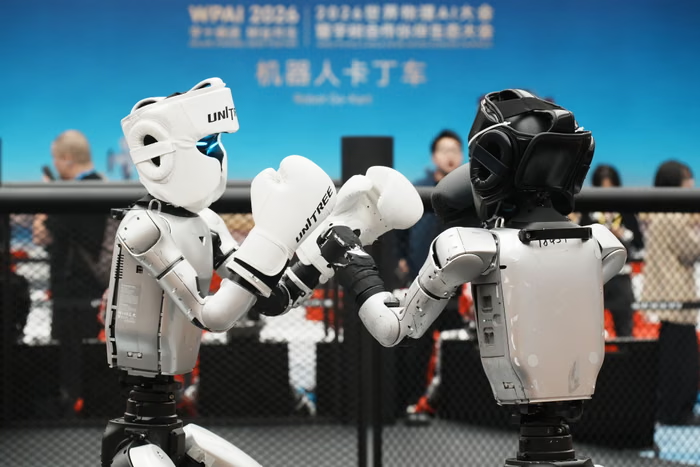
但机器人技术的需求主要由政府机构和研究机构推动,而非普通消费者,因为相关产品对后者而言仍然过于昂贵,且尚不实用,难以在家中使用。人形机器人和机器狗在娱乐行业颇受欢迎,但在家庭环境中仍未发挥作用。
But the demand for robotics is being driven by government agencies and research institutions, rather than everyday consumers, for whom the products are still too expensive and not yet practical for home use. Humanoid robotics and robotic dogs have been popular in the entertainment industry but are yet to be useful in home settings.
中国领先的机器人制造商宇树科技的股价自8月上市交易以来已下跌一半。
Shares in Unitree, China’s leading robot-maker, have halved since they started trading in August.
王说:“具身智能看起来不太可能在在面向大众的市场中转化为利润。”她表示,微薄的利润率、美国利率上升以及疲软的国内需求,都加剧了科技公司中的“普遍焦虑”。
“It doesn’t look like embodied intelligence could turn into profits in the in the mass market,” said Wang. Thin profit margins, rising rates in the US, and weak domestic demand were all contributing to a “general anxiety” among technology companies, she said.
中国政府希望本土投资者将资金投向国内。近几个月来,中国限制了海外投资,更多规定从12月1日起生效,但这些举措并未带来对中国市场投资的增加。
China’s government wants local investors to invest their money domestically. China has in recent months restricted overseas investment, with more regulations taking effect from 1 December, but these moves have not led to greater investment in the Chinese markets.
王补充说,其他科技领域仍存在乐观情绪,例如人工智能研究和卫星领域,后者之所以乐观,是因为其与军方的联系表明国家对该行业的长期支持。而在全球范围内,人工智能热潮预计至少还将持续一年。
Wang added that there was still optimism in other technology sectors, such as AI research and satellites, the latter because their links to the military indicates long term state support for the sector. And globally the AI boom is expected to last for at least another year.
周一,开发聊天机器人Claude的美国AI公司Anthropic在计划中的首次公开发行(IPO)前提交了文件,此次上市可能成为有史以来规模最大的股市上市活动之一。该公司预计将筹集高达1000亿美元的资金。
On Monday, US AI company Anthropic, which makes the chatbot Claude, filed paperwork ahead of a planned IPO that could be the biggest stock market debuts of all time. The company is expected to bring in as much as $100bn.
中国目前没有这样引人注目的IPO计划。尽管政策制定者面临出台刺激措施以促进投资,但预计在中国的一个政治敏感时期,不会有任何刺激措施宣布。
China has no such blockbuster IPOs on the horizon. And despite pressure on policymakers to introduce stimulus measures to boost investment, none are expected to be announced during a politically sensitive period in China.
本周,中国共产党高层官员齐聚一堂,召开五中全会,这次重要会议将为明年的第二十一届全国代表大会奠定基础。预计此次全国代表大会将确认中国领导人习近平连任第四个任期。在那之前,当局没有兴趣采取冒险或可能破坏稳定的政策措施,即使这些措施有可能提振经济。
This week the top officials in the Chinese Communist party are gathering for the fifth plenum, an important meeting that will lay the groundwork for next year’s 21st Party Congress. The Congress is expected to anoint Xi Jinping, China’s leader, for a fourth term. There is no appetite for risky or potentially destabilising policy measures before then, even if there is a chance they could boost the economy.
王表示,任何刺激措施都将是“高风险的”。“如果最终没有奏效呢?那么提出那个政策的人就要被追究责任。”
Any stimulus measure would be “high risk”, Wang said. “What if it doesn’t work out? Then whoever came up with that policy, that guy would be held accountable”.