
在Anthropic PBC这份具有里程碑意义的首次公开募股招股说明书中,列出的近100页风险因素里,既包括那些抓住头条的对人类构成灾难性威胁的因素,也标示了一个更为迫切、可能使业务脱轨的担忧:针对数据中心的日益高涨的反弹声浪。
Among the nearly 100 pages of risk factors outlined in Anthropic PBC’s landmark initial public offering are the catastrophic threats to humanity that have grabbed headlines. But it also flagged a more immediate concern that could derail business: mounting backlash against data centers.
Anthropic在招股说明书中警告称,公众争议和监管审查聚焦于环境影响、土地和水资源使用,以及对有限电力资源的消耗,这些因素恐将延缓或阻碍数据中心的开发。公司称,这将推高成本,并限制其扩展、开发和部署AI模型的能力。
Public controversy and regulatory scrutiny over the environmental impact, land and water use as well as consumption of limited power resources threaten to delay or prevent data-center development, Anthropic warns in the prospectus. That would raise costs and limit its ability to scale, develop and deploy AI models, it says.
该公司的担忧不无道理。对数据中心的厌恶情绪已将不同政治光谱上的人们以及全球各地的人们团结在一起。警告该技术可能造成生存风险,大概无法激发任何人愿意让AI繁荣在自家后院落地生根。
The company is right to worry. Hatred toward data centers has united people across the political spectrum and around the globe. Warning that the technology could create existential risks probably doesn’t inspire anyone to want to give the AI boom a physical address in their backyards.
对数据中心建设的反对声音已在澳大利亚、英格兰,甚至中国农村地区浮现。如今,这种情绪正在日本的部分地区开始滋长,就在这一时期,首相高市早苗正在大力推动大规模投资。与此同时,据报道,Anthropic正在与NTT数据集团进行最后阶段的谈判,拟在大阪附近建设日本最大的数据中心之一。
Opposition to the buildout has surfaced in Australia, England, and even rural China. Now, it’s starting to fester in pockets of Japan, just as Prime Minister Sanae Takaichi is pushing massive investment. Anthropic, meanwhile, is reportedly in final talks with NTT Data Group to build one of the country’s biggest data centers near Osaka.
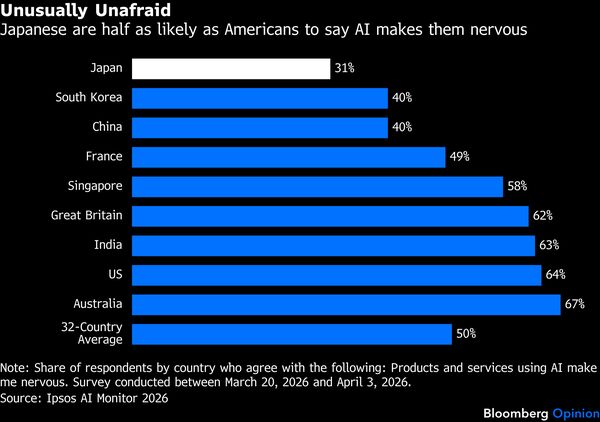
然而,尽管全球对该技术的焦虑情绪高涨,日本人对此却异常乐观——在这里,机器人更多被视为像哆啦A梦一样友善的助手,而非终结者。对于一个面临严重劳动力短缺和人口压力、规模较小且相对封闭的经济体而言,其潜在收益可能是巨大的。AI当前的许多优势恰好契合日本的短板:在涌入大量外国游客的国家提供翻译服务,在历史上硬件强于编程的科技行业提供软件工程支持,提升中小制造商的效率,以及减轻日益壮大的养老护理人员的行政负担。清单还在继续。
Yet while anxiety around the technology runs high globally, the Japanese are unusually sanguine about it — robots are seen here more as friendly helpers like than . For a smaller, relatively insular economy facing acute labor shortages and demographic pressures, the upsides could be enormous. Many of AI’s current strengths neatly address Japan’s acute gaps: translation in a country that has been flooded with foreign tourists, software engineering in a tech industry historically stronger in hardware than coding, boosting efficiency for small- and medium-size manufacturers, and easing administrative burdens for the growing cohort of elder caregivers. The list goes on.
目前,日本的反对声音分散且局限于局部,远未形成我们在美国看到的那种有组织的政治运动。但无论在哪里,都没有理由对此如此措手不及。我一直在追踪针对人工智能的反弹浪潮,而该行业隐含的威胁——即这项技术可能毁灭人类或夺走你的工作——从来都不是欢迎新邻居的有效方式。在硅谷泡沫之外,数据中心作为抽象技术革命的物理体现,已成为容易被攻击的靶子。这不仅仅关乎噪音、碍眼或用水问题。关键在于拥有发言权。
For now, Japan’s opposition is scattered and local, hardly close to the organized political movement we’re seeing in the US. But there was little excuse anywhere to be so caught off guard. I’ve been tracking the AI backlash for a while now, and the industry’s implicit threat that this might kill us all or take your job has never been an effective way to greet new neighbors. Outside of the Silicon Valley bubble, data centers as the physical manifestation of an abstract tech revolution have become easy targets. It’s more than noise, eyesore or water use. It’s about having a say.
这在一定程度上解释了为什么美国的反抗浪潮早已超越了“邻避效应”(NIMBYism)的范畴。近四分之三的美国人反对在其社区建设数据中心,而三分之二的人反对新建数据中心。这已产生实质性影响:据Data Center Watch统计,仅今年上半年,至少106个项目、涉及约1980亿美元投资被叫停或推迟。这给东京的教训是,不要假设这些只是孤立的“卢德分子”群体。
This is partly why the US revolt now goes far beyond NIMBYism. Nearly three-quarters of Americans oppose having a data center in their community, while two-thirds are against new ones. It’s already having a material impact: In the first half of this year alone, at least 106 projects, representing roughly $198 billion in investment, were blocked or delayed, according to Data Center Watch. It offers lessons for Tokyo to not assume these are just isolated groups of Luddites.
彭博新能源财经(BloombergNEF)评估认为,鉴于成熟的数字基础设施产业,日本在亚太地区经合组织(OECD)市场中拥有最有利的数据中心发展环境。日本已拥有约2吉瓦(GW)的运营IT产能,在该地区仅次于中国。局部反对是潜在威胁,但更直接的制约因素是电力。
Japan has the most favorable environment for data center development among the OECD markets in the Asia-Pacific, given its established digital infrastructure sector, BloombergNEF assessed. It already has some 2GW of operating IT capacity, second in the region only to China. Local opposition is a lurking threat, but the more immediate constraint is power.
这些设施运行服务器和冷却系统需要吞噬巨量能源,而日本向来不富裕于能源。SMBC日兴分析师表示,新建数据中心和芯片工厂的电力需求预计将从2026年不足全国用电量的1%,增至2035年的近7%。应对这一挑战有助于催化向清洁能源的更广泛转型。
These facilities guzzle enormous amounts of energy to run servers and cooling, and Japan has never been energy rich. Power demand from new data centers and chip fabs is expected to rise from less than 1% of the country’s electricity consumption in 2026 to nearly 7% by 2035, SMBC Nikko analysts have said. Addressing this challenge could help catalyze a broader shift toward clean energy.
政府方面似乎意识到了这个问题。高市早苗承诺“充足稳定的电力供应”,以满足数据中心日益增长的需求,并重申此前“采取一切可能措施”的承诺。政策方向是正确的, albeit雄心勃勃。但增加对绿色能源的投资将有助于日本在未来建立韧性,而不仅仅是为这些设施供电。
The government, for its part, seems aware of the problem. Takaichi has pledged a “sufficient and stable supply of electricity” to meet the growing demands from data centers, doubling down on an earlier promise to “take all possible measures” to do so. The policy direction is right, if ambitious. But increasing investments in green energy will help Japan build resilience in the future, not just power these facilities.
目前,大部分数据中心容量集中在大东京地区和大阪。考虑到地震或其他意外冲击的风险,官员们已确定了北海道、九州及其他地区的潜在未来选址。将基础设施分散到拥挤的城市地区之外,还能减少一些引发其他地方反对的扰民投诉。
Currently, most data center capacity is concentrated in the Greater Tokyo region and Osaka. Mindful of risks in the event of earthquakes or other unexpected shocks, officials have identified potential future sites in Hokkaido, Kyushu and elsewhere. Spreading infrastructure beyond crowded urban areas would also reduce some of the nuisance complaints that have fueled opposition elsewhere.
日本最初在采用人工智能方面行动迟缓,但使用量终于激增。随着投资者开始质疑昂贵且炒作驱动的人工智能基础设施热潮的回报,这种延迟如今可能成为该国承受不起浪费的后发优势。
Japan was initially slow to adopt AI, but usage has finally surged. That delay could now become a second-mover advantage that the country can’t afford to squander as investors start questioning the payoff from the expensive, hype-fueled AI infrastructure spree.
该国长期以来一直擅长开发服务于人的基础设施,从准点运行的列车到促进社区建设的城市设计。这可能是一个重大优势。如果东京能够在不引起邻居强烈反对的情况下建设数据中心,它就可能定义下一步的发展方向。
The country has long excelled at developing infrastructure that works for people, from trains that run on time to urban design that fosters community. That could be a major advantage. If Tokyo can construct data centers without neighbors bringing out the pitchforks, it could define what comes next.