AI 热潮导致全国范围内的能源需求激增。批评人士称,这种连接激增正在对美国老化的电网基础设施进行压力测试。人们担心,短期内,能源紧张可能导致电费飙升,长期来看,最终可能导致停电或其他技术问题。
The AI boom has led to a gargantuan surge in energy demand across the country. Critics say this upswell in connections is enacting a stress test on America’s aging grid infrastructure. Worries abound that, in the short term, the energy crunch could lead to surging electrical bills and, in the long term, may eventually lead to outages or other technical problems.
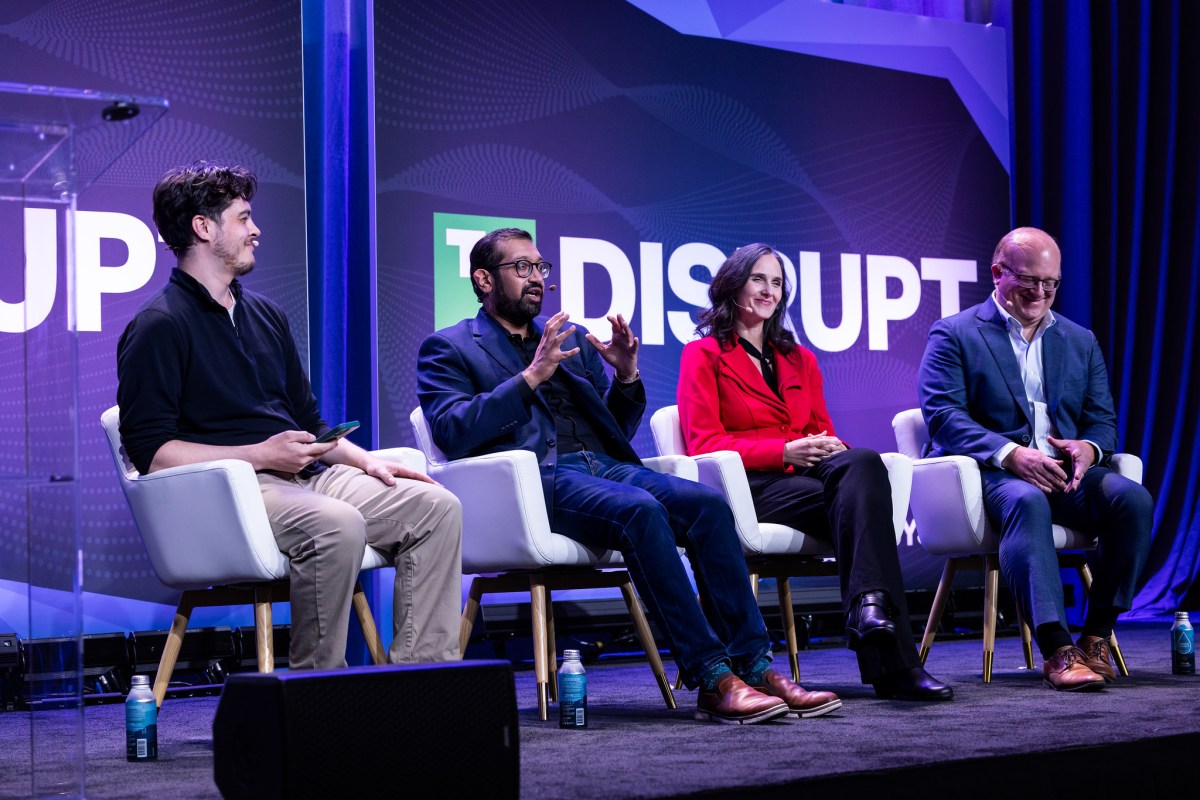
本月初在 TechCrunch Disrupt 大会上,业内人士用对新能源连接浪潮实际上可能为电网现代化敞开大门的乐观情绪,缓和了许多批评。Weavegrid 创始人兼首席执行官 Apoorv Bhargava、Veir 首席执行官 Tim Heidel 以及 Rewiring America 政策副总裁 Kristen Eberhard 表示,尽管电网面临新挑战,但也存在大量新机遇。
At TechCrunch Disrupt earlier this month, industry insiders tempered much of this criticism with optimism about how the flood of new energy connections could actually be opening the door for grid modernization. Apoorv Bhargava, founder and CEO of Weavegrid, Tim Heidel, CEO of Veir, and Kristen Eberhard, VP of policy at Rewiring America, said that though the grid faces new challenges, there are also plenty of new opportunities as well.
“这是一个截然不同的电网,对吧?”Bhargava 说。“我们要应对大量新变量,包括可再生能源。我们要应对大量新负荷,形式包括电动汽车、数据中心和热泵,而管理和编排这些负荷的能力,正是公用事业公司目前正在努力解决的根本问题。”虽然所有这些新连接都在给电网带来越来越大的压力,但 Bhargava 的公司希望提供负荷编排和管理,帮助公用事业公司充分发挥现有系统的潜力。
“It’s a very different electric grid, right?” said Bhargava. “We’re dealing with a ton of new variables, including renewable energy. We’re dealing with a ton of new load in the form of electric vehicles and data centers and heat pumps, and the ability to manage and orchestrate is fundamentally what utilities are now grappling with.”While all of those new connections are driving an ever larger amount of stress to the grid, Bhargava’s company hopes to provide the kind of load orchestration and management that helps utilities maximize the potential of the current system.
这位创始人表示,Weavegrid 的软件可以帮助组织高效部署能源,同时优化连接,以降低公用事业用户的账单。
Weavegrid’s software can help organizations efficiently deploy energy while also optimizing connections to reduce utility payers’ bills, the founder said.
另一方面,Heidel 经营的一家公司正致力于建设并扩展电网的物理基础设施,同时让其运行效率大幅提升。Veir 销售超导输电线,据称其传输能源的效率远高于传统线路。该公司表示,Veir 的电缆输电距离是传统电缆的五倍,所需空间仅为传统电缆的二十分之一。本月初,这家初创企业在 C 轮融资中筹集了 1.1 亿美元。
Heidel, on the other hand, runs a company that is working to build out and expand the physical infrastructure of the grid, while also making it run much more efficiently. Veir sells superconductive power lines that promises to transfer energy at a much more efficient rate than traditional ones. Veir’s cables can carry power five times further than traditional cables while also requiring 20 times less space, the company has said. Earlier this month the startup raised $110 million in a series C funding round.
“AI 基础设施投资的规模正在推动大量创新,”Heidel 说。“有大量新技术正从货架上走下来并开始规模化应用,把它们整合在一起,实际上真的能确保数据中心成为最好的社区邻居和公民。”
“The scale of the investment in AI infrastructure is driving a tremendous amount of innovation,” said Heidel. “There’s a ton of new technologies that are coming off the shelves and starting to get to scale that, pulled together, can actually really make sure that data centers are the best community neighbors and citizens be right.”
他补充道:“我认为我们真的需要寻找途径,尽快采纳所有这些技术,以缓解这一下一阶段的增长压力。”Eberhard 所在的组织倡导家庭电气化,他也表示,虽然数据中心能源需求的激增给现代化事业带来了新的紧迫感,但也创造了一个行业愿意尝试新事物的环境。
He added: “I think that we really need to look at ways that we can really adopt all of that as fast as possible to ease this next stage of growth.”Eberhard, whose organization advocates for household electrification, also said that while the surge in data center energy demand has spurred a new urgency to the modernization cause, it has also created an environment where industries are ready to try new things.
“我觉得这个 AI 和负荷增长的时代是一个即兴发挥的时代,”Eberhard 说。“到处都在‘是的,而且’。所以是的,我们需要更多输电线路。是的,我们需要更多集中式电厂,我们也需要确保利用好所有那些我们以前因缺乏 AI 需求的紧迫感而搁置一旁的其他东西。”
“I feel like this era of AI and load growth is a very improv era,” Eberhard said. “There’s a lot of yes-and-ing going on. So yes, we need more transmission lines. Yes, we need more centralized power plants, and we also need to make sure that we’re taking advantage of all this other stuff that we had previously been leaving on the table when we didn’t have this urgency of the AI demand.”