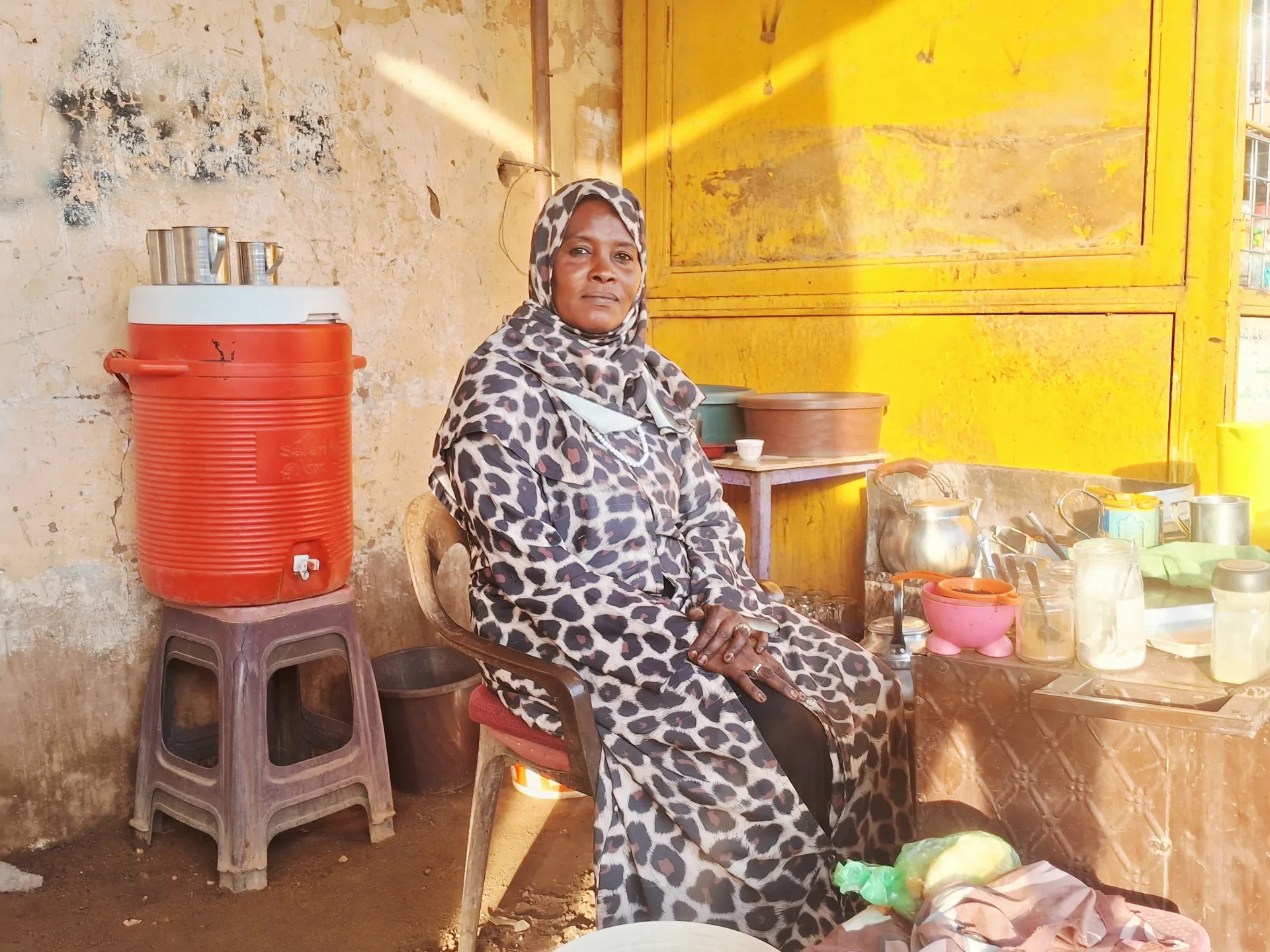
拉沙·阿卜杜勒阿齐兹·穆萨每天工作七小时卖茶。但等到晚上10点收工时,她仍不确定是否赚够了钱养活四个孩子。
Rasha Abdelaziz Musa works every day for seven hours selling tea. But by the time she finishes for the day at 10pm, she’s still unsure if she has enough to feed her four children.
今年39岁的穆萨竭尽全力,但她的收入越来越不足以支付苏丹首都飙涨的食品价格。
Musa, 39, is doing her best, but her earnings are increasingly no longer enough to cover soaring food prices in the Sudanese capital.
她的丈夫是苏丹军队成员,已在该国战争前线度过了八个多月,自2023年以来,军方一直在与准军事组织快速支援部队交战。穆萨已有数月未收到丈夫的消息,他也未寄回任何钱款。
Her husband, a member of the Sudanese military, has spent more than eight months on the front lines of the country’s war, in which the military has been fighting the paramilitary Rapid Support Forces since 2023. Musa has not heard from him for months, and he has sent no money.
丈夫不在身边,穆萨只能独自供养正在上幼儿园、小学和中学的孩子们。
In his absence, Musa has been left to provide for their children, who attend kindergarten, primary and secondary school.
穆萨告诉半岛电视台,不算房租、日用品和其他开销,养家每天大约需要4万苏丹镑(按平行市场汇率约合4美元)。
Musa told Al Jazeera that feeding her family costs about 40,000 Sudanese pounds per day ($4 at the parallel-market exchange rate) before accounting for rent, household essentials and other expenses.
家里的主食包括富尔·梅达梅斯(一种炖蚕豆菜)或扁豆。扁豆太贵时,穆萨就做塔米亚(即法拉费尔)三明治。物价经常变动,穆萨一天下来常常欠着食品商贩的债。
Some of the family staples are ful medames, a dish of stewed fava beans, or lentils. When lentils are too expensive, Musa serves taamiya, or falafel, sandwiches. Prices regularly change, and Musa often ends the day in debt to the traders she gets her food from.
大家庭举步维艰 穆萨并非唯一在为家庭日常开销发愁的人。61岁的艾哈迈德·优素福在屠宰场工作,偶尔也做牲畜买卖的中介,供养一个12口之家。成交时他能赚9万至14万苏丹镑(约合9至14美元),但这笔收入不固定。
Large families struggle Musa is not alone in struggling to cover her family’s daily expenses Ahmed Youssef, 61, supports a family of 12 through his work in a butcher’s shop and as an occasional intermediary in livestock sales. He can earn 90,000 to 140,000 pounds ($9 to $14) when a deal succeeds, but that income is irregular.
他告诉半岛电视台,家庭日均开销超过10万苏丹镑(约合10美元),收入已不再足以养家糊口。
He told Al Jazeera that his household spends more than 100,000 Sudanese pounds ($10) daily and his income is no longer enough to support the family.
“单一收入已无法满足家庭需求,有时大孩子不得不出去打工帮补贴家用,”优素福告诉半岛电视台。
“One income is no longer enough to cover the family’s needs, and sometimes my older children have to work to help meet expenses,” Youssef told Al Jazeera.
阿里·法迪勒(Ali Fadil)供养一个10口之家。由于没有固定工作,他每天清晨都去市场寻找零工。有些日子,这位57岁的老人能赚到足够买食物的钱,但也有日子完全找不到活干。即便如此,他的日常开支仍达到约7万苏丹镑(约合7美元),物价上涨更加剧了他面临的经济压力。
Ali Fadil supports a family of 10. Without a permanent job, he goes to the market each morning to look for work. Some days, the 57-year-old earns enough to buy food, but on other days, he finds no work at all. And yet his daily expenses still reach about 70,000 pounds ($7), with rising prices adding to the financial pressure he faces.
“有时我会省下一顿饭的钱,用来支付学费或医疗费,”他说。“我也会借钱来应付其他开销。”供养12口之家的艾哈迈德·优素福(Ahmed Youssef)表示,他在喀土穆的家庭每天在食物上的开支超过10万苏丹镑。[Abdelazim Allahgabo/半岛电视台]
食品价格随苏丹镑贬值而上涨半岛电视台上周对喀土穆州地区四个当地市场进行的调查发现,几种主要食品的价格在几天内大幅上涨,使得家庭越来越难以规划开支。
“Sometimes I skip meals so I can pay for school fees or medical costs,” he said. “I also borrow money to meet other obligations.”Ahmed Youssef, who supports a family of 12, says his Khartoum household spends more than 100,000 Sudanese pounds a day on food [Abdelazim Allahgabo/Al Jazeera] Food prices rise as Sudanese pound weakens A survey of four local markets in the Khartoum State area by Al Jazeera last week found that prices for several essential foods had risen sharply within days, making it increasingly difficult for families to plan their spending.

一公斤(2.2磅)白糖售价约1万苏丹镑(约合1美元),两天前为9000苏丹镑(约合0.90美元)。一升(1夸脱)食用油涨至2.5万苏丹镑(约合2.50美元),此前为2万苏丹镑(约合2美元);一条面包售价500苏丹镑(约合0.05美元),一周前为300苏丹镑(约合0.03美元)。
A kilogramme (2.2.lb) of sugar cost about 10,000 pounds ($1), up from 9,000 pounds ($0.90) two days earlier. A litre (1 quart) of cooking oil rose to 25,000 pounds ($2.50) from 20,000 pounds ($2) while a loaf of bread costs 500 pounds ($0.05), compared with 300 pounds ($0.03) a week earlier.
扁豆每公斤约1万苏丹镑(约合1美元),上涨前为8000苏丹镑(约合0.80美元);大米每公斤1.3万苏丹镑(约合1.30美元),此前为1万苏丹镑(约合1美元)。奶粉每公斤达7万苏丹镑(约合7美元),两天前为6万苏丹镑(约合6美元)。
Lentils cost about 10,000 pounds ($1) per kilogramme, up from 8,000 pounds ($0.80), and rice was priced at 13,000 pounds ($1.30) per kilogramme, up from 10,000 pounds ($1). Powdered milk reached 70,000 pounds ($7) per kilogramme, up from 60,000 ($6) two days earlier.
苏丹镑也持续贬值。据半岛电视台监测的汇率,周五在平行市场上,1美元兑换10050苏丹镑,前一天为9500苏丹镑。
The Sudanese pound has also continued to weaken. According to exchange rates monitored by Al Jazeera, $1 was trading at 10,050 Sudanese pounds on the parallel market on Friday, compared with 9,500 the previous day.
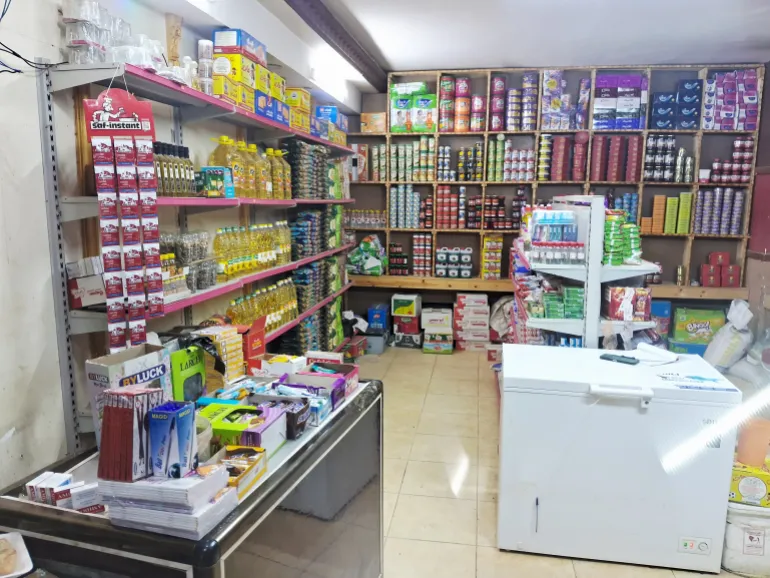
喀土穆一家商店出售的主要食品 [Abdelazim Allahgabo/半岛电视台]
食品通胀加剧家庭压力官方数据进一步证明了生活成本的上升,特别是在喀土穆和其他城市地区。
Essential food items on sale at a shop in Khartoum [Abdelazim Allahgabo/Al Jazeera] Food inflation adds to pressure on households Official figures offer further evidence of the rising cost of living, particularly in Khartoum and other urban areas.
苏丹中央统计局的数据显示,9月份全国物价比去年同期上涨28%,高于8月份的26%。仅9月一个月,物价就上涨了7.5%,是上月涨幅的两倍多。
According to Sudan’s Central Bureau of Statistics, prices across the country were 28 percent higher in September than a year earlier, up from 26 percent in August. Prices rose by 7.5 percent in September alone, more than double the increase recorded the previous month.
食品价格的涨幅更大。9月份苏丹全国食品和饮料价格同比上涨近37%,高于8月份约21%的同比涨幅。仅9月一个月,食品价格就飙升了17%以上。
Food prices have risen even faster. Across Sudan, food and beverages cost nearly 37 percent more in September than a year earlier, up from an annual increase of about 21 percent in August. In September alone, food prices jumped by more than 17 percent.
喀土穆州的形势尤为严峻,物价比去年同期高出近60%。仅9月一个月物价就上涨超过15%,而8月份的涨幅为近9%。
The situation was particularly severe in Khartoum State, where prices were nearly 60 percent higher than a year earlier. Prices rose by more than 15 percent in September alone, following an increase of nearly 9 percent in August.
这一急剧上涨之际,首都地区正艰难地从战争造成的大面积破坏中恢复。尽管自去年军方从快速支援部队手中夺回该州以来,流离失所的居民已开始返回、商铺也在逐步重新开张,但受损的基础设施和不断上涨的运输成本仍在制约商品的供应。
That sharp increase comes as the capital region struggles to recover from widespread destruction caused by the war. Although displaced residents have begun returning and businesses are gradually reopening since the military recaptured the state from the RSF last year, damaged infrastructure and rising transport costs continue to constrain the availability of goods.
居民的返回也增加了对基本物资的需求,进一步推高了物价。9月份,由于消费增长速度超过供应补充速度,燃料短缺冲击了首都。
The return of residents has also increased demand for essential supplies, further driving up prices. In September, fuel shortages hit the capital as consumption rose faster than supplies could be replenished.
总体而言,城市地区受到的冲击比农村社区更为严重。城镇的食品价格比去年同期高出55%,高于8月份的约40%。总体来看,过去一年城市地区物价上涨了40%,而农村地区约为21%。
Urban areas have generally been hit harder than rural communities. Food prices in towns and cities were 55 percent higher than a year earlier, up from about 40 percent in August. Overall, prices in urban areas rose by 40 percent over the past year, compared with about 21 percent in rural areas.
战争是这些涨价的主要推手,破坏了民众生计和供应链。据世界银行的数据,由于战争重创企业、扰乱农业生产并导致大量工作岗位消失,苏丹经济2023年估计萎缩了29%,2024年又进一步萎缩了14%。
The war is the main driver of these increases, disrupting livelihoods and supply chains. According to the World Bank, Sudan’s economy shrank by an estimated 29 percent in 2023 and a further 14 percent in 2024 as the war devastated businesses, disrupted agricultural production and eliminated jobs.
国际移民组织称,这场冲突还迫使数百万人逃离家园,截至4月,仍有近890万人在国内流离失所。
The conflict has also forced millions of people from their homes with nearly 8.9 million people still internally displaced as of April, according to the International Organization for Migration.
战争摧毁生计。记者兼经济事务专家哈立德·泰克斯表示,苏丹经济的恶化早在战争爆发之前就已开始。2011年南苏丹分离后石油产量下降,使状况进一步恶化,此外还有苏丹镑贬值、现金短缺、国际孤立、政治冲突以及2019年总统奥马尔·巴希尔被罢免前数年的腐败问题。
War destroys livelihoods Journalist and economic affairs specialist Khalid Teks said Sudan’s economic deterioration began long before the war. Falling oil production after South Sudan’s secession in 2011 worsened conditions as did the depreciation of the pound, cash shortages, international isolation, political conflict and corruption in the years preceding the removal of President Omar al-Bashir in 2019.
泰克斯说,权力过渡期间的政治不稳定削弱了苏丹的经济表现,而在2023年战争爆发前,深度改革并未得到实施。冲突摧毁了基础设施和生产部门,耗尽了储蓄,扰乱了经济活动。气候也是一个因素。2024年农业产量强劲,但随后人们担忧今年降雨有限,以及11月收获开始后可能出现粮食短缺。
Teks said political instability during the power transition undermined Sudan’s economic performance, and deep reforms were not implemented before war broke out in 2023. The conflict devastated infrastructure and productive sectors, depleted savings and disrupted economic activity. The climate has also been a factor. Strong agricultural production in 2024 was followed by concern over limited rainfall this year and possible food shortages after the harvest begins in November.
泰克斯告诉半岛电视台,越来越多的家庭耗尽储蓄、变卖财物以支付日常开支。
Teks told Al Jazeera that families increasingly deplete their savings and sell their possessions to cover everyday expenses.
他还指出,汇款渠道受到干扰,而许多苏丹家庭依赖汇款获得经济支持。
He also pointed to disruptions to remittance channels, which many Sudanese households rely on for financial support.
泰克斯呼吁改善人道主义准入、结束战争、向弱势家庭提供直接支持,并为小企业和手工业企业提供低息贷款。
Teks called for easier humanitarian access, an end to the war, direct support for vulnerable households and low-interest loans for small businesses and craft enterprises.
泰克斯说:“政府需要通过专项基金和天课局提供直接支持,为人道主义组织提供便利,并为小企业和职业活动提供可负担的贷款。这可能有助于重新开放市场和作坊,并扩大小额信贷。”
“The government needs to provide direct support through dedicated funds and the Zakat Chamber, facilitate humanitarian organisations and offer affordable loans for small businesses and vocational activities,” Teks said. “This could help reopen markets and workshops and expand microfinance.