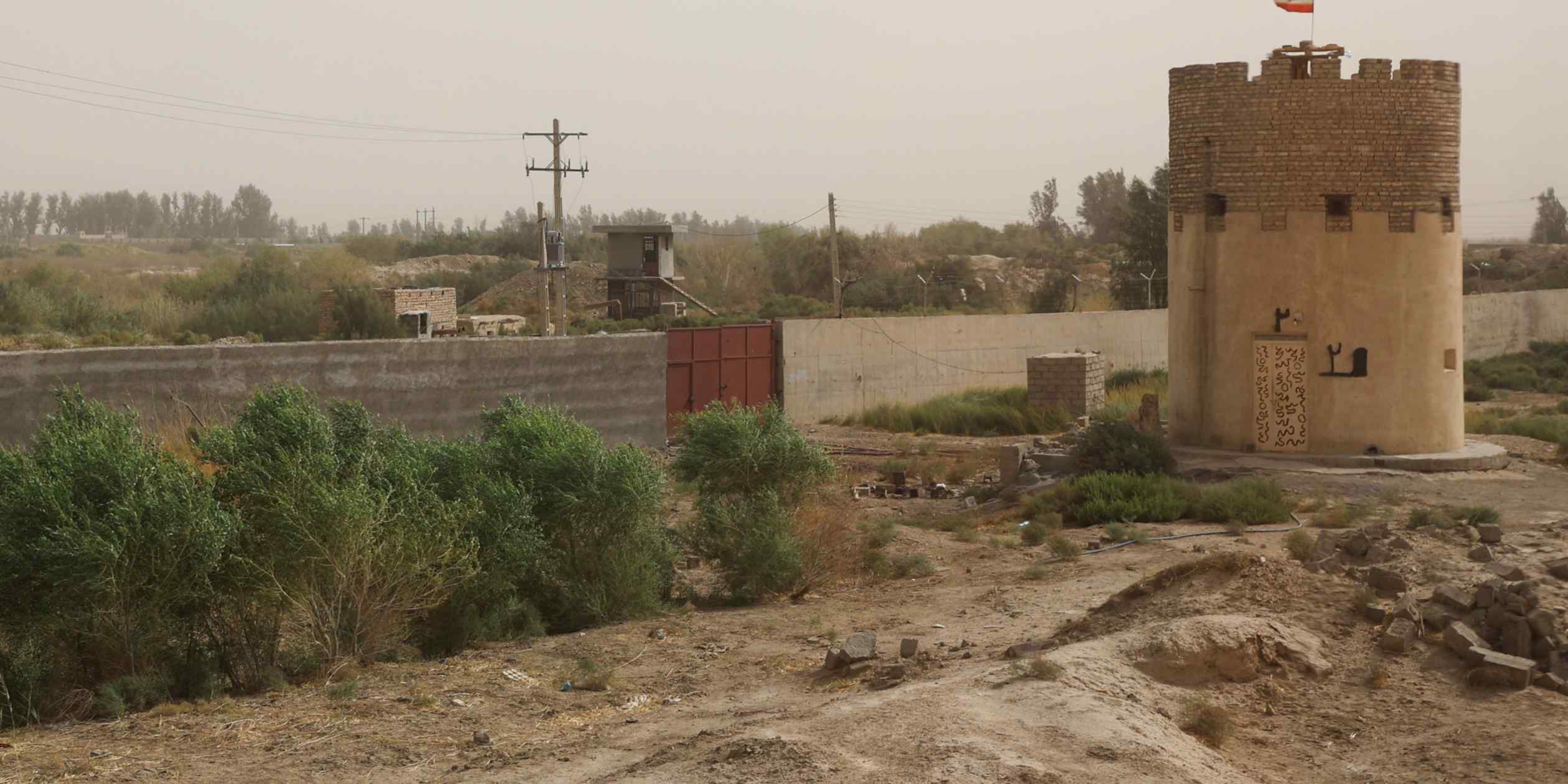
伊斯兰堡 —— 一些分析人士称,与美国和以色列的战争使伊朗激进分子胆大妄为,削弱了德黑兰对东南部偏远省份的控制,叛乱分子在巴基斯坦边境附近夺取了领土。
ISLAMABAD -- The war with the U.S. and Israel has emboldened Iranian militants who are weakening Tehran's control in a remote southeastern province, with insurgents seizing territory near the Pakistan border, some analysts say.
近几个月来,伊朗锡斯坦-俾路支斯坦省的逊尼派激进分子加强了伏击、针对伊朗安全部队的路边炸弹袭击以及对安全设施的攻击。全球冲突监测机构ACLED记录显示,从1月到10月第一周,逊尼派激进分子在该省发动了70起武装袭击,称此类案件“已达到至少十年来的最高年度水平”。另据总部设在美国的伊朗人权新闻机构“人权活动家通讯社”统计,自3月以来,激进分子袭击已造成94人死亡。
In recent months, Sunni militants in Iran's Sistan and Baluchestan province have intensified ambushes, roadside bombings targeting Iranian security forces and attacks on security installations. ACLED, a global conflict monitor, recorded 70 armed attacks by Sunni militants in the province from January through the first week of October, saying such cases are "already at the highest annual level in at least a decade." Separately, Human Rights Activists News Agency, a U.S.-based Iranian human rights news organization, has documented 94 deaths from militant attacks since March.
9月23日,伊朗伊斯兰革命卫队高级指挥官侯赛因·扎里菲准将在靠近巴基斯坦边境的萨拉万市一次安全行动中被击毙。
On Sept. 23, Brig. Gen. Hossein Zarifi, a top commander of Iran's Islamic Revolutionary Guard Corps, was killed during a security operation in Saravan, a city near the border with Pakistan.
据美国安全刊物《长期战争期刊》报道,一些袭击是由一个名为“人民战士阵线”的联盟实施的,该组织也以其波斯语缩写JMM为人所知。该组织由“正义军”、俾路支PADA运动、“俾路支斯坦胜利运动”以及“穆罕默德·拉苏鲁拉组织”等组织组成,“正义军”是主要的逊尼派俾路支激进组织。
Some attacks have been carried out by an alliance called the People's Fighters Front, also known by its Persian acronym JMM. According to Long War Journal, a U.S.-based security publication, the group comprises organizations such as Jaish al-Adl, the leading Sunni Baloch militant organization, the PADA Baloch Movement, Harakat-e Nasr Balochistan, and the Mohammad Rasulullah group.
根据网上发布的JMM成立章程,该组织的既定目标包括:结束这个什叶派占多数国家目前的神权统治体制;保护以逊尼派为主的俾路支人口的政治、文化和宗教权利;并带来更广泛的政治变革。
According to JMM's founding charter, shared online, the group's declared objectives include ending Iran's current clerical system in the Shia-majority country, protecting the political, cultural and religious rights of the Baloch population, which is largely Sunni, and bringing about broader political changes.
该省的武装激进活动在21世纪初因“真主军”(Jundallah,意为“真主的战士”)的出现而变得突出,这是一个由阿卜杜勒马利克·里吉(Abdolmalek Rigi)领导的分离主义逊尼派武装组织。2010年里吉被伊朗处决后,该运动分裂,“正义军”(Jaish al-Adl)于2012年前后成为其主要继承者,持续袭击伊朗安全部队。
Armed militancy in the province gained prominence in the early 2000s with the emergence of Jundallah, which translates as Soldiers of God, a separatist Sunni militant group led by Abdolmalek Rigi. Following Rigi's execution by Iran in 2010, the movement splintered, and Jaish al-Adl emerged around 2012 as its principal successor, continuing attacks on Iranian security forces.
两名分析人士向《日经亚洲评论》表示,随着袭击次数增加,如果美国在周二美国人投票后对伊朗发动全面攻击,该武装组织可能会试图夺取锡斯坦-俾路支斯坦省的领土。
Two analysts have told Nikkei Asia that, with the rising number of attacks, the militant group could attempt to seize territory in Sistan and Baluchestan province if the U.S. launches a full-scale attack on Iran after Americans vote on Tuesday.
利雅得费萨尔国王研究与伊斯兰研究中心副研究员乌梅尔·卡里姆(Umer Karim)表示:“伊朗与美国的冲突再次给该地区的叛乱分子攻击伊朗安全部队提供了动力,因为他们现在也忙于准备与美国打另一场仗。”他指2025年的短暂冲突为先例。
"The Iran-U.S. conflict again gave insurgents in this region an incentive to attack Iranian security forces, as they are now also preoccupied with preparing to fight another war against the U.S.," said Umer Karim, an associate fellow at the Riyadh-based King Faisal Center for Research and Islamic Studies, referring to the short-lived conflict in 2025 as a precedent.
卡里姆补充称,这一次美国将重点支持俾路支叛乱分子夺取领土。“这将给伊朗带来在其本土作战的独特挑战,”他说,“使其难以完全专注于对整个[中东]地区目标或针对美国设施的袭击。”华盛顿智库中东研究所高级研究员亚历克斯·瓦坦卡(Alex Vatanka)表示赞同,并指出叛乱分子看到了德黑兰专注于应对美国和以色列的机会。
Karim added that this time the U.S. would focus on supporting the Baloch insurgents to take over territory. "This would present Iran with a unique challenge of a war on its home turf," he said, "making it difficult to fully focus on its attacks against targets across the [Middle East] region or against U.S. installations." Alex Vatanka, a senior fellow at the Middle East Institute, a Washington-based think tank, agreed, noting that the insurgents see an opportunity in Tehran's preoccupation with confronting the U.S. and Israel.
“他们可能会计算,伊朗削弱的安全能力给了他们更大的行动自由,”他说。“巴基斯坦边境沿线日益加剧的不稳定可能会扰乱重要贸易路线,并迫使伊朗向东调配安全资源。”
"They may calculate that Iran's weakened security capacity gives them greater freedom to operate," he said. "Growing instability along the Pakistani border could disrupt vital trade routes and force Iran to divert security resources eastward.
“更大的危险在于,长期战争可能将局部不满转化为对国家凝聚力[在伊朗]的更广泛挑战。”据国际危机组织称,锡斯坦-俾路支斯坦省的俾路支族少数民族约占伊朗人口的2%至4%。
"The greater danger is that a prolonged war could turn localized grievances into a broader challenge to national cohesion [in Iran]." The Baloch ethnic minority in Sistan and Baluchestan province makes up an estimated 2% to 4% of Iran's population, according to the International Crisis Group.
瓦坦卡也是《伊朗与巴基斯坦:安全、外交与美国影响》一书的作者,他说,紧张局势的根本原因是种族、经济和教派方面的不满,以及对德黑兰安全政策的怨恨。“战争通过耗尽伊朗的安全机构资源,并加剧了本已边缘化地区的经济困境,加重了这些紧张局势,”他说。
Vatanka, also the author of "Iran and Pakistan: Security, Diplomacy and American Influence," said the underlying causes of tension are ethnic, economic and sectarian grievances, and resentment toward Tehran's security policies. "The war has aggravated these tensions by stretching Iran's security apparatus and deepening economic hardship in an already marginalized region," he said.
伊朗东南部省份安全局势恶化可能对巴基斯坦产生负面影响。许多专家指出,与伊朗锡斯坦-俾路支斯坦省接壤的巴基斯坦俾路支斯坦省已经处于动荡之中,卡里姆警告称,伊斯兰堡可能会在边境地区失去一名“安全伙伴”。
A deteriorated security situation in Iran's southeastern province could negatively affect Pakistan. With many experts noting that Pakistan's Balochistan province, which neighbors Iran's Sistan and Baluchestan province, is already destabilized, Karim warns that Islamabad could lose a "security partner" in the border region.
“如果伊朗方面暴力升级,伊朗国家的管辖权减弱,”他说,“巴基斯坦将不再拥有可以在伊朗一侧进行协调的安全伙伴。”阿德南·阿米尔是特约撰稿人。
"In case of heightened violence on the Iranian side and weakening of the Iranian state's writ," he said, "Pakistan will no longer have a security partner to coordinate on the Iranian side." Adnan Aamir is a contributing writer.