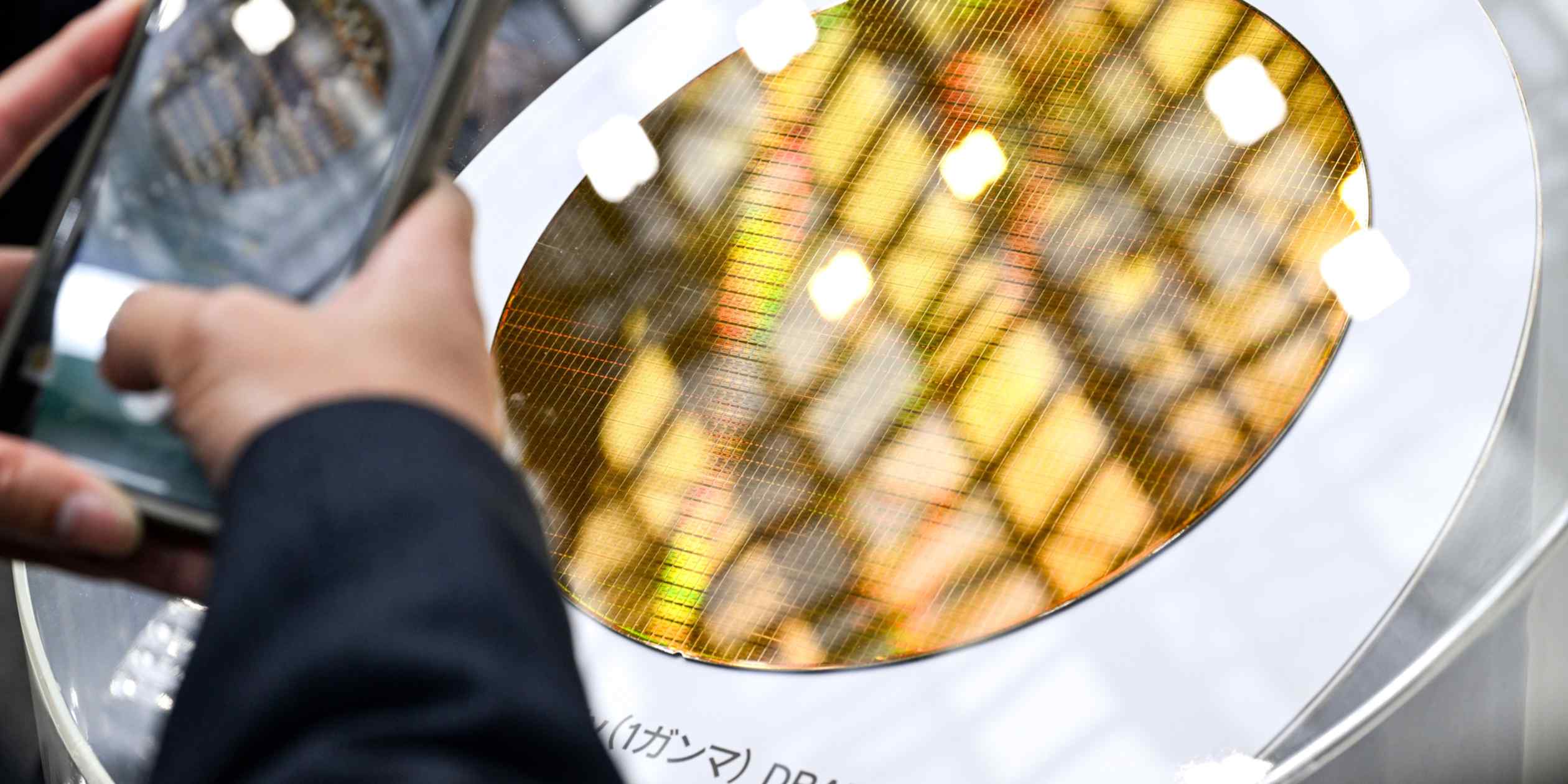
东京——政府数据显示,日本芯片相关产品出口在4月至9月期间按金额计算同比增长41%,其中部分存储产品的出口价格因人工智能数据中心的强劲需求而飙升约五倍。
TOKYO -- Japan's exports of chip-related products rose 41% on the year in the April-September period in value terms, government data shows, with export prices for some memory products surging roughly fivefold on strong AI data center demand.
根据日本财务省周四公布的初步贸易统计数据,日本芯片相关出口在本财年上半年达到7.66万亿日元(485亿美元)。
Japan's chip-related exports reached 7.66 trillion yen ($48.5 billion) in the first half of the fiscal year, according to preliminary trade statistics released by the Ministry of Finance on Thursday.
日本这六个月的出口总额达到63.44万亿日元,同比增长18%,为1979年有可比记录以来的最高水平。进口总额也创下66.29万亿日元的历史新高,增长21%。
The country's total exports for the six months reached 63.44 trillion yen, up 18% year on year and the highest level since comparable records began in 1979. Total imports also hit a record high of 66.29 trillion yen, up 21%.
尽管由于原油价格上涨,日本的贸易逆差翻倍至2.85万亿日元,但芯片相关出口将整体出口推高了2.23万亿日元,有助于减轻对贸易收支的影响。
Although Japan's trade deficit doubled to 2.85 trillion yen on higher crude oil prices, chip-related exports boosted overall exports by 2.23 trillion yen, helping to mitigate the impact on the trade balance.
出口增长得益于人工智能和数据中心需求推动的芯片相关产品价格上涨,尤其是在美国。
The export growth was fueled by rising prices for chip-related products fueled by demand for AI and data centers, particularly in the U.S.
日本央行统计数据显示,以日元计价的MOS存储集成电路——现代各类存储器的基础——9月出口单价同比上涨4.8倍。
Bank of Japan statistics show that the yen-based export unit price of MOS memory integrated circuits -- the foundation for various types of modern memory -- was up 4.8-fold on the year in September.
上半年贸易数据显示,DRAM短期存储芯片出口同比增长两倍,达到43亿日元,而出口量增长25%,达到73.6万件。按海关结算日元金额计算的平均出口价格跃升140%,达到每件5844日元。包括长期NAND芯片在内的闪存出口价格上涨了两倍多。
The first-half trade data shows that exports of DRAM short-term memory chips tripled year on year to 4.3 billion yen, while export volumes rose 25% to 736,000 units. The average export price, based on customs-cleared yen values, jumped 140% to 5,844 yen per unit. Export prices for flash memory, including long-term NAND chips, more than tripled.
“优先供应面向人工智能需求的高价产品,也推高了整体单价,”明治安田研究所首席研究员藤田隆文表示。
"The fact that priority is being given to supplying higher-priced products for AI demand is also pushing up overall unit prices," said Takafumi Fujita, chief researcher at the Meiji Yasuda Research Institute.
半导体相关产品(也包括芯片制造设备)将日本整体出口增长率推高了4.2个百分点,超过了汽车及汽车零部件合计贡献的2.5个百分点,后者是日本的核心产业之一。
Semiconductor-related products, which also include chipmaking equipment, lifted Japan's overall export growth by 4.2 points, exceeding the 2.5-point tally from automobiles and auto parts combined, one of Japan's core industries.
半导体相关产品在总出口中所占比重也达到了12%,接近汽车及汽车零部件占据的18%份额。
Semiconductor-related products also accounted for 12% of total exports, approaching the 18% share represented by automobiles and auto parts.
芯片相关产品的进口也在增加,从韩国进口的集成电路激增250%,达到3540亿日元。
Imports of chip-related products are also rising, with imports of integrated circuits from South Korea surging 250% to 354 billion yen.
日本向亚洲各地生产基地供应芯片制造设备、并从这些基地采购芯片的交易正在扩大。4月至9月,芯片等电子元件进口额增长63%,达到3.31万亿日元。
Transactions are expanding in which Japan supplies chipmaking equipment for chips that are produced at and procured from manufacturing bases across Asia. Imports of chips and other electronic components rose 63% to 3.31 trillion yen in April-September.
活跃的贸易环境为日本主要存储芯片制造商提供了顺风。根据QUICK Consensus截至周二汇总的市场预测,铠侠截至明年3月止的财年合并净利润预计将跃增十倍,达到5.5万亿日元。
The brisk trade environment is providing a tailwind for major Japanese memory chip makers. Kioxia's consolidated net profit for the year ending next March is projected to jump tenfold to 5.5 trillion yen, based on market forecasts compiled by QUICK Consensus as of Tuesday.
但芯片采购成本上升正拖累汽车、个人电脑等行业。丰田汽车预计,即便不计中东动荡的影响,材料成本上涨等因素也将使截至明年3月止财年的合并营业利润减少9800亿日元。
But the higher procurement costs for chips are weighing on industries like automobiles and personal computers. Toyota Motor expects higher materials costs and other factors to reduce consolidated operating profit for the year ending March by 980 billion yen, even excluding the impact of the Middle East turmoil.