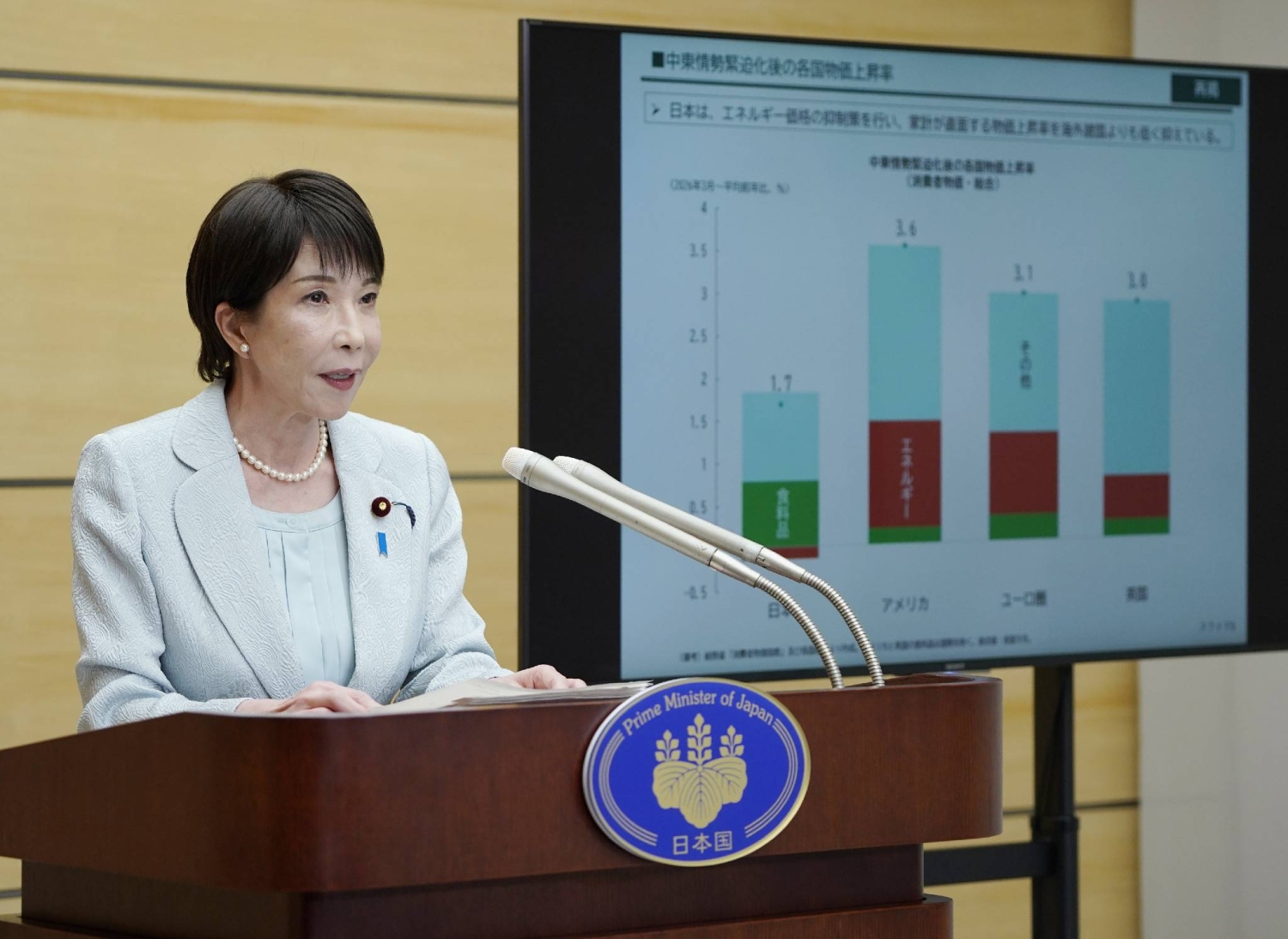
首相高市早苗周四表示,为应对生活成本上涨,政府将于12月恢复补贴,以帮助在寒冷月份降低电费和燃气费。
Prime Minister Sanae Takaichi said Thursday that her government will resume subsidies in December to help lower electricity and gas bills during the colder months, as part of the fight against the rising cost of living.
高市在东京首相官邸对记者解释说,补贴将提供至2月,预计在三个月内将家庭经济负担“减轻约7000日元(约合44美元)”。冬季补贴将比上一季早一个月开始。政府将为12月提供每千瓦时1日元、1月和2月提供每千瓦时4.5日元的补贴。
Speaking to reporters at the Prime Minister’s Office in Tokyo, Takaichi explained that the subsidies will be offered until February and are expected to reduce the financial burden on households “by about ¥7,000 ($44) in the three-month period.”The wintertime subsidies will start a month earlier than last season. The government will provide ¥1 per kilowatt-hour for December and ¥4.5 for January and February.
首相指出:“我们将在评估天气状况和能源价格后,考虑3月该怎么做。”
“We’ll consider what to do for March, after assessing weather conditions and energy prices,” the prime minister noted.
高市还表示,政府将通过从12月开始每月将参考价格每升170日元上调5日元,逐步缩减汽油补贴。
Takaichi also indicated that the government will gradually scale back gasoline subsidies by raising the reference price of ¥170 per liter by ¥5 each month from December.
目前,政府每天花费超过100亿日元的纳税人资金来抑制汽油价格。政府希望逐步退出补贴计划,转向更可持续的方案。
Currently, the government is spending over ¥10 billion of taxpayers’ money per day to suppress gasoline prices. It hopes to gradually phase out the subsidy program and shift to a more sustainable plan.
高市说:“我们将密切关注原油价格,同时考虑其对民众日常生活和经济活动的影响。”
“We’ll closely monitor crude oil prices, while considering their impact on people’s daily lives and economic activities,” Takaichi said.
为暂时继续提供汽油补贴,首相指示政府增加应对中东局势影响的预备费。
To continue providing the gasoline subsidies for the time being, the prime minister instructed her government to increase reserve funds for measures to tackle the fallout from the Middle East situation.
政府累计已向这些基金投入9.6万亿日元,其中高市内阁约投入1.4万亿日元。
The government has contributed a total of ¥9.6 trillion to these funds, including about ¥1.4 trillion under the Takaichi administration.