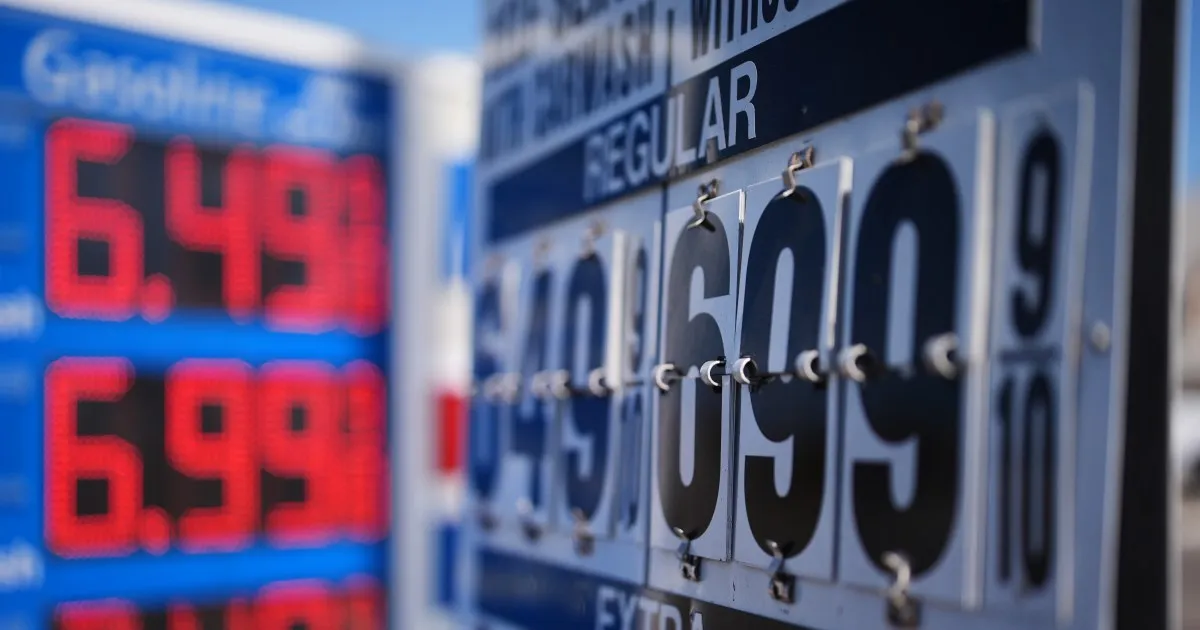
随着欧亚市场的动荡缓解,海湾地区的石油外运量大幅增加,缓解了美国和以色列对伊朗的战争所造成的巨大供应中断。
Oil flows out of the Gulf have increased substantially, easing the huge supply disruption caused by the United States/Israel war on Iran.
市场情报公司Kpler的数据显示,在截至10月18日的一周内,海湾地区的凝析油和原油出口量平均达到每天2460万桶,超过了战前平均水平。然而,油价仍在继续上涨。
Crude exports from the Gulf averaged 24.6 million barrels per day (bpd) in the week to October 18, exceeding the pre-war average, according to market intelligence firm Kpler. Yet, oil prices continue to rise.
全球基准布伦特原油正以自4月以来的最高价格交易,较战前上涨了60%以上。
Brent crude, the global benchmark, is trading at its highest prices since April, up more than 60 percent compared with before the war.
周五,布伦特原油近期期货(即12月交货的合同)上涨超过2%,一度触及每桶117美元上方。
On Friday, Brent crude front-month futures – contracts for oil deliveries in December – rose more than 2 percent to briefly top $117 a barrel.
市场分析人士认为,攀升的价格反映了对美国对伊战争可能重新爆发、石油库存不断减少以及将供应运出该地区的运输成本增加的担忧。
The climbing prices reflect anxiety about the possibility of renewed hostilities in the US war on Iran, dwindling oil stocks and the increased costs of transporting supplies out of the region, according to market analysts.
牛津大学能源系统讲师阿迪·伊姆西罗维奇(Adi Imsirovic)对半岛电视台表示:“市场正在做它理应做的事情:它告诉我们现在有充足的即期石油,但这场战争还看不到尽头——事实上……局势升级的可能性非常大。”
“The market is doing exactly what it is supposed to do: It is telling us there is plenty of prompt oil, but there is no end to this war in sight – in fact … escalation is very likely,” Adi Imsirovic, a lecturer in energy systems at the University of Oxford, told Al Jazeera.
资深石油交易员伊姆西罗维奇说:“因此,期货市场反映了这种预期。”
“Therefore, futures markets reflect that expectation,” Imsirovic, a veteran oil trader, said.
石油生产商越来越善于应对中东地区的动荡气候,以保持供应畅通。
Oil producers have become increasingly adept at responding to the volatile climate in the Middle East to keep supplies flowing.
面对伊朗袭击霍尔木兹海峡航运的威胁,船运公司建立了一个穿梭系统,在阿曼和阿拉伯联合酋长国附近进行船对船转运,以缩短任何单艘船只在危险水域必须航行的距离。
Facing the threat of Iranian attacks on shipping in the Strait of Hormuz, shipping lines have established a shuttle system involving ship-to-ship transfers off Oman and the United Arab Emirates to reduce the distance any one vessel must travel in perilous waters.
穿梭船只将石油通过海峡运送,一旦离开危险区,便将石油装上等候的油轮。
Shuttle boats carry the oil through the strait and load it onto waiting tankers once they are out of the danger zone.
Kpler的数据显示,8月份,穿过该海峡的原油中,有70%以上是通过船对船转运完成的。
In August, more than 70 percent of the crude that crossed the strait did so via ship-to-ship transfers, according to Kpler.
石油生产商还大幅增加了完全绕过该海峡的出口,途径沙特阿拉伯的东西管道(将石油供应从东部油田输往西部红海沿岸的延布港)以及阿拉伯联合酋长国的哈布沙恩-富查伊拉管道。
Oil producers have also ramped up exports that bypass the strait altogether via Saudi Arabia’s East-West pipeline which carries oil supplies from its eastern oil fields to its Yanbu port on the Red Sea in the west, and the United Arab Emirates’ Habshan-Fujairah pipeline.
根据Kpler的数据,截至9月份,海湾地区的出口中有40%绕过了该海峡(在和平时期,该海峡是全球五分之一石油和液化天然气供应的通道),而战前这一比例为17%。
As of September, 40 percent of exports from the Gulf were bypassing the strait, a conduit for one-fifth of global oil and liquefied natural gas supplies during peacetime, compared with 17 percent before the war, according to Kpler data.
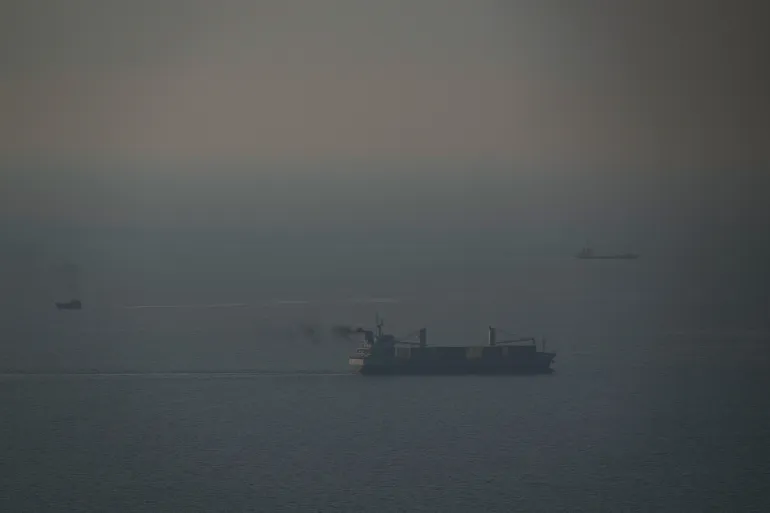
2026年10月21日,在阿拉伯联合酋长国迪拜拍摄的一艘在海湾地区驶向霍尔木兹海峡的货船 [阿尔塔夫·卡德里/美联社] 飙升的运输成本 尽管如此,这些变通方法也付出了代价。
A cargo ship sails in the Gulf towards the Strait of Hormuz, as seen from Dubai, United Arab Emirates, on October 21, 2026 [Altaf Qadri/AP] The soaring cost of delivery Such workarounds have nonetheless come at a cost.
伦敦证券交易所集团的数据显示,最近几周,运费已高达每桶40美元,约为通常费率的10倍,这主要是由高额保险费以及物流挑战导致的飙升。
Freight costs have reached as much as $40 per barrel in recent weeks, about 10 times the usual rate, according to data from the London Stock Exchange Group, the surge driven by elevated insurance premiums in addition to logistical challenges.
10月是自战争爆发以来商业船只遭受袭击最致命的一个月,截至周五,英国海上贸易行动办公室(UKMTO)记录了32起事件。
October has been the deadliest month for attacks on commercial vessels since the start of the war, with 32 incidents logged by the United Kingdom Maritime Trade Operations (UKMTO) as of Friday.
西班牙马德里科米拉斯 pontifical 大学石油市场专家伊莎贝尔·菲格罗拉-费雷蒂(Isabel Figuerola-Ferretti)对半岛电视台表示:“因此石油在流动,但既不顺畅也不可靠。这不应该被解读为局势正常的信号。”菲格罗拉-费雷蒂说:“运送一桶石油变得贵得多。”
“So barrels are moving, but neither smoothly nor reliably. That should not be read as a sign of normalisation,” Isabel Figuerola-Ferretti, an expert in oil markets at Comillas Pontifical University in Madrid, Spain, told Al Jazeera. “Delivering a barrel has become far more expensive,” Figuerola-Ferretti said.
虽然市场情报数据显示,最近几周出口量在某些时间点达到了战前水平,但较长期的供应趋势尚不明确。
While market intelligence data has shown exports reaching pre-war levels at various points in recent weeks, the longer-term supply trend is less clear.
雷蒙詹姆斯金融公司(Raymond James & Associates)的投资策略师帕维尔·莫尔查诺夫(Pavel Molchanov)对供应是否已恢复到战前趋势表示怀疑。
Pavel Molchanov, an investment strategist at Raymond James & Associates, expressed scepticism that supply has returned to the pre-conflict trend.
莫尔查诺夫在谈到国际能源署最新的能源展望时对半岛电视台表示:“国际能源署最新的9月生产数据显示,欧佩克海湾地区的产量为每天158万桶,相当于战前基准的75%。”
“The IEA’s most recent production data – for September – shows OPEC Gulf production at 15.8 million bpd, which equates to 75 percent of the pre-war baseline,” Molchanov told Al Jazeera, referring to the International Energy Agency’s latest energy outlook.
“这略微超过了7月份的74%,达到了自战争开始以来的最高水平,但距离100%仍有相当大的差距。”与此同时,作为供应中断期间缓冲的石油库存正在减少。
“That slightly surpassed July’s 74 percent to reach the highest level since the start of the war, but it’s still a considerable distance from 100 percent.”Meanwhile, oil stockpiles, a buffer during supply disruptions, are waning.
国际能源署的数据显示,9月份观测到的库存减少了1000万桶,使全球库存降至较战前水平低5.09亿桶。
Observed inventories fell by 10 million barrels in September, taking the global stockpile to 509 million barrels below its pre-war level, according to the IEA.
菲格罗拉-费雷蒂说:“受具体的供应风险——霍尔木兹海峡过境、航运和库存耗尽——的驱动,市场已经陷入了长期的紧缩。”
“The market has moved to a chronic squeeze, driven by concrete supply risks: Hormuz transit, shipping and depleted inventories,” Figuerola-Ferretti said.
短期内难言宽慰 鉴于伊朗战争短期内没有永久结束的迹象,很少有分析师认为油价能在短期内恢复正常。
No reprieve anytime soon With no permanent end to the Iran war in sight, few analysts see prices returning to normal anytime soon.
周五,2027年10月交货的布伦特期货价格超过每桶90美元,这表明市场认为距离恢复正常还有很长的路要走。
Brent futures for delivery in October 2027 stood at more than $90 a barrel on Friday, in a sign that markets see normality as a long way off, still.
菲格罗拉-费雷蒂说:“价格什么时候才能回到70美元?不会很快。”
“When could prices return to $70? Not soon,” Figuerola-Ferretti said.
她补充说:“这需要局势持久缓和、霍尔木兹海峡的过境和航运条件恢复正常、库存重建以及运费恢复正常。”
“It would need durable de-escalation, a return to normal transit and shipping conditions through Hormuz, rebuilt inventories and freight costs back to normal,” she added.
投资策略师莫尔查诺夫表示,如果没有对战争的永久性外交解决方案,他认为供应实际上不可能超过战前水平的85%。
Molchanov, the investment strategist, said he did not believe supply could realistically exceed 85 percent of pre-war levels without a permanent diplomatic solution to the war.
他说:“一旦政治基础工作到位,下一步将是后勤工作:清理霍尔木兹海峡的水雷、让船员重返工作岗位,以及恢复目前关闭的油田的生产。”
“Once the political groundwork is in place, the next steps will be logistical: Demining Hormuz, bringing shipping crews back to work, and resuming production at currently shut-in oilfields,” he said.