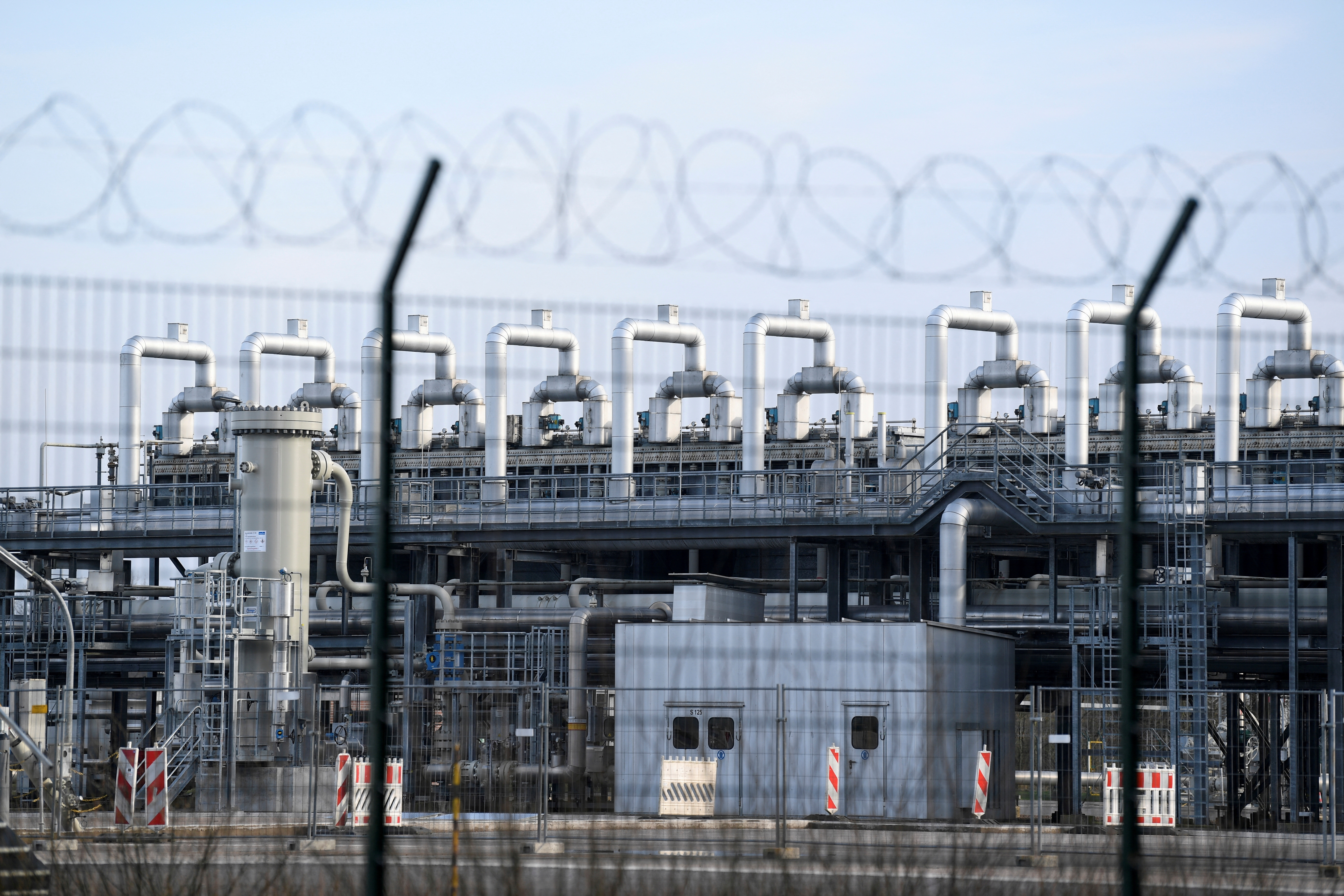
德国政府周五反驳了意大利的指控,称其未能在冬季前填满天然气储备,是为了降低其天然气进口公司的成本,为私有化做准备,并称此类说法“毫无根据”。
The German government on Friday pushed back against accusations from Italy that it failed to fill its gas stores ahead of winter in order to reduce costs for its gas import companies to prepare them for privatisation, calling such claims "unfounded".
随着伊朗、乌克兰和也门的战争导致石油和天然气价格飙升,欧洲各国政府正努力设法保护消费者免受能源成本上升和通胀加剧的影响。目前价格约为2月底伊朗战争开始前的三倍。
Governments across Europe are grappling with how to shield consumers from rising energy costs and higher inflation as the wars in Iran, Ukraine and Yemen send oil and natural gas prices soaring. Prices are now around three times higher than before the Iran war started in late February.
一名意大利官员周四表示,罗马已花费数亿欧元在冬季前填满其天然气储备。
An Italian official on Thursday said Rome had spent hundreds of millions of euros to fill its gas storage ahead of winter.
一名能源分析师在同一场会议上发言称,德国推迟了储备建设,同时将重点放在其能源集团Uniper和SEFE的私有化上,这两家公司是储备填充过程中的关键参与者。
Germany has delayed stockbuilding while focusing on the privatisation of its energy groups Uniper and SEFE, key players in the storage-filling process, an energy analyst said, speaking at the same conference.
德国经济和能源部发言人说:“我们坚决拒绝有关SEFE采购和储存天然气推高欧洲天然气价格的说法。”
"We firmly reject the allegation that the procurement and storage of natural gas by SEFE drives up European gas prices," said a spokesperson for the German economy and energy ministry.
“关于德国在SEFE和Uniper私有化期间忽视填充储备设施的说法是毫无根据的。”
"The claim that Germany neglected to fill storage facilities during the privatization of SEFE and Uniper is unfounded."
该发言人表示,SEFE被要求尽可能从欧盟以外采购天然气量。“因此,对欧洲市场和天然气价格的影响被最小化。”该发言人说,即使遭遇异常寒冷的冬季,欧洲的天然气储备水平也是充足的。
SEFE was directed to source volumes from outside the EU whenever possible, the spokesperson said. "Consequently, the impact on the European market and on gas prices is minimized." European gas storage levels were sufficient, the spokesperson said, even in the event of an exceptionally cold winter.
“虽然天然气储备设施固然重要,但德国和欧盟可以获得替代方案,例如液化天然气和管道进口,以及高度一体化且发达完善的天然气网络。”
"While gas storage facilities are certainly important, Germany and the EU have access to alternatives, such as LNG and pipeline imports, as well as a highly integrated and well-developed gas network."