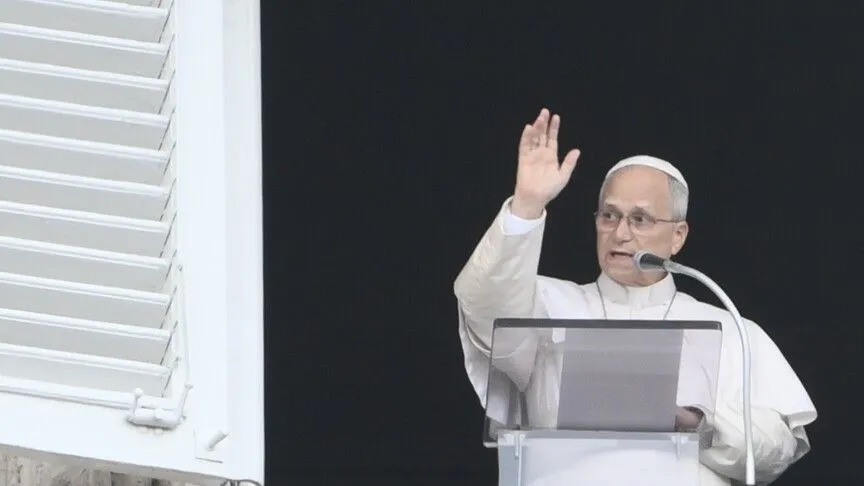
教宗良周五表示,需要机构将伦理原则付诸实践,以引导人工智能的发展,并强调人工智能必须服务于公共利益,某些决定绝不应交由机器做出。
Pope Leo said Friday that institutions are needed to put ethical principles into practice to guide the development of artificial intelligence, stressing that AI must serve the common good and that certain decisions should never be delegated to machines.
教宗在梵蒂冈举行的一场关于人工智能未来的聚会上发表讲话,强调必须将人置于这项技术的核心,以避免威胁公共利益和将人简化为数据点的危险。
Speaking at a gathering in the Vatican on the future of AI, the pope stressed the importance of keeping the human person at the heart of this technology to avoid the danger of threatening the common good and reducing people to data points.
不过,据梵蒂冈新闻网援引教宗的话说:“你们对人工智能的发展怀有某种不安感。我们认识到应该走的方向,但向前推进的努力还不够。”
Nevertheless, "you share a certain sense of unease regarding the development of artificial intelligence. We recognize the direction we should take, yet not enough is being done to move forward," the pontiff was quoted as saying by Vatican News.
他指出:“人工智能的未来并非预先注定;机器是工具,不是人;某些决定永远不能委托给机器;智能技术必须服务于公共利益。”他并强调:“需要机构将伦理原则付诸实践,以引导人工智能发展。”
"The future of AI is not pre-determined; machines are tools, not people; certain decisions cannot ever be delegated; intelligent technologies must be directed to the common good," he noted, underlining: "Institutions are needed to put ethical principles into practice to guide AI development."
教宗表示,既然人工智能由人类开发,其未来就取决于人类所做的选择。他指出,正因如此,“我们有责任去引导、改变,并在必要时拒绝其应用……问题不仅仅是‘人工智能能做什么?’而应该是‘它应该服务于什么目的?’”教宗说。
The pope said that since human beings develop AI, its future relies on the choices humanity makes. He noted that this is why "we have the responsibility to guide, change, and, when necessary, reject its applications.." "The question is not just, ‘What can AI do?’Instead, it needs to be, ‘What purpose should it serve?’” said the pontiff.