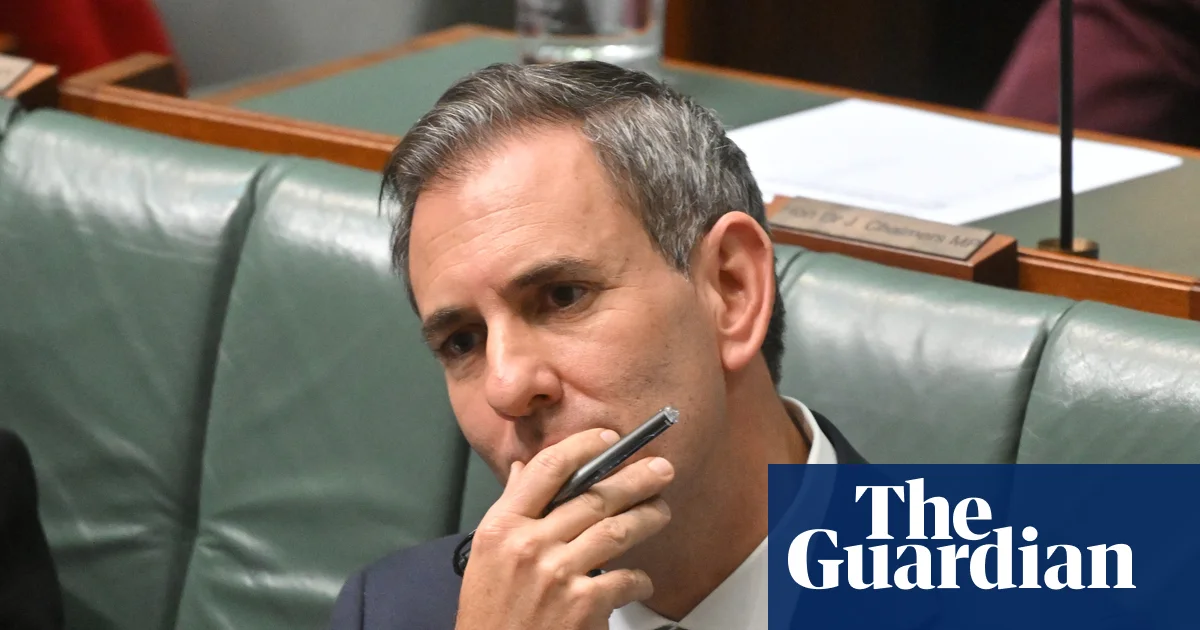
国防、国家残疾保险计划(NDIS)和医疗是政府支出增加的主要原因,而财长吉姆·查尔默斯似乎对此束手无策。
Defence, the NDIS and health are the main reasons for higher government spending and treasurer Jim Chalmers appears at a loss as to what to do.
照片:Mick Tsikas/AAP 解读 政府真的在进行“失控”的支出狂欢吗?情况很复杂“总理是否会承认现实……并承认工党失控的开支正迫使家庭和小企业为所有东西支付更多费用?”这是反对党领袖安格斯·泰勒周三在议会质询时间伊始发起的攻击。这一攻击路线并不令人意外。
Photograph: Mick Tsikas/AAP Explainer Is the government really on an ‘out-of-control’ spending splurge? It’s complicated“Will the prime minister acknowledge reality … and admit Labor’s out-of-control spending is forcing families and small businesses to pay more for everything?”That was the opposition leader, Angus Taylor, kicking off parliamentary question time on Wednesday. The line of attack was no surprise.
官方数据显示,截至9月的一年里,通胀率从上个月的4%跃升至4.3%。汽油和柴油价格的快速上涨推高了这一高企的总体数字。
Official data earlier that day showed inflation jumped to 4.3% in the year to September, from 4% the month before. Rapid petrol and diesel price increases had drove that high headline figure.
但即便剔除飙升的燃油价格影响,按季度衡量的核心通胀也小幅上升至3.7%。
But, even removing the impact of soaring fuel prices, underlying inflation ticked higher to 3.7% by the quarterly measure.
这两项指标均远高于澳洲联储2.5%的目标——周二进行第四次加息看来已成定局。
Both measures are way above the Reserve Bank’s 2.5% target – and a fourth interest rate hike on Tuesday looks like a done deal.
沮丧的澳大利亚人越来越倾向于相信泰勒的论点 那么政府支出到底上涨了多少?我们该怪不断攀升的公共开支导致生活成本危机吗?政府该怎么办?政府在花更多钱吗?简单的回答是:是的。
Frustrated Australians are increasingly inclined to believe Taylor’s argument So how much has government spending been rising? Should we blame climbing public expenditure for the cost of living crisis? And what should the government do about it? Is the government spending more? The simple answer is: yes.
这并不令人意外,因为人们本就预期政府规模会随经济和人口增长而扩大。
This is not surprising as you would expect the government to grow larger alongside the economy and the population.
但撇除与新冠疫情相关的非常规支出后,开支一直在以异常快的速度增长。
But, leaving out the extraordinary payments associated with the Covid-19 pandemic, spending has been climbing at an unusually fast pace.
根据议会预算办公室的数据,2021-22财年至2025-26财年间,政府总支出跃升了30%。
Total government expenses have jumped by 30% between 2021-22 and 2025-26, according to the parliamentary budget office.
2021-22财年至2025-26财年联邦主要支出类别的变化 即使扣除通胀因素,联邦支出在2024-25财年仍增长了5.5%,在2025-26财年增长了4.3%。
Change in total federal spending by major category between 2021-22 and 2025-26 Even after accounting for inflation, federal spending increased by 5.5% in 2024-25, and by 4.3% in 2025-26.
堪培拉大学教授、前财政部副部长斯蒂芬·巴托斯表示,公共支出增长有三大关键驱动因素。
Stephen Bartos, a University of Canberra professor and a former deputy secretary at the finance department, says there are three key drivers of growing public outlays.
第一是国防开支,在世界各国政府面临日益严峻的地缘政治现实、不得不作出回应的背景下,这一支出不断增加。
The first is defence, amid pressure on governments around the world to respond to an increasingly fraught geopolitical reality.
第二是国家残疾保险计划(NDIS)。巴托斯说,政府要成功将该计划的增长率减半至每年6%,将是一项“极其艰巨的任务”。他说:“这仍然是经济增长速度的两倍。”第三是医疗支出。
The second is the National Disability Insurance Scheme (NDIS). Bartos says it would be a “herculean task” for the government to successfully halve growth in the scheme to 6% a year. “That is still twice as fast as the economy is growing,” he says. The third is health spending.
“医疗支出在新冠疫情期间大幅上升,但从未真正回落。”更慷慨的药品福利计划,以及为与各州达成的新医院资金协议做预算,都是医疗支出持续上升的原因之一。
“It ratcheted up considerably through Covid but never really came down.”A more generous pharmaceutical benefits scheme and budgeting for new hospital funding deals with the states were part of the continuing rise in health spending.
与此同时,除NDIS之外的照护经济支出也在快速攀升,不断扩大的国家债务利息支出也是如此。
Meanwhile, spending on the care economy beyond the NDIS was also climbing rapidly, as was paying interest on our expanding national debt.
如果不计算疫情期间,公共支出占经济的比重现已达到20世纪80年代初以来的最高水平。
Public expenditure as a share of the economy is now at its highest since the early 1980s – leaving out the pandemic period.
联邦政府支出占GDP的比重 但德勤讯达经济咨询公司合伙人史蒂芬·史密斯认为,无论哪个党派执政,支出上升都在所难免。
Federal government payments as a share of GDP But Stephen Smith, a partner at Deloitte Access Economics, argues rising spending would have happened regardless of who held government.
史密斯说:“公平地说,近几年额外支出的很大一部分是结构性的。”
“To be fair, a lot of it [the extra spending over recent years] is structural,” Smith said.
“世界局势复杂,澳大利亚经济如今更难管理。政府面临着在经济中发挥更大作用的呼声,比如在照护领域,这是过去没有的。
“The world is a complicated place and the Australian economy is more difficult to manage today. There are calls on the government to play a bigger role in the economy, like in the care sectors, that weren’t there in the past.
“但这并不意味着政府获得了一张随意花钱的空白支票。他们需要实行严格的财政战略,做出艰难的决定。”史密斯表示,问题不在于支出水平,而在于预算状况。如果支出很高、税收也同样很高,那么净影响可能是中性的。
“But that doesn’t offer the government a blank cheque to spend whatever. They need to run a tight fiscal strategy and make difficult decisions.”Smith says it’s not about the level of spending, but the budget position. If you are high spending and equally high taxing, then the net impact could be neutral.
“最简单的理解方式是:如果你在运行预算赤字,那么你就是在向经济注入需求,你的财政政策就是刺激性的。如果你在运行盈余,就是在抽离需求,”他说。按这个经验法则,政府看起来是有责任的。
“The easiest way to think about it is if you are running a budget deficit, then you are adding demand into the economy and your fiscal policy is stimulatory. If you are running a surplus, you are taking demand out,” he says. By that rule of thumb, the government looks culpable.
尽管财长大肆宣称节省了数千亿美元、财政底线好于预期,但预算文件显示,2024-25财年赤字将略低于100亿澳元,2025-26财年为223亿澳元,而本财年预计缺口将达315亿澳元。
For all the treasurer’s bluster about hundreds of billions of dollars of savings and better-than-expected bottom lines, the budget papers show a deficit just shy of $10bn in 2024-25, $22.3bn in 2025-26, and an expected shortfall of $31.5bn this financial year.
这支持了这样一种观点:预算设置正加剧通胀挑战,从而让澳洲储备银行的工作更难做。但难多少则是一个更难回答的问题。
This supports the argument that budget settings are contributing to the inflation challenge, and so making the Reserve Bank’s job harder. But how much harder is a more difficult question to answer.
显然,截至9月的一年里燃油价格上涨24%,在近期通胀急剧上升中起了过大的作用。
Clearly, the 24% rise in fuel prices over the year to September has played an outsized role in the recent sharp rise in inflation.
根据澳大利亚统计局的数据,消费价格指数中的交通板块占总体平均价格涨幅4.3%中的1个百分点。
The transport segment of the consumer price index accounted for 1 percentage point of the 4.3% overall increase in average prices, according to the Australian Bureau of Statistics.
如果唐纳德·特朗普对伊朗的战争没有引发全球石油冲击,总体通胀率只有3.5%,会不会有人大声疾呼要求政府大幅削减开支?
Would there be loud voices for the government to slash spending if Donald Trump’s war on Iran hadn’t triggered a global oil shock, and headline inflation was only 3.5%?
还有观点认为,作为经济体份额的历史性高位政府开支,正让这个国家缺乏活力、更容易通胀。巴托斯对此不屑一顾。“去跟瑞典说这话,”他说。“政府开支水平与经济表现之间没有相关性。”史密斯表示赞同。
There are also suggestions that the historically high spending as a share of the economy is making the country less dynamic and more prone to inflation. Bartos gives this argument short thrift. “Tell that to Sweden,” he says. “There is no correlation between the level of government spending and performance of the economy.”
“很难指出任何直接证据,证明经济学家所谓的‘挤出效应’存在,”他说。
Smith agrees. “It’s difficult to point to any direct evidence of what economists would call crowding-out effects,” he says.
“有时我们会看到,政府在基础设施项目上的开支把工人从其他类型的项目上吸引走了,但很难将其视为一个普遍性问题。” 反对党联盟的计划是什么?
“Sometimes we can see that government spending on infrastructure projects draws workers away from other types of projects, but it’s difficult to see it as a wholesale issue.”What’s the Coalition’s plan?
在持续抨击政府“失控开支”的背景下,泰勒周一推出了一项为期四年、总额310亿澳元的节省方案。
On the back of constant attacks on the government’s “out-of-control spending”, Taylor on Monday unveiled a four-year, $31bn savings package.
该方案将涉及大幅削减泰勒所谓的“工党气候官僚机构”,包括终止对家用电池和电动汽车的补贴与支持,以及取消若干住房措施。
It would involve gutting what Taylor calls “Labor’s climate bureaucracy”, including ending subsidies and support for home batteries and electric vehicles, and scrapping a number of housing measures.
他们将削减关键矿产等行业的公共补贴,并阻止非公民获得国家残疾保险计划(NDIS)资助。
They would cull public subsidies for industries like critical minerals, and stop non-citizens from getting the NDIS.
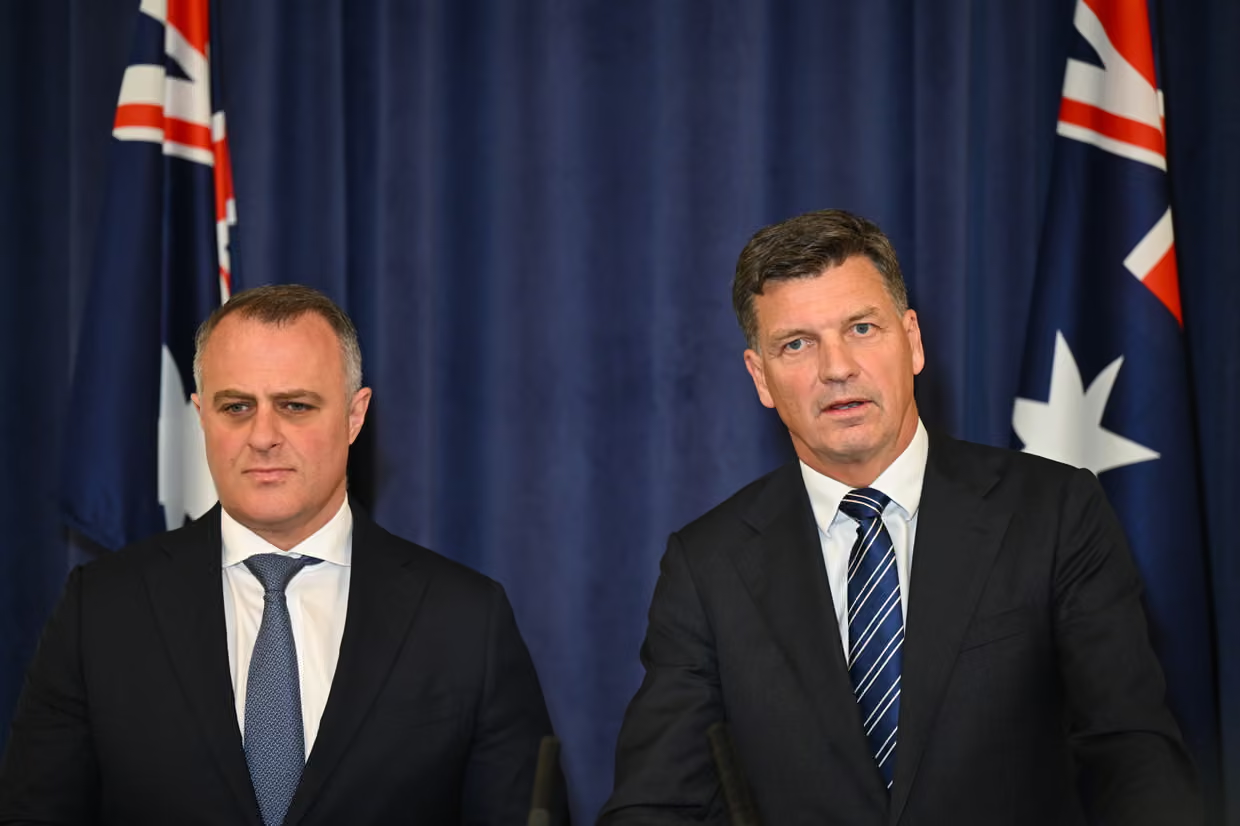
而在一项令人费解的成本核算中,联盟声称其将烟草税削减80%的计划,将通过吸引吸烟者回归合法市场,在四年内增加79亿澳元收入。反对党领袖泰勒和影子财长蒂姆·威尔逊。
And, in a topsy-turvy costing, the Coalition says its plan to slash tobacco taxes by 80% will raise $7.9bn over four years by luring smokers back to the legal market. The opposition leader Angus Taylor and shadow treasurer Tim Wilson.
照片:卢卡斯·科克/澳联社 托波尔表示,让合法香烟变得更便宜从而吸引人们从黑市回流,“极不可能”发生。
Photograph: Lukas Coch/AAP Bartos said it was “incredibly unlikely” that making legal cigarettes cheaper would lure people back from the black market.
他说:“几乎可以肯定有几十项小额削减可行,但它们无法从根本上改变通胀局势。”
“There are almost certainly dozens of small cuts you could make but they won’t shift the dial on inflation,” he says.
“如果你取消净零排放管理局,或许能省下一点钱,但与国家残疾保险计划和医疗方面的支出增加相比,这微不足道。”
“If you get rid of the Net Zero Authority, conceivably you can save a little bit, but it’s dwarfed by increased spending in NDIS and health.
“这会产生一些影响,但不足以对抗通胀。” 联邦政府按类别划分的支出 联盟还承诺,如果当选,将每年自动根据通胀率上调个人所得税起征点。
“It would make some difference, but it wouldn’t make a big enough difference to combat inflation.”Federal government spending by category The Coalition has also promised that, if elected, it would automatically lift income tax thresholds every year in line with inflation.
泰勒最初声称,这项“减税担保”在运行的前四年将耗资225亿澳元。
Taylor initially claimed this “tax-back guarantee” would cost $22.5bn over the first four years of operation.
一项更可信的评估显示,前四年的成本要高得多,达到350亿澳元,且十年后该计划单年成本可能高达440亿澳元。这意味着赤字将扩大而非缩小——通胀压力将增加而非减轻。那么,政府的计划是什么呢?
a more credible assessment puts it substantially higher at $35bn in the first four years, and that the scheme could cost the budget as much as $44bn in a single year in a decade’s time. This suggests larger, not smaller, deficits – and more, not less, pressure on inflation. What’s the government’s plan, then?
除了承诺不触动基本服务支出,并宣称预算状况比预想的要好之外,查尔默斯似乎对该做什么束手无策。
Other than promising he will not touch spending in essential services and talking up how the budget is in better nick than they thought it would be, Chalmers appears at a loss on what to do.
今年12月的年中预算更新,对于一个在选民中声望低落的政府而言,显得格外重要。独立经济学家克里斯·理查森表示:“我们知道你无法迅速解决供给问题,因此总得有人、在某个地方被‘阻止’花钱。”
This December’s mid-year budget update looms as a particularly important milestone for a government that is on the nose with voters Chris Richardson, an independent economist, says “we know you can’t fix supply fast, and so somebody somewhere has to be ‘stopped’ from spending money”.
到目前为止,是澳洲联储(RBA)在动用其唯一的工具——加息,来阻止家庭消费。
So far, it’s been the RBA which has been using its one lever and hiking rates to stop households from spending.
当然,工党政府可以通过增税来帮助抑制通胀,但这在政治上难以被接受。这就只剩下削减开支这一条路了。史密斯说:“通胀没有改善,澳洲联储需要一些帮助。”但他承认,自己一说出这话,就会面临“更棘手的问题”。
Of course, Labor could raise taxes to help beat inflation, but that is politically unpalatable. Which leaves spending. “Inflation is not improving and the Reserve Bank needs some help,” says Smith. But he admits that the moment he says that, he gets “the more difficult question”.
“那你会削减什么?怎么找出300多亿澳元的节省额?这并不容易。”史密斯和巴托斯都同意,通过提高支出效率来收紧预算的机会有很多。
“What would you cut, then? How do you find 30-odd billion dollars in savings? It’s not easy.”Both Smith and Bartos agree that there are many opportunities to tighten the budget through more efficient spending.
例如,他们批评绿色补贴的设计——比如针对电动汽车和家用电池的补贴——不分家庭收入高低,一律发放。那么,如果巴托斯是财长,他会怎么做?
For example, they are critical of the design of green subsidies like for electric vehicles and household batteries, which are available regardless of your household’s income. So what would Bartos do, if he were treasurer?
“我会引入碳税,并建立一个完善的石油资源租金税(PRRT),让天然气公司支付它们应尽的份额。我会调整一些政府项目的资格标准,使其定位更精准。并延续政府削减顾问支出的政策。” 此外,澳洲似乎陷入高通胀泥沼的另一个主要原因是:生产力停滞不前。
“I would introduce a carbon tax, and have a proper PRRT [petroleum resource rent tax] so gas companies pay their fair“I’d make some changes to eligibility to some government programs to target them more tightly. And continue the government policy on reducing spending on consultants.” Then there is the other major reason why Australia appears stuck in a high inflation world: stagnant productivity.
史密斯说:“更大的问题在于我们的经济活力。在这方面,税收和监管设定的影响,比政府开支高低要大得多。”
“The bigger issue here is our economic dynamism. And tax and regulatory settings are more of an influence here than the fact that government spending is high,” Smith says.