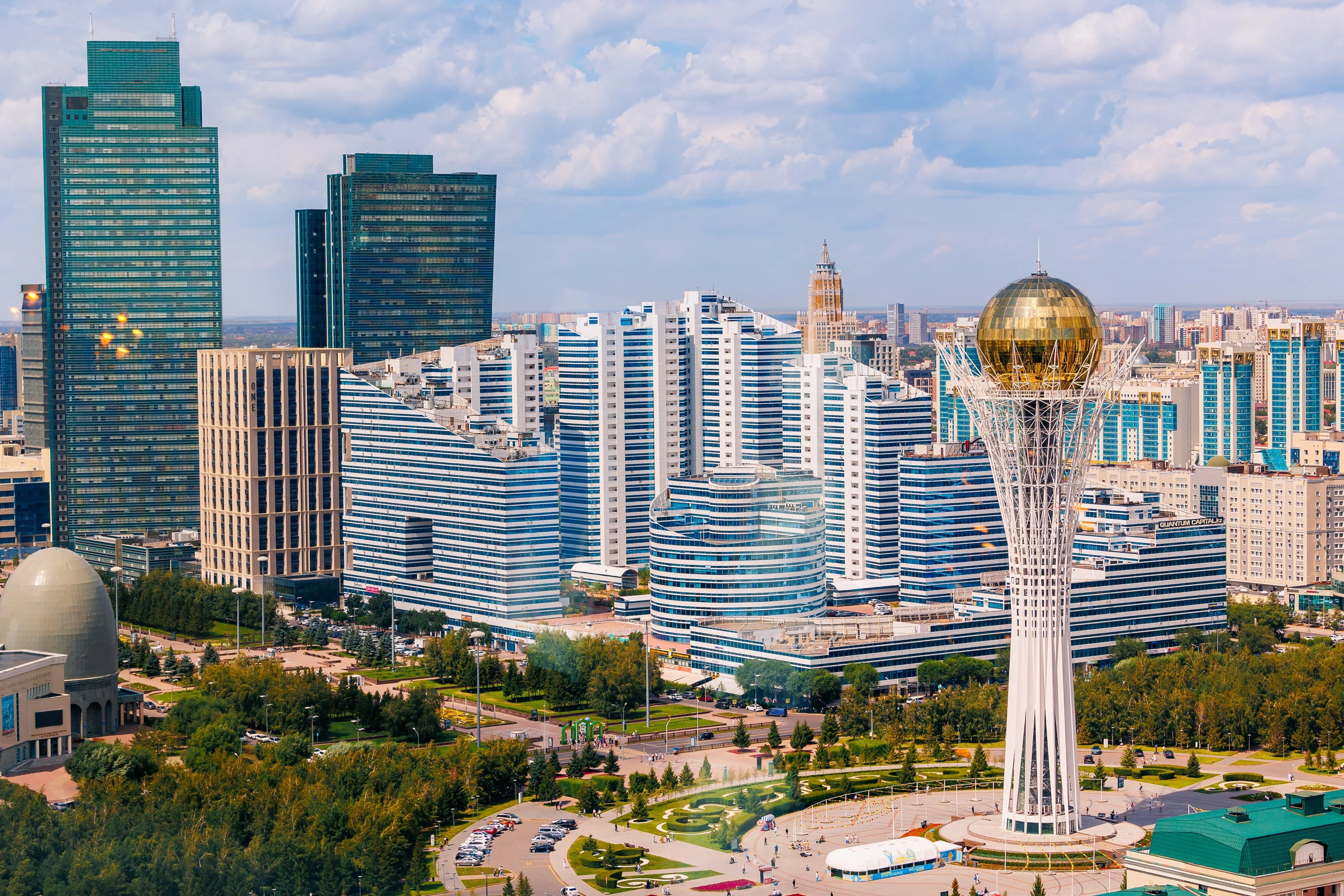
在最近一次前往哈萨克斯坦首都阿斯塔纳的行程中,沿着宽阔的林荫大道行驶,随处可见中国日益扩大的商业版图的迹象。
Driving along the wide boulevards of Astana during a recent trip to the Kazakh capital, signs of China’s growing commercial footprint were everywhere.
接我从机场出发的司机驾驶着一辆崭新的长安电动汽车,他表示,从比亚迪到长安,中国汽车品牌正在一个曾由韩国现代和起亚主导的市场上大举进军,中国汽车已成为这里街头的常见景象。
Chinese cars were becoming a common sight on the streets here, as brands from BYD to Changan made aggressive inroads in a market once dominated by South Korea’s Hyundai and Kia, said the driver who picked me up from the airport in a gleaming Changan electric vehicle.
但将我带到这个中亚能源富集区的,并非中国科技的崛起,而是一家美国巨头。
But it was not the rise of Chinese tech that had brought me to this energy-rich pocket of Central Asia; it was an American giant.
美国芯片巨头英伟达首席执行官黄仁勋来到这里,与该国副总理进行了一场炉边谈话。他们的主题是:“主权人工智能”及其在哈萨克斯坦未来中的作用。
Jensen Huang, CEO of US chip titan Nvidia, was in town to join a fireside chat with the country’s deputy prime minister. Their topic: “sovereign AI” and its role in Kazakhstan’s future.
这次高调访问凸显了阿斯塔纳将自己重塑为区域算力中心的雄心。哈萨克斯坦以其巨大的石油、天然气和铀储量闻名,正押注其充足的电力供应能助其在全球人工智能热潮中分得一块利润丰厚的蛋糕。
The high-profile visit underscored Astana’s bid to reinvent itself as a regional computing hub. Known for its vast oil, natural gas and uranium reserves, Kazakhstan is betting that its abundant electricity supply can help it grab a lucrative slice of the global artificial intelligence boom.
黄仁勋多次将人工智能定义为一场新的工业革命,他设想数据中心是“AI工厂”,输入电力和算力,输出数字智能。
Huang has repeatedly framed AI as a new industrial revolution, envisioning data centres as “AI factories” that take in electricity and compute to manufacture digital intelligence.
人们希望,哈萨克斯坦等国能成为一种新型的出口工厂枢纽——专注于出售算力,而非推动中国制造业繁荣的服装、智能手机和汽车。
The hope is that nations like Kazakhstan can become a new form of export factory hub – one that focuses on selling computing power rather than the clothing, smartphones and cars that drove China’s manufacturing boom.
对阿斯塔纳而言,经济吸引力显而易见:利用其巨大的国内电力储备为服务器农场提供动力,并出口人工智能服务。但它也怀揣更宏大的数字雄心:培育本土工程人才,孵化本土科技企业。
For Astana, the economic appeal is obvious: harness its vast domestic power reserves to fuel server farms and export AI services. But it also has bigger digital ambitions: it wants to cultivate home-grown engineering talent and nurture domestic tech firms.
在阿斯塔纳枢纽旗下的Alem.ai国际人工智能中心,我近距离看到了这一努力。
At the Alem.ai International Artificial Intelligence Centre, operating under Astana Hub, the country’s government-backed technology and start-up platform, I saw that effort up close.
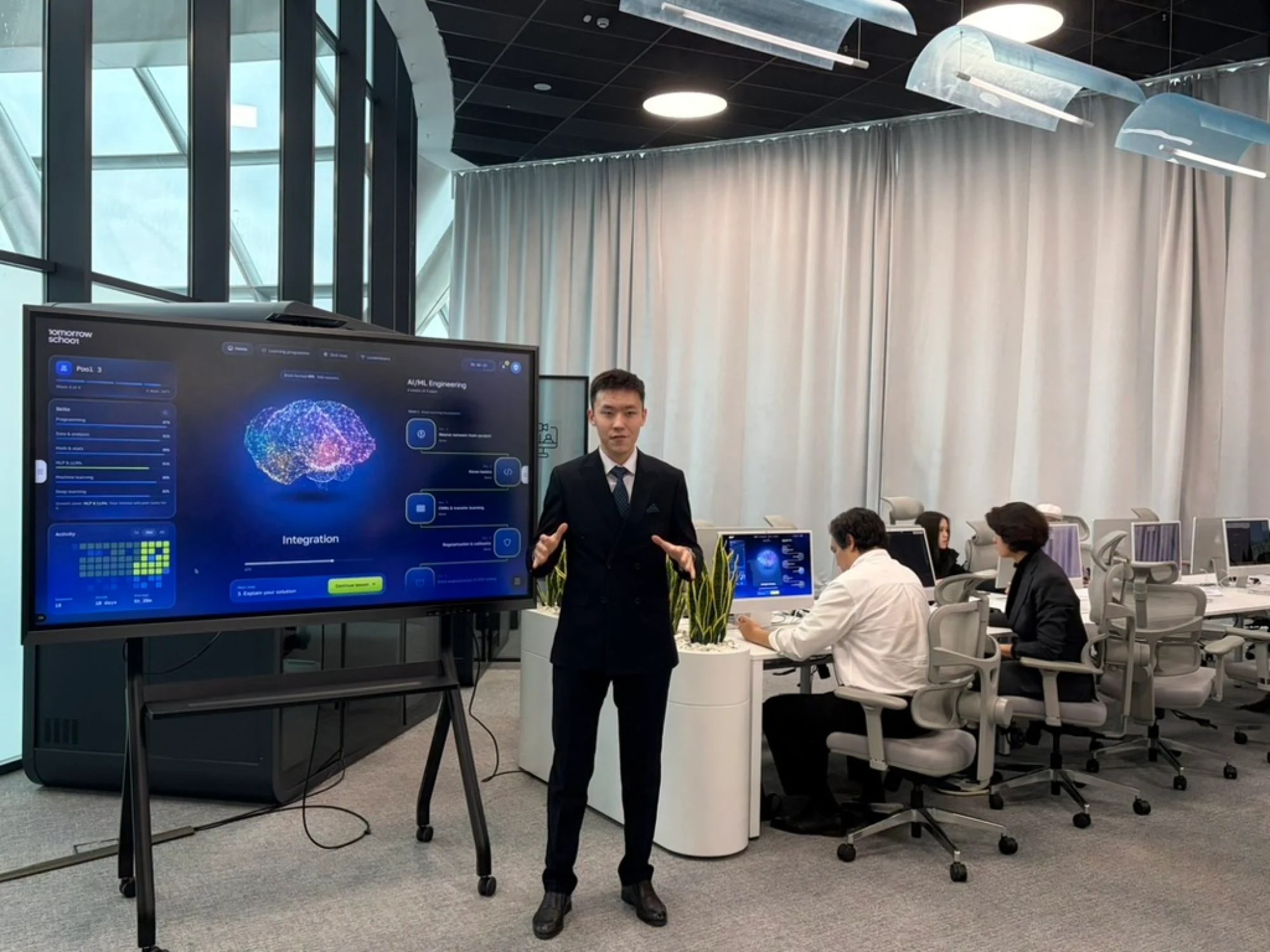
在 Tomorrow School 这所免费编程学院里,学生们通过基于项目的同伴协作学习人工智能,而非传统的课堂教学模式。走廊尽头的 TUMO Astana(阿斯塔纳 TUMO 中心)则是另一项教育计划,当地青少年在那里接触机器人技术和数字创意。
At Tomorrow School, a free coding academy, students learn about AI through project-based, peer-to-peer collaboration rather than a traditional classroom structure. Down the hall at TUMO Astana, another educational initiative, local teenagers are introduced to robotics and digital creativity.
这些基层课堂与黄仁勋舞台演讲周围光鲜亮丽、动辄数十亿美元的宏大言论形成了鲜明对比。
These grass roots classrooms offered a counterweight to the glossy, multibillion-dollar rhetoric surrounding Huang’s stage appearance.
它们也赤裸裸地揭示了一个更艰难的现实:数据中心可以相对较快地获得融资并接入电网,但建设庞大的人才库、商业生态系统和持续创新能力,以培育具有竞争力的知识经济,却可能需要数十年时间。
They also laid bare a harder reality: while data centres can be financed and plugged into power grids relatively quickly, it can take decades to build the vast talent pool, business ecosystem and ongoing innovation needed to foster a competitive knowledge economy.
而哈萨克斯坦等国家必须在北京与华盛顿日益加剧的科技竞争中完成这一任务。
And nations like Kazakhstan must do this while navigating an intensifying tech rivalry between Beijing and Washington.
中国的制造业巨头主导着电动汽车和消费电子领域,而美国科技巨头则在先进半导体和 AI 架构领域占据制高点。
China’s manufacturing juggernaut dominates electric vehicles and consumer electronics, while US tech champions command the high ground in advanced semiconductors and AI architecture.
在哈萨克斯坦,这个与中国接壤 1780 公里(1100 英里)边境线的国家,这两个影响力范围正在实时交汇。中国汽车行驶在其街道上,而美国芯片则为其数字雄心提供动力。
In Kazakhstan, which shares a 1,780km (1,100-mile) border with China, those two spheres of influence meet in real time. Chinese cars roll through its streets, while American chips power its digital ambitions.
阿斯塔纳并未选边站队,而是走中间路线,同时利用两大超级大国的资源来发展自身的技术能力。
Rather than picking a side, Astana is playing the middle, drawing on both superpowers to develop its own technological capabilities.
这种平衡术让人联想到我一周前对新德里的访问。在彭博新经济论坛间隙,中美摩擦是一个反复出现的主题。
It was a balancing act that echoed a trip I had made just a week earlier to New Delhi. On the sidelines of the Bloomberg New Economy Forum, Sino-American friction was a recurring theme.
新加坡副总理颜金勇强调,尽管地缘政治碎片化,保持经济联系至关重要;而印度商业部长皮尤什·戈亚尔则谈到与北京重建贸易关系,同时新德里仍与华盛顿保持着紧密的战略关系。
Singapore’s deputy prime minister, Gan Kim Yong, stressed the importance of preserving economic ties despite geopolitical fragmentation, while Indian Commerce Minister Piyush Goyal spoke of rebuilding trade relations with Beijing even as New Delhi maintained close strategic ties with Washington.
他们的言论反映了中等强国面临的核心困境:如何利用世界两大经济体各自的优势,而不沦为任何一方的俘虏。
Their remarks reflected the central dilemma confronting middle powers: how to exploit the respective strengths of the world’s two largest economies without falling captive to either.
中国自身的崛起既提供了蓝图,也敲响了警钟。打造一个持久的工业强国,需要持之以恒的基础设施投入、深度的供应链融合以及长达数十年的人才培养。
China’s own rise offers both a blueprint and a cautionary tale. Building an enduring industrial powerhouse took relentless infrastructure spending, deep supply-chain integration and decade-long talent training.
哈萨克斯坦能否将其能源储备转化为可持续的人工智能生态系统,仍是一个悬而未决的问题。但在中亚风吹草低的草原上,显而易见,阿斯塔纳决心在这一新工业时代确立自己的地位,因为两个竞争对手超级大国正竞相制定其规则。
Whether Kazakhstan can transform its energy reserves into a sustainable AI ecosystem remains an open question. But on the windswept steppe of Central Asia, it is clear Astana is determined to stake its claim in this new industrial era, as two rival superpowers race to write its rules.