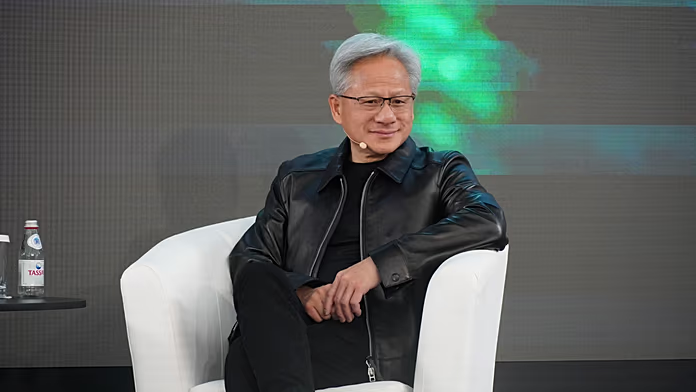
英伟达创始人兼首席执行官黄仁勋首次访问哈萨克斯坦,表示这个中亚国家有望成为欧洲主要的人工智能算力中心。
Nvidia founder and CEO Jensen Huang has visited Kazakhstan for the first time, saying the Central Asian country could emerge as a major AI computing hub for Europe.
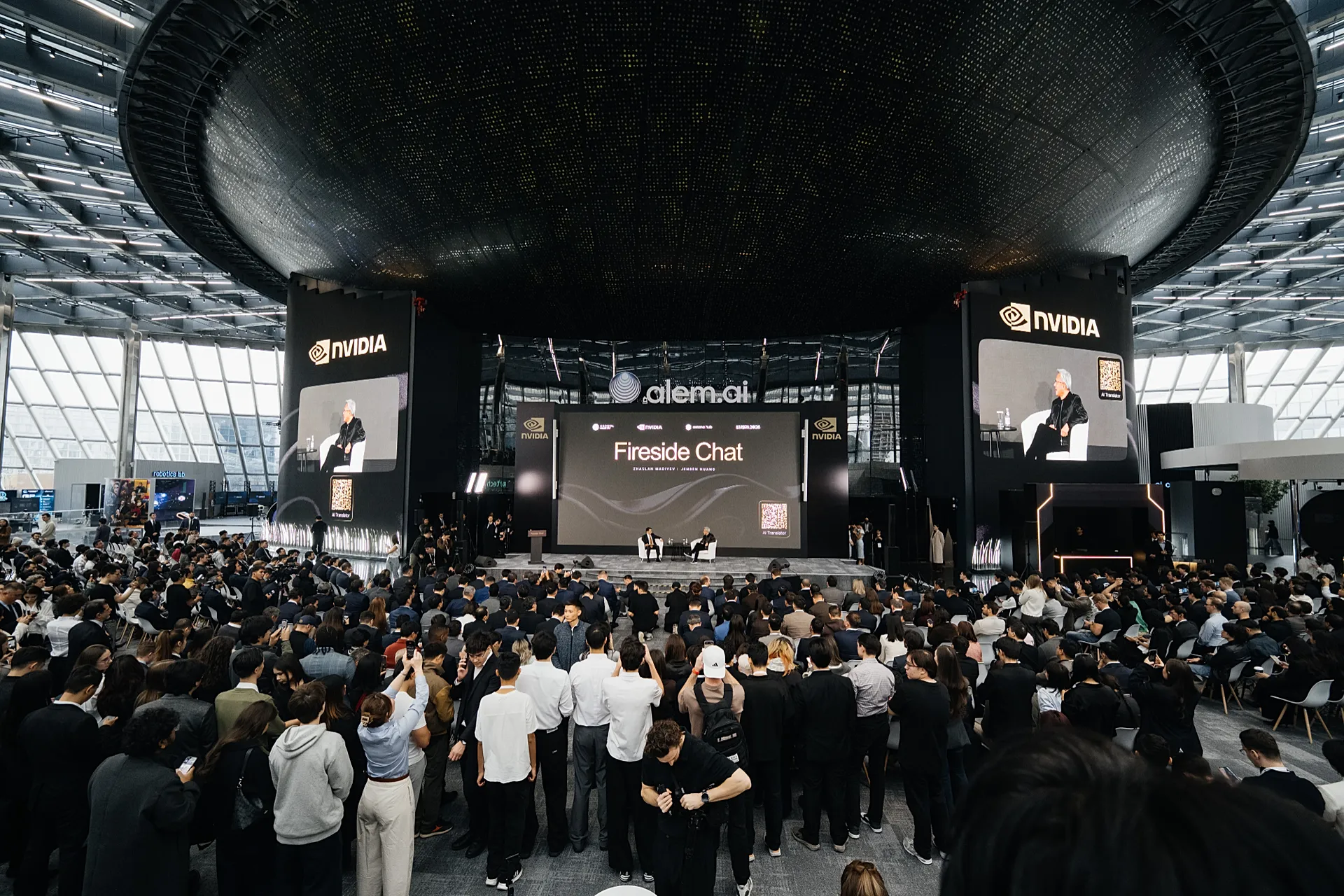
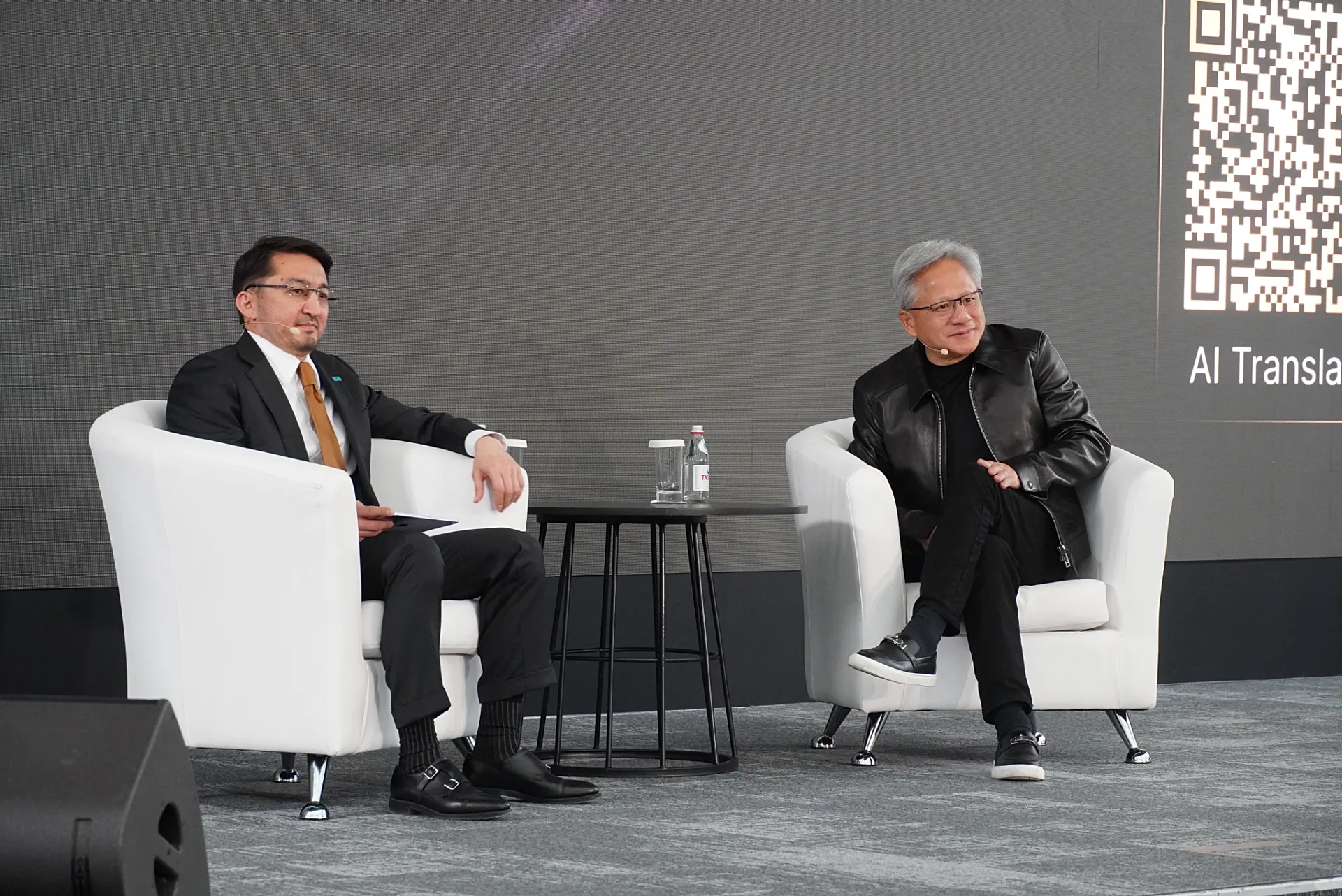
黄仁勋是在阿斯塔纳的 Alem.ai 国际人工智能中心,与哈萨克斯坦副总理兼人工智能与数字发展部长扎斯兰·马季耶夫进行炉边对话时发表上述言论的。
Huang made the remarks during a fireside chat with Zhaslan Madiyev, Kazakhstan's Deputy Prime Minister and Minister of Artificial Intelligence and Digital Development, at the Alem.ai International Artificial Intelligence Centre in Astana.
马季耶夫在对话中表示,随着该国扩建支持不断增长的人工智能产业所需的基础设施,哈萨克斯坦计划到 2035 年将装机容量增加近一倍,达到 40 吉瓦以上。
During the discussion, Madiyev said Kazakhstan plans to nearly double its installed power capacity to more than 40 gigawatts by 2035 as the country expands the infrastructure needed to support its growing AI sector.
其旗舰项目之一是正在埃基巴斯图兹建设的“数据中心谷”,这是一个大规模人工智能算力园区,埃基巴斯图兹是哈萨克斯坦主要的发电中心之一。该项目首期 50 兆瓦规模预计 2027 年投入运营,其能源基础设施最终有望扩展至 1 吉瓦。
One of its flagship projects is the Data Center Valley, a large-scale AI computing campus under development in Ekibastuz, one of Kazakhstan's main power-generating centres. Its first 50-megawatt phase is expected to begin operations in 2027, while the project's energy infrastructure could eventually scale up to one gigawatt.
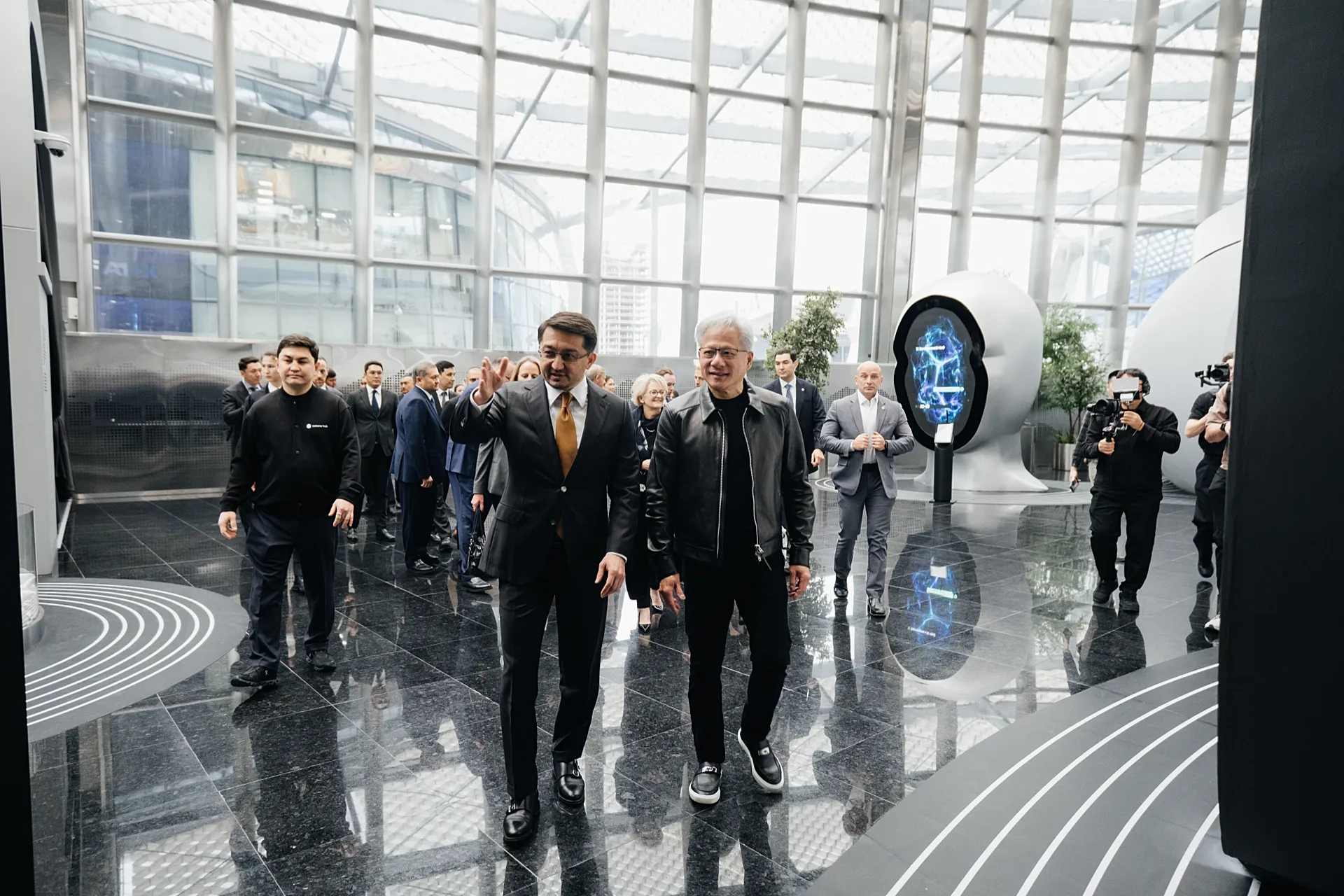
黄仁勋表示,哈萨克斯坦的能源资源和不断增长的算力能力,可能使该国在欧洲的人工智能生态系统中扮演重要角色。
Huang said Kazakhstan's energy resources and growing computing capacity could give the country a significant role in Europe's AI ecosystem.“Kazakhstan has a lot of real estate. It also has a lot of energy,” Huang said.
“哈萨克斯坦拥有大量土地,也拥有大量能源,”黄仁勋说。“你们将在这里拥有大量算力。它将成为一个枢纽、一个算力枢纽、一个为整个欧洲服务的人工智能工厂枢纽。”
“You're going to have a lot of compute right here in Kazakhstan. It's going to be a hub, a computing hub, an AI factory hub for all of Europe.”
黄仁勋将该国丰富的能源资源描述为人工智能经济中的潜在竞争优势,认为电力未来越来越多地可用于生成算力和人工智能,而不仅仅是作为能源出口。
Huang described the country's abundant energy resources as a potential competitive advantage in the AI economy, arguing that electricity could increasingly be used to generate computing power and AI rather than simply being exported as energy.“Kazakhstan has a fundamental advantage because you have so much natural resource already. You have so much energy, and instead of just exporting energy in the future, you could transform the energy into intelligence and export intelligence,” Huang said.
“哈萨克斯坦拥有根本性优势,因为你们已经拥有如此丰富的自然资源。你们拥有如此多的能源,未来与其仅出口能源,不如将能源转化为智能并出口智能,”黄仁勋说。主权人工智能但黄仁勋认为,仅有能源是不够的。
Sovereign AIBut energy alone, Huang argued, will not be enough.
哈萨克斯坦还需要掌控另一种资源——其数据。马迪耶夫表示,该国已在基于开源基础模型开发哈萨克语大语言模型,并询问哈萨克斯坦最终是否应当从零开始构建自己的基础模型。黄仁勋表示,构建本国基础模型“完全合理”,并将其描述为国家安全关切。他认为,各国应当同时掌控本国数据以及用于服务本国公民的AI基础设施,并将其与其他关键国家基础设施相提并论。
Kazakhstan will also need to retain control over another resource — its data. Madiyev said the country is already developing Kazakh-language large language models based on open-source foundation models and asked whether Kazakhstan should eventually build its own foundation model from scratch. Huang said building a domestic foundation model “makes complete sense”, describing it as a national security concern. He argued that countries should retain control over both their data and the AI infrastructure used to serve their citizens, comparing it to other essential national infrastructure.“In the future, you will have your own electric grid, your own internet, your own telecommunications and your own intelligence grid,” Huang said.
“未来,你将拥有自己的电网、自己的互联网、自己的电信网络以及自己的智能网络,”黄仁勋说。物理AI的潜力除了计算基础设施和主权AI之外,哈萨克斯坦还希望在新兴的物理AI领域占据一席之地——物理AI是指能够与物理世界互动并在其中运行的系统。马迪耶夫指出,哈萨克斯坦在采矿、农业、运输和物流方面拥有工业基础,并询问该国能否成为开发和训练物理AI模型及机器人的枢纽。
The potential of Physical AIBeyond computing infrastructure and sovereign AI, Kazakhstan is also looking to position itself in the emerging field of Physical AI — systems that can interact with and operate in the physical world. Pointing to Kazakhstan's industrial base in mining, agriculture, transport and logistics, Madiyev asked whether the country could become a hub for developing and training Physical AI models and robots.
黄仁勋称这一想法“非常棒”,并表示这些行业可能成为首批受益者。“物理AI不仅仅是机器人技术,”黄仁勋说。
Huang called the idea “fantastic”, saying these industries could be among the first to benefit.“Physical AI is not just robotics,” Huang said.
“它涵盖从地震认知到矿井和油井测绘,再到理解地理和地质——在哪里采矿、如何以最佳方式采矿——以及理解材料科学和化学品加工。”由于这项技术仍处于早期阶段,黄仁勋表示,哈萨克斯坦有机会帮助塑造这一新兴行业。投资AI初创公司讨论还涉及Higgsfield AI,这是一家由哈萨克斯坦人创立的生成式视频初创公司,英伟达已对其投资。
“It includes everything from seismic understanding to mapping mines and wells, to understanding geography and geology — where to mine, how best to mine — understanding material science, the processing of chemicals.”With the technology still at an early stage, Huang said Kazakhstan has an opportunity to help shape the emerging industry. Investing in AI startupsThe discussion also turned to Higgsfield AI, a Kazakh-founded generative video startup in which Nvidia has invested.
当被问及是什么吸引英伟达到这家公司时,黄仁勋表示,这一决定最终取决于其创始人。“第一件事和最后一件事都是,你投资的是人,而不是公司,”黄仁勋说,并称Higgsfield的创始人“有远见”,有能力与全球领先的AI公司竞争。黄仁勋还指出,该公司在哈萨克斯坦和美国都有业务,称这可能有助于连接这两个生态系统。
Asked what attracted Nvidia to the company, Huang said the decision ultimately came down to its founders.“The first thing and the last thing is you invest in people, not companies,” Huang said, describing Higgsfield's founders as “visionary” and capable of competing with leading AI companies globally. Huang also pointed to the company's presence in both Kazakhstan and the United States, saying it could help bridge the two ecosystems.
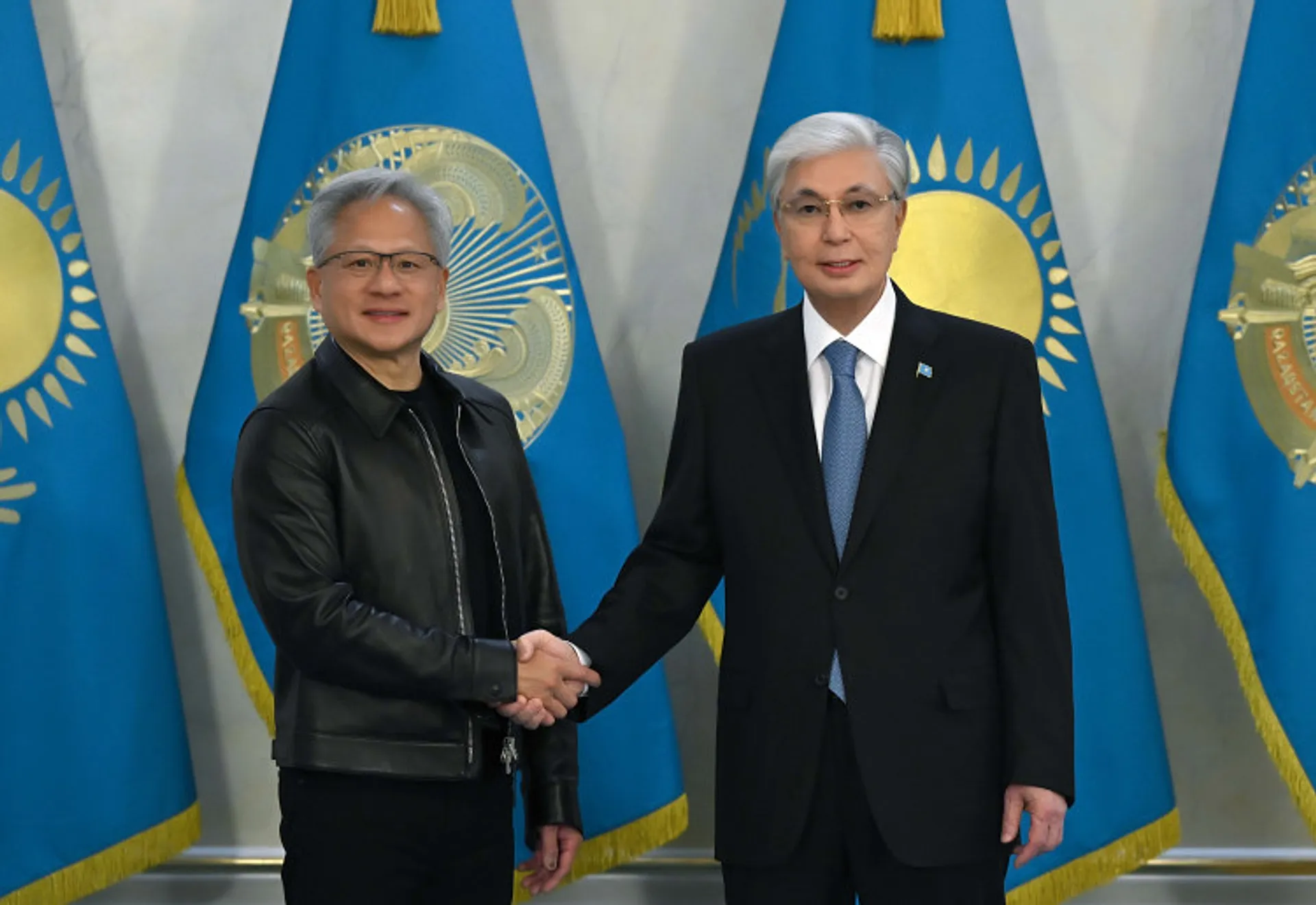
当天晚些时候,黄仁勋会见了总统卡西姆-若马尔特·托卡耶夫,后者将人工智能和数字化的发展描述为国家优先事项。“这次访问对我们来说非常重要,因为它将有力推动与英伟达的合作,”托卡耶夫说。黄仁勋对哈萨克斯坦成为“AI国家”的雄心表示欢迎,并表示该国有潜力成为Physical AI的全球中心。黄仁勋首次访问哈萨克斯坦是在AI月闭幕之际。AI月是9月启动的一项全国性倡议,是该国数字化和人工智能年的一部分。
Later that day, Huang met President Kassym-Jomart Tokayev, who described the development of artificial intelligence and digitalisation as a national priority.“This visit is very important for us in terms of giving a serious boost to cooperation with Nvidia,” Tokayev said. Huang welcomed Kazakhstan's ambition to become an “AI nation” and said the country had the potential to become a global hub for Physical AI. Huang's first visit to Kazakhstan came at the close of AI Month, a nationwide initiative launched in September as part of the country's Year of Digitalisation and Artificial Intelligence.