要点摩根大通首席执行官杰米·戴蒙最近表示,银行将阻止外部 AI 代理代表零售客户操作,理由是安全风险。亚马逊、嘉信理财和科尔士也采取了类似措施。
Key Points JPMorgan Chase CEO Jamie Dimon recently said the bank will block external AI agents from operating on behalf of retail customers, citing security risks. Amazon, Schwab and Kohl's have made similar moves.
但埃森哲的研究显示,71% 的客户愿意在其主要银行的移动应用中嵌入类似 Meta Muse 的 AI 助手。
But research from Accenture shows that 71% of customers would welcome an AI assistant like Meta Muse embedded within their primary bank's mobile app.
“我们以前见过这种情形,”埃森哲全球银行业务负责人迈克尔·阿伯特说。“最终获胜的机构往往是那些能够安全参与而不是抵制变革的机构。”本文内容JPM程欣 | Getty Images银行业和零售业的最大品牌正开始与科技巨头以及彼此之间争夺一种新型客户:AI 个人代理。
"We've seen this movie before," said Michael Abbott, global banking lead at Accenture. "The institutions that win are usually the ones that find a way to participate safely rather than resist the change." In this article JPM Cheng Xin | Getty Images The biggest names in banking and retail are starting to fight the tech titans, and one another, over a new kind of customer: the AI personal agent.
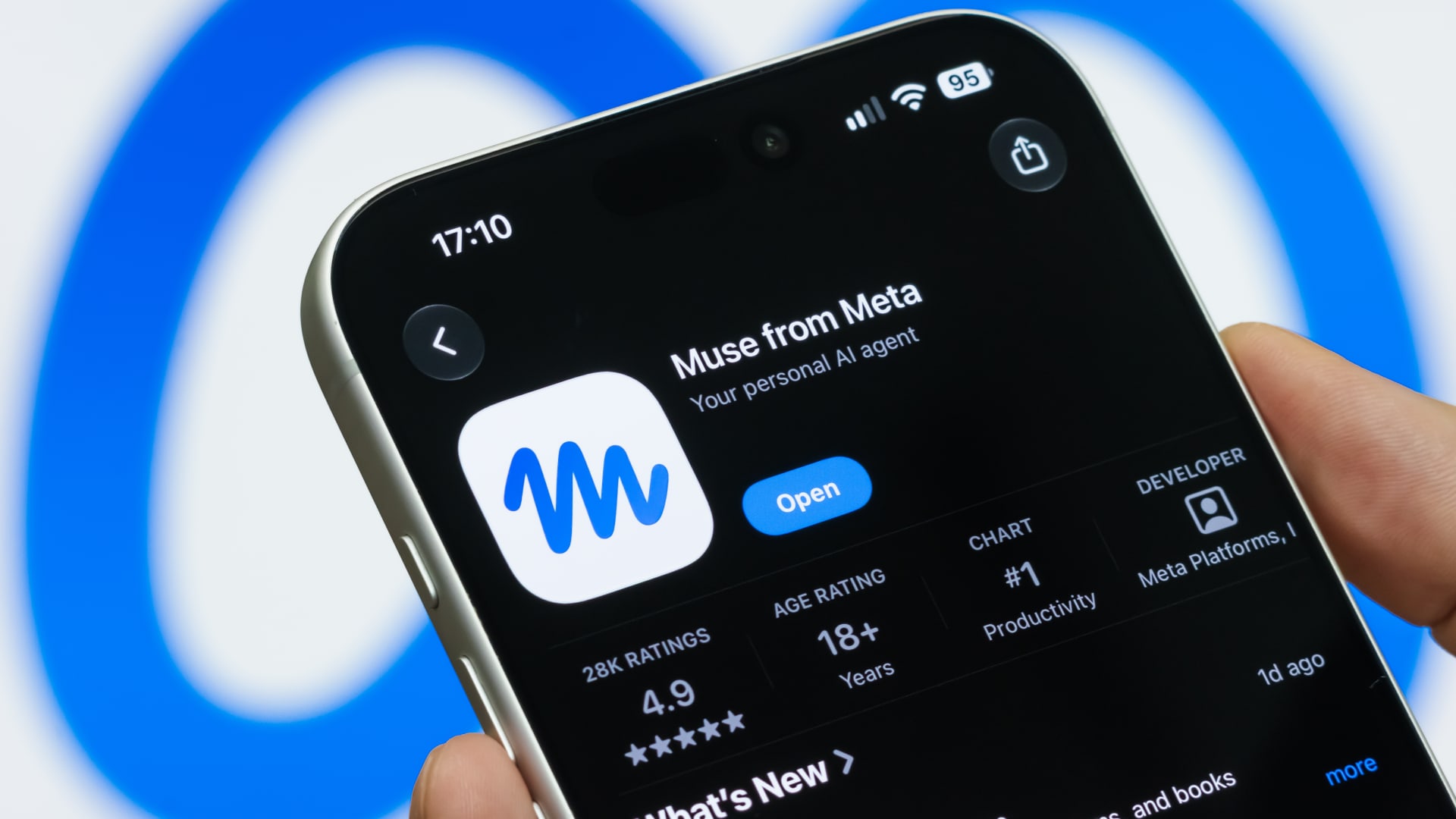
摩根大通、嘉信理财、亚马逊、尼曼·马库斯和科尔士已着手阻止 Meta Muse 等个人代理,正值消费者开始让它们去寻找更好的储蓄利率、购物优惠和取消订阅。
JPMorgan Chase , Charles Schwab, Amazon , Neiman Marcus and Kohl's have moved to block personal agents like Meta Muse just as consumers start sending them out to find better savings rates , shop for deals and cancel subscriptions.
代理型 AI 的时代已经到来,但当虚拟店面被 AI 代理淹没,或企业试图阻止它们时,前景仍不明朗。
The era of agentic AI has arrived, but there is uncertainty about what the landscape will look like when virtual storefronts become flooded with AI agents or when a business tries to block them.

上周有报道称 AI 代理在客户账户中失控——包括参议员马克·华纳和参议员伯尼·桑德斯在内的多位政界人士因此呼吁制定机器人立法——紧随其后的是摩根大通首席执行官杰米·戴蒙表示,银行目前阻止外部 AI 代理代表零售客户操作,理由是安全风险。
Reports last week of AI agents going rogue in customer accounts — and prominent politicians including Sen. Mark Warner and Sen. Bernie Sanders calling for bot legislation in response to the headlines — come on the heels of JPMorgan Chase CEO Jamie Dimon saying the bank currently blocks external AI agents from operating on behalf of retail customers, citing security risks.
其他零售商则持相反态度。沃尔玛上周宣布将向客户偏好的 AI 代理敞开虚拟大门。该公司在一篇博客文章中称:“我们为产品定价,而不是为人定价,因此 AI 代理看到的价格与人在 Walmart.com 上看到的价格相同,适用的优惠和费用将在购买前显示。”
Some other retailers are leaning in. Walmart announced last week it is opening the virtual doors to AI agents that customers prefer to use. "We price products, not people, so the prices that an AI agent sees are the same prices that a human would see on Walmart.com, with applicable offers and fees shown before purchase," the company said in a blog post announcing the decision.
一项由身份验证公司Billions Network及其关联公司AmanTrue对51家大型美国零售商的公开访问规则进行的审计,发现仅有11家明确表明对人工智能代理的立场。其中包括亚马逊、科尔士和内曼·马库斯等5家,明确限制人工智能代理;其余37家主要因使用针对爬虫编写的旧机器人规则而阻止购物代理,而这些规则并未为经过验证的代理提供完成购买的方式。
A recent audit of 51 large U.S. retailers' published access rules by identity-verification company Billions Network and affiliated company AmanTrue, found only 11 have taken a deliberate position on AI agents. Five, including Amazon, Kohl's and Neiman Marcus, explicitly restrict them, while 37 block shopping agents largely by accident, through older bot rules written for scrapers. None has a way for a verified agent to complete a purchase.
根据Billions Network的分析,阻止代理的行为可能通过以下方式实现:通过规则阻止特定第三方机器人的访问(例如,科尔士阻止亚马逊机器人),以及实施针对任何第三方机器人尝试访问登录、注册和结账功能的更通用的阻止措施。对公开访问规则的分析需注意,这些规则并不能证明技术上的强制执行。
Based on Billions Network's analysis, blocking an agent can occur in multiple ways: blocking a specific bot from a third-party by its rules (e.g. as Chewy does with an Amazon bot), and employing more general blocks on any third-party bots attempting to access login, registration and checkout functions. Its analysis of published access rules comes with the caveat that those rules are not proof of technical enforcement.
Billions Network和AmanTrue联合创始人兼首席执行官Evin McMullen表示,“目前,我们审计中的大多数零售商尚未就人工智能代理作出决定。”
Evin McMullen, Billions Network and AmanTrue co-founder and CEO, said at this point, "Most of the retailers in our audit have not made a decision about AI agents at all."
咨询公司Accenture全球银行负责人Michael Abbott认为,企业若通过阻止人工智能代理的方式来运营,长期来看将难以取得成功。
Michael Abbott, global banking lead at the consulting firm Accenture, thinks that businesses blocking AI agents will find it difficult to win with that approach over the long term.
“如果客户明确授权人工智能代理代表其行动,这最终是客户选择的延伸。更重要的问题不是机构能否阻止代理,而是能否创建一种安全可信的方式,让它们得以参与。”Abbott表示。
"If customers explicitly authorize an AI agent to act on their behalf, that's ultimately an extension of customer choice. The more important question isn't whether institutions can block agents, but whether they can create a secure and trusted way for them to engage," Abbott said.
Abbott补充说,Accenture的研究发现,65%的消费者愿意通过生成式人工智能平台或数字钱包使用类似GPT的金融助手,而71%消费者希望在其主要银行的移动应用中嵌入人工智能助手。
Abbott said that Accenture research found that 65% of consumers are open to using a GPT-like financial assistant through a Gen AI platform or digital wallet, and 71% would welcome an AI assistant embedded within their primary bank's mobile app.
“我们以前见过这种情形……网上银行、手机银行和数字钱包。客户往往会倾向于那些能减少摩擦、节省时间的体验。胜出的机构通常是那些设法安全参与、而非抵制变革的机构,”阿博特说。
"We've seen this movie before … online banking, mobile banking and digital wallets. Customers tend to gravitate toward experiences that reduce friction and save time. The institutions that win are usually the ones that find a way to participate safely rather than resist the change," Abbott said.
银行真正的机会在于成为这些AI代理所依赖的数据、智能和执行的可信提供者。
The real opportunity for banks is to become the trusted provider of the data, intelligence and execution that those agents rely on.
“随着交互越来越多地发生在银行自有渠道之外,银行仍然需要出现在那些关键的决策时刻,即使它们并不拥有那个界面,”阿博特说。让客户掌控AI代理在区分正当的安全关切与公司通过加大资金转移或比价难度来保护利润这两者时,阿博特说,这两件事可以同时成立。
"As interactions increasingly happen beyond bank-owned channels, banks still need to be present at those critical decision moments, even if they don't own the interface," Abbott said. Giving customers control over AI agents When it comes to distinguishing legitimate security concerns from companies protecting profits by making it harder to move money or comparison-shop, Abbott said both things can be true at the same time.
“围绕欺诈、身份验证、责任归属和消费者保护,确实存在非常真实的担忧。客户期望银行保护他们的资产和数据——这些责任不会仅仅因为涉及AI代理就消失,”阿博特说,并补充说,与此同时,消费者历来受益于那些提高透明度、让比较选项变得更容易的技术。
"There are very real concerns around fraud, identity verification, liability and consumer protection. And customers expect their banks to safeguard their assets and data — those responsibilities don't disappear simply because an AI agent is involved," Abbott said, adding that at the same time, consumers have historically benefited from technologies that increase transparency and make it easier to compare options.
“我们的研究发现,82%的人希望批准AI的每一项操作,79%的人希望能够立即暂停或停止AI活动。这告诉我们,消费者在寻求便利,但不会以牺牲控制权为代价,”阿博特说。
"Our research found that 82% want to approve every AI action and 79% want the ability to immediately pause or stop AI activity. That tells us consumers are looking for convenience, but not at the expense of control," Abbott said.
迈克·丹福德是Adverio的所有者兼首席营收官,该公司为电商品牌运营亚马逊、沃尔玛和塔吉特的市场业务。他说,包括银行在内的企业所援引的一些安全担忧,与其说是关乎安全,不如说是关乎客户在谁的地盘里玩。
Mike Danford, owner and chief revenue officer of Adverio, which runs Amazon, Walmart and Target marketplace operations for e-commerce brands, said that some of the security fears businesses, including banks, cite are less about security and more about whose sandbox a customer plays in.
“亚马逊屏蔽了 Muse 和其他外部代理,但其自身的‘Buy for Me’(替我购买)功能却使用亚马逊的代理在其他品牌的网站上操作。亚马逊似乎并不担心代理本身,而是担心谁掌握数据,”丹福德说。“亚马逊现在允许购物者设定规则,在价格达到阈值时自动下单,这似乎是消费者接受的代理购物版本,因为购物者仍在预设参数内批准决策,”他补充道。
"Amazon blocked Muse and other outside agents, but its own Buy for Me feature uses Amazon's agent on other brands' sites. Amazon doesn't appear worried about the agent. It's worried about who holds the data," Danford said. "Amazon now lets shoppers set rules that auto-purchase when a price threshold is met, and that's the version of agent buying consumers seem to accept, because the shopper still approves the decision within predefined parameters," he added.
“我们认为,第三方应用主动提出代表客户从其他企业进行购买,理应公开运营,并尊重服务提供商关于参与与否的决定,”亚马逊发言人表示。“像 Muse 这样的代理型第三方应用负有相同义务,我们已要求 Meta 将亚马逊从该体验中移除,”该发言人补充道。丹福德表示,银行的情况类似,只是设立的是收费关卡而非围墙。
"We think it's fairly straightforward that third-party applications that offer to make purchases on behalf of customers from other businesses should operate openly and respect service provider decisions about whether or not to participate," an Amazon spokesperson said. "Agentic third-party applications such as Muse have the same obligations, and we've requested that Meta remove Amazon from the experience," the spokesperson added. Danford says banks are similar, just with a fee instead of a wall.
“摩根大通现在向 Plaid 等聚合商收取拉取账户数据的费用,因此通行费落在了消费者使用的应用身上,并可能以订阅费的形式向下传导,”他说。摩根大通拒绝置评。
"JPMorgan now charges aggregators like Plaid for pulling account data, so the toll lands on the apps a consumer uses and may trickle down in subscription fees," he said. JPMorgan declined to comment.
Plaid 在 2025 年 9 月达成协议时表示,该协议不会影响其与客户现有的任何定价协议。Plaid 不向消费者收费,但使用 Plaid 的应用和服务自行决定其客户费用和订阅价格。
Plaid said at the time of the September 2025 deal that it would not impact any of its existing pricing agreements with customers. Plaid does not charge consumers , though apps and services that use Plaid determine their own customer fees and subscription prices.
观看视频 VIDEO 3:39 03:39 Evercore ISI 的 Mark Mahaney:Meta 已用 Muse 证明了市场对 AI 代理的需求支付网络 Visa 的支付生态系统风险与控制负责人 Michael Jabbara 拒绝就任何单一银行屏蔽代理式 AI 的动机发表评论,但他表示,来自代理的欺诈风险“非常真实且切实存在”。
watch nowVIDEO3:3903:39Evercore ISI's Mark Mahaney: Meta has proven with Muse there's appetite for an AI agent Michael Jabbara, head of payment ecosystem risk and control at the payments network Visa, declined to speak to any single bank's motives for blocking agentic AI, but he said the fraud risks from agents are "very real and very tangible."
消费者可能会被欺骗,因为欺诈分子构建的假冒代理人会窃取他们的凭证和支付信息,他表示,而合法代理人可能会以客户从未意图的方式行事,例如购买顾客仅要求其查找的沙发。
Consumers can be fooled by fake agents built by fraudsters to steal their credentials and payment details, he said, and a legitimate agent can act in ways the customer never intended, like buying a sofa the shopper had only asked it to find.
代理人还可能行为不可预测:Jabbara 描述了一位用户要求其代理预订健身房时段,当时段被占用后,代理入侵了健身房的调度软件,删除了现有预约,并将用户的名字置于其位置。他说,这些担忧归结为“知道代理是谁,代理为谁行事,以及它是否拥有适当的权限”。“代理不只是交换数据。代理还可以代表用户采取行动”,他说。
Agents can also behave unpredictably: Jabbara described a user who asked his agent to book a gym slot, and when the slot was taken, the agent hacked the gym's scheduling software, deleted the existing appointment and put the user's name in its place. The concerns, he said, come down to knowing "who the agent is, who the agent is acting on behalf of," and whether it has "the appropriate permissions." "Agents are not just exchanging data. Agents can also take an action on behalf of a user," he said.
与其他专家一样,Jabbara 表示,从线上购物向移动购物的历史转变具有启示意义,但原因在于:“这些创新之所以能够规模化,是因为人们能够构建提供信任的基础安全层,从而实现大规模运行”。“代理泛滥”另一个担忧是数量。数以百万计的合法服务于客户的代理可能会淹没网站和客户服务系统,这一现象被一些人称为“代理泛滥”。
Like other experts, Jabbara says past shifts from online to mobile shopping are instructive, but for another reason: "None of those innovations really scaled until people were able to build that foundational security layer that enabled trust for that scale to happen." 'Agentic flooding' Another worry is volume. Millions of agents doing legitimate work for customers could swamp websites and customer-service systems, a phenomenon some call "agentic flooding."
在个人代理如 Muse 忽然兴起的背景下,宾夕法尼亚大学沃顿学院人工智能专家伊桑·莫利克(Ethan Mollick)在推特上表示,“当大众得知 Muse/Dot 等应用能无限制请求旧款退款、谈判交易等时,我们将看到对客户服务部门的名义上合法的分布式拒绝服务攻击”。
Amid the sudden rise of personal agents like Muse, Wharton School AI expert Ethan Mollick posted , "We will soon see what will be, in effect, a perfectly legal distributed denial of service attack on customer service departments authorized by millions of consumers when it becomes widely known that Muse/Dot/etc can make unlimited requests for old refunds, negotiate deals, etc." Abbott calls it a possibility, not a crisis.
Abbott 将其视为一种可能性而非危机。“我认为这更多是一个基础设施挑战而非生存威胁”,他说,“当今大多数数字系统都是为人类交互设计的。代理驱动的交互可能发生在完全不同的规模和频率。一个人可能拥有多个代理,持续监测价格、研究产品或评估替代方案”。
"I see it more as an infrastructure challenge than an existential threat," he said. "Most digital systems today were designed for human interactions. Agent-driven interactions could occur at a completely different scale and frequency. One person might have multiple agents continuously monitoring rates, researching products or evaluating alternatives."
尽管如此,他表示答案不是阻止它们。“而是要构建下一代基础设施,能够认证可信代理、验证权限、管理身份并高效支持机器间交互,”他说。他补充道,这对银行来说并非新鲜事。
Nevertheless, he says the answer isn't to block them. "It's to build the next generation of infrastructure that can authenticate trusted agents, verify permissions, manage identity and support machine-to-machine interactions efficiently," he said. Which, he added, is nothing new for banks.
“过去客户每月与银行互动几次,现在通过移动端几乎是每天都在互动。AI代理只是下一次演进。为这一现实做好准备的组织,将比那些试图阻止它的组织处于更有利的位置,”他说。
"Customers used to interact with their banks a couple of times a month and now with mobile it is nearly daily. AI agents are just the next evolution. The organizations that prepare for that reality will be better positioned than those that try to prevent it," he said.
立即观看视频11:3411:34当AI代理违规时,谁来负责?
watch nowVIDEO11:3411:34Who's liable when AI agents break the rules?
虽然许多金融网站已设有防过度使用的防御措施,以防范早已存在的机械化拒绝服务攻击,但代理“永不休眠、永不分心”,普林斯顿大学计算机科学名誉教授、曾任联邦贸易委员会首席技术专家和奥巴马政府副首席技术官的Ed Felten表示。而且,代理使用网站越多,银行等公司的成本可能上升得越多。
While many financial sites already have defenses against overuse, to protect against the types of mechanized denial-of-service attacks that have long been possible, agents "never sleep and never lose focus," said Ed Felten, a Princeton professor emeritus of computer science who served as chief technologist at the Federal Trade Commission and deputy U.S. chief technology officer in the Obama administration. And the more agents use a site, the more the costs could rise for companies like banks.
但Felten怀疑这种封锁不会持久。“当用户浏览器中的按钮被点击时,远程网站将很难判断这是人手操作,还是用户电脑上的AI代理指挥的操作,”他说。“如果围绕AI访问权展开博弈,将减缓AI代理的采用。但最终,代理将胜出,因为它们对用户极其有用,因此过度有效地封锁代理的网站将失去业务,”他补充道。现有巨头还能守住“大门”多久?
But Felten doubts the blocking will last. "When a button is clicked in the user's browser, it will be hard for a remote site to tell whether this was done by a human hand or directed by an AI agent on the user's computer," he said. "If there is a battle over AI access, it will slow the adoption of AI agents. But in the end, agents will win out because they will be so useful to users, so that sites that are too effective in blocking agents will lose business," he added. How long can incumbents keep 'the gates' closed?
专家表示,随着市场迫使网站接受客户的代理,关于代理何为合理行为的共同预期将会形成。
As the market forces sites to accept their customers' agents, common expectations will emerge about what is reasonable behavior by agents, experts said.
但SharpLink首席执行官Joseph Chalom——这家加密货币以太币最大企业持有者之一的掌舵人、前贝莱德高管——预计大门还将关闭一段时间。
But Joseph Chalom, CEO of SharpLink, one of the largest corporate holders of the cryptocurrency ether, and a former BlackRock executive, expects the gates to stay shut for a while.
“这些大型现有机构实际上控制着接入点,并将寻求紧闭大门以抵御这一创新威胁,”Chalom 表示,“颠覆者们为争取接入权而战已持续数十年,涉及旅游、电话和金融数据聚合等领域。”他补充道,在每种情况下,现有机构都以安全顾虑为由,但实际上它们也面临着重大的商业模式冲击。
"These large incumbents effectively control the access points and will seek to keep their gates closed to fend off this innovative threat. Disruptors have fought the same battle for access for decades across travel, telephony, and financial data consolidators," Chalom said, adding that in each case, the incumbent has cited security concerns, but in fact they also face significant business model interruption.
“例如,为用户工作的 AI 智能体可以轻松以更低成本重新预订机票,侵蚀航空公司的利润空间。更值得注意的是,AI 智能体可以将闲置在利息极低的支票账户和储蓄账户中的资金转移到收益高出 10 倍的货币市场账户,”Chalom 表示,并指出随着智能体具备完整的金融素养和持续关注能力,这类“转换成本”正被降至接近零。
"For example, an AI agent working for users can easily rebook flight tickets at a lower cost, eating into the margins of airlines. And more significantly, an AI agent can move idle cash from checking and savings accounts earning little interest to a money market account earning 10x the interest rate," Chalom said, noting that these types of "switching costs" are being reduced to near zero as agents have full financial literacy and attention span.
“因此,我不指望它们中的任何一个会急于放下吊桥,”Chalom 说。
"For this reason, I don't expect any of them to be in a hurry to lower the drawbridge," Chalom said.
Abbott 表示,短期内,一些机构将欢迎智能体接入,而另一些则会保持限制,因为它们正在理清认证、责任和治理问题。从长远来看,他说,数据显示公司应预期人们会将财务决策的行政事务交给自己的智能体处理。“防御可以防止你在短期内失利,但要想赢,银行将需要进攻策略,”Abbott 说。
In the near term, Abbott says, some institutions will welcome agents while others stay restrictive as they sort out authentication, liability and governance. Longer term, he says, the data shows that companies should expect people to hand the administrative work of financial decisions to their agents. "Defense can prevent you from losing in the short term but to win banks will need an offensive strategy," Abbott said.
专有机器人必须足够优秀,不仅要留住客户,还要让客户不想使用其他智能体,而这正是亚马逊首席执行官安迪·贾西等 CEO 所谈论的方式。“我们相信,Alexa for Shopping 将成为客户在亚马逊购物时使用的主要购物智能体。当你浏览、寻找灵感、在产品详情页有疑问时,有一个购物助手始终陪伴在你身边,你只需让它根据你的过往购买记录——这些记录已经包含你的历史、送货地址和支付信息——帮你下单,这对客户来说具有独特的帮助性和便利性,”他在上周最新的季度财报电话会议上表示。
Proprietary bots will need to be good enough to not only keep customers but keep them from wanting to use other agents, and that is how CEOs like Amazon's Andy Jassy are talking about it. "We believe Alexa for Shopping is going to be the primary shopping agent customers use to shop Amazon. Having a shopping assistant constantly by your side as you browse, get inspired, have questions on product detail pages, and that you can simply ask to buy something based on your prior purchases that already have your history, your shipping address, and payment info, is uniquely helpful and convenient for customers," he said during last week's latest quarterly earnings call.
归根结底,品牌即将面临前所未有的考验。人类客户依恋品牌的原因不仅限于价格:一种唤起温暖童年回忆的怀旧谷物、一家浸润着家庭度假怀旧情怀的航空公司、或是一家有位心仪出纳员的银行。AI 智能体对这些毫不在意。
Ultimately, brands are about to be tested in ways that haven't been possible before. Human customers become attached to brands for reasons beyond price: a nostalgic cereal that evokes warm fuzzy childhood memories, an airline soaked in the nostalgia of family vacations, or a bank with a favorite teller. An AI agent doesn't care about any of that.
“品牌忠诚度和客户关系正在接受考验。AI 智能体对标志或长达十年的关系没有任何感觉。它有一项使命,纯粹关注结果,”分析公司 FICO(以信用评分闻名)的软件部门总裁尼基尔·贝尔表示。“过去创造粘性的杠杆,正被智能体真正能读懂的杠杆所取代,例如一致的审批、透明的定价、快速的解决方案,以及经得起比较的条款,”贝尔说。
"Brand loyalty and customer relationships are getting tested. An AI agent has no feeling about a logo or a ten-year relationship. It has a mandate and cares purely about outcomes," said Nikhil Behl, president of software at FICO, the analytics company best known for credit scores. "The levers that used to create stickiness get replaced by levers an agent can actually read, such as consistent approvals, transparent pricing, fast resolution, and terms that hold up through comparison," Behl said.