字号·· | 护眼
卫报

“每个家庭都有叛徒”:匈牙利将公开共产主义时期线人名单 直面历史‘Traitors in every family’: Hungary to unmask communist-era informants and confront past

点「原文对照」整页切到原文,或双击某段只看那段的原文。

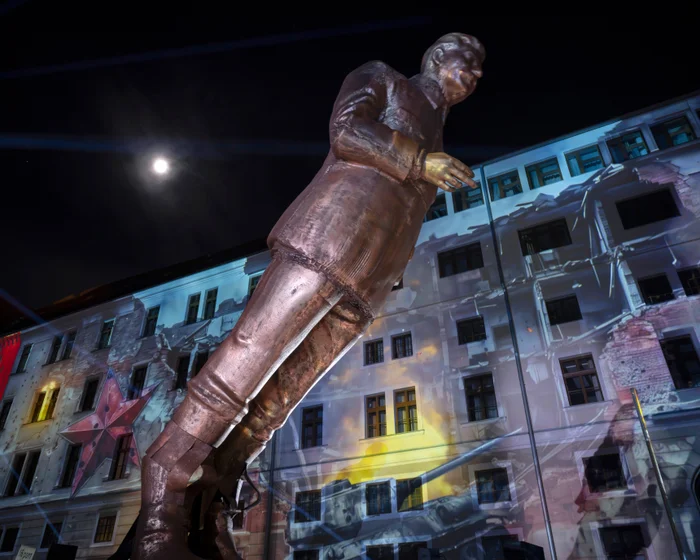
布达佩斯市政厅公园内的一处装置艺术展示了斯大林雕像倒塌的场景,背景建筑投影着战时废墟。 摄影:Marton Kovacs/EPAAn installation in City Hall Park in Budapest shows the toppling of Stalin set against a building projected with wartime ruins. Photograph: Marton Kovacs/EPA

匈牙利新政府将于周三公布共产主义时期数万名国家线人的姓名,试图直面历史并重建公众信任。

From 1945 to 1989 security police relied on tens of thousands of spies to suppress dissent. To rebuild trust, their files will finally be made public Hungary’s new government will on Wednesday reveal the names of tens of thousands of state informants from the communist era in an attempt to confront the past and rebuild public trust.
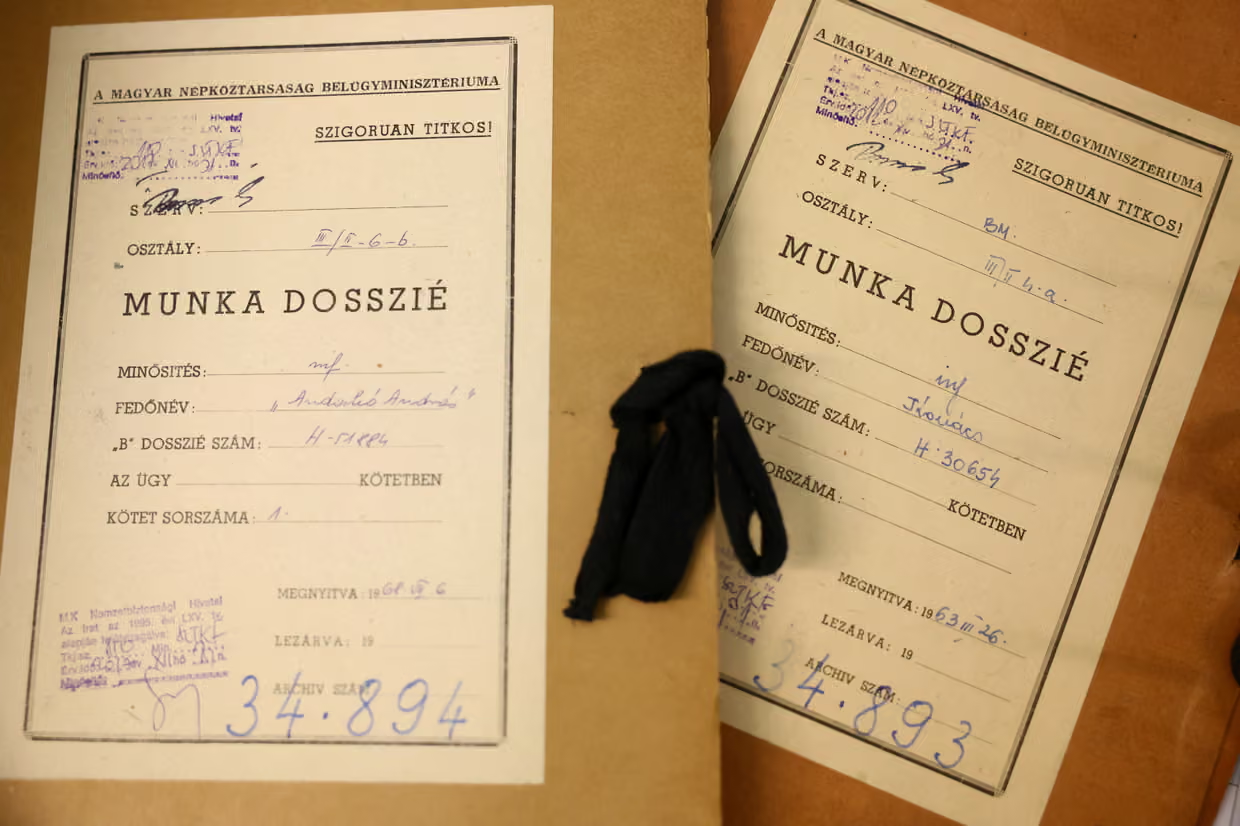
布达佩斯匈牙利国家安全机关历史档案馆内的“特工档案”数十年来基本未对公众开放。 摄影:Bernadett Szabó/ReutersThe ‘agent files’ in the Historical Archives of the Hungarian State Security in Budapest remained largely inaccessible to the public for decades. Photograph: Bernadett Szabó/Reuters
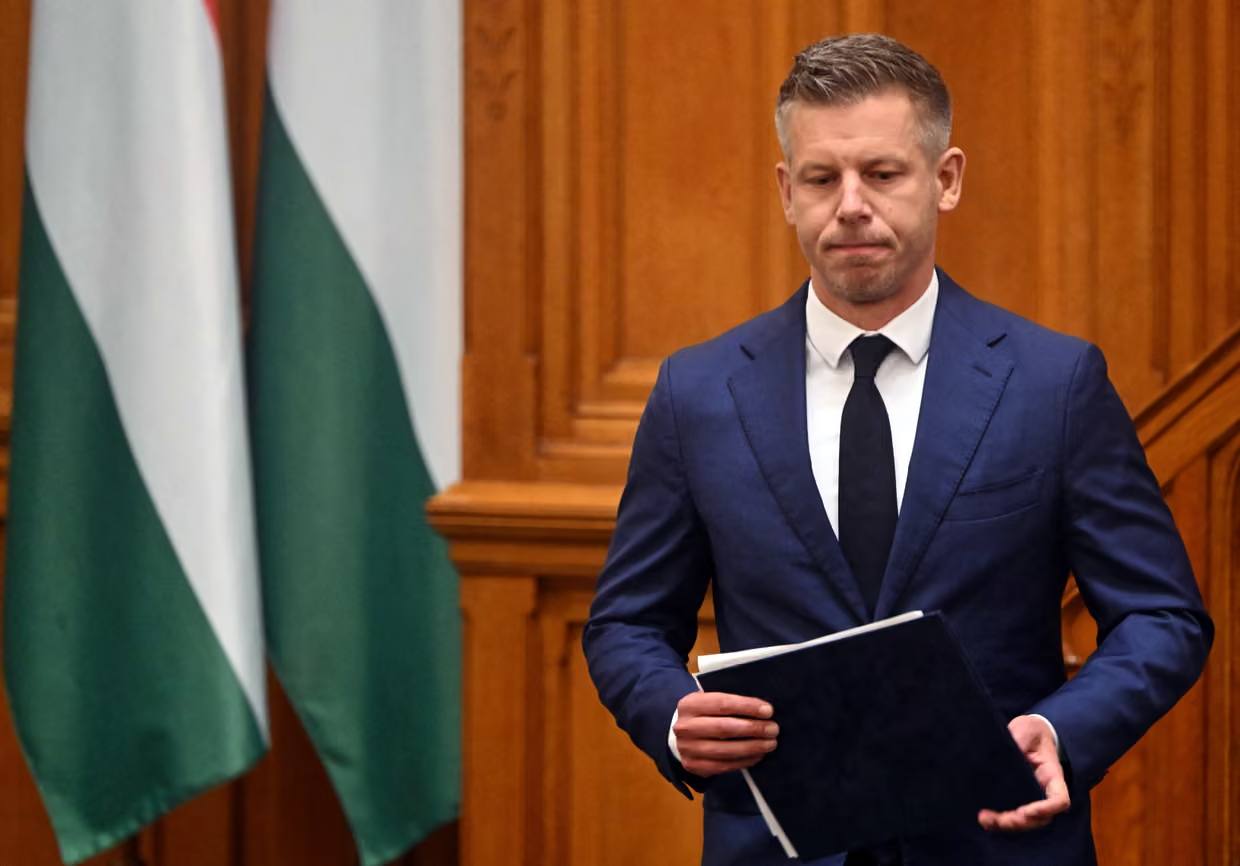
马加尔·彼得在竞选期间承诺将公开这些档案。 摄影:Attila Kisbenedek/AFP/GettyPéter Magyar promised during his election campaign to make the files public. Photograph: Attila Kisbenedek/AFP/Getty
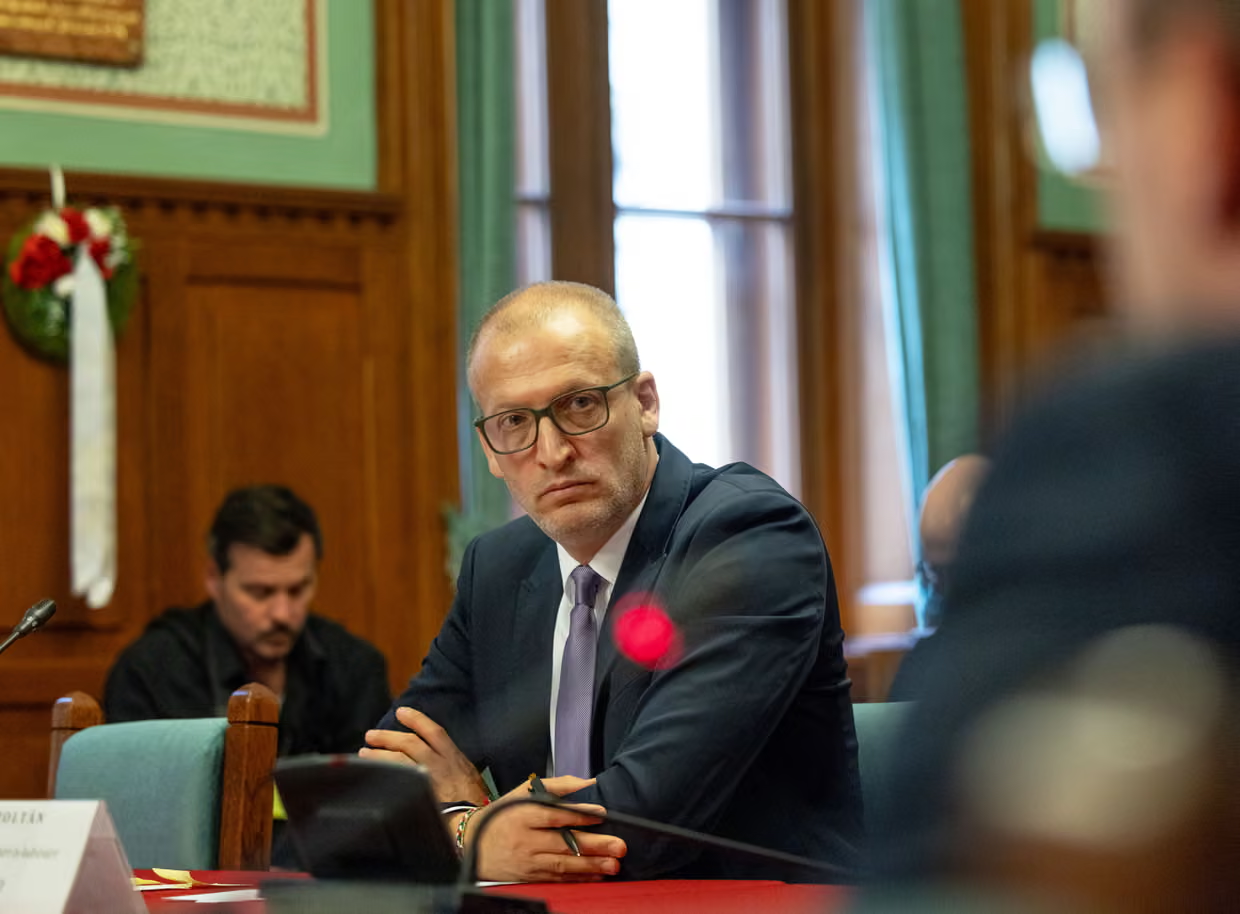
社会关系与文化部长陶尔·佐尔特在脸书上发文称,“民主社会有权了解自己的过去”。 摄影:János Kummer/GettyZoltán Tarr, the minister of social relations and culture, posted on Facebook that ‘a democratic society had the right to know its past’. Photograph: János Kummer/Getty

1945年至1989年间,匈牙利共产主义国家安全机构依靠庞大的线人网络监控社会、镇压异见。一些人遭到勒索或胁迫,被迫向邻居、朋友、同事甚至家庭成员告密;另一些人则是通过许诺各种利益被招募的。

From 1945 to 1989, Hungary’s communist state-security services relied on an extensive network of informants to monitor society and suppress dissent. Some were blackmailed or coerced into reporting on neighbours, friends, colleagues and even family members; others were recruited through promises of various advantages.
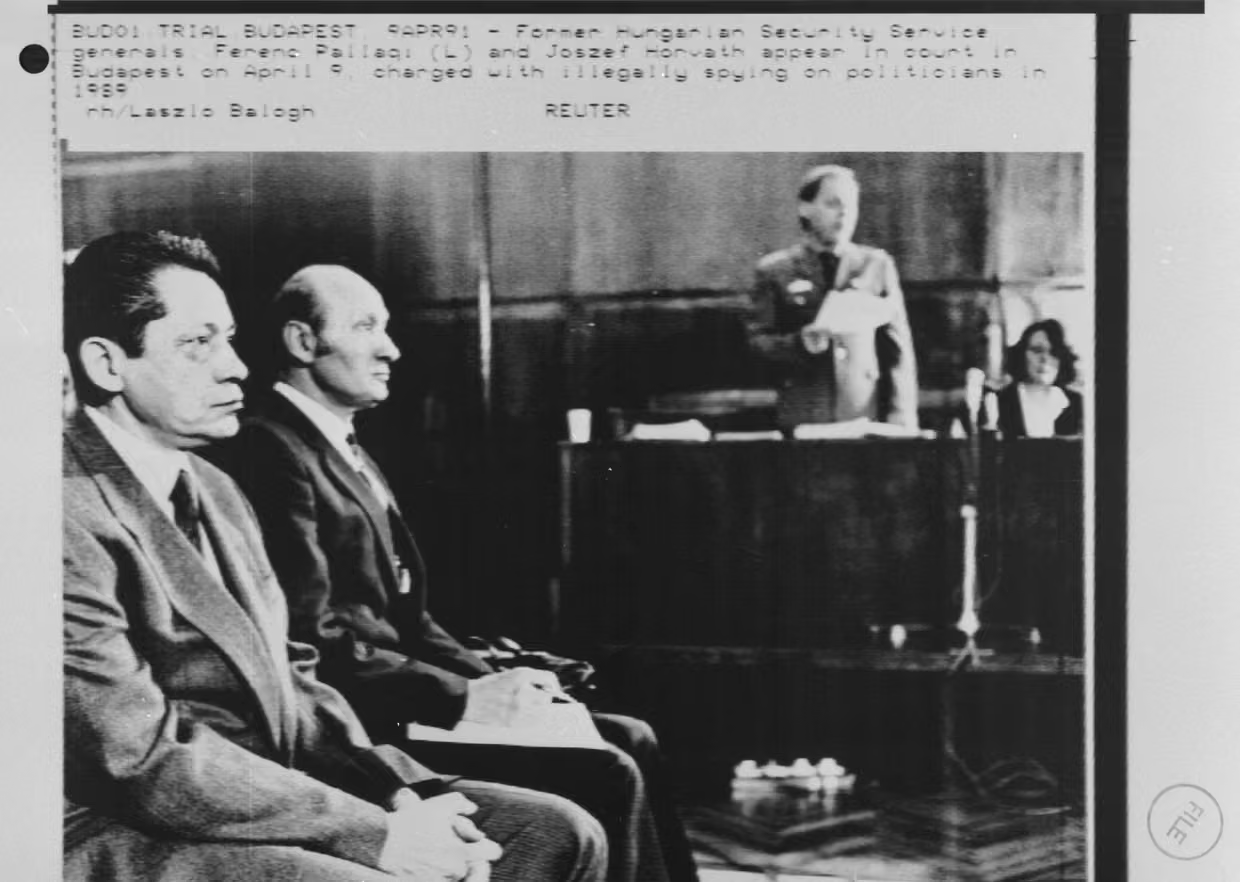
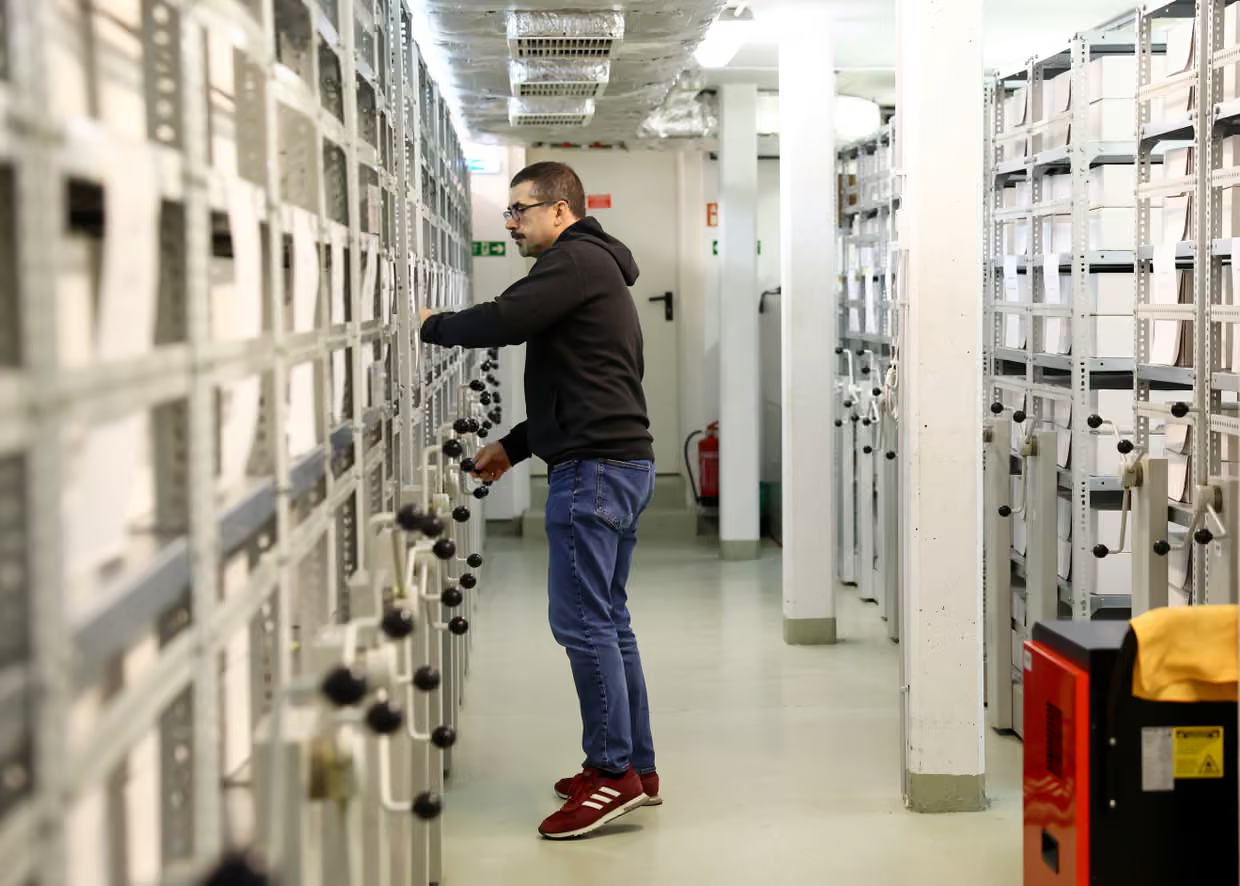
前匈牙利国家安全机关将军帕拉吉·费伦茨和霍尔瓦特·约热夫于1991年在布达佩斯出庭受审,被指控非法监视政客。 摄影:László Balogh/ReutersFerenc Pallagi and József Horváth, former Hungarian security service generals, appear in court in 1991 in Budapest charged with illegally spying on politicians. Photograph: László Balogh/Reuters
一名档案管理员在布达佩斯匈牙利国家安全机关历史档案馆工作。 摄影:Bernadett Szabó/ReutersAn archivist working in the Historical Archives of the Hungarian State Security in Budapest. Photograph: Bernadett Szabó/Reuters
阅读媒体原文 ↗