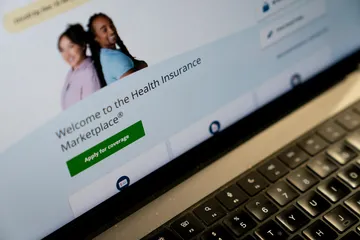
随着数百万美国人本周开始报名参加《平价医疗法案》(ACA)保险计划,许多人将发现自己面临又一个痛苦的涨价之年,而且在许多州,可供选择的计划更少了。更糟糕的是,新政策将迫使更多人失去保险。这应该引起所有美国人的关注——即使是那些拥有雇主资助保险计划的人。
As millions of Americans beging up for Affordable Care Act coverage this week, many will find they are in for another painful year of price hikes and, in many states, fewer choices. What’s more, new policies are set to push more people to go without insurance. That should concern all Americans — even those with employer-sponsored plans.
就问题而言,这并非完全出乎意料:共和党人允许拜登时代的增强税收补贴在去年底到期,这些补贴曾让更多人负担得起 ACA 计划。后果巨大。今年市场计划的月保费平均上涨了 58%,一些美国人面临的涨幅更大。这挤压了预算,迫使人们做出艰难抉择。
As far as problems go, this one wasn’t entirely unexpected: Republicans allowed Biden-era enhanced tax subsidies that had made ACA plans affordable to more people to expire at the end of last year. The fallout has been vast. Monthly premiums for marketplace plans went up by an average of 58% this year, with some Americans confronted with far bigger increases. That’s squeezed budgets and pushed people to make hard choices.
他们的故事随处可见:马里兰州一名女子将每月 659 美元的账单刷在信用卡上,但因计划有 1 万美元的免赔额,仍不敢去看医生;爱荷华州一名农民的保费几乎翻了三倍;佛罗里达州一名咨询师降级了计划,但仍不得不牺牲教育支出和与丈夫的约会之夜来负担医疗费用。
Their stories are everywhere: The Maryland woman putting the $659 monthly bill on her credit card, yet still daunted by a doctor’s visit due to her plan’s $10,000 deductible; the Iowa farmer whose premiums nearly tripled; the Florida counselor who downgraded her plan but still had to sacrifice education and date nights with her husband to afford care.
许多其他美国人干脆不买保险了。凯撒家庭基金会(KFF)最新估计显示,在取消增强补贴的第一年,个人市场参保人数减少了 460 多万人。
Many other Americans are simply going uninsured. The most recent estimates from KFF show that in this first year without enhanced subsidies, individual market enrollment dropped by more than 4.6 million people.
对于大多数通过雇主获得保险的适龄劳动美国人来说,这一切可能只是耳边风。但每个人都应该关注 ACA 遭受的重创。
All of this might be white noise to the majority of working-age Americans who get their insurance through their employer. But everyone should be paying attention to the battering of the ACA.
首先,请记住,受这些 ACA 变化冲击的人就生活和工作在我们的社区里。无论是以自由职业者谋生的熟人、街角咖啡店的老板,还是送杂货的小哥,我们的朋友和邻居都在这些政策变化的重压下挣扎。当然,我们任何人有一天都可能发现自己需要保险。
For starters, remember that the people hit by these changes to the ACA live and work in our communities. Whether it’s the acquaintance who makes a living as a freelancer, the owner of the corner coffee shop, or the guy delivering groceries, our friends and neighbors are struggling under the weight of these policy changes. And, of course, any of us could one day find ourselves in need of coverage.
但保险负担能力下降带来的经济后果也会间接影响所有人。随着更多人失去保险——由于《平价医疗法案》的变更和新的医疗补助工作要求,数百万人正加入无保险人群——医院面临的无偿医疗服务增加。这些账单不会无人买单。相反,医院会将成本以更高的医疗服务价格形式转嫁给拥有私人保险的患者。
But the economic consequences of less affordable coverage also affect everyone indirectly. When more people go uninsured — and between the ACA changes and new Medicaid work requirements, many millions are joining those ranks — hospitals see a rise in uncompensated care. Those bills don’t go unpaid. Rather, hospitals pass the cost on to privately insured patients in the form of higher prices for care.
随着《平价医疗法案》市场形势恶化,这些更广泛的成本可能会进一步恶化。诚然,最大的冲击——税收抵免到期——已经过去。但医疗成本持续上升,2027年《平价医疗法案》保费平均还将再上涨13%。
And those broader costs are likely to worsen as the situation in the ACA marketplace deteriorates. Sure, the biggest shock — the expiration of the tax credits — has passed. But healthcare costs continue to rise, and ACA premiums for 2027 will go up by another 13% on average.
此外,在一些《平价医疗法案》市场,计划选择已减少。据KFF统计,已有11家承保商表示明年将退出市场,导致约24个州的美国人别无选择,只能寻找新计划——而新计划可能比他们原有的更差。
And in some ACA marketplaces, plan options have dwindled. Some 11 carriers have said they will exit the marketplace next year, according to KFF, leaving Americans in some 24 states with no choice but to find a new plan — one that may be worse than the one they had before.
而且,所有依赖《平价医疗法案》保险的人在2027年可能会发现获得的参保帮助大幅减少。去年,特朗普政府削减了大部分“领航员”项目的资金,这些人员帮助民众办理参保手续。这不仅仅是一个锦上添花的项目:研究表明,外展工作能降低无保险率,对服务不足社区的人群尤为关键。
What’s more, everyone who relies on ACA insurance could find they have far less enrollment help in 2027. Last year, the Trump administration stripped away most of the funding for “navigators” who help people sign up for coverage. That’s not just a nice-to-have program: Research has shown that outreach lowers the uninsurance rate and is particularly crucial for people in underserved communities.
上个月,医疗保险和医疗补助服务中心(Centers for Medicare and Medicaid Services)暂停了帮助人们注册保险的新经纪人的入职。此举被宣称为反欺诈措施,但可能会在开放注册期造成真正的瓶颈。(在这方面,健康政策专家建议任何使用经纪人的人现在就预约。)但共和党对《平价医疗法案》(ACA)的打击并未结束。
And last month, the Centers for Medicare and Medicaid Services paused enrollment for new brokers who help people sign up for insurance. The move was billed as an anti-fraud measure, but it could create a real bottleneck during open enrollment. (On that front, health policy experts advise anyone who uses a broker to grab an appointment now.) But Republicans’ walloping of the ACA is not over.
唐纳德·特朗普总统的《一个宏伟美好的法案》(One Big Beautiful Bill)包含其他几项重大变革,将在未来两年内逐步实施——这些变革似乎旨在让人们更难找到、更不用说负担得起保险。遗憾的是,它们似乎也没有进入足够多美国人的视野。
President Donald Trump’s One Big Beautiful Bill includes several other big changes that will roll out over the next two years — changes that seem designed to make it harder for people to find, let alone afford, coverage. Unfortunately, they also don’t seem to be on enough Americans’ radars.
明年的重大转变将是一项条款的生效,该条款剥夺了合法移民——包括例如绿卡申请人、难民和庇护申请人——获得《平价医疗法案》税收抵免资格的资格。国会预算办公室(Congressional Budget Office)估计,该条款将导致另外100万人无保险。2028年生效的更隐蔽的条款可能会让更多美国人的注册变得复杂。
The big shift next year will be the enactment of a provision that strips lawful immigrants — including, for example, green-card applicants, refugees and asylum seekers — of eligibility for ACA tax credits. The Congressional Budget Office has estimated the provision will leave another million people uninsured. Sneakier provisions that go into effect in 2028 could complicate enrollment for many more Americans.
再一次,一个更脆弱的《平价医疗法案》市场的影响不会只由《平价医疗法案》参保人承担。随着医疗成本对所有人都在飙升,雇主越来越多地考虑传统健康计划的替代方案。越来越多雇主转向一种较新的方法——特朗普政府正大力推销这种方法——即给员工钱让他们自己购买保险。
And once again, the impact of a more fragile ACA marketplace won’t just be felt by ACA enrollees. With healthcare costs surging for everyone, employers are increasingly considering alternatives to traditional health plans. More are turning to a newer approach — one getting a hard sell from the Trump administration — that involves giving employees money to buy their own coverage.
然而,只有当市场稳定——理想情况下是繁荣——时,这种方法才有吸引力。员工看重医疗福利,公司希望知道员工有合理的选择,这些选择不仅负担得起,还能让他们继续看原有的医疗服务提供者。
Yet that approach is only attractive if the marketplace is stable — and ideally, it should be thriving. Workers value healthcare benefits, and companies want to know their employees have reasonable options that aren’t only affordable, but also allow them to continue seeing their providers.
正在削弱美国人获得医疗保险机会、甚至动摇《平价医疗法案》(ACA)保险市场生存根基的政策并非一成不变。而每个人——不仅仅是依赖该计划的人——都在更健康的医疗保健生态系统中拥有既得利益。
The policies that are chipping away at Americans’ access to health insurance — and at the existence of the ACA marketplace itself — aren’t set in stone. And everyone, not just those who rely on the program, has a vested interest in a healthier healthcare ecosystem.