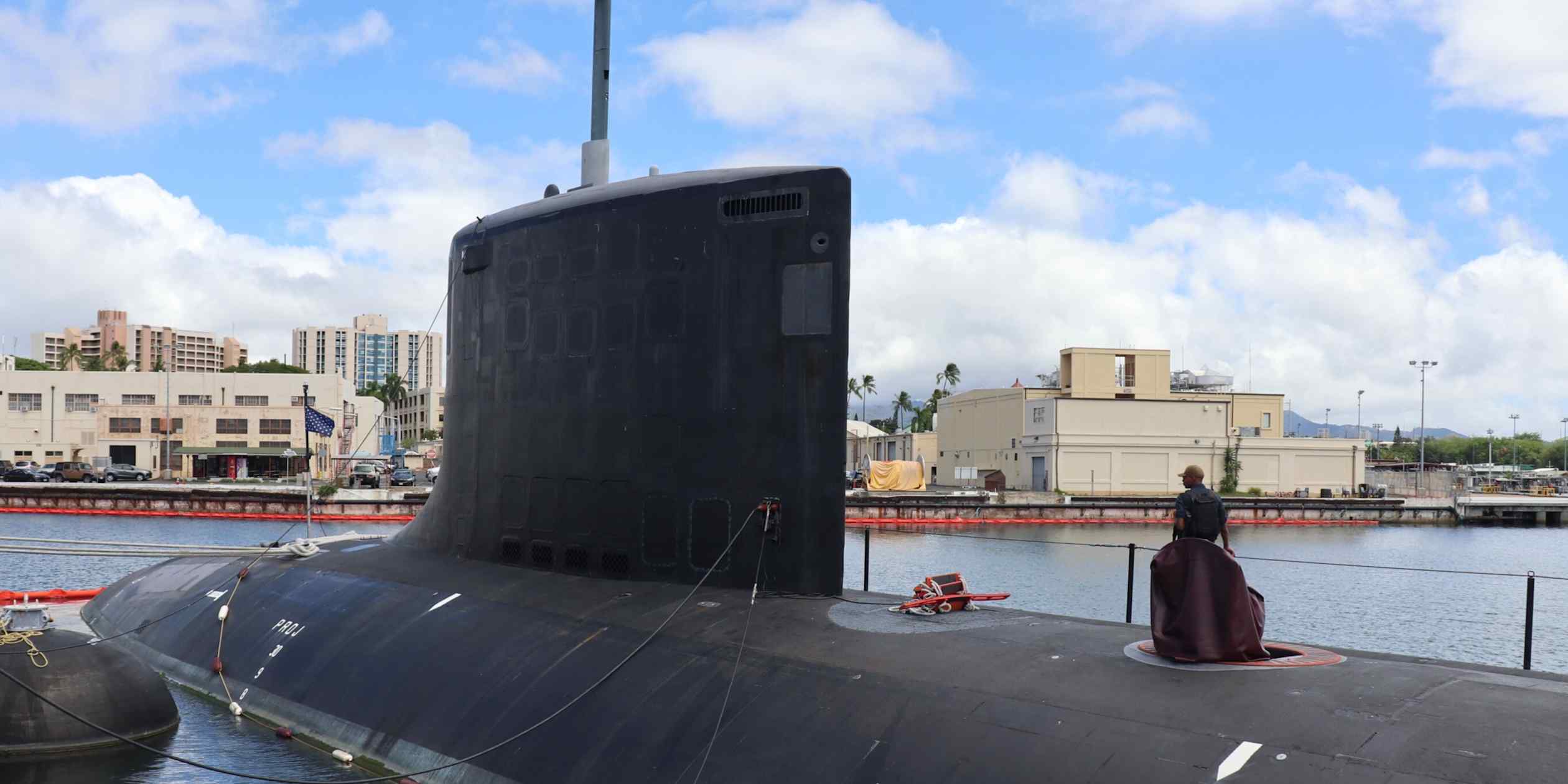
东京/华盛顿——华盛顿的一些专家,包括一名美国海军官员,越来越倾向于日本采购核动力潜艇的想法,认为这些舰艇将使日本自卫队能够更有效地遏制中国。
TOKYO/WASHINGTON -- Some experts in Washington, including a U.S. Navy official, are growing receptive to the idea of Japan acquiring nuclear-powered submarines, arguing that the vessels would enable the Japan Self-Defense Forces to deter China more effectively.
在10月23日的议会听证会上,日本防卫大臣小泉进次郎表示,关于下一代潜艇的动力系统,“应讨论广泛的选择方案”,表明他对核动力舰艇持积极态度。日本计划在今年年底前修订其三份主要安全文件,任何政策变化都可能被纳入新版本。
During a parliamentary hearing on Oct. 23, Japanese Defense Minister Shinjiro Koizumi said "a wide range of options should be discussed" regarding propulsion systems for next-generation submarines, signaling a positive view of nuclear-powered vessels. Japan looks to revise its three main security documents by the end of the year, and any policy changes could be included in the new versions.
核潜艇可以比日本海上自卫队运营的柴电潜艇长时间保持水下航行。这降低了被对手发现的风险,并允许更高的持续航速。小泉还引用了船员安全性提高作为另一项好处。执政联盟中较小的日本维新会的一些议员也支持这一想法。
Nuclear submarines can remain submerged much longer than the diesel-electric vessels operated by the Japan Maritime Self-Defense Force. This reduces the risk of detection by adversaries and allows for higher sustained speeds. Koizumi also cited enhanced crew safety as another benefit. The idea has some support among lawmakers from the Japan Innovation Party (JIP), the junior member of the ruling coalition.
在美国,一些人认为日本的核潜艇将有助于印太地区的安全。一名美国海军官员在9月对《日经新闻》等媒体表示,东京应该考虑采购核潜艇。
In the U.S., some think Japanese nuclear submarines would contribute to security in the Indo-Pacific region. A U.S. Navy official told Nikkei and other media in September that Tokyo should consider acquiring them.
日本的安全政策强调中国,东京的威胁认知与美国军方高度一致。这为与监测亚洲各地中国活动的美军进行更深层次合作创造了有利条件。
Japan's security policy emphasizes China, and Tokyo's threat perception aligns closely with that of the U.S. military. This creates favorable conditions for deeper cooperation with U.S. forces monitoring Chinese activities across Asia.
美国企业研究所智库的一份报告认为,核潜艇可以让日本“在遏制中国海军扩张和现代化方面承担更大角色”。
A report by the American Enterprise Institute think tank argued that nuclear submarines could let Japan "take on a greater role in countering the expansion and modernization" of the Chinese navy.
报告称,核潜艇“对日本而言可能日益重要,因为[中国海军]在未来十年可能转向以核动力潜艇为主的潜艇舰队,并计划显著扩大其水面作战能力。”据认为,北京正在扩大潜艇在西太平洋的活动范围,超出所谓的第一岛链,该岛链从台湾和冲绳延伸至菲律宾。部分舰艇可能搭载能够打击美国本土的潜射弹道导弹。仅靠美军单方面监测西太平洋的中国潜艇活动颇为困难。
The report said nuclear submarines "will likely be increasingly important for Japan as the [Chinese navy] will likely transition toward a largely nuclear-powered submarine fleet in the next decade and is set to significantly expand its surface warfare capabilities." Beijing is thought to be expanding submarine operations in the Western Pacific beyond the so-called first island chain, which stretches from Taiwan and Okinawa to the Philippines. Some vessels may carry submarine-launched ballistic missiles capable of reaching the U.S. mainland. Monitoring the Western Pacific for Chinese submarine activity is difficult for American forces alone.
日本创新党支持这一想法,同样源于中国在西太平洋日益增长的军事存在。该党在六月发布的一项政策提案中主张,日本需要将思维转向“能够防卫整个西太平洋的潜艇”。该党表示,柴电潜艇不足以完成这一任务,并强调“核动力潜艇是唯一选择”。美国智库传统基金会的布伦特·萨德勒估计,驻扎在横须贺的日本核潜艇可在菲律宾海保持活跃85天,是柴电潜艇的两倍多。在南海,其作战时间可延长四倍以上。
JIP's support for the idea also is rooted in China's growing military presence in the Western Pacific. In a policy proposal released in June, the party argued that Japan needs to shift its thinking toward "submarines capable of defending the entire Western Pacific." The party said diesel-electric submarines are insufficient for that mission and emphasized that "nuclear-powered submarines are the only option." Japanese nuclear submarines based at Yokosuka could remain active in the Philippine Sea for 85 days, Brent Sadler of U.S.-based think tank Heritage Foundation estimates, more than twice as long as diesel-powered vessels. In the South China Sea, they would be able to operate over four times longer.
如果日本决定获取核潜艇,美国的合作将至关重要。迄今为止,华盛顿仅将潜艇核动力推进技术共享给英国和澳大利亚等密切伙伴。挑战艰巨。
If Japan decides to acquire nuclear submarines, cooperation from the U.S. will be critical. To date, Washington has limited sharing of submarine nuclear propulsion technology to close partners such as the U.K. and Australia. The challenges are formidable.
“日本‘是否应该拥有核潜艇’的问题,应与‘日本能否安全运行核潜艇’分开考虑,”东京大学名誉教授、核安全和核燃料专家关村直人表示。“这两个问题都需要进行充分讨论。”引进核潜艇将需要建立基于核安全标准的独立监管和监督框架。日本还需要培训能够履行这些监管职能的人员,以及负责运行、维护和修理的专家。
"The question of 'should Japan have nuclear submarines' should be considered separately from 'can Japan operate them safely,'" said Naoto Sekimura, professor emeritus at Tokyo University and an expert on nuclear safety and nuclear fuel. "Both questions require thorough discussion." Introducing nuclear submarines would require an independent regulatory and oversight framework based on nuclear safety standards. Japan also would need to train personnel capable of carrying out those regulatory functions, as well as specialists for operation, maintenance and repairs.
日本的安全政策以纯粹防御性姿态为前提,优先保护日本领土附近地区。是否应将有限的国防资源用于用于广泛作战的核潜艇,需要进行广泛辩论。美国企业研究所的报告还将包括维护和维持成本在内的资金问题列为一大挑战。
Japan's security policy is premised on an exclusively defense-oriented posture, prioritizing protection of areas near Japanese territory. A broad debate is needed over whether limited defense resources should be allocated to nuclear submarines designated for wide-ranging operations. The American Enterprise Institute report also identified funding, including maintenance and sustainment costs, as a major challenge.
关村指出,核潜艇将引发与国际核不扩散条约相关的问题,并表示“外交问题也应得到解决。”即使日本选择使用低浓缩铀燃料,其浓缩程度也可能远高于民用核电通常使用的约5%。邻近的亚洲国家可能会对日本获得此类舰艇表示担忧。
Sekimura noted that nuclear submarines would raise issues related to international nuclear nonproliferation treaties, saying "diplomatic issues should also be addressed." Even if Japan opted for low-enriched uranium fuel, enrichment levels likely would be substantially higher than the roughly 5% typically used in civilian nuclear power. Neighboring Asian countries could express concerns about Japan acquiring such vessels.
在政府内部,有人提议在修订后的安全文件中加入语言,呼吁对日本是否应获得核动力潜艇进行“调查”和“研究”。
Within the government, some propose incorporating language into the revised security documents calling for "investigations" and "research" into whether Japan should obtain nuclear-powered submarines.