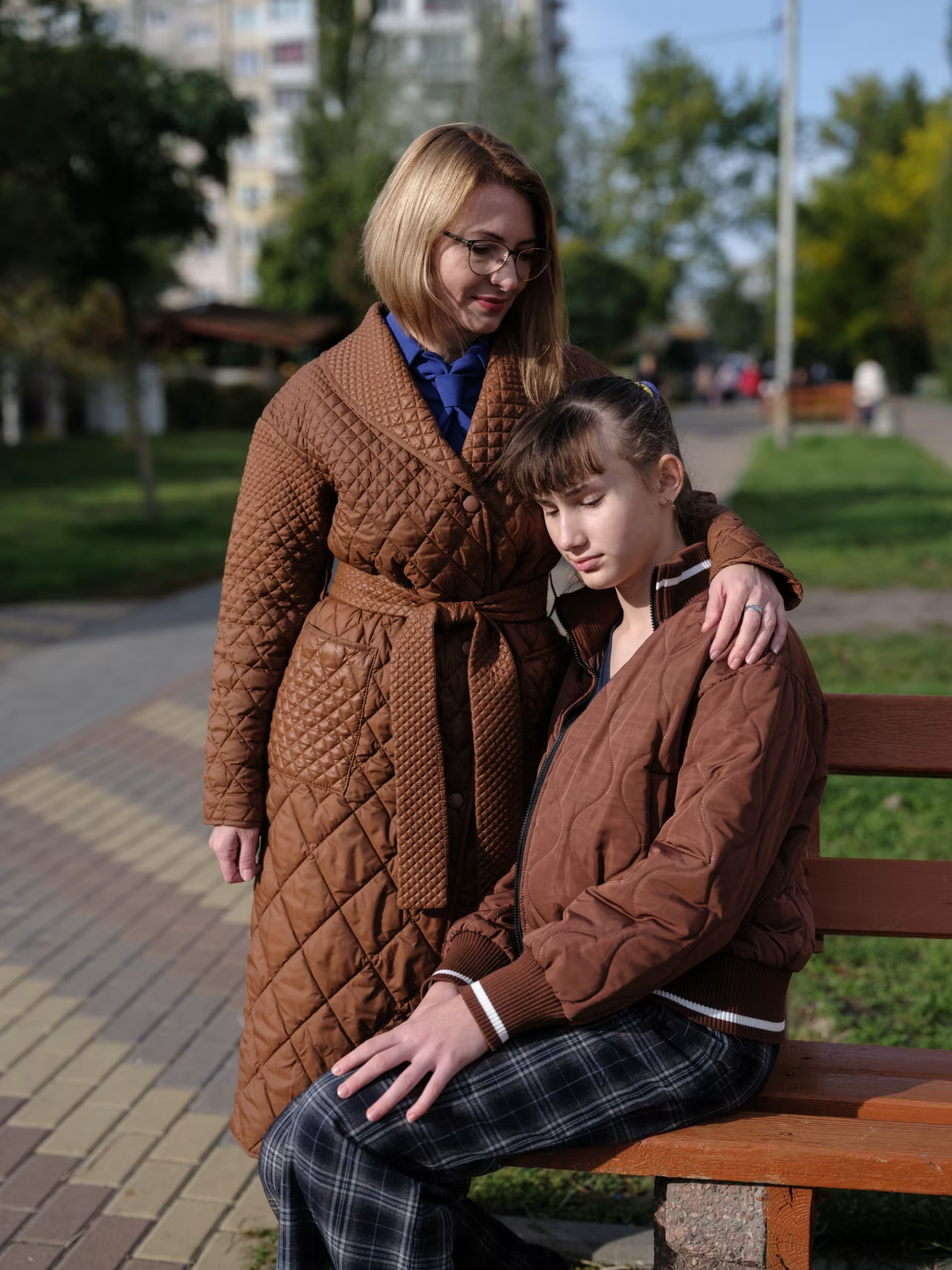
基辅——当斯维特兰娜·卡明斯卡(Svitlana Kaminska)10岁的女儿抱怨视力模糊、脑海中出现奇怪的旋转形状时,她焦虑地反复思考可能的原因,并安排了多次看诊。
KYIV—When Svitlana Kaminska’s 10-year-old daughter complained about blurry vision and odd shapes swirling in her head, she anxiously churned through possible reasons as she lined up various doctor visits.
最终给出答案的是一位儿童精神科医生。她的女儿玛尔哈丽塔(Marharyta)患有创伤后应激障碍。
The answer, when it finally came, was from a children’s psychiatrist. Her daughter Marharyta suffered from post-traumatic stress disorder.
“我们竭尽全力想保护她,让她尽可能少看、少听,”身为心理学家的卡明斯卡回忆起她们在被占领的赫尔松度过的几个月时说,“但结果证明,我们并没有做到。”如今14岁的玛尔哈丽塔依然不喜欢巨大的噪音,尤其是在空袭时回声嘹亮的学校防空洞里。降噪耳机有所帮助,她从心理学家那里学到的呼吸技巧以及一个涂了漆的弹壳——父亲在前线留给她的纪念品——也能让她平静下来。
“We tried so hard to shield her from everything, so she would see and hear as little as possible,” said Kaminska, a psychologist, recalling the months they spent in the occupied city of Kherson. “But it turned out that we had not.”Marharyta, now 14, still dislikes loud noises, especially in the echoey school shelter during air attacks. Noise-canceling headphones help, along with the breathing techniques she learned from her psychologist and a painted bullet casing, a keepsake from her father at the front.
然而,卡明斯卡依然担心长远的伤害,担心女儿能否摆脱战争的心理阴影。“我明白这不会很快,”她回忆道,预感到孩子前路的起伏,“我们生活中的一切都不会就这样消失。”自俄罗斯全面入侵开始已逾四年,许多家庭经历了类似的历程,从持续的空袭到逃离莫斯科推进的部队、离家出走的经历。
Yet Kaminska still worries about the long-term damage, and whether her daughter will ever escape the psychological impact of the war. “I understood that this will not be fast,” she recalled, anticipating the ups and downs her child faces ahead. “Nothing in our lives just goes away.”In over four years since the start of Russia’s full-scale invasion, many families have faced similar journeys, from persistent air attacks to experience of fleeing Moscow’s advancing forces and leaving their homes behind.
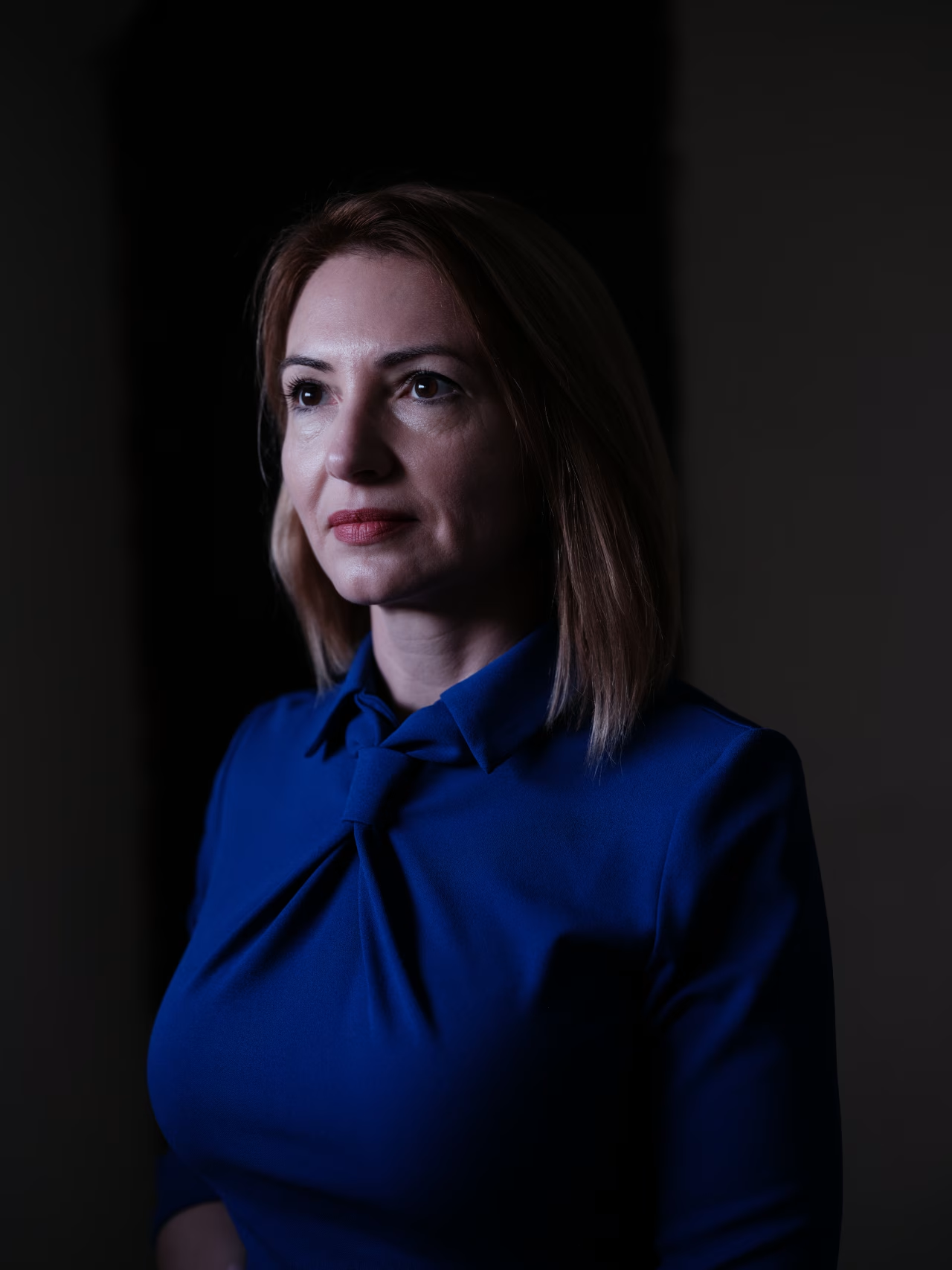
根据近期发表在《欧洲心理创伤学杂志》上的一项研究,近三分之一的乌克兰平民符合创伤后应激障碍的诊断标准。
Nearly a third of Ukrainian civilians meet criteria for post-traumatic stress disorder, according to a recent study published in the European Journal of Psychotraumatology.
在前线,军人在持续炮击、看不到尽头的情况下击退俄军的渐进式推进,面临极度的压力和精疲力竭。俄军在战场上难以实现战争目标,便猛烈轰炸乌克兰城市和电网,企图击垮民众士气。
At the front line, servicemen face extreme levels of stress and exhaustion as they repel incremental Russian advances under constant shelling with no end in sight. Struggling to achieve their war aims on the battlefield, Russian forces pummel Ukrainian cities and the country’s power grid to break the population’s morale.
尽管民意调查持续显示,在艰难的冬季来临之际,乌克兰人不愿向俄罗斯的要求屈服,但袭击和损失正在造成沉重代价。乌克兰帮助其饱受苦难民众的能力,可能对其抵抗和战后恢复的能力至关重要。
While opinion surveys continue to show Ukrainians’ unwillingness to give in to Russian demands ahead of a difficult winter, attacks and losses take their toll. Ukraine’s ability to help its suffering population could prove crucial to its ability to resist and recover after the war ends.
“如果精神健康问题在人口层面得不到治疗,将对经济和生产力产生重大的长期影响,”伦敦国王学院顾问精神科医生、副教授德伊德丽·麦克马努斯说。“这会影响人们的育儿能力。”作为关于乌克兰平民创伤后应激障碍研究的合著者,她表示,社区支持项目将成为应对这一规模问题的关键,而人手紧张的专家则可为最需要帮助的人提供针对性援助。
“If mental-health difficulties go untreated at a population level, that will have significant long-term ramifications for the economy and for productivity,” said Deirdre MacManus, a consultant psychiatrist and associate professor at King’s College London. “It impacts people’s ability to parent.”As a co-author of the study on PTSD among Ukrainian civilians, she says community support programs will become key to tackling an issue of this size while thinly stretched specialists can provide targeted help to those who need it most.
心理学家卡明斯卡表示,由于接触冲突的规模和时长前所未有,难以衡量战争在人口层面的影响;俄罗斯的全面入侵持续时间现已超过苏联在第二次世界大战中对抗纳粹德国的时间。
Kaminska, the psychologist, says it is difficult to gauge the influence of the war at the population level due to the unprecedented scale and length of their exposure to conflict; Russia’s full-scale invasion has now lasted longer than the Soviet Union’s fight against Nazi Germany in World War II.
她现在主要与退伍军人、现役军人及其家属合作。四年来,她注意到,不确定性和爱国热情在电话两头都让位于疲惫。当守卫者归来,平行生活的轨迹发生碰撞。
She now mostly works with veterans, active-duty servicemen and their families back home. In four years, she noticed that the uncertainty and patriotic fervor gave way to exhaustion on both ends of the phone. When the defenders return, lives lived in parallel collide.
家庭建立了新的常规,军人发生了改变,曾经熟悉的家园变得陌生。当卡明斯卡2023年参军的丈夫短暂休假回家时,差异显现出来。当她在丈夫来得及帮忙前提起沉重的食品杂货,他问道为什么不让他帮一把。“因为你明天就要走了,”她回答。
The families have developed new routines, servicemen have changed and what used to be home turf becomes foreign. When Kaminska’s husband, who joined up in 2023, is back for brief vacations, the differences surface. As she lifted heavy groceries before her husband could help, he asked why she didn’t let him lend a hand. “Because you’re leaving tomorrow,” she said.
卡明斯卡回忆说,他回家后变得更加心不在焉,但迫切需要倾诉心事,并想花时间陪伴在他离家期间已长大成人的女儿。她说,在前线,他注意到战友们会有情绪爆发和精神衰退的迹象,但鲜有人吐露心声,因为在生死攸关之际,任何软弱的表现都可能动摇信任。
Kaminska recalled how he would return home more absent-minded, but with an acute need to get stuff off his chest and spend time with his daughter who became a teenager while he was away. At the front, she said, he notices outbursts and mental fraying from his fellow servicemen, but few confide their feelings because any sign of weakness could shake trust when lives are on the line.
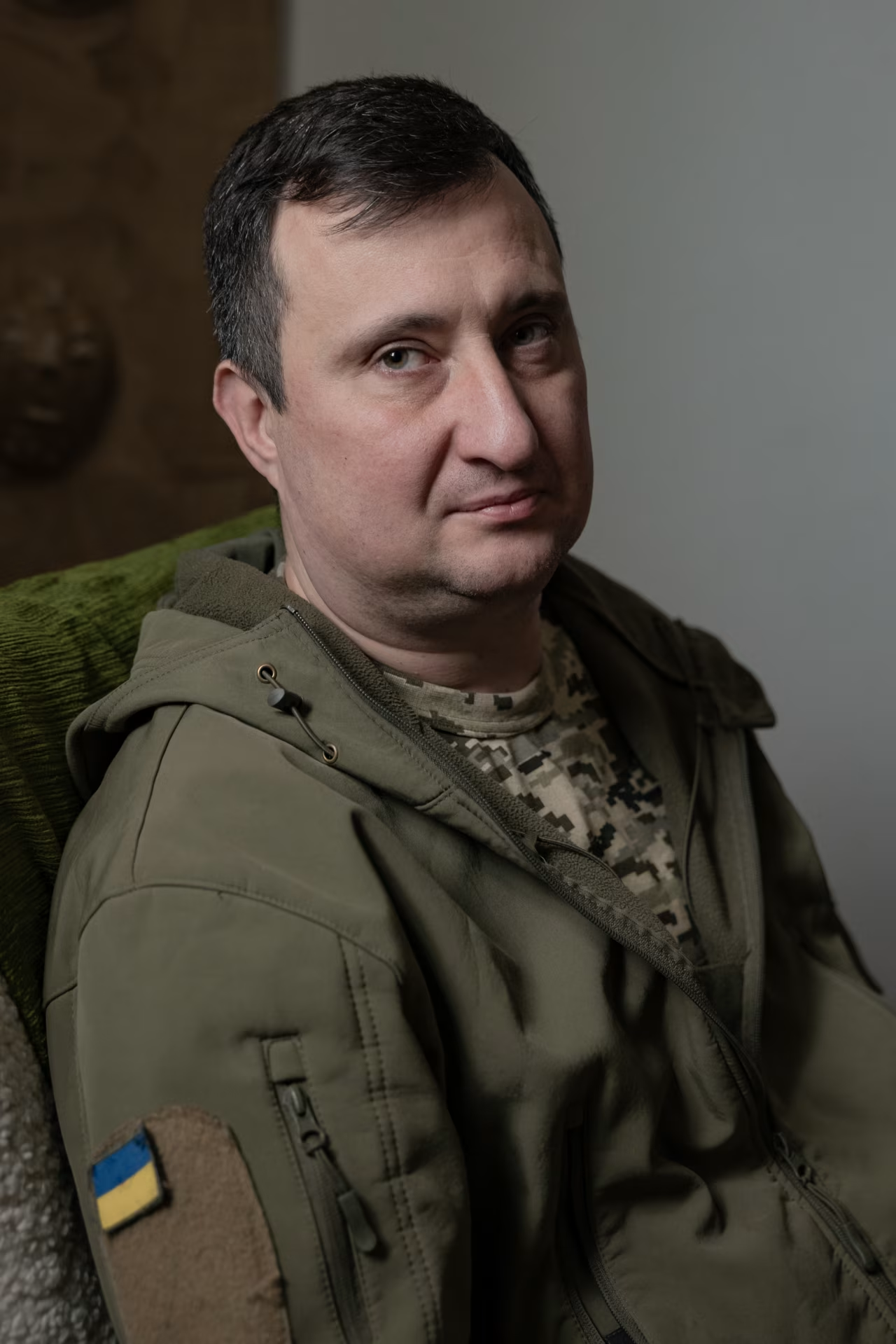
38岁的退伍军人奥列克西·科瓦列夫斯基在前线时,根本没有时间进行心理深度剖析。
Veteran Oleksii Kovalevskyi, 38, had no time for psychological deep-dives while at the front.
“那里有恐怖、惊骇,还有那种混杂着血腥气的泥土腥味,永远挥之不去。那种气味始终萦绕不散,”科瓦列夫斯基说。“所以在那里根本没有机会去想心理学、技巧或那些东西。”2022年底,他在一枚迫击炮弹击中颈部、导致暂时性瘫痪后从前线返回。他说,在漫长的康复过程中,心理层面的因素最为重要,但他很难信任指派来帮助他的心理学家。
“There is horror, terror, and there is that stench of earth mixed with blood, which never wears off. That smell lingers constantly,” said Kovalevskyi. “That’s why there’s no opportunity there to think about psychology or skills or any of that.”He returned from the front in late 2022 after a mortar shell pierced his neck and left him temporarily paralyzed. During the long rehabilitation process, he said the psychological component mattered the most but he struggled to trust the psychologists assigned to help him.
“当你瘫痪时,脑子里只有一个念头——自杀。别无他念,”他回忆道。一位心理学家问他杀了多少人;另一位则哭着跑了出去。物理康复治疗、医生的坚持以及家人的照料(包括女儿的照料),给了他重新站起来走路的力量。
“When you’re paralyzed, you have only one thought—suicide. You have nothing else,” he recalled. One psychologist asked him about the number of people he killed; another ran out in tears. Physical rehabilitation, the doctors’ persistence and the care of his family, including his daughter, gave him the strength to start walking again.
与其他退伍老兵的交流激励他攻读心理学硕士学位,并开始为战友提供心理咨询,以共同经历为基础。许多士兵从前线返回后,面临在平民世界重建人际关系和事业的艰巨前景,感到格格不入。一些人转向毒品和酒精,以此快速麻痹痛苦、驱赶噩梦。
Conversations with other veterans inspired him to get a master’s degree in psychology and start counseling his peers, building on the foundation of shared experience. After returning from the front, many soldiers feel alienated as they face the daunting prospect of rebuilding their relationships and careers in the civilian world. Some turn to drugs and alcohol as a quick way to numb the pain and ward off the nightmares.
“只有嗑药才能睡着。清醒的时候根本合不上眼,”39岁的军人帕夫洛·米霍维奇说,他在2024年获释前曾在俄罗斯被关押了两年多,他在其他归队战友身上也观察到这种情况。获释不久后,他遭遇了一起车祸,差点害死乘客,自己也面临刑事诉讼。
“You can only fall asleep when you’ve gotten high on something. You can’t close your eyes when you’re sober,” said Pavlo Mikhovych, 39, a serviceman who spent over two years in Russian captivity before coming back in 2024, and observed this among fellow returnees. Soon after he came back, he was in a car accident that nearly killed his passenger and left him facing a criminal case.
“他们把我毫无准备地扔回社会。我搞不清自己的身体状况,结果酿成车祸,”他说。在返回前线——他选择服役以免被起诉——之前,他目前正在精神病院接受创伤后应激障碍(PTSD)治疗。
“They released me into society completely unprepared. I didn’t understand my body properly and ended up in an accident,” he said. He is now undergoing treatment in a psychiatric hospital for PTSD before returning to the front, where he chose to serve instead of being prosecuted.
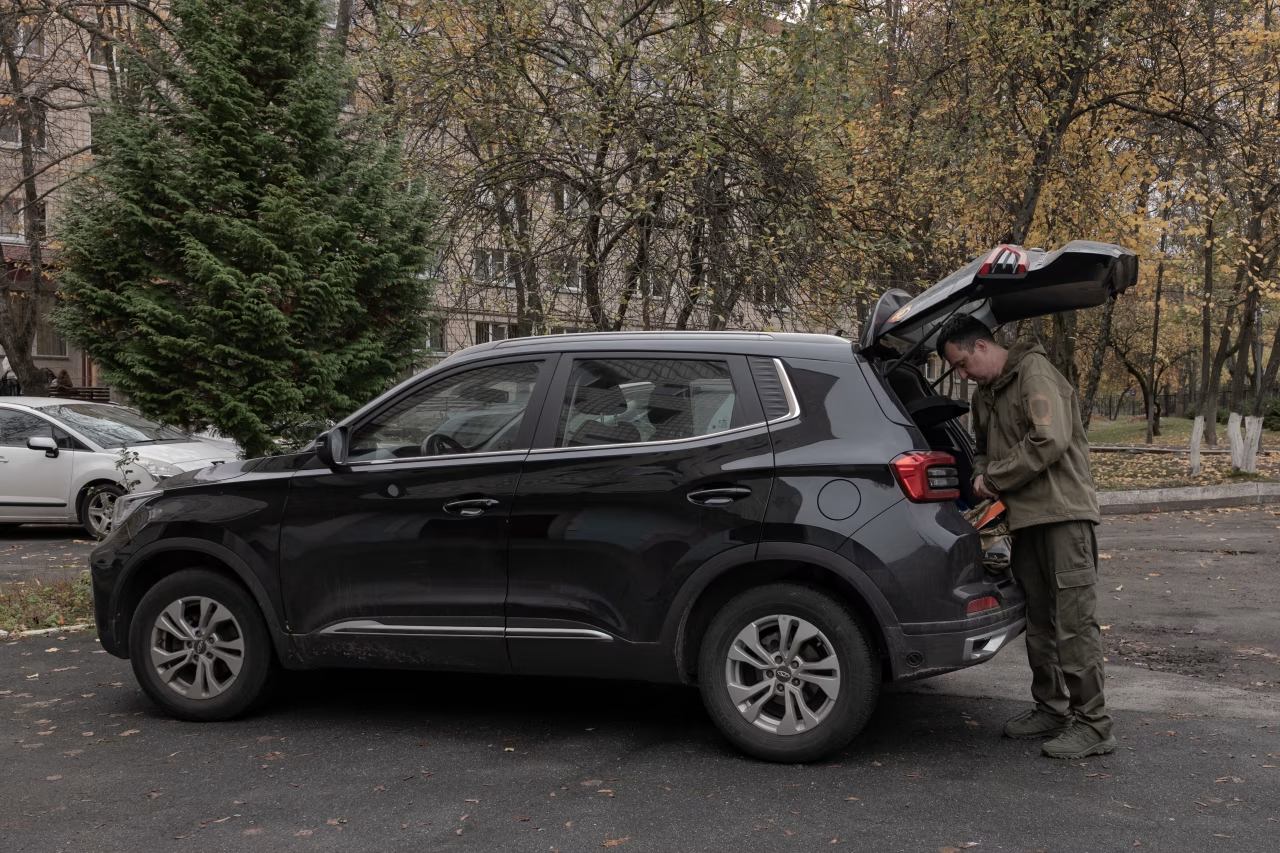
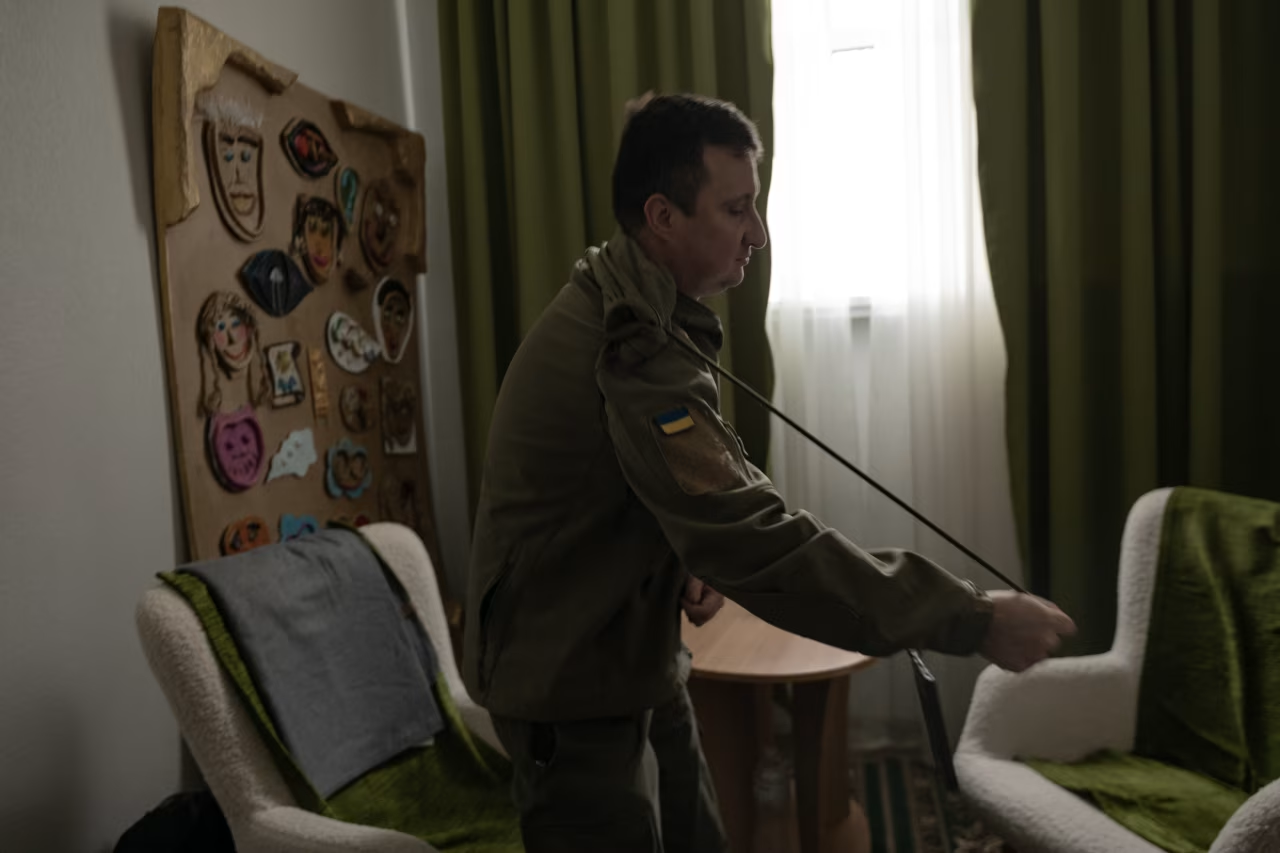
伴侣成了他的救命稻草。眼下,抗抑郁药帮他缓解焦虑、改善睡眠。许多人也在用。
His partner has become a lifeline. And for now, antidepressants help him feel less anxious and sleep better. Many others use them, too.
据乌克兰医药电商平台Liki24数据,2023年至2025年间,抗抑郁药需求激增近四分之三。基辅的家庭靠药物缓解逐年攀升的压力。
Between 2023 and 2025, the demand for antidepressants went up by nearly three-quarters, according to Ukrainian medical marketplace Liki24. Families in Kyiv turn to medicine to get some respite from the stress mounting each year.
“给我吃抗抑郁药,给狗吃抗抑郁药——全家都吃抗抑郁药,”基辅居民捷佳娜·波斯塔夫纳笑着说,讲述自己在频繁防空警报中如何熬日子。“我们其实已经吃了三年抗抑郁药,目前根本停不下来。”心理学家卡明斯卡在有意义的工作和对笼罩全国的不确定性的接纳中找到慰藉。
“Antidepressants for me, antidepressants for the dog—antidepressants for everyone,” said Tetiana Postavna, a Kyiv resident, smiling as she explained how she is faring amid the constant air-alerts. “We’ve actually been on antidepressants for three years now, and there’s no way to get off them yet.”Kaminska, the psychologist, finds comfort in meaningful work and acceptance of uncertainty plaguing the country.
“我今天活着。不知道明天有没有下一天,因为发射火箭和无人机的不是我。但我拥有今天,”卡明斯卡说。
“I’m alive today. I don’t know if I’ll have another day tomorrow because I don’t launch rockets or drones. But I do have today,” Kaminska said.