中国最高经济官员正在香港大谈开放。而在内地,当局则向投资者展示他们在引导金融市场方面依然多么活跃。
China’s top economic officials are talking up openness in Hong Kong. Back on the mainland, authorities are showing investors just how active they remain in steering financial markets.
就在副总理何立峰周二承诺支持香港自由开放的经济环境之际,北京的政策制定者正部署一系列旨在影响资产价格的措施。央行采取行动遏制人民币长达三十年的最长连涨纪录,而监管层则重启股市救市工具,并采取措施鼓励更多股票回购。
As Vice Premier He Lifeng pledged support Tuesday for a free and open economic environment in Hong Kong, policymakers in Beijing were deploying an array of measures aimed at influencing asset prices. The central bank moved to cool the yuan’s longest winning streak in three decades, while regulators revived stock-market rescue tools and took steps to encourage more share buybacks.
这一连串干预凸显了北京面临的平衡术:在寻求吸引全球资本、推动人民币国际化的同时,保持对国内市场的严格控制。当局发出信号,表明他们依然准备好逆势而为,抑制他们认为过度的市场波动,而不是任由大幅波动自行演变。
The flurry of intervention highlights the balancing act Beijing faces as it seeks to attract global capital and promote the yuan internationally while retaining firm control over markets at home. Rather than allowing big swings to run their course, authorities are signaling they remain ready to lean against moves they consider excessive.
澳洲联邦银行策略师Carol Kong表示:“近期政策干预的共同主线,是希望促进市场稳定,抑制过度的单边预期。”
“The common thread across recent policy interventions is a desire to promote market stability and discourage excessive one-way expectations,” said Carol Kong, a strategist at Commonwealth Bank of Australia.
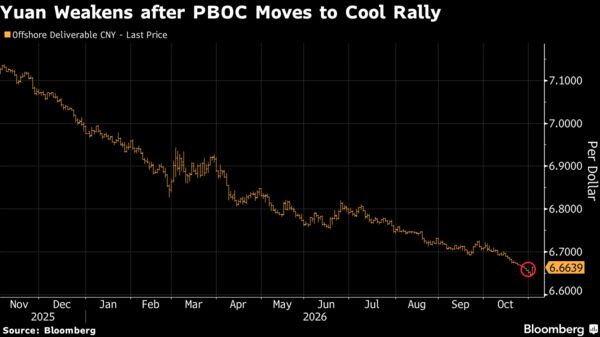
最新的例子出现在周二,中国人民银行将金融机构外汇存款准备金率由4%上调至6%。该举措将于11月15日生效,帮助终结了在岸人民币长达13个交易日的连涨纪录,这是自1996年以来最长的连涨。今年以来,受强劲出口和企业结汇流入推动,人民币兑美元累计升值逾4%。
The latest example came Tuesday, when the People’s Bank of China raised the amount of foreign currency that banks must keep in reserve to 6% from 4%. The move, which takes effect Nov. 15, helped snap a 13-day winning streak in the onshore yuan, its longest since 1996. The currency had gained more than 4% against the dollar this year, fueled by strong exports and corporate conversion flows.
在市场参与者看来,这一信号更多是关于放缓人民币升值步伐,而非扭转其升势。据澳新银行集团测算,此次上调准备金率将从市场回笼约240亿美元,与今年每月约300亿美元的外汇净售出规模相比,金额相对温和。
To market participants, the message was less about reversing the yuan’s advance than slowing its pace. The reserve increase will withdraw about $24 billion from the market, according to Australia & New Zealand Banking Group, a relatively modest amount compared with monthly net foreign-exchange sales of about $30 billion this year.
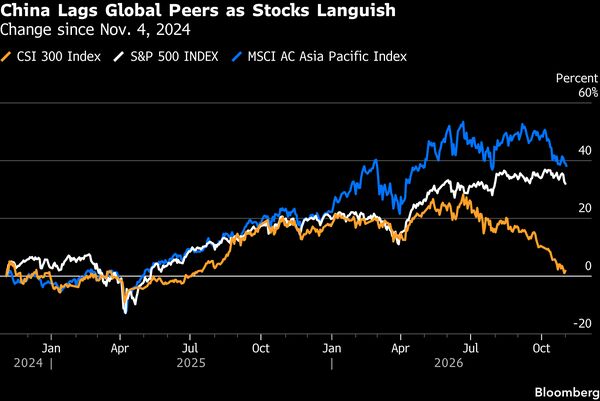
在股市方面,北京正试图遏制下跌趋势。在沪深300指数于10月遭遇十多年来最严重的单月跌幅,并完成了长达12周的创纪录连跌后,当局重启了2024年股市救援期间推出的工具箱。中国人民银行表示,将开展互换便利操作,允许证券公司、基金和保险公司将资产置换为流动性更强的资产,用于买入股票。
For stocks, Beijing is trying to arrest the slide. After the CSI 300 Index suffered its worst monthly drop in more than a decade in October and completed a record 12-week losing streak, authorities have dusted off tools introduced during the 2024 market rescue. The PBOC said it will conduct operations under a swap facility that allows securities firms, funds and insurers to exchange assets for more liquid ones that can be used to buy shares.
官方还将支持企业回购增持股票的再贷款利率从1.25%下调至1%,并将该工具设为常态化。已有超过1000亿元人民币(约合150亿美元)的互换便利额度被证券和基金公司申请使用。
Officials are also cutting the rate on a relending program that finances corporate share buybacks and stake increases to 1% from 1.25% and making the facility permanent. More than 100 billion yuan ($15 billion) of quotas under the swap facility have already been sought by securities and fund firms.
不过,许多投资者并不认为货币市场和股市的这些举措属于协同行动的一部分。
To be sure, many investors don’t see the moves in the currency and stock markets as part of a coordinated effort.
东亚银行高级投资策略师陈杰森表示:“这些措施的主要目的并不完全相同。一个是直接提振股市流动性和情绪,另一个是帮助出口企业。”与2024年股市措施初次出台时相比,投资者目前的热情明显降温。周二早盘,沪深300指数基本持平,科技股密集的科创50指数一度下跌多达3.2%,反映出市场怀疑熟悉的流动性工具能否克服疲软的经济增长和企业盈利的不确定性。
“The primary purpose of these measures are not really the same,” said Jason Chan, senior investment strategist at Bank of East Asia. “One is for directly boosting the equity market liquidity and sentiment, another is to help the export companies.”Investors have so far been less enthusiastic than when the stock measures first appeared in 2024. The CSI 300 was little changed Tuesday morning and the tech-heavy Star 50 fell as much as 3.2%, reflecting skepticism that familiar liquidity tools can overcome weak economic growth and uncertainty over corporate earnings.
万向资产管理首席投资官Nick Ferres表示:“我将这类‘稳定’措施视为临时性的——它们无法改变基本面的路径。增长动能、信用脉冲和杠杆的疲软,是中国市场表现不佳的关键原因。”
“I view these types of ‘stabilization’ measures as temporary - they cannot alter the path of fundamentals,” said Nick Ferres, chief investment officer at Vantage Point Asset Management. “The weakness in growth momentum, credit impulse and leverage is the key reason why the market in China is not performing well.”