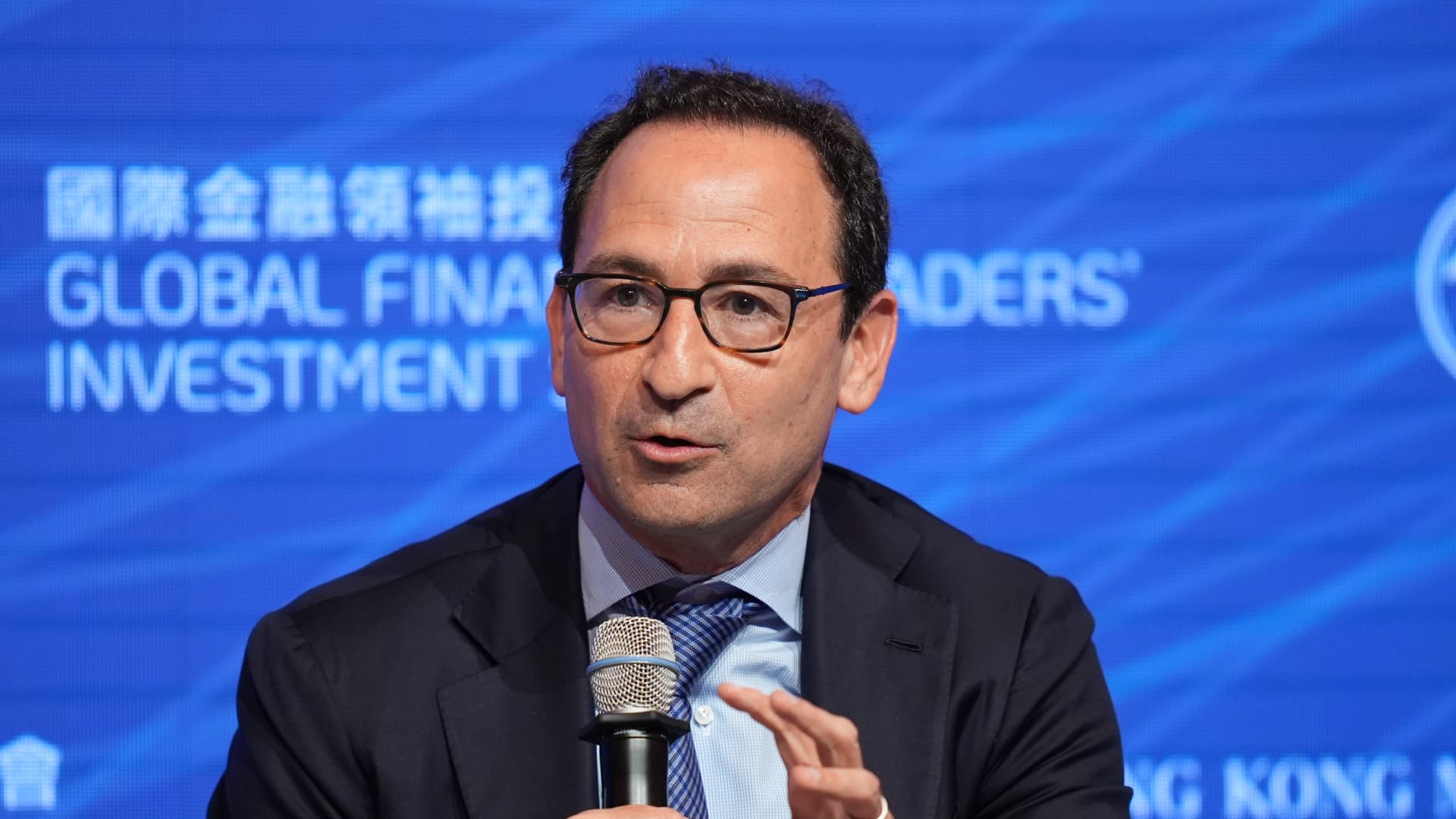
黑石集团总裁乔恩·格雷周二表示,随着贷款方对推动建设的公司风险敞口日益增加,人工智能基础设施建设将需要更多股权融资。
The artificial intelligence infrastructure buildout will need more equity financing as lenders become increasingly exposed to the companies driving the buildout, Blackstone President Jon Gray said Tuesday.
格雷在香港金融管理局举办的全球金融领袖投资峰会上发言时表示,人工智能所需的巨额资本规模正在给债务投资者带来集中度风险,无论是跨行业层面还是单个公司层面均是如此。
Speaking at the Hong Kong Monetary Authority’s Global Financial Leaders’ Investment Summit, Gray said the scale of capital required for AI is creating concentration risks for debt investors, both across the sector and at individual companies.
他说,与可以从公司增长中获益的股东不同,贷款方的上行空间有限,其回报主要局限于利息和本金偿还。格雷说:“整个领域将需要更多股权,以跟上这些巨大的需求。”
Unlike shareholders, who can benefit from a company's growth, lenders have limited upside as their returns are largely confined to interest and principal repayments, he said. There’s going to be more equity needed across this space to keep up with these enormous demands.
在同一场小组讨论中,太平洋投资管理公司首席执行官埃马纽埃尔·罗曼警告投资者,人工智能融资的规模可能会“大到市场无法消化”。
Jon GrayPresident & COO, Blackstone Inc. Speaking at the same panel, Pimco CEO Emmanuel Roman warned investors that the scale of AI financing could prove to be "too much" for markets to absorb.
罗曼援引大西洋通用首席执行官比尔·福特的估算称,未来五年与人工智能相关的资本支出可能达到约10万亿美元。他补充说,今年以来各种形式的人工智能债务发行量已达约5500亿美元。
Roman said AI-related capital spending could reach around $10 trillion over the next five years, citing General Atlantic CEO Bill Ford's estimate. He added that about $550 billion in AI debt had been issued in various forms so far this year.
罗曼表示,即使采用股权和债务相结合的融资方式,所需金额也将是“天文数字”,他将其与约20万亿美元的全球企业债券市场规模进行了比较。他说:“在某个时间点,这将变得太多了。”
Even with a mix of equity and debt financing, the amount required would be “gigantic,” Roman said, comparing it with a global corporate bond market of roughly $20 trillion. “At some point in time, it’s going to be too much,” he said.
高盛在周一的一份报告中写道,未来五年全球数据中心需求将需要约8.5万亿美元的资本支出。
Global data center demand will require about $8.5 trillion in capital spending over the next five years, Goldman Sachs wrote in a report Monday.
格雷表示,为建设提供资金将需要公开市场、银行和私人资本相结合,公司越来越多地转向结构化交易,以限制其承担的债务规模。他还表示,超大规模科技公司产生的现金流也将为部分支出提供资金。格雷说:“之所以需要创新,是因为资本规模巨大。”
Gray said financing the buildout would require a combination of public markets, banks and private capital, with companies increasingly turning to structured transactions to limit the amount of debt they take on. Cash generated by hyperscalers would also fund part of the spending, he said. “The creativity is needed because the scale of capital is enormous," Gray said.
尽管面临这些融资挑战,格雷对AI基础设施依然看好,称算力需求“远超供应”。他表示,随着企业从编程、客户互动和内容创作等用途中看到了财务收益,黑石投资组合公司在AI模型上的支出在过去一年里增长了20倍。
Despite those financing challenges, Gray remained bullish on AI infrastructure, saying demand for computing power was “running well ahead of supply.”Spending on AI models across Blackstone’s portfolio companies had risen 20-fold over the past year as businesses saw financial benefits from uses including coding, customer engagement and content creation, he said.
然而,格雷指出,满足这一需求依然困难重重,因为获取场地、许可、芯片、电力和资金变得更加具有挑战性。
Meeting that demand remains difficult, however, as securing sites, permits, chips, power and capital becomes more challenging, according to Gray.