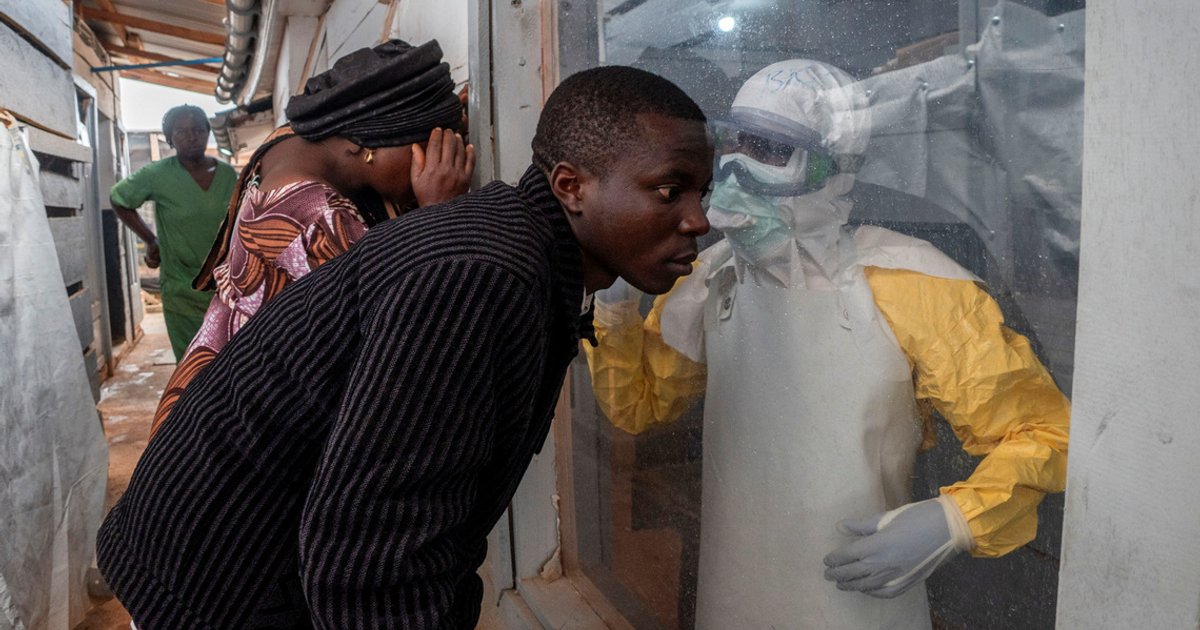
刚果布滕博,11月3日电 —— 每当在刚果民主共和国东部城市布滕博的埃博拉病房听到孩子哭喊,杰基斯·马汉巴就会穿上防护装备,冲到他们身边。他非常清楚这些孩子正在经历什么。
BUTEMBO, Congo, Nov 3 - Whenever Jerkis Mahamba hears a child cry out in the Ebola ward in Butembo, eastern Democratic Republic of Congo, he puts on protective gear and rushes to their side. He has a very good idea of what they are going through.
马汉巴本人于9月感染了这种高传染性疾病,在同一中心接受了18天治疗后康复。这段经历让他获得了对刚果境内流行病毒株的免疫力,这意味着当孩子们的父母不被允许触碰他们时,他可以照料年幼的患者。
Mahamba caught the highly infectious disease himself in September and recovered after 18 days of treatment at the same centre. His ordeal gave him immunity from the strain of the virus coursing through Congo, meaning he can work with young patients when their own parents aren't allowed to touch them.
有时孩子们需要一个拥抱。有时他们想被摇晃着入睡。有时他们想说话。“我也经历过这些”“我自我介绍,告诉他们:我也经历过这些。我请他们不要失去希望,”这位29岁男子在位于城市基塔图巴区的医院告诉路透社。他记得当时的情形:呕吐、拒绝进食、艰难地服药。
Sometimes the children need a hug. Sometimes they want to be rocked back to sleep. Sometimes they want to talk. 'I WENT THROUGH THIS TOO' “I introduce myself and tell them, I went through this too. I ask them not to lose hope," the 29-year-old told Reuters at the hospital in the city's Kitatumba neighbourhood. He remembers what it was like, vomiting, refusing to eat, struggling to take medication.
他仍须穿戴防护装备并消毒衣物,以免将病毒带出病房。但凭借免疫力和同理心,他能近距离接触患儿。“我抱起他们,然后逐渐设法让他们重新躺回床上,”马汉巴说。
He still has to wear protective gear and disinfect his clothes so he does not carry the virus out of the ward. But he can get in close, armed with his immunity and his empathy. "I pick them up, and then gradually try to settle them back into bed," Mahamba said.
“他们躺下后,我会找些游戏或活动让他们忙碌起来,帮助他们适应卧床。等他们最终睡着,我才能离开房间。” 往往有亲属隔着他身后的玻璃窗向内张望。“我们对孩子的爱非常深,”一名孩子的叔叔坎巴莱·夏武拉·沃隆特说道,因无法靠近而感到沮丧。
"Once they are lying down, I find games or activities to keep them occupied and help them get used to staying in bed. When they eventually fall asleep, I can then leave the room.”Often, relatives are looking on through a glass window behind him. "Our love for our children is very strong," one child's uncle, Kambale Syavula Volonté, said, frustrated that he couldn't get any closer.
在从一名亲属处感染病毒前,马汉巴在布滕博街头卖学习用品维持生计,该市是此次疫情的中心之一——有记录以来第二大疫情——靠近乌干达边境。
Before he caught the virus from a relative, Mahamba scraped a living selling school supplies on the streets of Butembo, one of the epicentres of the epidemic — the second-largest on record — close to the border with Uganda.
康复后,慈善机构“无国界医生”雇佣他在医院工作,让他加入日益壮大的康复者队伍,站在抗疫一线。
After his recovery, the charity Médecins Sans Frontières hired him to work in the hospital and join a growing band of survivors on the frontline of the outbreak.
许多人在病房里担任患者的朋友、玩伴和支持者。其他人则承担清洁和消毒房间及设备的重要工作。
Many work in the wards as patients' friends, playmates and supporters. Others take on important jobs cleaning and disinfecting rooms and equipment.
无国界医生运营的这家中心负责人塞莱马尼医生说,还有一些人在外面工作,走访村庄和偏远社区,试图消除围绕疫情积累的错误信息和污名。
Some also work outside, visiting villages and far-flung communities, trying to dispel the misinformation and stigmas building up around the outbreak, said Dr Toussaint Selemani, head of the MSF-run centre.
关于疫情是外国阴谋一部分、或是医护人员在传播疾病的毫无根据的谣言,已经导致了真实的暴力事件。
Unfounded rumours that the epidemic is part of a foreign plot, or that health workers are spreading the disease, have led to real violence.
上个月底,持砍刀的青年袭击了两名正在宣传疫情防范知识的社区卫生工作者,造成一人死亡、一人受伤。
Late last month, youths armed with machetes attacked two community health workers who were raising awareness about the outbreak, killing one and wounding the other.
塞莱马尼说:“在社区层面,幸存者可以成为抗击疾病的有力大使。他们的见证有助于对抗恐惧和污名,并能鼓励有症状的人及时前往治疗中心就医。”马汉巴也在中心外工作。他记得疫情蔓延、周围朋友相继患病时,自己感到多么恐惧和不信任。如今,他向人们展示自己患病时的照片,鼓励他们保护自己。
"At the community level, a survivor can become a powerful ambassador in the fight against the disease," Selemani said. "Their testimony helps combat fear and stigma and can encourage people with symptoms to seek care promptly at a treatment centre." Mahamba also works outside the centre. He remembers how scared and distrustful he felt as the disease spread and friends fell ill around him. He now shows people photos of himself when he was ill and encourages them to protect themselves.
但他大部分时间都在医院度过,与家属一起工作,留意隔离病房里孩子们的哭声。
But the bulk of his time is spent in the hospital, working with families and listening out for the children's cries in the isolation wards.
塞莱马尼说:“隔离中的患者可能压力很大,害怕死亡。当他们遇到经历过同样磨难并存活下来的人时,能够重燃希望。” 路透社
"Patients in isolation may be stressed and afraid of dying," Selemani said. "When they meet someone who has gone through the same ordeal and survived, it can restore hope." REUTERS