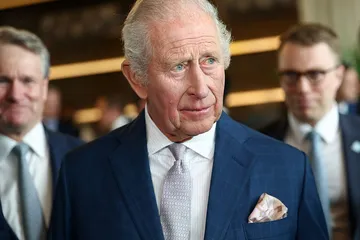
查尔斯三世将在周二于安提瓜和巴布达举行的英联邦政府首脑会议(CHOGM)上发表讲话,表达对奴隶制及其残酷遗留影响的“深切悲痛”。这是一个值得肯定的开端,但仍嫌不够。鉴于英国王室深度参与奴隶贸易、并从中获取了代代相传的巨额财富,正式道歉也是必要的。
Charles III will use his Tuesday speech to the Commonwealth Heads of Government Meeting in Antigua and Barbuda to express his “sincere sorrow” over slavery and its brutal legacy. That’s a worthy start, but it’s still not enough. A formal apology is also in order given the British monarchy’s deep, historic involvement in the slave trade and the attendant generational riches it harvested.
在一个令人意外的举动中,新上任的英国首相安迪·伯纳姆明确表示,他“对聆听英联邦领导人要求正式道歉的呼声持‘开放’态度”。这些领导人希望英国充分承认跨大西洋奴隶贸易的影响,据估计该贸易将约1280万人贩运至美洲残酷的种植园,其中约四分之一是在英格兰和苏格兰旗帜下进行的。
In a surprise move, newish UK Prime Minister Andy Burnham has made clear he’s “open” to “listening to calls for a formal apology” from Commonwealth leaders, who want Britain to fully acknowledge the impact of the transatlantic slave trade, which trafficked an estimated 12.8 million people to brutal plantations in the Americas, around a quarter of them under the flags of England and Scotland.
伯纳姆的让步是在英国历任首相和君主拒绝就奴隶制正式道歉、并因此日益激怒与会同僚的数十年后做出的。查尔斯仍是组成英联邦的56个国家中15个国家的国家元首,该组织成立于1949年,源于大英帝国的废墟。
Burnham’s concession follows decades in which British prime ministers and monarchs turned up to CHOGM refusing to formally apologize for slavery, to the growing irritation of their fellow attendees. Charles remains head of state of 15 of the 56 nations that make up the Commonwealth, the body founded in 1949 from the ashes of the British Empire.
随着岁月流逝,越来越多的英联邦国家认为北京和莫斯科能提供的比其旧殖民宗主国更多,英联邦政府首脑会议被形容为只不过是一个“空谈场所”。越来越多的谈论集中在奴隶制——以及赔偿问题上,即对被贩卖为奴者的后代、他们被迫离开的故土以及他们被流放到的土地所造成的持久损害进行补偿。
As the years have rolled by, and an increasing number of Commonwealth nations have decided Beijing and Moscow have more to offer than their old colonial overlord, CHOGM has been described as little more than a talking shop. Increasingly, the talk is about slavery — and reparations, compensation for the lasting damage caused to the descendants of those sold into bondage, the places they unwillingly left behind and the ones they were exiled to.
反对党领袖凯米·巴德诺克将伯纳姆对道歉持开放态度称为“自省式的干扰”,称英联邦国家将利用道歉获取施舍,并表示他们应停止关注数百年前发生的事件。但伯纳姆已明确表示赔偿不在考虑范围内,他在《卫报》撰文写道:“我不认为今天的英国人应对历史罪行负责,无论这些罪行多么恶劣,它们发生在不同的时代、不同的法律之下,且他们未曾亲身参与。”我认为这大体是正确的。
Opposition Leader Kemi Badenoch has described Burnham’s openness to an apology as a “navel-gazing distraction,” saying Commonwealth nations would leverage an apology to obtain handouts and that theyshould stop focusing on events that took place hundreds of years ago. But Burnham has already made clear that reparations are not on the table, writing in the Guardian: “I do not think that British people today can be held liable for historical wrongs, however heinous, that happened in a different age under different laws and in which they played no personal part.”I think that’s broadly right.
英国人与大西洋奴隶贸易的关系是复杂的。许多富人投资了参与有利可图的贩奴远征的企业,如南海公司和皇家非洲公司,而银行家、保险代理人、商人及众多其他专业人士也从该贸易中获益。他们的后代或许想做些灵魂深处的反省。一些“普通”人也通过装备奴隶船、担任水手或其他辅助人员而助长了该贸易,特别是在利物浦、布里斯托尔和伦敦等港口城市。至于他们的曾曾曾曾孙辈在赔偿方面可能负有何种责任,则不那么清楚了。
Brits’ association with the Atlantic slave trade is mixed. Many wealthy people invested in businesses such as the South Sea Company and Royal African Company that took part in lucrative slaving expeditions, while bankers, insurance agents, merchants and a host of other professionals also benefited from the trade. Their descendants might want to do some soul-searching. Some “ordinary” people also enabled it by fitting out slave ships or working as mariners or other support staff, particularly in the ports of Liverpool, Bristol and London. It’s less clear to me what their great-great-great-great-grandchildren could owe in the way of reparations.
与此同时,许多英国公民积极参与废奴运动,这场运动动员了跨越社会阶层的百万余人。一度有六分之一的成年人签署请愿书呈交议会,要求废除奴隶贸易。自1790年代起,女士们在抵制糖的运动中饮用不加糖的茶,而曼彻斯特棉纺厂的工人们于1862年投票支持联邦而非邦联的奴隶种植园——赢得了亚伯拉罕·林肯总统的赞誉——尽管这给他们带来了困苦。
Meanwhile, many UK citizens were active in the abolition movement, a campaign that motivated more than a million people across the social strata. At one point, one in six adults signed a petition to Parliament to stamp out the trade. Ladies took their tea unsweetened during sugar boycotts starting in the 1790s, while laborers in Manchester cotton mills voted in 1862 to support the Union over the Confederate slave plantations — earning the praise of President Abraham Lincoln — despite the hardship it brought.
王室与奴隶贸易的历史关系也并非非黑即白。近期的学术研究表明,王室内部存在分歧:部分成员如乔治三世的侄子推动废奴,而他的堂兄威廉四世——1830年登基为王——却为这一做法辩护,并曾担任南海公司总督。
The royals’ historical relationship to the slave trade is not cut and dry either. Recent scholarship suggests there was division in the family, with some, such as George III’s nephew, pushing for abolition, even as his cousin William IV, who became king in 1830, defended the practice and served as governor of the South Sea Company.
如今,任何政府若主张当下的教师或店员应为此段历史承担经济责任,都难以长久执政。而且,正如伯纳姆所明确指出的,在英国并没有大把现金可供挥霍的情况下,还有其他方式可以实质性地赎罪,而非直接交出巨款,例如债务重组和教育指导。
No government that suggested that today’s teacher or shop worker should be held financially liable for this history would survive for long. And, in any case, as Burnham has made clear, there are other ways to materially atone without handing over wads of cash the UK doesn’t have, such as debt restructuring and educational mentoring.
相比之下,王室有能力支付未来可能出现的最终赔偿总额中具有重要意义且具象征性的一部分。加勒比共同体(CARICOM)赔偿委员会副主席韦雷娜·谢泼德表示:“王室参与了这项贸易并从中获益。从伊丽莎白一世到安妮女王,查理一世、查理二世、詹姆斯一世,他们全都获益并参与或投资。他们并未亲自去非洲抓捕人口,但投资了各类公司。……财富从一批王室成员传递给另一批王室成员。”
The crown, on the other hand, has the means to pay a significant and symbolic portion of whatever ultimate reparations tally might materialize. Verene Shepherd, vice chair of the reparations committee of the CARICOM (Caribbean Community) group of nations, has said: “The royal family participated in this and benefited from this. From Elizabeth I to Queen Anne, Charles I, Charles II, James I, they all benefitted and participated or invested. They didn’t go to Africa and grab people but they invested in various companies. … [W]ealth was passed on from one set of royals to the other set of royals.”
确实,弗吉尼亚联邦大学布鲁克·纽曼的新书详述了君主制如何与奴隶制交织在一起。从伊丽莎白一世热情支持普利茅斯海盗约翰·霍金斯——他将非洲人贩卖到西班牙殖民地——开始,很明显,都铎、斯图亚特和汉诺威王朝的根基都建立在王室成员对人口贸易的个人投资之上。
Indeed, a new book by Brooke Newman of Virginia Commonwealth University, details the way the monarchy was intertwined with slavery. Starting with Elizabeth I, who enthusiastically supported John Hawkins of Plymouth, a pirate who trafficked Africans to the Spanish colonies, it’s clear that the Tudor, Stuart and Hanoverian dynasties were underpinned by their personal investments in the trade of human beings.
正如我之前所写,查尔斯的财富以及王室从君主拨款、土地和房产持有中获得的收入大幅增加。其他富有的英国家族,如特雷维利安家族,其祖先在格林纳达拥有六座甘蔗种植园,已自愿开始付款,以示敬意并承认其财富有多少建立在人类历史上或许最严重的罪行之上。国王或许想效仿他们的做法。
As I have written before, Charles’ wealth and the royals’ income from the sovereign grant and their land and property holding have risen sharply. Other wealthy British families, such as the Trevelyans, whose forebears had six sugar plantations in Grenada, have voluntarily begun making payments as a mark of respect and an acknowledgement of how much of their wealth is based on what is perhaps the gravest crime in human history. The king might want to follow their lead.
查尔斯以访问加勒比国家开启了其英联邦政府首脑会议之行,期间他探访了一些发生最令人心碎罪行的地点,包括圭亚那1823年德梅拉拉起义中被绞死的被奴役者起义现场。我希望这一经历能促使他重新考虑道歉并采取更多行动。
Charles started his CHOGM travels with a tour of Caribbean nations, during which he visited some of the places where the most heart-wrenching crimes occurred, including the spot where enslaved people who rose up in Guyana’s 1823 Demerara Rebellion were hanged. I hope the experience prompts him to reconsider an apology and more.
1787年,奥托巴·库戈阿诺在13岁时被贩卖为奴,后于1770年代获得自由,他写了一本关于自己经历的书,书名为《》,并将其送给了未来的乔治四世。书中他写道,对于这项不道德的贸易:“国王和伟人应被视为负有特别的罪责。”乔治没有回复,但保留了这本小册子;如今它构成皇家收藏的一部分。
In 1787, Ottobah Cugoano, who gained his freedom in the 1770s after being trafficked into slavery at 13, wrote a book about his experiences entitled which he sent to the future King George IV. In it, he wrote of the responsibility for the immoral trade: “Kings and great men [should be] considered as more particularly guilty.”George didn’t reply, but he kept the pamphlet; today it forms part of the Royal Collection.