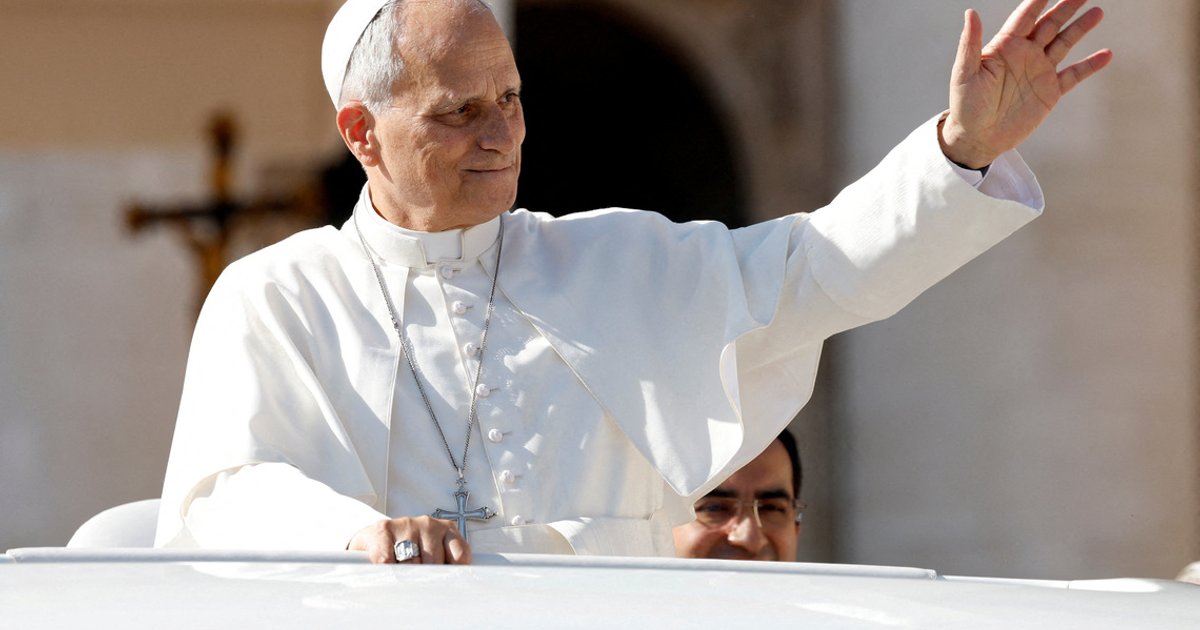
蒙得维的亚,11月4日 - 教皇利奥周五将开启他作为教皇对拉丁美洲的首次访问,踏上一场为期11天的跨区域之旅。该地区依然是全球最大的天主教大本营,但尽管对上帝的信仰依然坚定,天主教徒的身份认同却在稳步萎缩。
MONTEVIDEO, Nov 4 - Pope Leo begins his first trip to Latin America as pontiff on Friday, embarking on an 11-day journey across a region that remains the world's largest Catholic stronghold but where Catholic identity is steadily shrinking even as belief in God remains strong.
梵蒂冈表示,在现年71岁的教皇进行肺癌手术数周后,这次从11月6日至17日的宏大行程保持不变。这是几十年来天主教领袖进行的要求最高的外访之一。此行行程约3.1万公里(19260英里),他将从世俗化的乌拉圭前往其前任教皇方济各的故乡阿根廷,随后前往秘鲁——他在那里担任过多年传教士和主教,并最终获得了秘鲁国籍。
Coming weeks after the 71-year-old pontiff's lung cancer surgery, the ambitious itinerary from November 6-17 remains unchanged, the Vatican said. It is one of the most demanding overseas tours by a Catholic leader in decades. The trip takes him some 31,000 km (19,260 miles) from secular Uruguay to Argentina, homeland of his predecessor Pope Francis, before heading to Peru, where he spent years as a missionary and bishop, eventually becoming a citizen.
利奥将在乌拉圭停留两天、阿根廷三天、秘鲁近一周。在秘鲁,他将主持预计会吸引数百万人的户外弥撒,向政治领袖发表讲话,参加青年守夜活动,并乘直升机前往偏远的安第斯山脉社区。
Leo will spend two days in Uruguay, three in Argentina and nearly a week in Peru, where he will celebrate outdoor Masses expected to draw millions, address political leaders, join youth vigils and reach remote Andean communities by helicopter.
就绝对数量而言,拉丁美洲仍然是全球最大的天主教地区。然而,这位出生于芝加哥的教皇重返的这片大陆,其天主教色彩已明显不如他几十年前首次作为传教士来到这里时那样浓厚。由于发展迅猛的福音派教派、更加进步的社会态度以及个性化的礼拜形式,教会正在失去阵地。
Latin America remains the world’s largest Catholic region in absolute numbers. Yet the continent the Chicago-born pope is returning to is markedly less Catholic than the one he first encountered as a missionary decades ago. The Church has been losing ground to fast-growing evangelical denominations, more progressive social attitudes and individualized forms of worship.
皮尤研究中心2024年对拉丁美洲六个人口最多的国家进行的一项调查发现,与十年前相比,在所有这些国家中,自认为是天主教徒的人数都有所减少。民调发现,每个国家大约五分之一的成年人表示他们是在天主教家庭长大,但已经离开了教会。
A Pew survey in 2024 of six of the most populous Latin American countries found that in all those nations fewer people were identifying as Catholic compared to a decade ago. Around one-fifth of adults in each country said they were raised Catholic but had left the Church, the poll found.
“我们在2024年调查的所有国家中都看到了下降趋势,”监测全球信仰状况的非营利组织皮尤研究中心的副研究员克尔斯滕·莱萨奇表示。“自认为是(天主教徒)的人数变少了。”但她补充说:“该地区仍然非常笃信宗教,按各种标准来看,他们都非常笃信宗教。”蒂姆·托克万岁豪尔赫·雷瑙多神甫是阿根廷科尔多瓦的一名本堂神父,科尔多瓦是教皇利奥此行的城市之一。
"We have seen a decline in all of the countries that we surveyed in 2024," said Kirsten Lesage, an associate researcher at the Pew Research Center, a non-profit that monitors faith worldwide. “There are fewer people identifying (as Catholic)." But, she added: "The region is still very religious and they're very religious by a variety of standards." TIKTOK HAIL MARY Rev. Jorge Reinaudo, a parish priest in Córdoba, Argentina, one of the cities on Pope Leo's itinerary, has spent nearly a decade building a social media following.
他花了大约十年时间建立社交媒体粉丝群。他在各大平台上向80万粉丝发布幽默短剧,温和地调侃圣经故事以及诸如旨在帮助阿根廷国家足球队赢得世界杯的迷信等潮流。
He posts humorous sketches to his 800,000 followers across different platforms, gently poking fun at biblical stories and trends like superstitions aimed at helping Argentina's soccer team win the World Cup.
他在一次采访中表示,越来越多的年轻人通过静修、冥想甚至受佛教或印度教启发的修行来寻求灵性,他们通常会将这些修行与玫瑰经和圣水等传统的基督教元素融合在一起。
Growing numbers of younger people are seeking spirituality through retreats, silence and even Buddhist- or Hindu-inspired practices, often blending them with traditional Christian elements such as rosaries and holy water, he said in an interview.
雷瑙多说:“不属于某个宗教并不意味着人们缺乏信仰;这意味着他们以自己的方式践行信仰。”
"Not belonging to a religion does not mean people lack faith; it means they live out their faith in their own way," Reinaudo said.
根据皮尤调查,与其他全球地区相比,拉丁美洲对上帝的信仰异常高,甚至在不断增加的无宗教信仰人群中也是如此。
Belief in God remains exceptionally high in Latin America compared to other global regions, even among the growing numbers of people who are unaffiliated with a religion, according to the Pew survey.
接受路透社采访的宗教领袖和研究人员表示,这种差异表明,天主教面临的挑战与其说是不信教,不如说是礼拜习惯的改变以及人们热衷于在传统机构之外建立自己的精神认同。急剧的社会变革马弗里克·鲁本·门多萨·奥塞格拉是洪都拉斯的一名31岁会计师,他在关注阿根廷天主教音乐家时在社交媒体上遇到了雷瑙多。在天主教环境中长大的他说,在目睹了教会社群中令人不安的行为(包括针对女性的暴力以及似乎在包庇虐待者的神职人员)后,他开始对有组织的宗教持批判态度。
That distinction suggests the Catholic Church's challenge is less disbelief than changes in worship habits and people keen to build their own spiritual identities outside traditional institutions, according to religious leaders and researchers interviewed by Reuters. RAPID SOCIAL CHANGE Marverick Ruben Mendoza Oseguera, a 31-year-old accountant in Honduras, came across Reinaudo on social media while following Argentine Catholic musicians. Raised Catholic, he said he became critical of organized religion after witnessing troubling behavior in church communities, including violence against women and clergy who appeared to protect abusers.
他说:“这样的经历侵蚀了许多年轻人(包括我)的信任与信仰。”
"Experiences like these eroded the trust and faith of many young people, including me," he said.
在所有六个国家中,皮尤发现50岁及以上的成年人比18至34岁的年轻人更有可能自认为是天主教徒。
In all six countries Pew found adults 50 and older were more likely than those aged 18 to 34 to identify as Catholic.
奥塞格拉参加每周一次的在线圣体朝拜礼来帮助缓解焦虑,尽管他不再自认为是天主教徒,但他在这种仪式中找到了慰藉。他说:“这感觉更像是和一位密友共度时光。”
Oseguera attends a weekly online Eucharistic adoration service to help manage anxiety, finding comfort in the ritual even though he no longer identifies as Catholic. "It feels more like spending time with a close friend," he said.
天主教的衰落恰逢拉丁美洲急剧社会变革的时期,各国扩大了从堕胎、安乐死到同性婚姻的各项权利。然而,乌拉圭天主教大学研究宗教哲学的教授米格尔·帕斯托里诺警告称,不要将教会的损失直接归咎于这些转变,并表示更广泛的个人选择文化也重塑了人们在全球范围内接近宗教的方式。
Catholic decline has coincided with a period of rapid social change across Latin America, as countries expanded rights ranging from abortion and euthanasia to same-sex marriage. However, Miguel Pastorino, a professor at Uruguay's Catholic University who studies the philosophy of religion, cautioned against attributing the Church's losses directly to those shifts, saying a broader culture of individual choice has also reshaped how people approach religion globally.
他说:“‘点菜式’的宗教信仰趋势日益明显,人们无需依附于任何特定机构,就能创建自己的精神菜单。”
"There's a growing trend toward 'à la carte' religiosity, in which people create their own spiritual menu, without feeling the need to to any particular institution," he said.
福音派团体也在拉丁美洲的城市工人群体中取得了进展,在巴西尤其强势,近27%的人自认为是福音派基督徒。
Evangelical groups have also made inroads among urban working populations in Latin America and are especially strong in Brazil, where nearly 27% of people identify as evangelical Christians.
五旬节运动是发展最快的支派,是一个世纪前由美国传教士引入拉丁美洲的。如今,大多数城镇都有一个五旬节派小教堂,那里的歌声和祈祷声常常通过扬声器回荡在街道上。
Pentecostalism, the fastest-growing branch, was introduced to Latin America by US missionaries a century ago. Today, most towns are home to a Pentecostal chapel, where song and prayer often blare over loudspeakers onto the street.
帕斯托里诺说:“他们(五旬节派)直接切入个人见证,就像早期的教会一样。当天主教教会进入贫困社区时,往往会做大量的社会工作,但传教工作却很少。”不过,他表示,教皇访问等活动有助于加强天主教的身份认同。
"They (Pentecostals) go straight to personal testimony, like the early Church did," Pastorino said. "When the Catholic Church goes into poor neighborhoods, it often does a great deal of social work, but very little evangelization." However, events such as a papal visit can help strengthen Catholic identity, he said.
巴勃罗·科伊姆布拉是蒙得维的亚卡萨瓦莱街区瓜达卢佩圣母堂的乌拉圭本堂神父,教皇计划在访问的第二天造访该街区。他表示,教皇即将到来的访问已经产生了影响。他的教堂里有更多的人参加弥撒。他补充说,对洗礼和圣餐的需求也在不断增加。
Pablo Coimbra, a Uruguayan parish priest at Nuestra Señora de Guadalupe in Montevideo's Casavalle neighborhood, where the pope plans to visit on his second day, said the pontiff's impending arrival was already having an effect. More people were participating in Masses at his church. Demand for baptisms and holy communion was also rising, he added.
科伊姆布拉说:“教皇的访问也许唤醒了一种记忆,唤醒了人们内心深处关于信仰和归属教会的某种情愫。”
"The pope's visit has perhaps awakened a memory, something deep in people's hearts regarding faith and belonging to the Church," Coimbra said.