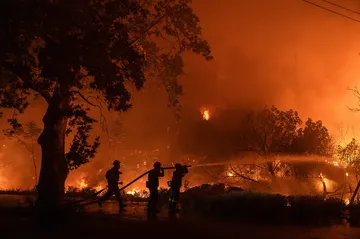
欧洲央行行长克里斯蒂娜·拉加德称,今年的炎热夏季是一个警示,欧洲大陆必须加强防御全球变暖带来的金融冲击,并使其能源系统更具灵活性。
Central Bank President Christine Lagarde called this year’s hot summer a warning that the continent must boost defenses against the financial fallout of global warming and make its energy system more flexible.
虽然热浪、干旱和野火造成的经济打击有限,但“气候变化的成本正在上升,未来的冲击可能更难以承受”,拉加德周三在欧洲央行网站的一篇博客文章中表示。
While the economic hit from the heat waves, droughts and wildfires was limited, “the costs of climate change are rising and future shocks may be harder to absorb,” Lagarde said Wednesday in a blog post on the ECB’s website.
“极端高温将更频繁地回归,且力度更大,其成本将最沉重地落在那些最无力承受的人身上,”她说。“欧洲有能力限制损害,我们有责任为那些将与这些夏天共存的子孙后代现在就使用这些手段。”她的评论发表在本月联合国COP31气候峰会在安卡拉召开之前。欧盟气候事务负责人沃普克·霍克斯特拉表示,在减排进展停滞两年后,关于新财政承诺的谈判已“陷入僵局”。
“Extreme heat will return more often and with greater force, and its costs will fall hardest on those least able to bear them,” she said. “Europe has the means to limit the damage, and we owe it to the generations who will live with these summers to use those means now.”Her comments precede this month’s United Nations COP31 climate summit in Ankara. European Union climate chief Wopke Hoekstra has said talks on new financial pledges are “dead in the water” after two years of stalled progress to cut emissions.
拉加德上周表示,她将于2月离开欧洲央行,提前约九个月,以便能就货币政策以外的话题发声。作为行长,她成功确保气候变化成为欧洲央行分析和银行监管的固有部分,但早期更积极地使用政策工具的雄心已被削减。
Lagarde said last week that she’ll leave the ECB February, about nine months early, to be able to speak out on topics beyond monetary policy. As president, she managed to ensure climate change became inherent to ECB analysis and banking supervision, but early ambitions to use policy tools more aggressively were scaled back.
拉加德的博客文章警告称,由于近四分之三的欧元区企业依赖自然提供的一项或多项服务,对近期经济成本的估计低估了气候变暖带来的风险。她说,受影响地区的活动在热浪发生两年后下降1.5%,在干旱发生四年后下降3%。拉加德强调了欧洲应对直接冲击和能源渠道影响的三个优先事项。
As nearly three-quarters of euro-area firms rely on one or more service provided by nature, Lagarde’s post warned that estimates of near-term economic costs understate risks as the climate warms. Activity in affected regions is 1.5% lower two years after a heat wave and 3% lower four years after a drought, she said. Lagarde highlighted three priorities for Europe to address both the direct hit and the energy channel.