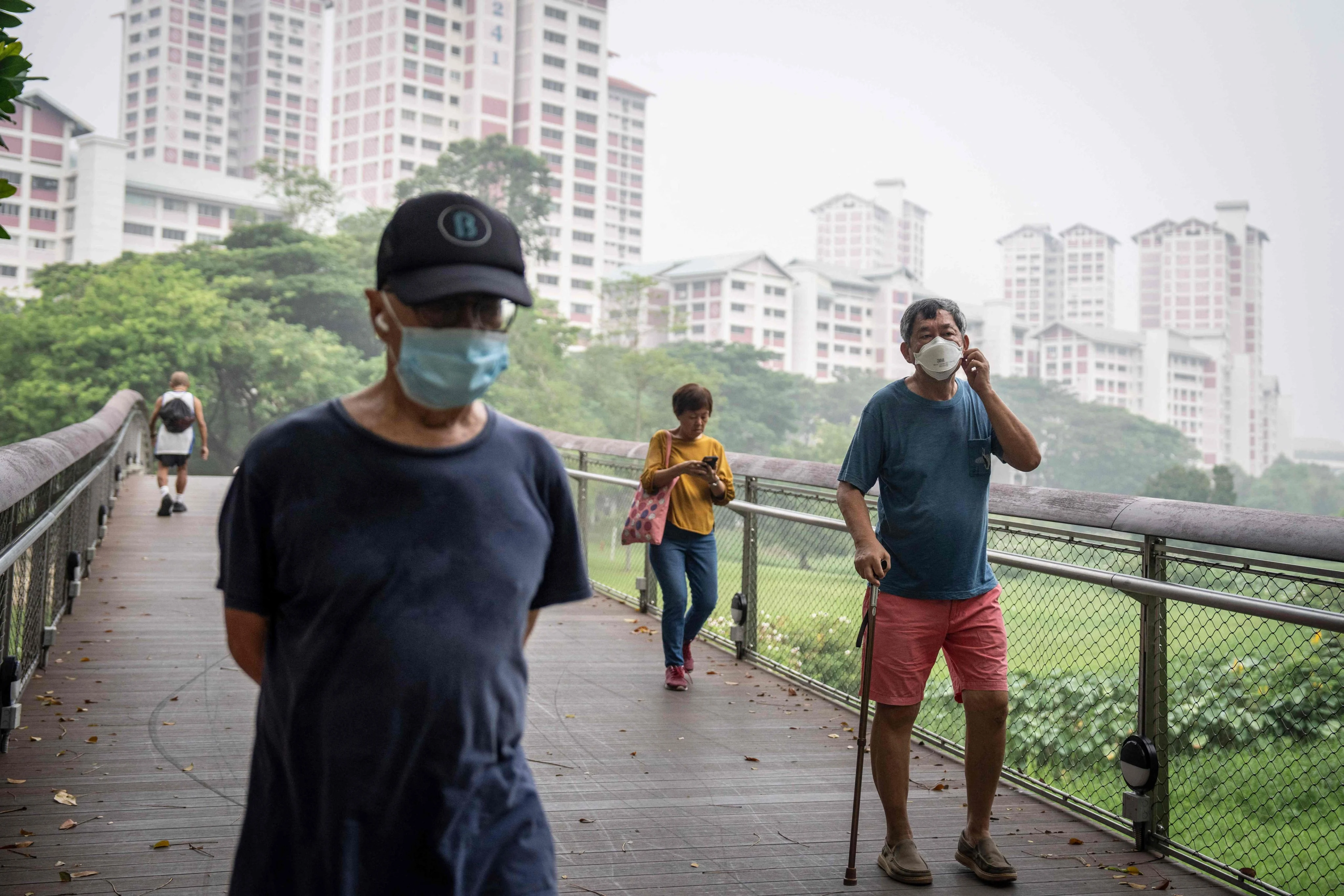
当污染跨越国界,主权问题便变得更加复杂。新加坡可能承受印度尼西亚火灾的后果,却不能直接派遣调查人员进入印尼领土。新加坡试图通过本国法律追究企业责任,暴露了东南亚面临的一个更深层困境:一个建立在领土主权基础上的地区,如何治理其环境成本经常跨越国界的经济活动?
When pollution crosses borders, sovereignty becomes more complicated. Singapore can suffer the consequences of fires burning in Indonesia, yet it cannot simply send investigators into Indonesian territory. Its attempt to hold companies accountable through domestic law has exposed a deeper dilemma in Southeast Asia: how can a region built on territorial sovereignty govern economic activities whose environmental costs routinely cross national boundaries?
10月,新加坡升级了应对该地区反复出现的霾害危机的力度。国家环境局向10家印尼公司发出预防通知,随后又向另外10家在印尼拥有种植园或林业权益的新加坡注册公司发出情报要求通知。
In October, Singapore escalated its response to the region’s recurring haze crisis. The National Environment Agency issued preventive notices to 10 Indonesian companies, followed by information requests to another 10 Singapore-based firms with plantation or forestry interests in Indonesia.
这是自2014年《跨界霾害污染法》生效以来,该局首次依据该法向新加坡注册公司发出此类情报通知。
It was the first time the agency had issued such information notices to Singapore-registered companies under the Transboundary Haze Pollution Act since the law came into effect in 2014.
新加坡还组建了一个由法律、审计和调查专业人士组成的专家小组,审查企业架构、运营和供应链。与此同时,新加坡金融管理局已指示银行评估其自身活动及其客户活动可能与霾害相关的环境风险,包括其面临的森林砍伐和污染风险敞口。政府还计划通过修订霾害污染法来强化法律框架。
Singapore has also assembled a specialist panel of legal, audit and investigative professionals to examine corporate structures, operations and supply chains. Meanwhile, the Monetary Authority of Singapore has instructed banks to assess the environmental risks of their own activities and those of their customers that could be linked to the haze, including their exposure to deforestation and pollution. The government also plans to strengthen the legal framework through amendments to the haze pollution law.
这些措施标志着从传统的环境外交向更具主动性的跨界企业问责模式转变。新加坡不再仅依赖向起火国提出外交呼吁。相反,它正动用本国管辖范围内的监管、法律和金融工具,调查那些在境外的活动可能影响其民众的公司。
These measures mark a shift from conventional environmental diplomacy towards a more assertive model of cross-border corporate accountability. Singapore is no longer relying solely on diplomatic appeals to the country where fires originate. Instead, it is mobilising the regulatory, legal and financial instruments in its own jurisdiction to investigate companies whose activities abroad may affect its population.
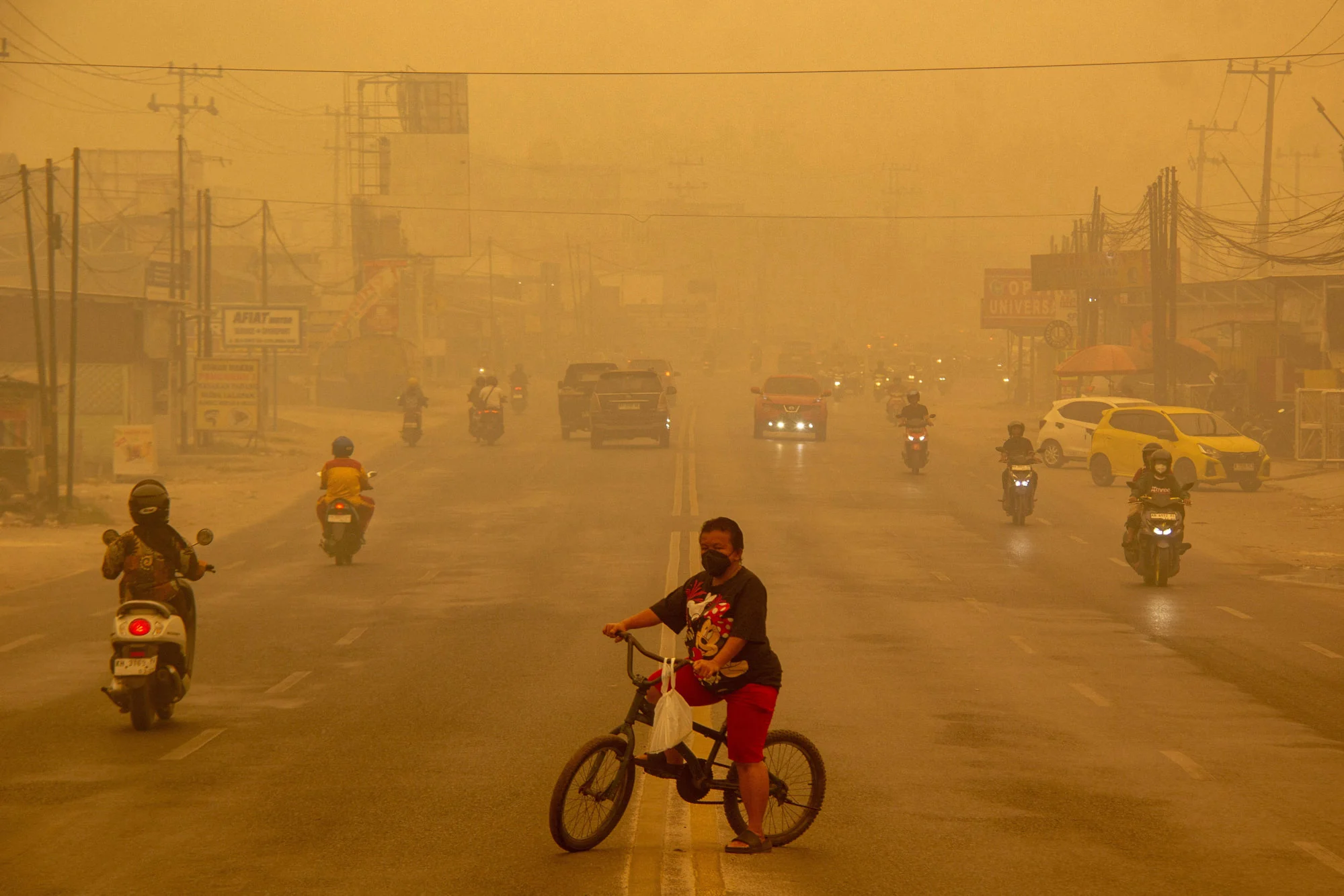
印度尼西亚火灾问题的规模凸显了紧迫性。MapBiomas Indonesia 记录显示,1 月至 8 月间共有 637,011 公顷土地被烧毁。其中约 331,246 公顷,即 52%,位于森林区域内。这些数据并不能确证每一处被烧毁区域都导致了新加坡的霾害,更遑论认定企业责任。尽管如此,它们展示了区域性机构一直难以遏制的环境挑战的规模。
The scale of Indonesia’s fire problem makes the urgency clear. MapBiomas Indonesia recorded 637,011 hectares of burned land between January and August. About 331,246 hectares, or 52 per cent, were within forest areas. These figures do not establish that every burned area contributed to Singapore’s haze, let alone identify corporate responsibility. Nevertheless, they demonstrate the scale of the environmental challenge that regional institutions have struggled to contain.
印度尼西亚对其领土、自然资源和执法拥有合法权力,新加坡则有合法利益保护其民众免受源自国境之外的污染侵害。任何一方的利益都不会自动抵消另一方的利益。
Indonesia has legitimate authority over its territory, natural resources and law enforcement, and Singapore has a legitimate interest in protecting its population from pollution originating beyond its borders. Neither interest automatically cancels the other.
1992 年《里约宣言》的“不损害原则”承认,各国有责任确保其管辖或控制范围内的活动不对其他国家造成重大环境损害。这并不意味着对每一起火灾或污染事件自动承担责任。相反,它要求采取适当的预防措施、监测和尽职调查。
The 1992 Rio Declaration’s no-harm principle recognises that states have a responsibility to ensure that activities within their jurisdiction or control do not cause significant environmental damage to other states. This does not impose automatic liability for every fire or pollution incident. Rather, it requires appropriate preventive measures, monitoring and due diligence.
新加坡的《跨境霾害污染法》考验的是当环境危害跨越国界时,国内立法能延伸多远。该法律允许对导致或助长新加坡霾害污染的公司采取行动,即使相关活动发生在海外。
Singapore’s Transboundary Haze Pollution Act tests how far domestic legislation can reach when environmental harm crosses national boundaries. The law allows action against companies that cause or contribute to haze pollution in Singapore, even when relevant activities occur overseas.
然而,新加坡若不顾及印度尼西亚法律和适用的跨境合作程序,就无法在印度尼西亚进行搜查、强制证人出庭或扣押证据。证明因果关系依然困难。
However, Singapore cannot conduct searches, compel witnesses to appear in court or seize evidence in Indonesia without regard to Indonesian law and the applicable procedures for cross-border cooperation. Proving causation also remains difficult.
这正是东盟制度局限性显现之处。《东盟跨界烟雾污染协定》于 2002 年签署,为预防、监测、信息交换和相互援助提供了框架。
This is where Asean’s institutional limitations become apparent. The Asean Agreement on Transboundary Haze Pollution, signed in 2002, provides a framework for prevention, monitoring, information exchange and mutual assistance.
然而,它并未建立一个强有力的区域执法机构,能够跨越国家司法管辖区起诉企业。东盟对共识、不干涉和国家主导合作的偏好,有助于维护政治凝聚力,但也限制了对需要更强问责机制的问题作出集体回应。
Yet it does not establish a powerful regional enforcement authority capable of prosecuting corporations across national jurisdictions. Asean’s preference for consensus, non-interference and state-led cooperation has helped preserve political cohesion, but also constrained collective responses to problems that demand stronger accountability.
该地区在市场一体化方面比在治理跨境后果所需的制度一体化方面更为有效。因此,企业问责正成为区域博弈的新领域。新加坡的做法超越了种植园经营者,延伸至企业关联、所有权结构和融资关系。
The region has integrated its markets more effectively than it has integrated the institutions needed to govern cross-border consequences. Corporate accountability is consequently becoming a new arena of regional power. Singapore’s approach reaches beyond plantation operators to corporate affiliations, ownership structures and financing relationships.
其央行的介入尤为重要,因为一旦确认存在明确的环境违规行为,银行可能会审查融资条件、限制风险敞口或重新考虑合作关系。这在法庭之外形成了经济压力,尽管调查或监管通知不应被误认为是有罪认定。
Its central bank’s intervention is particularly significant as banks may review financing conditions, restrict exposures or reconsider relationships where clear environmental breaches are established. This creates economic pressure beyond the courtroom, although an investigation or regulatory notice shouldn’t be mistaken for a finding of guilt.
印度尼西亚和新加坡已认识到,单边行动无法单独解决问题。10月27日,两国外长宣布计划成立联合工作组,协调调查并交换与森林和土地火灾有关公司的信息。
Indonesia and Singapore have recognised that unilateral action alone cannot resolve the problem. On October 27, their foreign ministers announced plans for a joint task force to coordinate investigations and exchange information on companies linked to forest and land fires.
拟议合作包括跨境取证和金融情报共享。这为在领土主权与执法之间寻求协调提供了一条务实路径。
The proposed cooperation includes cross-border evidence gathering and financial intelligence. This offers a practical route to reconciling enforcement with territorial sovereignty.
东南亚国家联盟应以此为契机。一个区域环境问责框架可建立共享卫星数据、特许经营记录、实益所有权信息和企业证据的通用程序。
The Association of Southeast Asian Nations should build on this opening. A regional environmental accountability framework could establish common procedures for sharing satellite data, concession records, beneficial ownership information and corporate evidence.
这也有助于促进联合调查和相互法律协助,同时确保各国在其领土内的执法仍受其国内法管辖。此类安排将强化问责制,而非造成无限制的单边干预许可。
It could also facilitate joint investigations and mutual legal assistance, while ensuring that enforcement within each country’s territory remains subject to its domestic laws. Such arrangements would strengthen accountability without creating an unrestricted licence for unilateral intervention.
挑战不在于削弱主权,而在于使其更能回应相互关联的地区需求。东盟必须超越合作宣言,建立能够交付成果的机制。
The challenge is not to weaken sovereignty but make it more responsive to an interconnected region. Asean must move beyond declarations of cooperation towards institutions capable of delivering results.