什么角色应该让人工智能在课堂上扮演?这是教师和管理者正在努力解决的一个新兴问题。对一些人来说,这可能意味着回到谷歌出现之前的时代。
What should be the role of AI in the classroom? That’s an emerging issue that teachers and administrators are grappling with. For some, it may mean reverting to pre-Google days.
本周,谷歌表示将默认关闭其 Gemini 人工智能工具,针对学生账户,给学校管理者提供选择加入的选项。
This week, Google said it will turn off its Gemini AI tool by default for accounts of school students, giving school administrators options to opt in.
但 Gemini 实际上已与谷歌搜索引擎捆绑在一起:想让学生完全不使用人工智能的学校,也会失去谷歌搜索。想让学生继续使用搜索引擎的学校,必须接受诸如人工智能生成摘要等功能。在其他方面,教师们正回到未来。
But Gemini has effectively been bundled with Google’s search engine: a school that wants no AI at all for its students risks losing Google Search, too. Schools that want students to continue to access the search engine will have to accept features such as AI-generated summaries. In other ways, teachers are going back to the future.
我的同事报道说,在硅谷,家庭作业写作任务正越来越多地被快速口头考试取代,教师让学生口头解释他们的推理。作业被更有监督的课堂写作和现场讨论所取代,教师可以确保思考是由学生完成,而不是他们的人工智能助手。课程本身也在围绕人工智能仍难以逼真伪装的东西重新设计:学生自己的推理和视角,而不仅仅是正确的事实答案。
My colleague reported on how, in Silicon Valley, take-home writing assignments are increasingly giving way to quick oral exams, where teachers ask students to verbally explain their reasoning. Homework is being replaced by more supervised in-class writing and live discussion, where a teacher can ensure the thinking is being done by the student, not their AI assistant. And the lessons themselves are being redesigned around something AI still struggles to fake convincingly: a student’s own reasoning and perspective, not just the correct factual answer.
在课堂之外,美国人本周在中期选举中也有机会对人工智能热潮投票。向下滚动了解更多。
Outside the classroom, Americans also had a chance to cast their vote on the AI boom this week in the midterm elections. Scroll down to learn more.
OpenAI 员工多年来一直警告运营安全漏洞,谷歌在多个国家向员工提供自愿收购要约,人工智能购物代理可能威胁亚马逊和沃尔玛的广告业务,埃隆·马斯克的商业帝国正为民主党浪潮做准备,德克萨斯州转蓝,中国芯片制造商 YMTC 将 IPO 暂停,市场疲软影响,消息人士称,人工智能销售初创公司 Nooks 获得 5 亿美元融资用于扩张。在本周的中期选举中,美国人向人工智能公司发出了关于数据中心的信号:放慢速度。
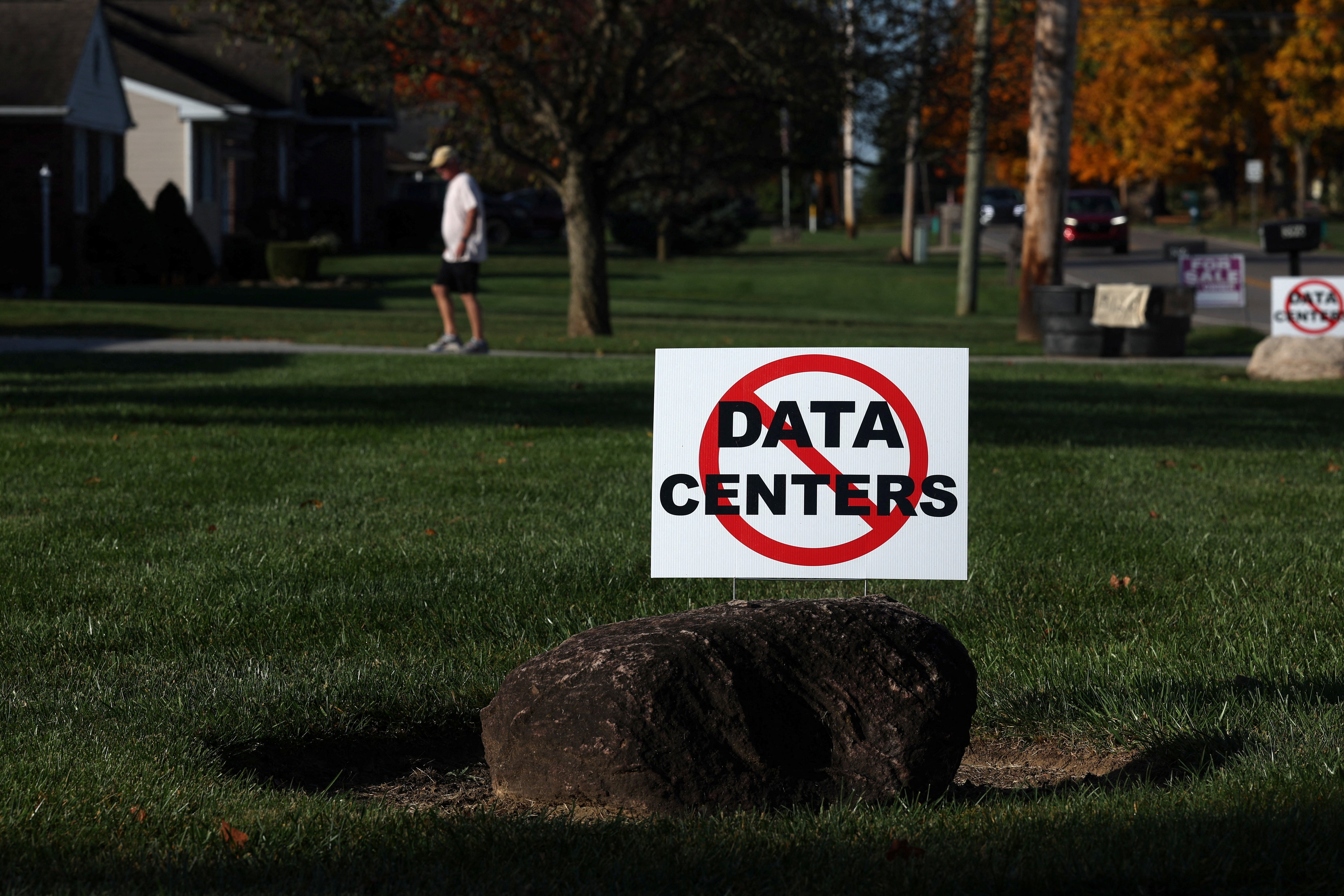
OpenAI employees warned about operational security lapses for years Google extends voluntary buyout offers to employees in several countries AI shopping agents could threaten Amazon and Walmart's ad business Elon Musk's business empire braces for Democratic wave as Texas flips blue Chinese chipmaker YMTC puts IPO on hold as weaker markets weigh, sources say AI sales startup Nooks secures $500 million in funding for expansion In this week’s midterm elections, Americans sent AI companies a message about data centers: slow down. Of the 41 data center-related ballot measures voted on this week, all but one broke in the anti-data center direction, according to Ballotpedia.
据 Ballotpedia 统计,本周共有 41 项与数据中心相关的投票议案,除一项外,其余全部倾向于反对数据中心。与此同时,在得克萨斯州、佐治亚州和俄亥俄州——这三个州都计划大幅扩充数据中心产能——民主党赢得了州长职位,选民选出了承诺暂停发放新数据中心许可并收紧建设规则的候选人。
Meanwhile, in Texas, Georgia, and Ohio — all places with plans for significant data center capacity growth — Democrats flipped governorships, with voters electing candidates who have promised to pause new data center permits and tighten construction rules. Texas matters most of all: investment bank Jefferies estimates the state accounts for roughly 26% of the entire planned US data center pipeline.
得克萨斯州最为关键:投资银行 Jefferies 估计,该州约占全美规划中数据中心项目管道的 26%。
Texas is as good a test case as any for what happens next.
得克萨斯州不失为观察后续事态发展的绝佳测试案例。州长格雷格·阿博特 已下令暂停发放许可,以审查拟建数据中心会如何给该州电网和水资源带来压力;完成这些审查最终可能重启审批流程。
Governor Greg Abbott had already imposed a permit pause tied to reviews of how proposed data centers would strain the state’s power grid and water supply; completing those reviews could eventually reopen the approval process. Governor-elect Gina Hinojosa wants to go further, keeping development paused until state lawmakers pass new protections for communities and utility customers, and revisiting the tax incentives developers currently enjoy.
当选州长吉娜·伊诺霍萨 想走得更远,她主张在州立法机构通过保护社区和公用事业客户的新措施、并重新审视开发商目前享受的税收优惠之前,继续维持开发暂停。这很可能意味着等待时间将更长、更不可预测,不仅要等技术审查结束,还要等整个立法过程走完。
That likely means a longer, less predictable wait, not just for a technical review to finish, but for an entire legislative process to play out. “This election could extend an existing pause and change the conditions for restarting,” said Mona Dajani, partner and global co-head of infrastructure, energy and AI at law firm Cooley.
“此次选举可能延长现有的暂停期,并改变重启的条件,”律师事务所 Cooley 合伙人、基础设施、能源与 AI 全球联席负责人莫娜·达贾尼 表示。
“For developers, it’s a meaningful difference between waiting for an audit and waiting for lawmakers to agree on new rules. They still have equipment commitments, financing costs, and customer deadlines while they're waiting.”
“对开发商来说,等待审计与等待立法者达成新规则之间存在着重要区别。它们在等待期间仍需承担设备承诺、融资成本和客户交付期限。”并非所有开发商都同等受影响。仍在比较潜在地点的项目可以等待,或者直接在其他地方建设。已经获得土地、订购设备、安排公用设施升级并向租户承诺交付日期的项目则缺乏这种灵活性——此阶段搬迁成本高昂,地方许可和电网接入并非易于迁移。
Not every developer is equally exposed. A project still comparing potential sites has room to wait, or to simply build somewhere else instead. A project that has already secured land, ordered equipment, lined up utility upgrades, and promised a tenant a delivery date does not have that flexibility — relocating at that stage is expensive, and local permits and grid connections don’t just move. That dynamic tends to favor the biggest players, according to Dajani.
据达贾尼称,这种动态往往有利于最大型的参与者。已在多州运营数据中心的超大规模企业可以在延迟期间将工作负载转移,或在容量和客户需求允许的情况下将新投资转向其他地方。一个把所有赌注押在一个未完成校园和单一租户上的小型开发商则没有这种缓冲——一次延迟可能同时危及其融资、设备订单和收入预测。
Hyperscalers that already operate data centers in multiple states can shift workloads around a delay, or redirect new investment elsewhere, as capacity and customer needs allow. A smaller developer betting everything on one unfinished campus and one tenant has none of that cushion — a single delay can put its financing, equipment orders, and revenue projections all at risk simultaneously. The big players’ advantage also comes on the financing side.
大型玩家的优势也体现在融资方面。当项目开工日期变得不确定时,融资往往会变得更具条件:开发商可能需要提前投入更多自有资本,持有更大储备以覆盖延迟成本,或寻求已安排好的承诺的延期。一些贷款人可能仅仅选择等到审批全部通过后才释放资金——这意味着签署的融资协议并不保证开发商在需要时能实际获得现金。
When a project’s opening date becomes uncertain, financing tends to get more conditional: developers may need to put in more equity upfront, hold larger reserves to cover delay costs, or seek extensions on commitments they’d already lined up. Some lenders may simply choose to wait for approvals to clear before releasing money at all — meaning a signed financing deal doesn’t guarantee that the cash is actually accessible when a developer needs it. None of this means demand for AI infrastructure is going away.
上述情况并不意味着对人工智能基础设施的需求正在消失。但本周的结果表明,支持基础设施繁荣需要的不仅仅是硅谷的宏大抱负。
But this week’s results suggest support for the infrastructure boom needs more than just Silicon Valley’s lofty ambitions. To be sure, this isn’t a simple story of voters versus the industry.
这并不是选民与行业之间的简单对立故事。新当选的领导人现在必须在暂停发放许可证与数据中心也创造就业(包括许多同样选民所属的工会建筑工人)之间取得平衡。我的同事详细描述了内华达州工会内部的分歧意见。
The same newly elected leaders now have to balance a pause on permits against the practical reality that data centers also create jobs — including union construction jobs belonging to many of the same voters. My colleagues detailed the split opinions inside unions in Nevada. Voters may not be able to vote on how fast AI research accelerates.
选民可能无法决定人工智能研究的加速速度,但他们可以并且确实投票决定其背后基础设施在自己后院的建设速度——这又将影响人工智能对社会的影响速度以及其成本。
But they can, and did, vote on how fast the infrastructure behind it gets built in their backyard — which, in turn, will influence how fast AI can impact on society and how costly that will be.
安全研究人员已经为刚刚发生的事件起了名字:黑色十月。两项关键漏洞出现在 PHP 这一运行约 70% 互联网网站的编程语言中,去年底才被发现,原因是这些漏洞在代码中潜伏多年,直到人工智能模型终于能够串联起证明其可利用性的复杂步骤。
Security researchers already have a name for what just happened: Black October. Two critical vulnerabilities in PHP, the programming language running roughly 70% of the internet’s websites, surfaced last month after sitting dormant in the code for years — found only because AI models were finally capable of chaining together the complex steps needed to prove they were exploitable.
图表量化了这一变化:NIST 数据库跟踪的新漏洞从 2025 年 10 月的 4,289 例跃升至 2026 年 10 月的 17,059 例,单一年份内几乎增长了四倍,自春季以来曲线陡峭上升。
The chart quantifies it: new vulnerabilities tracked by NIST’s database jumped from 4,289 in October 2025 to 17,059 in October 2026, nearly a fourfold increase in a single year, with the line rising steeply since spring.
过去,发现漏洞需要真正的技术能力,而将漏洞转化为可用的利用代码可能需要经验丰富的专业人士数周或数月。人工智能打破了这一时间框架:模型现在可以全天候审查代码库,一次又一次地发现缺陷,并在数小时内完成可用利用代码,而非数月。安全专业人士警告,人工智能辅助攻击可能会先变得更糟,正如一些人所认为的那样,人工智能本身也可以用于编写更安全的代码并更快地发现漏洞。
Finding a bug used to require real skill, and turning that bug into a working exploit could take an experienced professional weeks or months. AI has thrown that timeline out the window: models can now subject a codebase to round-the-clock scrutiny, finding one flaw after another, and turn a working exploit around in hours instead of months. Security professionals warn AI-assisted attacks are likely to get worse before, as some believe, AI can itself be used to write more secure code and find vulnerabilities faster.