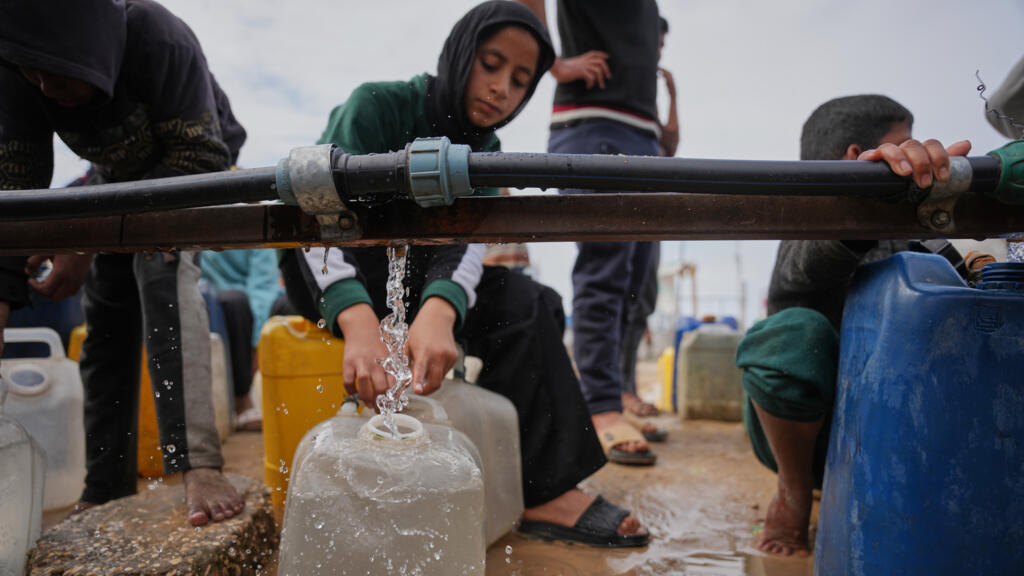
联合国儿童基金会周四警告称,2021年至2025年间,冲突地区破坏或摧毁供水与卫生系统的袭击事件增加了两倍,导致数百万儿童日益面临疾病、营养不良和暴力的威胁。
Attacks damaging or destroying water and sanitation systems in conflict zones tripled between 2021 and 2025, Unicef warned on Thursday, leaving millions of children increasingly exposed to disease, malnutrition and violence.
这些发现于11月5日发表在联合国儿童基金会的报告中,凸显了全球一些最危险冲突地区关键基础设施面临的日益严重的威胁。
The findings, published on 5 November in the United Nations' children's agency's report, highlight the growing threat to essential infrastructure in some of the world's most dangerous conflict zones.
该报告涵盖2021年1月至2026年6月期间的23个国家和地区,记录了对供水设施、卫生设施及负责维护这些设施的人员的袭击急剧增加。
Covering 23 countries and territories between January 2021 and June 2026, the report documents a sharp rise in attacks on water supplies, sanitation facilities and the people responsible for maintaining them.
据联合国儿童基金会称,这些袭击正变得更加频繁,形式日益多样,并蔓延至更广泛的地理区域。
According to Unicef, these attacks are becoming more frequent, taking increasingly varied forms and spreading across wider geographical areas.
该机构将袭击分为七类,从对水处理厂、管道和水井的打击,到水源污染,再到限制获取维持供水系统运转所需的备件和化学品。
The agency identified seven categories of attacks, ranging from strikes on water treatment plants, pipelines and wells to the contamination of water sources and restrictions on access to spare parts and chemicals needed to keep water systems functioning.
“尽管袭击不断增加,人道主义工作者仍竭尽全力维持供水,”联合国儿童基金会执行主任凯瑟琳·拉塞尔说。
"Humanitarian workers do their best to keep water flowing despite increasing attacks," said Unicef executive director Catherine Russell.
但她警告说,紧急修复无法替代国际人道法所要求的对基本民用基础设施的保护。谁拥有尼罗河?变暖世界中的水、权力与政治供水与卫生系统受损报告强调了几个冲突地区的破坏规模,供水基础设施的毁坏使整个社区难以获得安全饮用水。
But she warned that emergency repairs could not replace the protection of essential civilian infrastructure required under international humanitarian law. Who owns the Nile? Water, power and politics in a warming world Damage to supply and sanitation The report highlights the scale of the damage in several conflict zones, where the destruction of water infrastructure has left entire communities struggling to access safe drinking water.
在布基纳法索,2020年至2025年间的袭击摧毁了超过145个供水点,切断了约83万人的供水——其中一半以上是儿童。
In Burkina Faso, more than 145 water points were destroyed in attacks between 2020 and 2025, cutting off supplies to approximately 830,000 people – more than half of them children.
据联合国儿童基金会称,在加沙地带,自2023年10月以来,超过130公里的污水管道遭到破坏。
In the Gaza Strip, more than 130 kilometres of sewage pipelines have been damaged since October 2023, according to Unicef.
破坏已迫使未经处理的废水流入地中海或临时储存区,使本已严重的卫生问题雪上加霜。
The destruction has forced untreated wastewater into the Mediterranean Sea or temporary storage areas, compounding already severe sanitation problems.
在苏丹,冲突摧毁了关键基础设施,2024年3月,喀土穆州的13座水处理厂中仅有一座仍在运转。
In Sudan, where conflict has devastated essential infrastructure, just one of the 13 water treatment plants in Khartoum State was still operating in March 2024.
联合国儿童基金会还警告说,即使管道和泵站完好无损,供水也可能中断。
Unicef also warned that water supplies can be disrupted even when pipelines and pumping stations remain intact.
对电力基础设施的袭击可能使整个社区失去运行水处理和输配系统所需的电力。
Attacks on electricity infrastructure can leave entire communities without the power needed to operate water treatment and distribution systems.
在乌克兰,到2022年12月,能源基础设施受损已导致近700万儿童无法可靠获得电力、供暖和水。
In Ukraine, damage to energy infrastructure had left nearly 7 million children without reliable access to electricity, heating and water by December 2022.
联合国敦促世界在水资源日益稀缺之际考虑水的“真正价值” 健康风险 除了饮用水损失之外,联合国儿童基金会警告说,受损的卫生系统正使儿童面临疾病和营养不良的风险。
UN urges world to consider 'true value' of water amid rising scarcity Health risks Beyond the loss of drinking water, Unicef warned that damaged sanitation systems are exposing children to disease and malnutrition.
在乍得东部的难民营,数千人逃离了邻国苏丹的战争,世界卫生组织将一次戊型肝炎疫情与恶劣的水和卫生条件联系起来。
In refugee camps in eastern Chad, where thousands have fled the war in neighbouring Sudan, the World Health Organization linked an outbreak of hepatitis E to poor water and sanitation conditions.
2024年1月至4月记录的2092例疑似病例中,有一半涉及6至17岁的儿童。
Half of the 2,092 suspected cases recorded between January and April 2024 involved children aged six to 17.
受污染的水还增加了腹泻疾病的风险,而腹泻疾病可能加重营养不良,同时医院在缺乏可靠供水的情况下难以维持基本服务。
Contaminated water also increases the risk of diarrhoeal diseases, which can aggravate malnutrition, while hospitals struggle to maintain essential services without reliable water supplies.
联合国儿童基金会还记录到儿童在排队取水时被杀或受伤的情况,包括在加沙。妇女和女孩在长途取水时面临额外风险。
Unicef also documented children being killed or injured while queuing for water, including in Gaza. Women and girls face additional risks when travelling long distances to collect supplies.
该机构敦促冲突各方根据国际人道法保护水基础设施,并保障人道主义援助能够进入受影响社区。
The agency urged parties to conflicts to protect water infrastructure under international humanitarian law and guarantee humanitarian access to affected communities.
但资金短缺正在阻碍救援工作。联合国儿童基金会估计,有1.379亿人需要紧急水和卫生援助,但2026年所需资金仅收到26%。
But funding shortages are hampering relief efforts. Unicef estimates that 137.9 million people need emergency water and sanitation assistance, yet only 26 percent of the funding required for 2026 has been received.