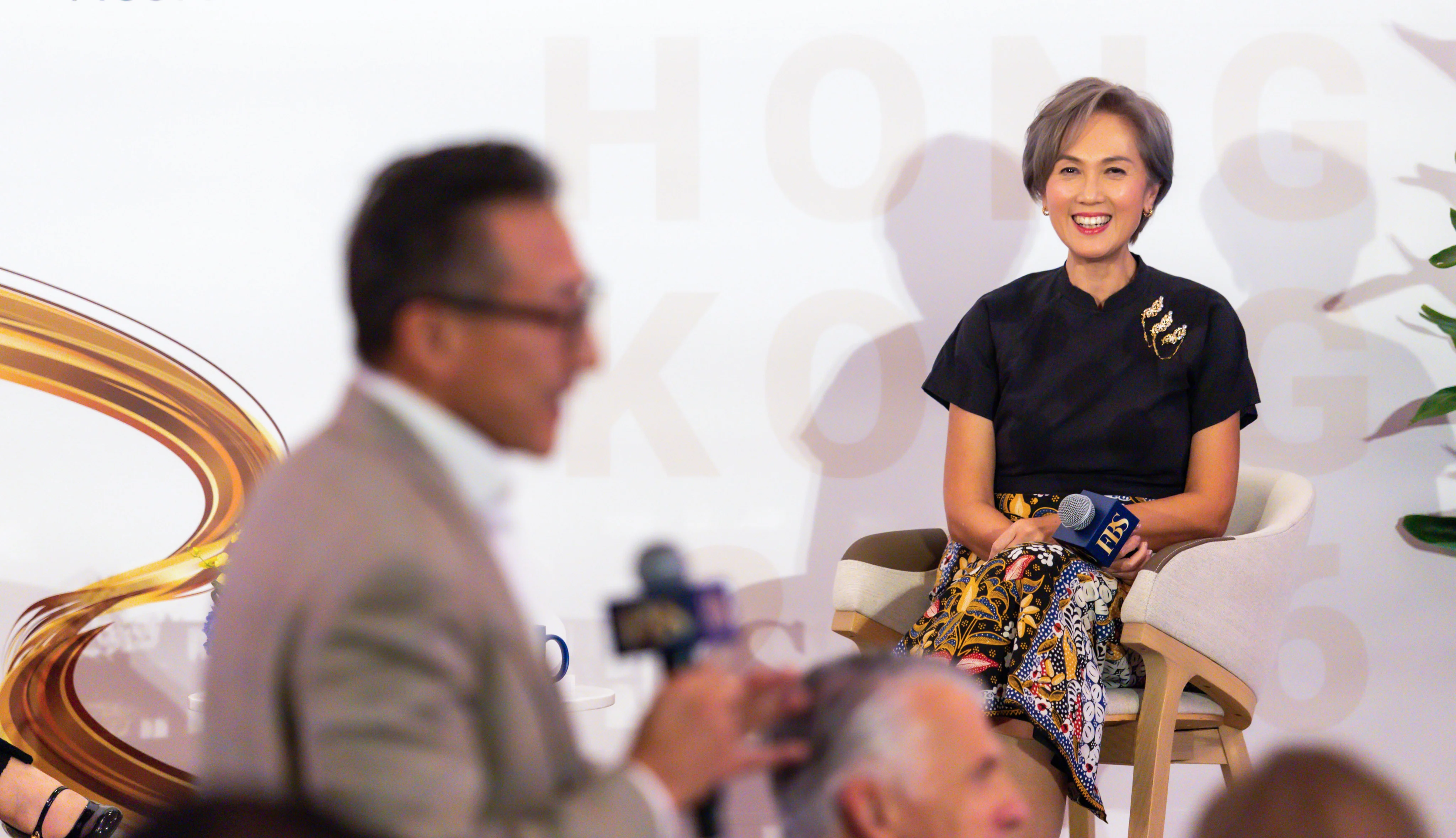
新加坡正试图改写剧本,将其土地和人力限制转化为拥抱人工智能而非恐惧人工智能的理由,尽管这项技术在错误的人手中带着导致失业和网络威胁的幽灵,一位高级官员表示。
Singapore is seeking to flip the script by turning its land and manpower constraints into reasons to embrace AI instead of fearing it, even as the technology carries the spectre of job losses and cyberthreats in the wrong hands, a senior official has said.
数字发展及新闻部部长萧美琴主张,务实将使这个资源匮乏的国家占据优势,而不会过度依赖任何单一强国或人工智能供应商。
Minister for Digital Development and Information Josephine Teo argued that pragmatism would give her resource-scarce country an edge without becoming overly reliant on any single power or AI provider.
周三,在由《南华早报》和蓝池资本联合主办的香港家族企业峰会上,萧美琴还警告说,人工智能的发展速度快于社会的适应速度,可能让年轻工人面临职业阶梯上的“断档”,而企业将工资支出转向人工智能技术。
At the Family Business Summit in Hong Kong on Wednesday, co-organised by the South China Morning Post and Blue Pool Capital, Teo also warned that AI was advancing faster than societies could adapt, potentially leaving younger workers facing a “broken rung” on the career ladder, while businesses shifted spending on wages to AI technology.
“人工智能没有给我们太多时间停下来深思熟虑,”萧美琴说。“我认为我们今天面临的最大挑战是时间线被极度压缩,而人类社会过去有更多时间来适应技术变革的影响。”萧美琴坦诚地谈到了这个常被吹捧为区域人工智能领导者的国家所面临的迫在眉睫的担忧。
“AI hasn’t given us much time to pause and reflect more deeply,” Teo said. “think our biggest challenge today is that the timeline is very compressed, whereas human society previously had much more time to adapt to the impact of technological change.”Teo was candid about the looming concerns facing her country, often touted as the regional leader in artificial intelligence.
“如果组织转入一个更多支出流向令牌、更少支出流向工资的环境,我们必须问国家的收入模式会怎样,”她在一场约有100名企业高管、投资者、学者和名人出席的炉边谈话中说。
“If organisations transition into an environment where more of their expenditure goes towards tokens and less towards wages, we have to ask what happens to the revenue model of the state,” she said at a fireside chat attended by some 100 business executives, investors, academics and celebrities.
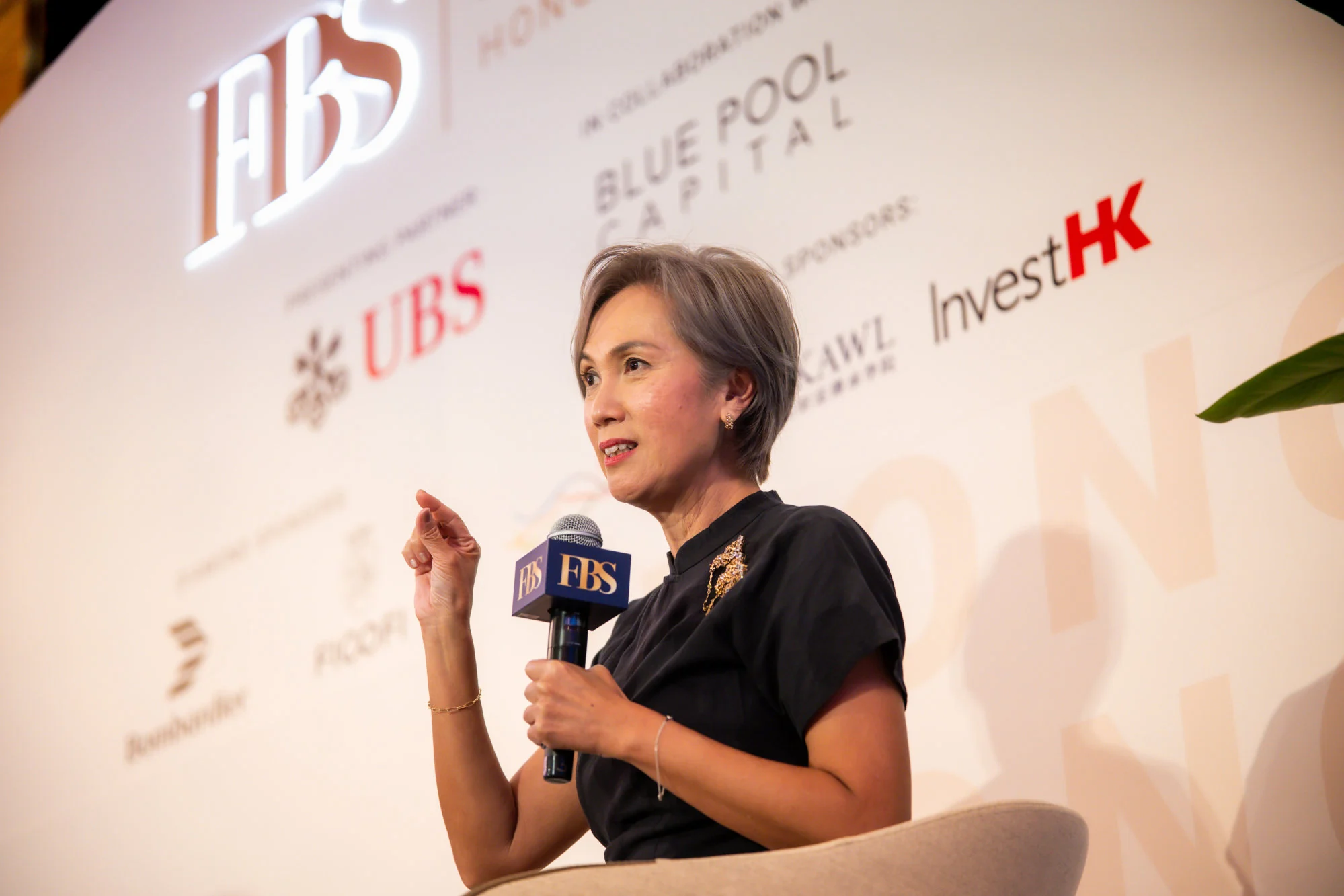
“什么将维持政府提供公共服务的方式?所以这是另一层需要思考的问题。恐怕这是个晚餐桌上太沉重的话题。”新加坡稀缺的资源似乎也预示着其增长不可避免的极限,因为邻国马来西亚正在挖掘土地建设数据中心。上个月,该国货币管理局在其回顾报告中预测,人工智能驱动的经济增长步伐将放缓。
“What will sustain the way governments deliver public services? So that’s another layer to think about. It’s a very heavy topic for dinner, I’m afraid.”Singapore’s scarce resources also seem to signal an inevitable limit to its growth, as neighbouring Malaysia excavates land to build data centres. Last month, the state’s monetary authority projected a slowdown in the pace of AI-driven economic growth in its review.
张俞依然保持乐观。她说:“与其问‘考虑到土地和人力限制,我们利用人工智能能做多少有没有极限?’,我认为我们应该反过来问:‘如果我们不学会驾驭这项技术,难道不会受到更大的制约吗?’
But Teo remains upbeat. “Rather than ask, ‘Is there a limit to how much we can do with AI, given the land and manpower constraints?’, I think we should flip the question around: ‘Wouldn’t we be even more constrained if we didn’t learn to master this technology?
“这就是我们的观点。问题随之变成:我们如何充分利用现有资源?这就是我们采取的方法。”今年早些时候,张俞宣布,新加坡将在五年内投入超过10亿新元(约合7.8亿美元)用于研究,以增强人工智能能力和全球竞争力,包括人才培养。
“That was our perspective. The question then becomes: how do we make the most of the resources available to us? That was the approach we took.”Earlier this year, Teo announced that the state would invest over S$1 billion (US$780 million) over five years into research to strengthen AI capabilities and global competitiveness, including talent development.
周三,她概述了指导新加坡人工智能政策的五大要务:基础设施、劳动力与企业能力、治理、法规以及国际合作。
On Wednesday, she outlined five imperatives that guide Singapore’s AI policy: infrastructure, workforce and enterprise capabilities, governance, regulations, and international cooperation.
张俞表示,人工智能主权是全球决策者讨论的话题,如果标准是构建并拥有完整的人工技术栈,只有极少数国家能实现。
AI sovereignty was a topic among global policymakers, and would be achieved by very few countries if the criteria were building and owning an entire AI stack, Teo said.
她说:“许多国家也有不同的财政优先事项。就新加坡而言,我们面临人口老龄化。从这个角度看,我认为以拥有权来定义人工智能主权是不切实际的。
“Many countries also have different fiscal priorities. In Singapore’s case, we have an ageing population. From that perspective, I think defining AI sovereignty in terms of ownership is unrealistic,” she said.
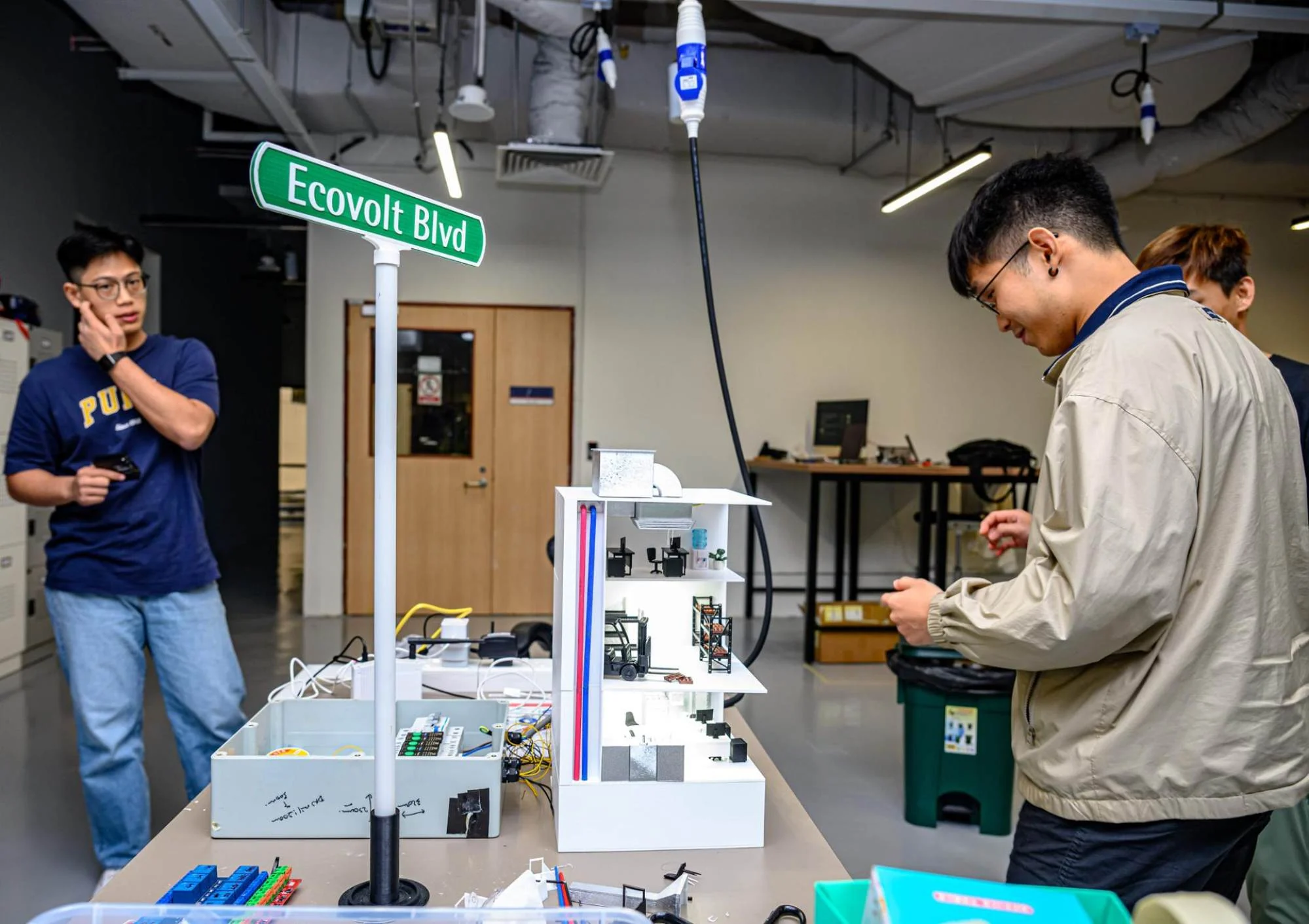
“如果你把人工智能主权定义为能按自己的条件使用该技术,通过发展自身能力并接入不同的创新生态系统,成功的机会会更大,这也是我们的看法。”但这座常被誉为中立之地的城市国家,正日益陷入日益激烈的超级大国人工智能竞争夹缝之中。去年12月,美国牵头发起“硅石和平倡议”(Pax Silica),旨在帮助合作伙伴强化人工智能所需关键矿产的供应链,新加坡是七个签署国之一。
“If you define AI sovereignty as being able to use the technology on your own terms, by developing your own capabilities and plugging in to different innovation ecosystems, you stand a better chance and that’s the way we look at it.”But the city state, often hailed as a neutral ground, is increasingly caught between an intensifying superpower AI rivalry. Singapore was among seven signatories when Pax Silica – a US-led initiative that aims to help partners strengthen supply chains for minerals essential to AI – launched last December.
此后,新加坡收到并正在评估一份邀请,邀请其加入总部位于上海的世界人工智能合作组织(Waico),该组织于7月成立。
It has since received and is assessing an invitation to join the Shanghai-based World Artificial Intelligence Cooperation Organisation (Waico), which was formed in July.
张女士表示,收到此类邀请“几乎就像管理一个投资组合”,并指出新加坡参与此类集团是在其发展的不同阶段进行的,服务于不同的目标。
Receiving such invitations was “almost like managing an investment portfolio”, said Teo, who noted that Singapore’s participation in such blocs took place at different phases of its development and served different objectives.
“当我们收到加入 Waico 等倡议的邀请时,我们会认真对待,并考虑其中涉及的义务和承诺,”她说。“Waico 是一个严肃的组织,拥有既定架构,因此我们正在评估它如何契合我们的优先事项。”张女士说,新加坡通过数字政策对话与中国开展双边关系,双方定期会晤,讨论人工智能安全、治理和应用等问题。
“When we receive an invitation to join an initiative such as Waico, we look at it seriously and consider the obligations and commitments involved,” she said. “Waico is a serious organisation with an established structure, so we’re assessing how it fits into our priorities.”Teo said Singapore engaged in bilateral relations with China through a digital policy dialogue, with both states meeting regularly to discuss issues such as AI safety, governance and adoption.
部长还被问及,如果新加坡提出请求,是否会获得使用 Mythos 的权限——这是美国 Anthropic 公司最近推出的先进模型,能够自主识别软件漏洞。
The minister was also asked if Singapore would be granted access to Mythos – Anthropic’s recent and advanced model which can autonomously identify software vulnerabilities – if the state requested it.
美国巨头 Anthropic —— AI 模型 Claude 的创造者 —— 选择新加坡作为其在东南亚的首个办事处所在地,该办事处于上个月开业。近在咫尺的是微软的研究实验室,该实验室于去年启动,旨在研究部署并追求前沿 AI 的突破。
US giant Anthropic, creator of the AI model Claude, picked Singapore for its first office in Southeast Asia which opened last month. A stone’s throw away is Microsoft’s research lab, which was launched last year to study deployment and chase breakthroughs in frontier AI.
在一项名为“Project Glasswing”的倡议中,Anthropic 向一组受信任的政府和公司(如 Nvidia 和 Cisco)提供了使用权限,以便它们能够开始扫描其网络安全系统中的漏洞并进行修补。
In an initiative called Project Glasswing, Anthropic gave a trusted group of governments and companies such as Nvidia and Cisco access so they could start scanning their cybersecurity systems for vulnerabilities and patching them.
“参与 Glasswing 是有帮助的,但你是否需要参与 Glasswing 才能改善网络安全?答案是未必,”张女士指出,Mythos 的许多能力在开放模型中已经可用。
“It is helpful to be on Glasswing but do you need to be on it to improve your cybersecurity? The answer is not necessarily,” said Teo, noting that many of Mythos’ capabilities were already available in open models.
部长表示,虽然“能够使用”最尖端的技术是好事,“但认为那是加强自身能力和网络防御的唯一途径,那将是一个错误”。
The minister said while “it is good to have access” to the most sophisticated technology, “it would be a mistake to think that that’s the only way you can strengthen your own capabilities and cyber defences”.
鉴于 Anthropic 将中国标记为“敌对国家”,没有中国企业受邀使用该模型,且该公司已将香港连同中国大陆和澳门一并排除在其支持地区名单之外。
No Chinese firms were invited to use the model given Anthropic’s labelling of China as an “adversarial nation”, and the company has excluded Hong Kong from its list of supported locations, alongside mainland China and Macau.
新加坡与中国保持着持续对话,中国已发布许多开放权重模型——这是新加坡强烈支持的一种路径。
Singapore is in constant conversation with China, which has made many open-weight models – an approach Teo says the city state strongly supports.
“我们认为这能强化 AI 采用的环境,同时也因为我们相信,这是确保大多数人类能从这项技术中受益的唯一路径,”她说。
“We believe it strengthens the environment for AI adoption, but also because we believe it is the only path to ensure that most of humanity can benefit from this technology,” she said.
随着 AI 如今主导了她职责范围内的大部分工作,张女士同样在日常生活中使用这项技术。
With AI now dominating most of her portfolio’s job scope, Teo similarly uses the technology in her day-to-day life.
她透露,她利用“氛围编程”方式打造了个人 AI 智能体,该智能体每天扫描全球新闻文章,并根据她的兴趣定制摘要,每天早上通过 WhatsApp 发送给她。
She revealed that she vibe-coded her personal AI agent, which scans the globe for news articles and delivers a summary – curated based on her interest – to her via WhatsApp every morning.
“它每天要读取约 16,000 篇文章——这远超我所能处理的数量。”
“It reads about 16,000 articles every single day – that’s a lot more than I can manage.”