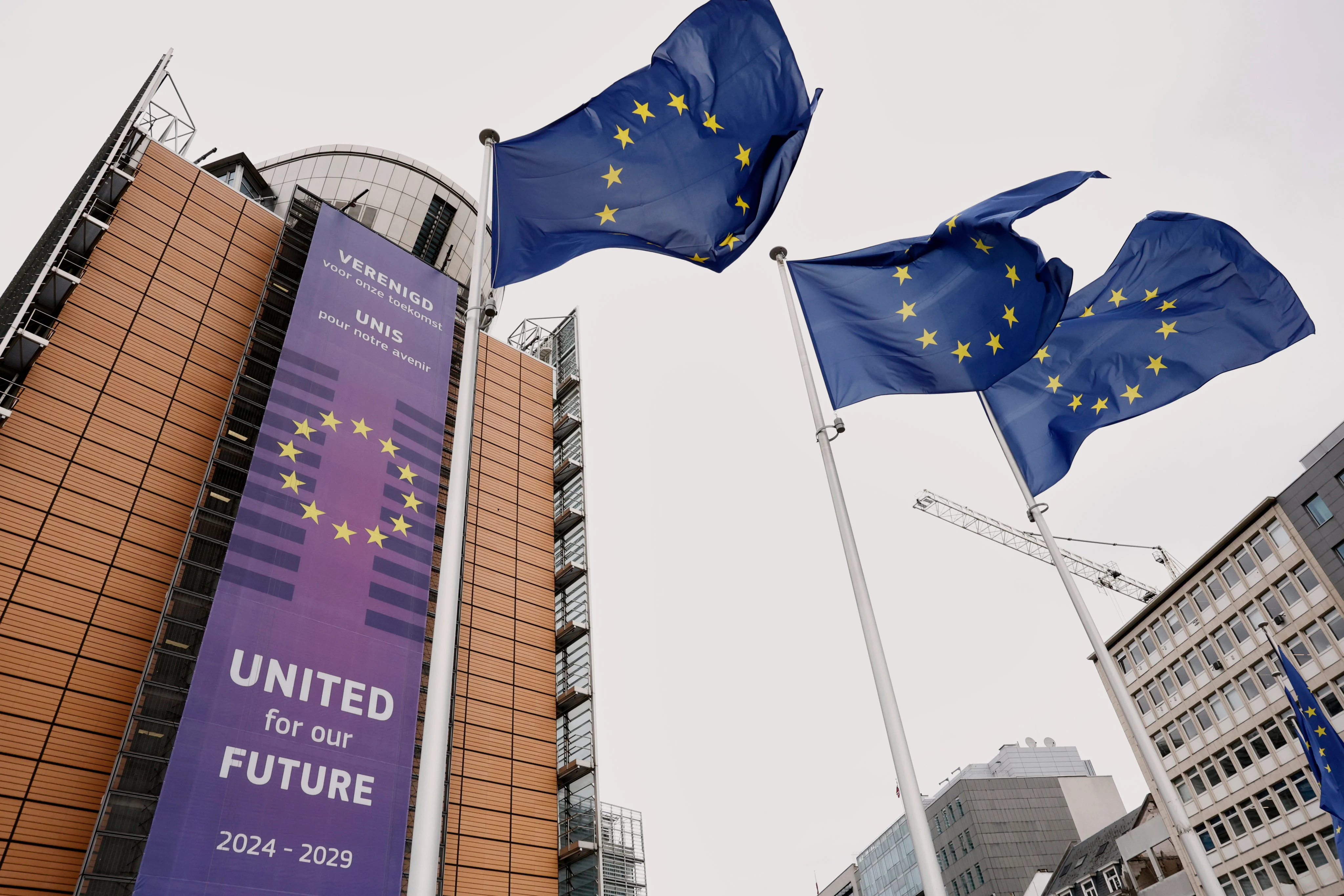
欧盟资金短缺正威胁着该集团扩大在东南亚影响力的雄心,因为布鲁塞尔正在应对一场预算僵局,这可能会拖慢对这个快速增长地区的基础设施投资。
An EU funding crunch is threatening to stifle the bloc’s ambitions to expand its influence in Southeast Asia, as Brussels grapples with a budget deadlock that could slow infrastructure investments across the fast-growing region.
资金紧缩可能阻碍东南亚国家联盟(东盟)的绿色转型和区域互联互通目标,即使布鲁塞尔正寻求在与北京经济影响力的竞争中获得更大的战略自主权。
The funding squeeze could hinder the green transition and regional connectivity goals of the Association of Southeast Asian Nations, even as Brussels seeks greater strategic autonomy amid competition with Beijing’s economic clout.
分析人士预计,欧盟将优先考虑国内开支压力而非海外承诺,并认为欧洲仍可利用更高质量、可持续的投资,而不是试图匹敌中国的财力。
Analysts expect the European Union to prioritise domestic spending pressures over overseas commitments, arguing Europe can still leverage higher-quality, sustainable investments rather than attempting to match China’s financial muscle.
欧盟-东盟“全球门户”战略于2022年启动,旨在通过其主要外部融资工具“全球欧洲”工具,以100亿欧元(约合112亿美元)的公共资金在2027年前加强区域基础设施建设。
Launched in 2022, the EU-Asean Global Gateway strategy aims to bolster regional infrastructure backed by 10 billion euros (US$11.2 billion) in public funding through 2027 via its primary external financing tool, the Global Europe instrument.
印度贾瓦哈拉尔·尼赫鲁大学副教授拉胡尔·米什拉表示:“东盟拥有超过6.8亿人口、庞大的中产阶级,以及在制造业、服务业和科技方面非常有活力的经济,是欧盟的一个巨大市场。对欧盟而言,它是一个在一系列利益、愿望和关切上与欧盟共享共同点的伙伴。”然而,由于欧盟2028-2034年多年度财政框架(MFF)陷入僵局,该计划的前景蒙上阴影。去年7月,欧盟委员会提议总预算近2万亿欧元(约合2.25万亿美元)——其中包括2000亿欧元用于“全球欧洲”,高于目前的795亿欧元。
“With over 680 million people, a huge middle class and a very dynamic economy in terms of manufacturing, services and tech, Asean is a massive market for the EU,” said Rahul Mishra, an associate professor at India’s Jawaharlal Nehru University. “For the EU, it’s a partner with which it shares a range of interests, aspirations and concerns.”However, the programme’s future is clouded by an impasse over the EU’s 2028-2034 Multiannual Financial Framework (MFF). In July last year, the European Commission proposed an overall budget of nearly 2 trillion euros (US$2.25 trillion) – including 200 billion euros for Global Europe, up from 79.5 billion euros currently.
该计划迅速遭到“节俭派”集团——德国、奥地利、丹麦、荷兰、芬兰和瑞典——的抵制,这些国家要求在给予所需的一致通过之前削减数千亿欧元。
The plan met swift resistance from the “frugal” bloc – Germany, Austria, Denmark, the Netherlands, Finland and Sweden – which demanded cuts of several hundred billion euros before granting the required unanimous approval.
“多年度财政框架的规模逐年扩大,今年在最初的提案中首次突破了2万亿欧元的心理关口,”香港大学全球及地区研究系副教授罗兰·沃格特(Roland Vogt)表示。“这对许多作为净缴款国的成员国来说,是非常难以接受的。”布鲁塞尔方面辩称,扩大预算是为了在传统的农业和区域凝聚力补贴之外,同时兼顾国防、竞争力、移民和气候等优先事项。
“The multiannual financial framework was growing in size every year, and this year it cracked through the psychological barrier of 2 trillion euros for the first time in the original proposal,” said Roland Vogt, an associate professor of global and area studies at the University of Hong Kong. “That is something very unpalatable to a lot of the member states who are net contributors.”Brussels argues the expanded budget is needed to juggle defence, competitiveness, migration and climate priorities alongside traditional agricultural and regional cohesion subsidies.
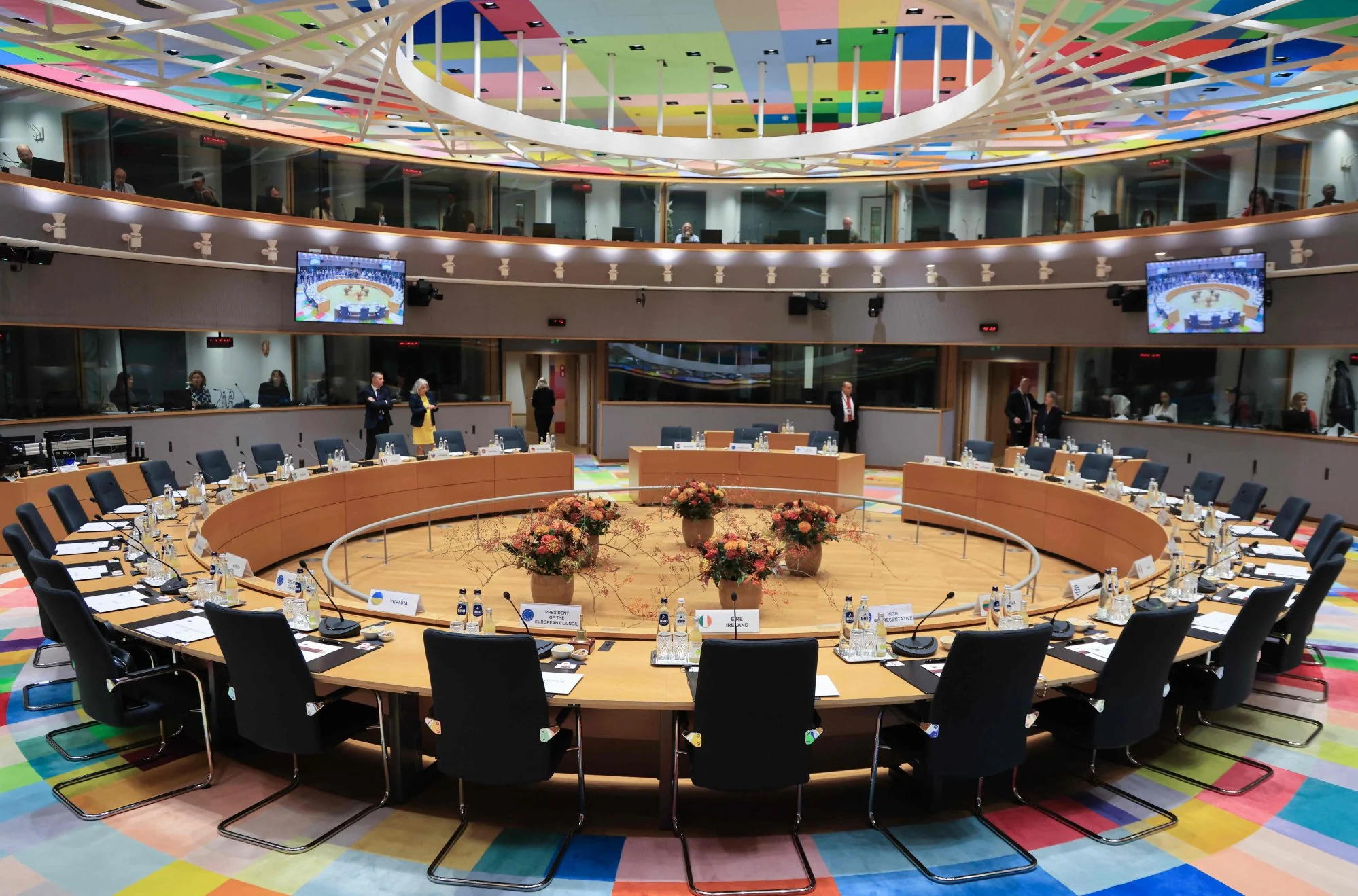
为打破僵局,目前担任欧盟理事会轮值主席国的爱尔兰提出了一项妥协方案,将“全球欧洲”项目的资金削减至1489亿欧元——较最初提案削减约25%。该妥协方案招致了欧洲议会的强烈反弹,后者也必须批准预算。
To break the stalemate, the current Irish presidency of the Council of the EU proposed a compromise trimming Global Europe funding to 148.9 billion euros – a roughly 25 per cent cut from the original proposal. The compromise drew fierce pushback from the European Parliament, which must also approve the budget.
“全球欧洲是欧盟外交和发展政策的超级力量。在全球危机加剧之际,欧洲必须加强与世界的接触,”欧洲议会发展委员会联合报告员罗伯特·比德龙(Robert Biedron)表示。“如果我们现在失败,将来将不得不面对代价高得多的后果。”分析人士怀疑议员们能否守住底线。
“Global Europe is the EU’s foreign and development policy superpower. Amid worsening global crises, Europe must step up its engagement with the world,” said Robert Biedron, co-rapporteur for the parliament’s development committee. “If we fail now, we will have to deal with the much more expensive consequences later.”Analysts doubt lawmakers can hold the line.
“我不认为欧洲议会能赢,因为缴纳欧盟预算的国家施加的压力太大了,”伦敦政治经济学院欧洲研究所教授级研究员伊恩·贝格(Iain Begg)表示。“欧洲议会成功再次增加‘全球欧洲’资金的可能性,我认为极低。”本刊已就此向欧盟委员会寻求置评。
“I don’t think the European Parliament can win, because the pressure from the countries which pay for the EU budget is so strong,” said Iain Begg, a professorial research fellow at London School of Economics’ European Institute. “The likelihood of Global Europe being successfully increased again by the European Parliament, I would regard as a very low probability.”This Week in Asia has reached out to the European Commission for comment.
预算僵局出现之际,布鲁塞尔正在权衡与华盛顿和北京之间紧张的关系,同时还要应对不断增加的国内负债。五个成员国的债务均超过其国内生产总值的100%,国际货币基金组织警告称,如果不保持预算纪律,欧洲公共债务可能在未来15年内翻一番。
The budget impasse comes as Brussels balances strained ties with Washington and Beijing against mounting domestic liabilities. Debt across five member states exceeds 100 per cent of their gross domestic product, with the International Monetary Fund warning that European public debt could double over the next 15 years without budgetary discipline.
“目前很明显的一点是,国内问题占据主导地位。凝聚基金和农业基金在政治上也非常难以触动,”设在布鲁塞尔的国际事务协会中国问题分析师康拉德·沙特斯表示。“因此,如果要从多年期财政框架(MFF)中削减什么,那很可能就是对外行动,因为在持续的财政紧缩中,对外行动并不是各国政府的最高优先事项。”对东盟而言,这意味着用于东南亚绿色转型和互联互通项目的直接资金将会减少,而这两个领域正是布鲁塞尔地区议程的核心。
“What is quite clear is that domestic issues prevail for now. Cohesion and agricultural funds are politically very difficult to touch as well,” said Konrad Szatters, a Brussels-based China analyst at the Association for International Affairs. “So, if something needs to be cut from the MFF, it might be the external action, because it’s just not the highest priority for national governments amid the ongoing financial squeeze.”For Asean, this means less direct funding for Southeast Asia’s green transition and connectivity projects – the core of Brussels’ regional agenda.
“东盟已经在应对巨大的基础设施融资缺口,优惠融资减少只会使其更难以筹集所需资金,”米什拉表示。“绿色转型确实存在不均衡的风险,财力较强的国家能够继续推进,而较不富裕的国家则可能被落在后面。”他警告称,跨境一体化可能停滞,削弱推动区域经济走向融合的势头。根据经济合作与发展组织的数据,到2030年,东南亚每年需要2100亿美元来弥补其基础设施和可持续发展投资缺口。
“Asean is already grappling with a massive infrastructure financing gap, and reduced concessional funding would only make it harder to raise the capital that’s needed,” Mishra said. “There’s a real risk of an uneven green transition, with more financially robust countries able to carry on and less well-off ones potentially left behind.”He warned that cross-border integration could stall, weakening momentum towards a cohesive regional economy. According to the Organisation for Economic Cooperation and Development, Southeast Asia needs US$210 billion annually through 2030 to close its infrastructure and sustainability investment gap.
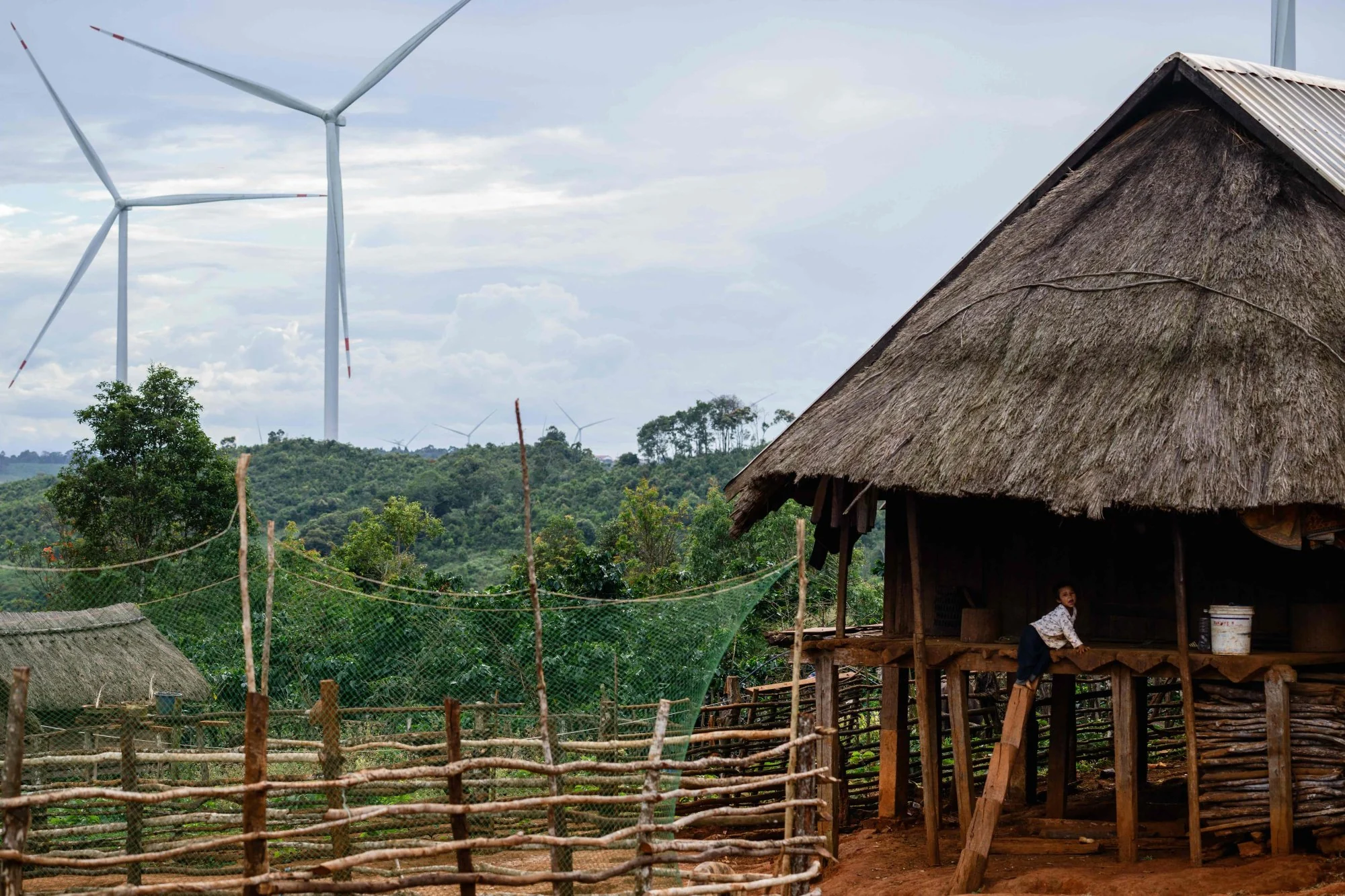
“绿色转型和可持续连通性继续是欧盟的全球优先事项,这对东盟来说是个好消息,”欧洲“思考与行动”智库ECDPM机构关系与伙伴关系副主任安德鲁·谢里夫说。“然而,欧洲希望将未来在这些领域的支出不仅与东盟的优先事项相一致,而且更明确地通过互利伙伴关系与其自身利益和欧洲私营部门相一致。”如果明年之前无法敲定2028—2034年多年财政框架,新举措也可能停滞,尽管欧洲理事会主席安东尼奥·科斯塔敦促在今年年底前达成协议。
“Green transition and sustainable connectivity continue to be global priorities for the EU, which is good news for Asean,” said Andrew Sherriff, associate director of institutional relations and partnerships at European “think-and-do” tank ECDPM. “However, Europe wants to align future spending in these areas not just with Asean priorities, but also more explicitly with its own interests and the European private sector through mutually beneficial partnerships.”Failure to finalise the 2028–2034 MFF before next year could also stall new initiatives, despite European Council President Antonio Costa urging a deal before year’s end.
“目前已同意在2027年前资助的举措不会受到影响,”谢里夫表示,并指出紧急规则允许滚动现有预算。“然而,如果没有对2028—2034年预算的明确了解,启动新举措——包括与全球欧洲工具及相关的欧盟-东盟全球门户倡议——将会很困难,除非后者由欧盟成员国直接资金支持。”本周亚洲已联系东盟秘书处征求评论。
“Current initiatives agreed to be funded prior to 2027 would not be impacted,” Sherriff said, noting emergency rules allow rolling over existing budgets. “However, without clarity on the budget for 2028–2034, launching new initiatives – including those related to the Global Europe instrument and the associated EU-Asean Global Gateway initiative – would be difficult unless the latter are funded directly by EU member states.”This Week in Asia has contacted the Asean Secretariat for comment.
支出限制也削弱了欧洲遏制北京的能力,路透社智库将北京列为东南亚最具影响力的伙伴,2024年其资助了该地区31%的基础设施项目。
Spending limits also blunt Europe’s ability to counter Beijing, which the Lowy Institute ranks as Southeast Asia’s most influential partner, financing 31 per cent of regional infrastructure projects in 2024.
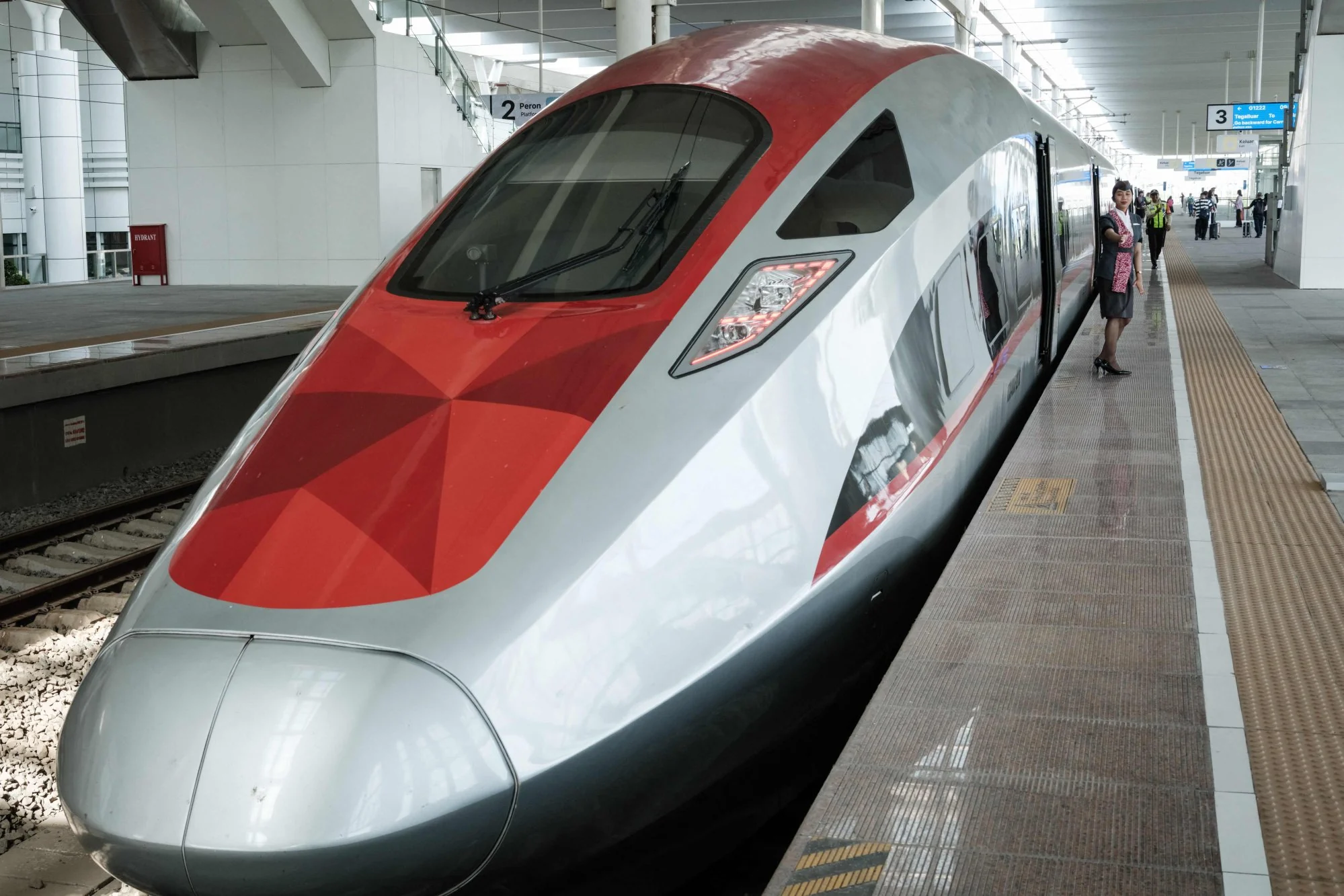
“官僚机构过于庞大,可用资本过少。这是欧洲输给中国的原因之一,因为中国可以进来基本上说:‘我们带来项目,包括融资,’”福格特说。
“The bureaucracy is too big, and the capital available is too little. That’s one of the reasons why Europe has been losing out to China, because China can come in and basically say: ‘We’re bringing projects, including the financing,’” Vogt said.
萨特斯表示,欧盟必须注重项目质量,而不是试图匹配北京的支出能力。
Szatters said the EU must lean into project quality rather than trying to match Beijing’s spending power.
“欧盟不是一个国家。其预算严重依赖成员国的出资,”萨特斯说。“为这类倡议大幅增加资金需要27个成员国达成一致,最终总得有人来买单。”
“The EU is not a state. Its budget heavily relies on member states’ contributions,” Szatters said. “Any substantial increase in funding for such initiatives requires agreement among the 27 member states, and ultimately somebody has to pay for it.”
“我们能做的是,在投资的可持续性和质量上超越中国,以实现长期收益。”据《南华早报》亚洲台报道
“What we can do is outperform China in the sustainability and quality of investments for a long-term gain.”By SCMP’s Asia desk