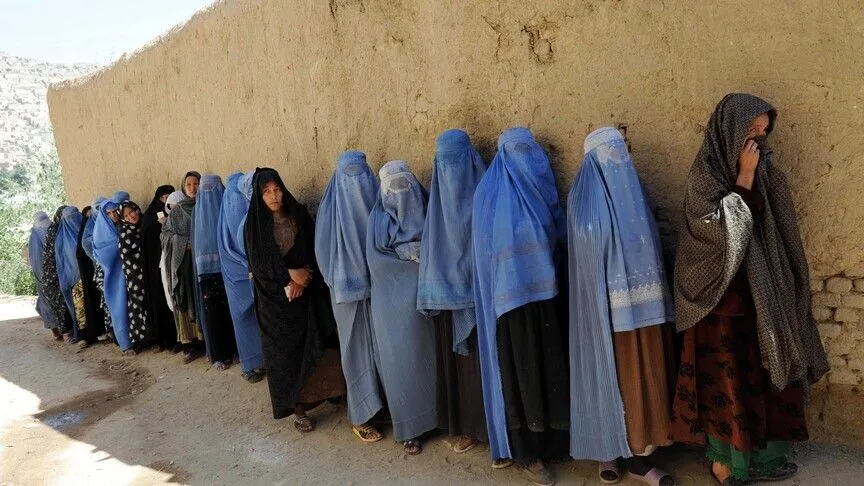
阿富汗在塔利班重掌政权五年后面临日益严峻的挑战,一位联合国高级官员周五警告称,对妇女权利的限制、不断增长的人道主义需求以及经济脆弱性正威胁该国的稳定。
Afghanistan faces mounting challenges five years after the Taliban returned to power, with restrictions on women’s rights, growing humanitarian needs and economic fragility threatening the country’s stability, a senior UN official warned Friday.
“去年8月标志着塔利班重掌政权五周年,在此期间,事实上的当局政权继续巩固其对阿富汗的控制和统治,但其限制性治理政策以及对妇女和女童权利、基本权利日益收紧且全面的限制,导致该国持续处于国际孤立状态。
“Last August marks five years since the Taliban have returned to power, and during this period, the de facto authority regime continued to consolidate its control and its grip over Afghanistan, but its restrictive governance policy and tightening and sweeping restriction over, particularly over the rights, fundamental rights of women and girls, have resulted in continued international isolation.
“总体而言,该国仍处于艰难的十字路口,”联合国驻阿富汗副特别代表兼驻地协调员布鲁诺·勒马尔基斯对记者表示。
“By and large, the country remains at a difficult crossroad,” Bruno Lemarquis, UN deputy special representative and resident coordinator in Afghanistan, told reporters.
勒马尔基斯表示,这些限制导致阿富汗持续处于国际孤立状态,尽管该国在一定程度上实现了安全与稳定,但仍在与经济脆弱性和重大人道主义挑战作斗争。
Lemarquis said the restrictions had contributed to Afghanistan’s continued international isolation, leaving the country struggling with economic vulnerabilities and significant humanitarian challenges despite a degree of security and stability.
他强调了阿富汗面临的四大主要问题:对妇女和女童的限制、女童被排除在中等教育之外、返乡阿富汗人数量不断增加以及人道主义局势持续恶化。
He highlighted four major concerns facing Afghanistan: restrictions on women and girls, the exclusion of girls from secondary education, the growing number of returning Afghans and the deteriorating humanitarian situation.
他表示,限制措施严重阻碍了妇女获得基本服务、生计、教育、就业以及参与公共生活。
He said restrictions had severely limited women’s access to essential services, livelihoods, education, employment and participation in public life.
在教育方面,勒马尔基斯将阿富汗女童被排除在中等教育之外描述为“世界上最敏感、受限最严重的教育挑战之一”,并指出有超过260万女童被剥夺了接受中等教育的机会。
On education, Lemarquis described Afghan girls’ exclusion from secondary schooling as “one of the world’s most sensitive and constrained education challenges,” noting that more than 2.6 million girls have been denied access to secondary education.
他表示,人道主义局势依然“严峻”,并补充称,国际支持不足可能会加剧贫困、削弱基本服务,并破坏重新融入返乡人员的努力。
The humanitarian situation remains “acute,” he said, adding that insufficient international support could deepen poverty, weaken essential services and undermine efforts to reintegrate returnees.
“风险很高,但如果不让阿富汗留在国际关注视野中,将带来深远影响:贫困加剧、服务削弱,返乡人员可能无法重新融入社会。阿富汗有句俗话,‘阿富汗发生的事情不会只留在阿富汗。’它会蔓延到其他地方,这意味着后果可能超出阿富汗边界,潜在影响地区安全和地区稳定,”他说。
“The stakes are high, but not keeping Afghanistan on the international radar will have impact in terms of deeper poverty, weaker services, maybe failed reintegration of returnees, and there is a saying in Afghanistan that is ‘what is happening in Afghanistan is not staying in Afghanistan.’ It will go elsewhere, which means the consequences could go beyond the Afghanistan border, potentially affecting regional security and regional stability,” he said.
他敦促国际社会保持与阿富汗的接触,并警告不要让阿富汗从全球议程中消失。“现在不是国际社会背弃阿富汗的时候,”他说。
He urged the international community to maintain its engagement with the country, warning against allowing Afghanistan to disappear from the global agenda. “Now is not the time for the international community to turn its back on Afghanistan,” he said.