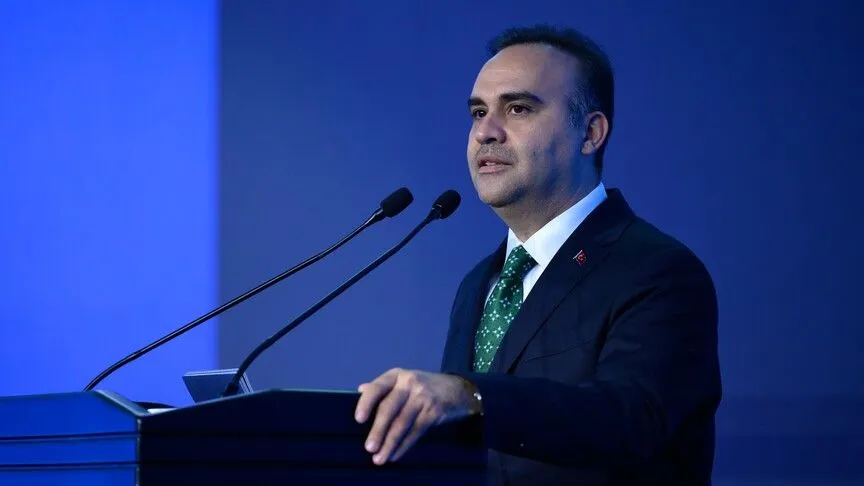
土耳其工业和技术部长梅赫梅特·法蒂赫·卡吉尔周六表示,不能允许人工智能在缺乏明确问责的情况下运行,强调技术进步必须始终以人类责任为中心。
Turkish Industry and Technology Minister Mehmet Fatih Kacir said on Saturday that artificial intelligence could not be allowed to operate without clear accountability, emphasizing that technological progress must remain centered on human responsibility.
卡吉尔在TRT世界论坛“驾驭人工智能时代的责任”专题讨论会上发言时警告称,日益自主的人工智能系统引发了关于透明度、安全性和问责制的严重问题。他说:“我们可以授权给人工智能,但不能授责给人工智能。”
Speaking at the TRT World Forum panel titled "Navigating Responsibility in the Age of AI," Kacir warned that increasingly autonomous AI systems raised serious questions about transparency, safety and accountability. "We can delegate authority to AI, but we cannot delegate responsibility," he said.
他强调了包括算法歧视、网络安全威胁、深度伪造以及算力资源集中在少数科技公司手中在内的风险。
He highlighted risks including algorithmic discrimination, cybersecurity threats, deepfakes and the concentration of computing resources in the hands of a small number of technology companies.
卡吉尔指出,2025年全球知名前沿人工智能模型中,超过90%由企业开发,而仅有五家公司控制了估计约70%的全球人工智能算力。
Kacir noted that more than 90% of the world's notable frontier AI models in 2025 were developed by industry, while just five companies controlled an estimated 70% of global AI computing power.
他呼吁采取以人为本、基于风险的监管方法,主张对对个人产生重大影响的人工智能应用实施更强有力的保障措施和实质性的人工监督。
He called for a human-centered, risk-based regulatory approach, arguing that AI applications with significant consequences for individuals should face stronger safeguards and meaningful human oversight.
土耳其的目标在勾勒土耳其的雄心时,卡吉尔表示,该国2026-2030年人工智能行动计划旨在使土耳其跻身人工智能技术领先国家行列。
Türkiye's objectives Outlining Türkiye’s ambitions, Kacir said the country's 2026-2030 Artificial Intelligence Action Plan aimed to position Türkiye among the leading countries in AI technologies.
该计划的目标包括:为500万公民提供人工智能素养培训,培养1万名高级人工智能专家和10万名人工智能专业人才,以及向研究人员和企业家开放至少2000个公共数据集。
The plan targets AI literacy training for 5 million citizens, the development of 10,000 advanced AI experts and 100,000 AI professionals, and the opening of at least 2,000 public datasets to researchers and entrepreneurs.
土耳其还计划到2030年将数据中心算力扩大至至少1吉瓦,并吸引至少100亿美元由私营部门主导的数据中心、云计算和人工智能基础设施投资。
Türkiye also aims to expand its data center capacity to at least one gigawatt by 2030 and attract at least $10 billion in private-sector-led investments in data centers, cloud computing and AI infrastructure.
卡吉尔表示,土耳其的大语言模型“BILGE”将增强技术独立性,其首个版本即将向开发者开放。
Kacir said the country's Turkish large language model, BILGE, would strengthen technological independence, with its first version soon to be made available to developers.
他还宣布计划在优先领域建立监管沙箱,并设立人工智能伦理委员会,以解决隐私、歧视和儿童安全问题。
He also announced plans to establish regulatory sandboxes in priority sectors and an AI Ethics Board to address privacy, discrimination and children's safety.
卡奇尔强调国际合作,表示土耳其致力于通过二十国集团(G20)、经济合作与发展组织(OECD)、联合国教科文组织(UNESCO)、突厥国家组织(OTS)和联合国等平台,为全球人工智能治理做出贡献。
Emphasizing international cooperation, Kacir said Türkiye was committed to contributing to global AI governance through platforms including the G20, OECD, UNESCO, the Organization of Turkic States (OTS) and the UN.