想象一下海底珊瑚的明亮色调。你看到了什么?脑海中浮现出什么颜色?
Imagine the bright tones of coral under the sea. What do you see? What colors come tomind?
气候变化将改变——或已然改变——我们世界的方式之一,是改变自然界熟悉的色彩。当海水变暖将珊瑚鲜艳的色彩褪白,便是一个例证。
One of the ways that climate change will alter — or has already altered — our world is by shifting the familiar colors of nature. When warming ocean waters bleach the vibrant colors of coral to white, that’s oneexample. “Many young scientists who are working on coral reefs don’t realize that what they’re seeing is vastly degraded,” says Anya Salih, a scientist who has studied coral reefs and their fluorescent colors for decades. “It’s often hard to perceive how it was to what it isnow.”This change of color isn’t just aesthetic.
“许多从事珊瑚礁研究的年轻科学家没有意识到,他们所看到的已是严重退化的状态,”研究珊瑚礁及其荧光色彩数十年的科学家阿尼娅·萨利赫说。“往往难以感知它过去的样子与现在的样子有何不同。”
For coral, bleaching leaves them vulnerable to disease and other stressors that can lead to death. In other situations, these color changes have more complex impacts, ones that scientists are still trying tounderstand. How climate change transforms the colors of our world An illustrated journey
这种颜色变化不仅关乎美观。对珊瑚而言,白化使其易受疾病和其他压力因素侵袭,进而导致死亡。在其他情况下,这些颜色变化产生更为复杂的影响,科学家们仍在努力试图理解。气候变化如何改变我们世界的色彩一场图解之旅作者:Connie Hanzhang Jin发布时间:2026年11月8日滚动北极不断变化的景观北极不断变化的景观每年夏季,大规模由气候驱动的野火将烟尘散布在北极广大区域,如黑色颗粒毯般覆盖冰面。
By Connie Hanzhang Jin Published Nov. 8, 2026 scroll A shifting landscape in theArctic A shifting landscape in theArctic Every summer, massive climate-driven wildfires spread soot across huge swaths of the Arctic, covering the ice in a blanket of black particles. Soot pollution from oil and gas operations, as well as commercial shipping and increased tourism, contributes to the problem at bothpoles. The dark particles coat white snow and soak up heat from the sun, exacerbating melting that was already happening more quickly because of climate change. Increased melting in the Arctic leads to sea level rise, which threatens communities across the world.
石油和天然气作业、商业航运以及旅游业增多带来的烟尘污染,在两极均加剧了这一问题。
And the soot itself pollutes the air and water it seeps into. “We know that the high northern latitudes are warming faster than the rest of the planet,” says Douglas Morton, an Earth scientist at NASA’s Goddard Space Flight Center.
深色颗粒覆盖白雪,吸收太阳热量,加剧本已因气候变化而加速的融化。北极融化加快导致海平面上升,威胁全球各地社区。烟尘本身也污染了其渗入的空气和水体。“我们知道高北纬地区升温速度快于地球其他区域,”美国国家航空航天局戈达德航天飞行中心地球科学家道格拉斯·莫顿说。这些变化正在改变北极景观的色彩。
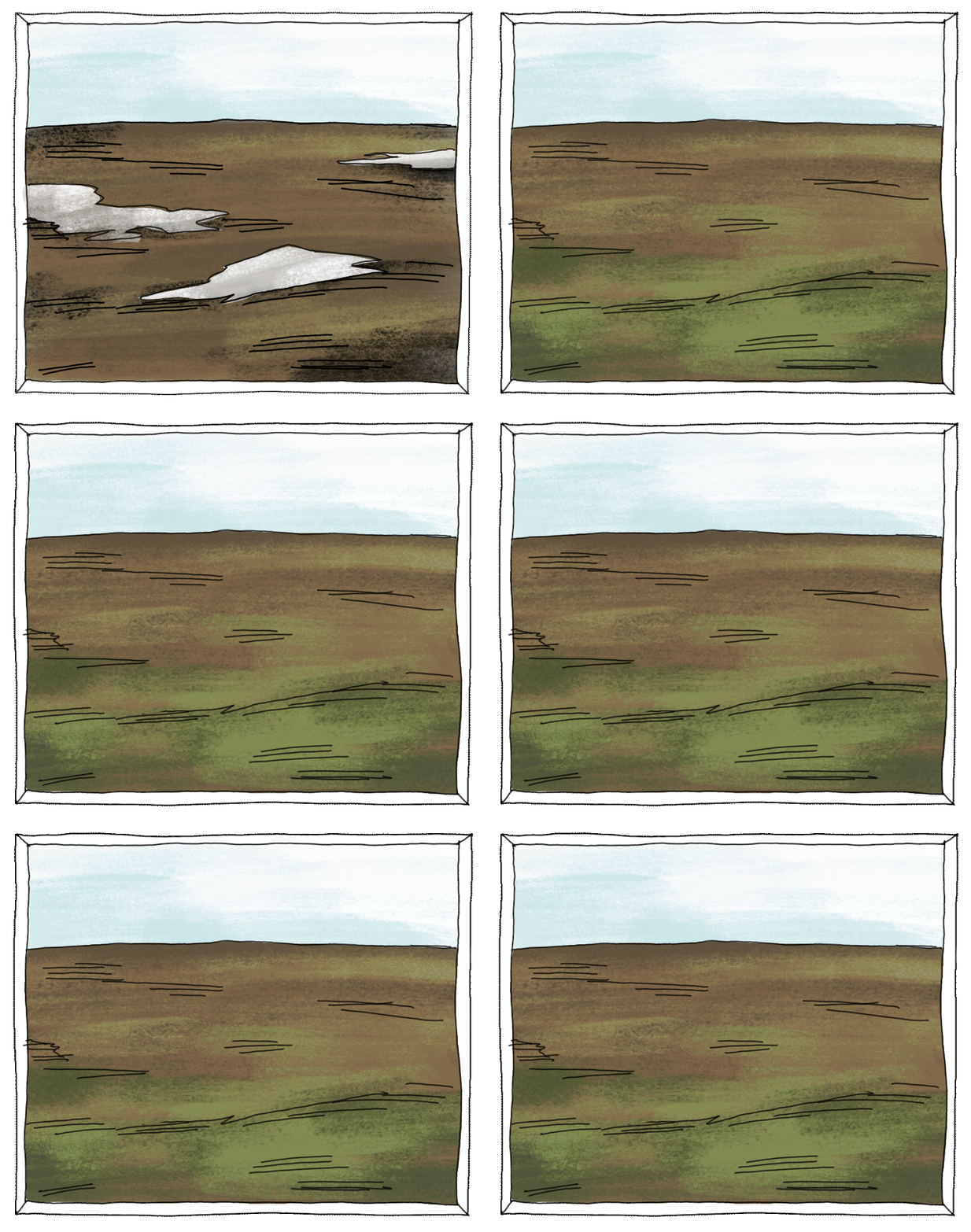
These changes are shifting the colors of the Arcticlandscape. The Arctic is warming faster than the rest of the planet Annual surface air temperature, departure from the 1991-2020 mean Source: National Oceanic and Atmospheric Administration Beyond the Arctic ice at the pole, farther south, lie vast regions of permafrost: soil that has remained frozen foryears. But the warming climate is causing permafrost to thaw. And in some places, crack and collapse.
北极升温速度快于地球其他区域年表面气温,与1991-2020年平均值的偏离来源:美国国家海洋和大气管理局北极冰盖以南,广袤的永冻土区域延伸开来:土壤长期冻结。但气候变暖正导致永冻土融化。在某些地方,还会出现裂缝和坍塌。
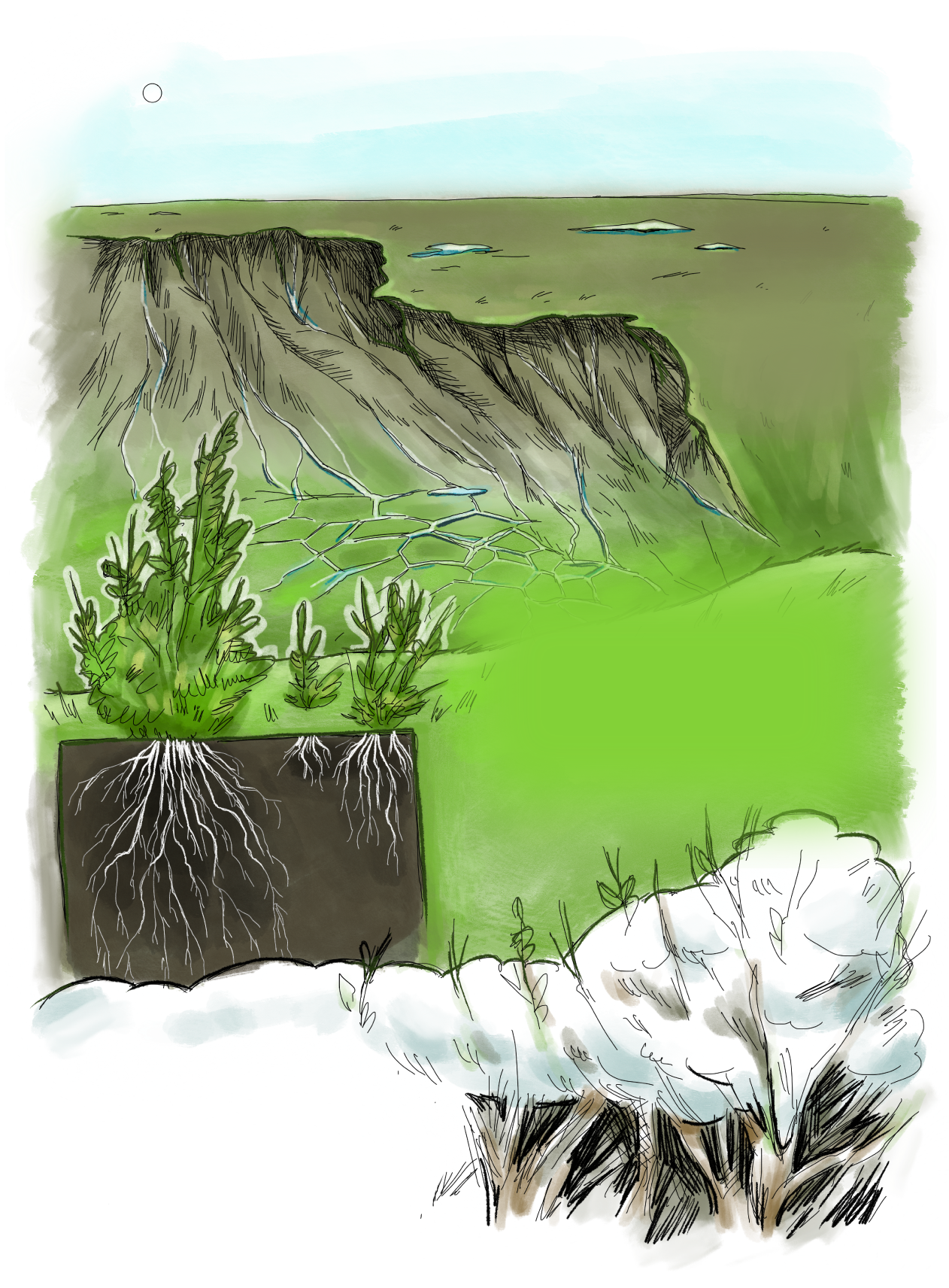
As permafrost thaws deeper into the soil, nutrients become more available and plants can grow deeper roots. These conditions can stimulate plant growth and enable larger vegetation like trees to gain a foothold, turning the landscape greener. These established plants also trap snow in the winter, insulating the plants from the cold and promoting further plant growth. But the warming climate is causing permafrost to thaw. And in some places, crack and collapse.
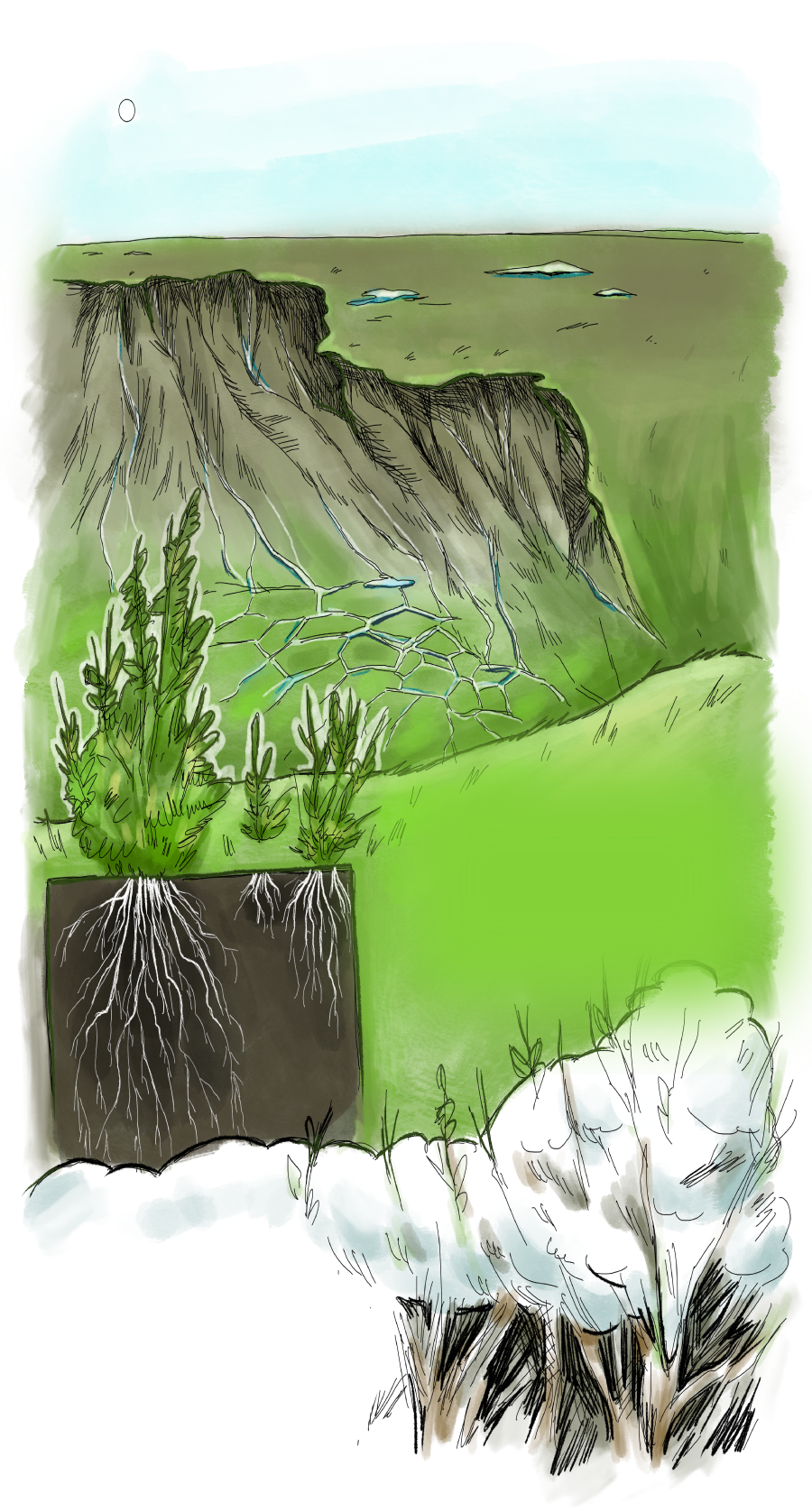
随着永冻土在土壤中融化得更深,养分变得更加丰富,植物可以生长出更深的根系。这些条件可以刺激植物生长,使树木等较大植被得以扎根,使景观变得更绿。
As permafrost thaws deeper into the soil, nutrients become more available and plants can grow deeper roots. These conditions can stimulate plant growth and enable larger vegetation like trees to gain a foothold, turning the landscape greener.
这些已扎根的植物在冬季还能积聚积雪,为植物保温,抵御寒冷,并促进进一步的植物生长。但气候变暖正导致永冻土融化。在某些地方,还会出现裂缝和坍塌。
These established plants also trap snow in the winter, insulating the plants from the cold and promoting further plant growth. But the warming climate is causing permafrost to thaw. And in some places, crack and collapse.
随着永冻土在土壤中融化得更深,养分变得更加丰富,植物可以生长出更深的根系。这些条件可以刺激植物生长,使树木等较大植被得以扎根,使景观变得更绿。
As permafrost thaws deeper into the soil, nutrients become more available and plants can grow deeper roots. These conditions can stimulate plant growth and enable larger vegetation like trees to gain a foothold, turning the landscape greener. These established plants also trap snow in the winter, insulating the plants from the cold and promoting further plant growth. A 2020 study in Nature Communications used satellite data to estimate Arctic vegetation over time, sampling thousands of sites across Alaska, Canada and western Eurasia. The researchers found that between 1985 and 2016, about 38% of the sites showedgreening.
这些已扎根的植物在冬季还能积聚积雪,为植物保温,抵御寒冷,并促进进一步的植物生长。但气候变暖正导致永冻土融化。在某些地方,还会出现裂缝和坍塌。
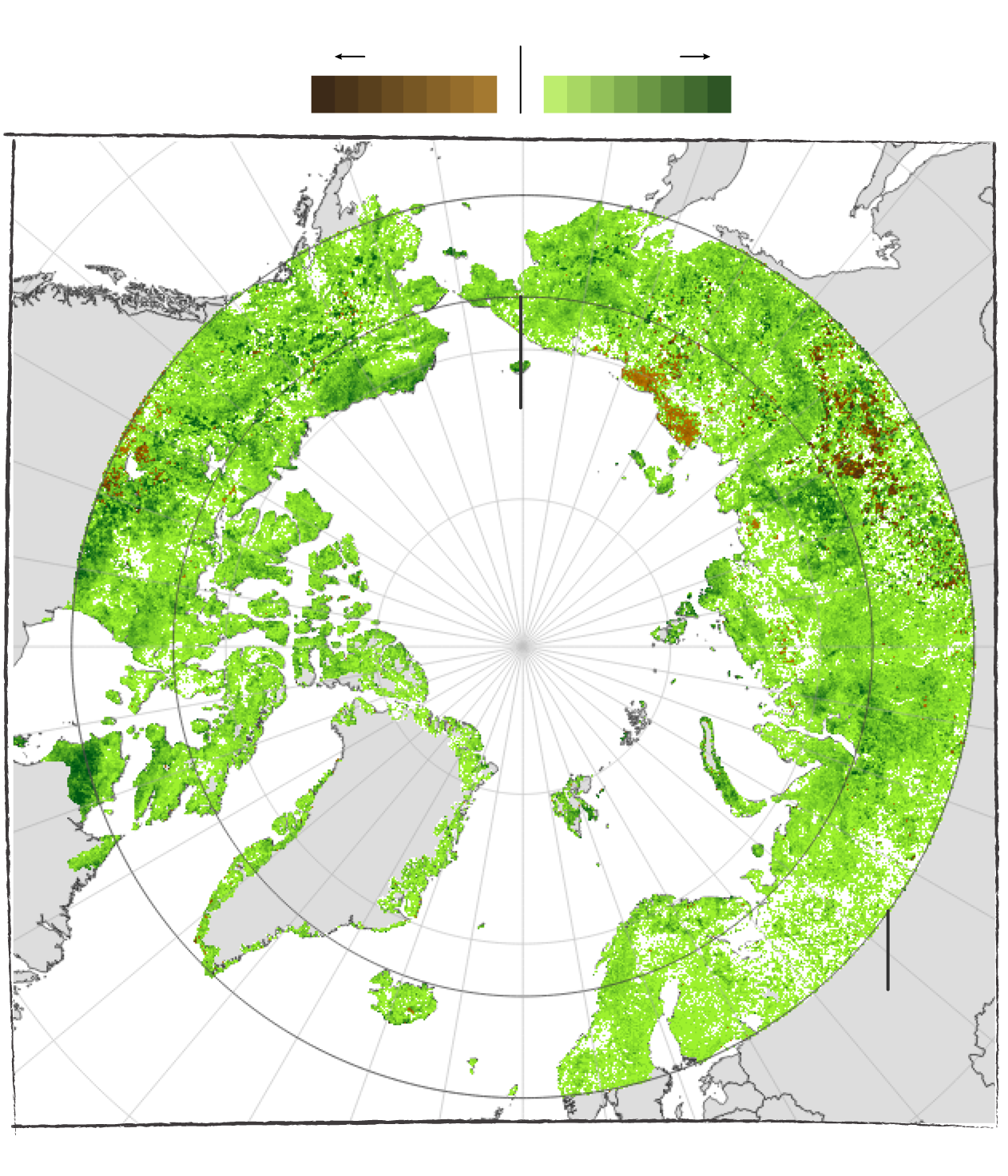
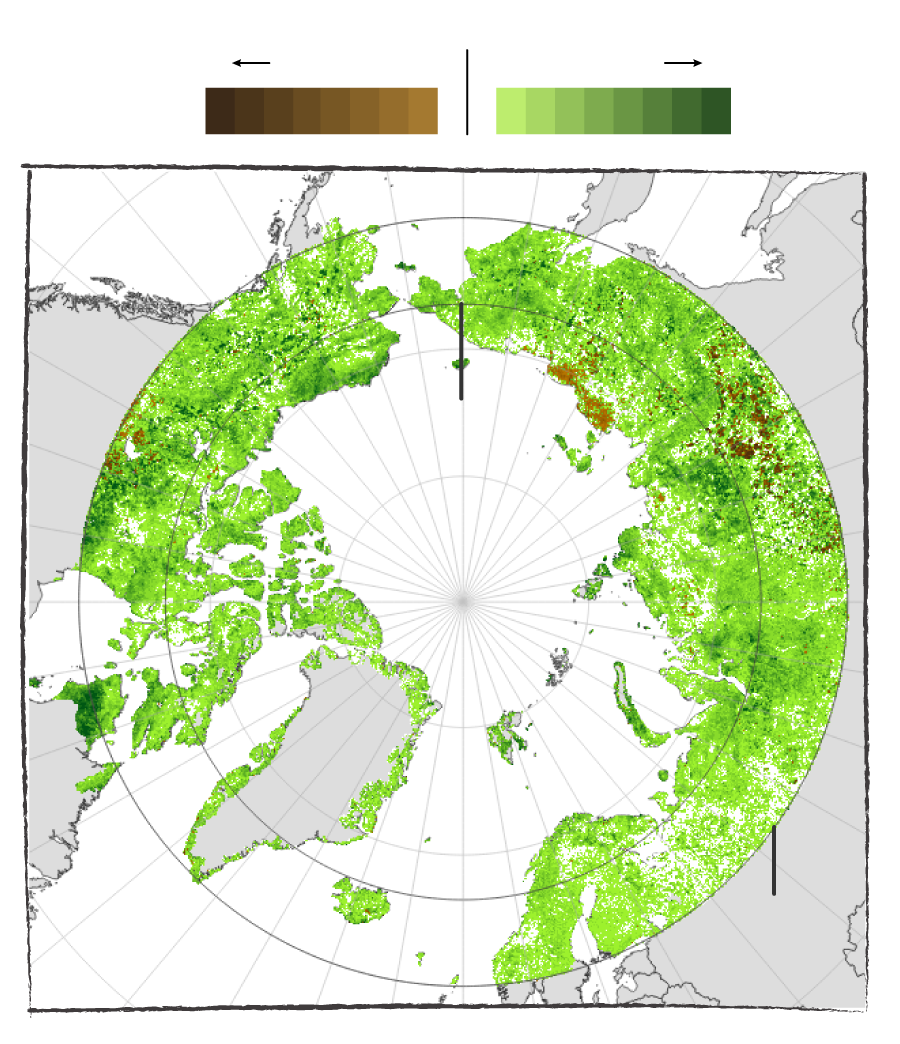
“Not everywhere in the Arctic is green,” says Logan Berner, a terrestrial ecologist with the University of Alaska Southeast, who led the study. “But there’s enough greening that if you look at the average greenness of the Arctic over time, it’s goingup.”According to Berner, who grew up in southern Alaska, this consistent increase in average greenness tracks strongly with an increase in summertemperatures. The Arctic is becoming greener Scientists measuring annual peak greenness have found that the Arctic has overall become greener since 2000.
随着永冻土在土壤中融化得更深,养分变得更加丰富,植物可以生长出更深的根系。
Greener locations are areas where plants increased over time, becoming taller, denser or healthier.
这些条件可以刺激植物生长,使树木等较大植被得以扎根,使景观变得更绿。
Some locations have become less green due to extreme weather and wildfires. Annual rate of greening, 2000-2025 Less green
这些已扎根的植物在冬季还能积聚积雪,为植物保温,抵御寒冷,并促进进一步的植物生长。
More green Pacific Ocean Arctic
《自然·通讯》杂志2020年的一项研究利用卫星数据估算了北极地区植被随时间的变化,在阿拉斯加、加拿大和西欧亚的数千个地点进行了采样。研究人员发现,在1985年至2016年期间,约38%的地点出现了绿化。
Circle Arctic Ocean 60° North Atlantic Ocean Annual rate of greening, 2000-2025
“北极并非处处绿意,”该研究的负责人、阿拉斯加东南大学陆地生态学家洛根·伯纳说。“但绿化程度足够高,如果你观察北极随时间变化的平均绿度,它会上升。”
Less green More green Pacific Ocean Arctic Circle Arctic
据伯纳介绍,他生长于阿拉斯加南部,这种平均绿度的持续增加与夏季气温升高高度一致。北极正在变绿科学家测量年度峰值绿度发现,自2000年以来,北极总体上变得更绿了。更绿的地区是指植物随时间增加、变得更高、更密或更健康的地区。一些地区因极端天气和野火而变得不那么绿。2000年至2025年的年度绿化率不那么绿更绿太平洋北极圈北极北纬60度大西洋2000年至2025年的年度绿化率不那么绿更绿太平洋北极圈北极北纬60度大西洋2000年至2025年的年度绿化率不那么绿更绿太平洋北极圈北极北纬60度大西洋来源:美国国家海洋和大气管理局《2025年北极报告卡》尽管北极似乎离我们很远,但伯纳指出,它是气候变化可能产生的影响的“风向标”。
Ocean 60° North Atlantic Ocean Annual rate of greening, 2000-2025 Less green More green Pacific Ocean Arctic Circle Arctic Ocean 60° North Atlantic Ocean Source: NOAA’s Arctic Report Card 2025 Though the Arctic might seem far away from us, Berner notes that it’s a “bellwether for the kinds of impacts that climate change can have.”
而且,绿化增加可能对生活在北极并依赖其自然资源的人们产生负面影响。例如,随着灌木在北方地区扩张,它们可能会遮蔽人们赖以获取食物的浆果丛;天气模式的变化也会影响水果的成熟时间及其品质。我们水域的变化我们水域的变化“人们创造了这样一个说法:湖泊是景观中的哨兵,”华盛顿大学专注于生物地球化学和卫星遥感的教授大卫·巴特曼说。湖泊对环境变化反应迅速,因此通过卫星监测测量湖泊颜色有助于量化这些变化。
And increased greening can negatively impact the people who live in the Arctic and rely on its natural resources. For example, as shrubs expand across northern lands, they can shade out berry patches that people rely on for food; changing weather patterns can also affect the timing of fruit and itsquality. Changes in ourwater Changes in ourwater “People have coined the term that lakes are sentinels in the landscape,” says David Butman, a professor at the University of Washington who focuses on biogeochemistry and satellite remote sensing. Lakes react quickly to changes in the environment, so measuring lake color through satellite monitoring can help quantify thosechanges.
巴特曼参与了一项2021年发表于《美国国家科学院院刊》(PNAS)的研究,该研究测量了北美北极针叶林区超过40万个湖泊的绿色波长。研究人员发现,1984年至2019年间,绿色数值下降了15%,这意味着,肉眼看来,这些湖泊变得明显更暗了。
Butman worked on a 2021 study in Proceedings of the National Academy of Sciences of the United States of America (PNAS) that measured green wavelengths in more than 400,000 lakes in the boreal Arctic zone in North America. Researchers found that green values declined by 15% between 1984 and 2019, meaning that, to the naked eye, these lakes got significantlydarker.
融化的永久冻土是一个可能的原因。随着永久冻土融化,土壤可能与湖水混合,使湖水变暗。研究人员发现,降幅最大的地区是气候更温暖、更潮湿的地区。
Thawing permafrost is a possible reason. As it thaws, soil can mix with lake water, making it darker. The researchers found that the greatest declines happened in warmer and wetterregions.
据巴特曼介绍,湖泊越暗,能储存的热量就越多。“你可以想象,你知道,黑色的汽车和炎热的一天,”他说。湖泊越暗,夏季过后保持温暖的时间就越长,这会扰乱鱼类生命周期和藻类生产等自然过程的时间安排。当土壤或其他外来物质沉入湖底时,微生物会消耗氧气将其分解,从而产生甲烷,这是一种强效的温室气体。
The darker a lake gets, the more heat it can store, according to Butman. “You can imagine, you know, a black car and a hot day,” he says. The darker a lake is, the longer it stays warm after the summer, disrupting the natural timings of processes like fish life cycles and algae production. When soil or other outside material sinks to the bottom of a lake, microbes consume oxygen to break it down, leading to the production of methane, a potent planet-heatinggas.
从全球范围来看,许多湖泊处于绿蓝色光谱范围内。插图中常见的明亮蓝色湖泊比绿色湖泊更为罕见。
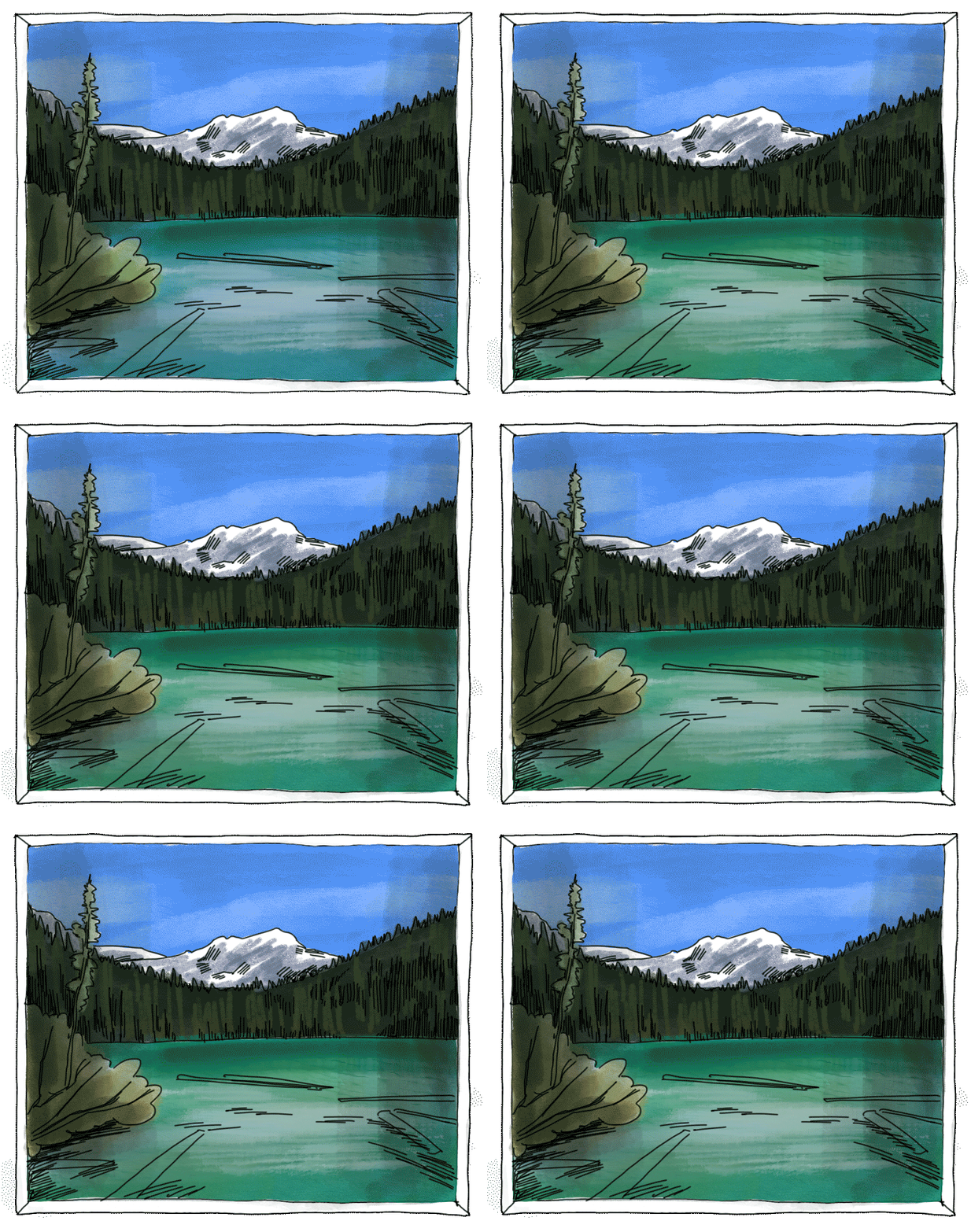
On a global scale, many lakes fall within the green-blue color spectrum. Bright blue lakes, often depicted in illustrations, are rarer than greenlakes.
2022年,科学家肖杨和凯瑟琳·奥赖利领导的一项研究发表于《地球物理研究快报》,分析了超过8.5万个湖泊的颜色。他们发现,蓝色湖泊通常位于夏季较凉爽、冬季结冰的北方地区,例如加拿大的莫兰湖或俄罗斯的贝加尔湖。全球范围内,地球上约有31%的湖泊呈蓝色。主导波长值,2013-2020年= 圆形区域内所有湖泊的中位数颜色= 圆形区域内仅有一个湖泊肖杨和奥赖利预测,随着夏季变暖和冬季冰层覆盖因气候变化而减少,蓝色湖泊将越来越少。
In 2022, scientists Xiao Yang and Catherine O’Reilly led a study in Geophysical Research Letters that analyzed the color of more than 85,000 lakes. They found that blue lakes are generally found in northern places with cooler summers and are covered in ice in the winter, such as Moraine Lake in Canada or Lake Baikal inRussia. Globally, approximately 31% of the Earth’s lakes are blue. Dominant wavelength value, 2013-2020 = Median color for all lakes within circle area = Only one lake within circle area Yang and O’Reilly predict that fewer blue lakes will exist as summers get warmer and winter ice cover decreases due to climate change.
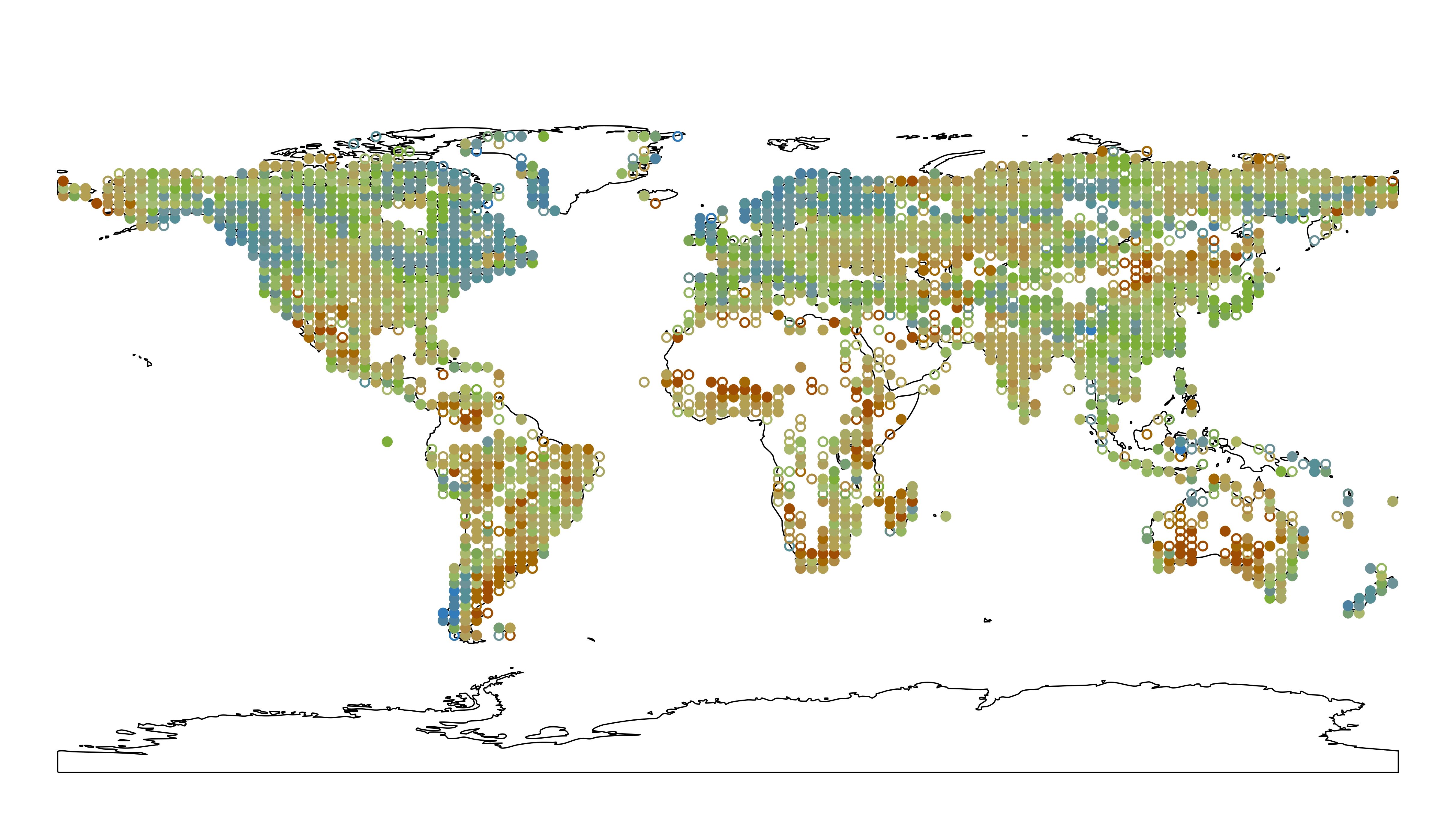
如果这些地区的夏季平均湖面温度上升,当地湖泊可能会从蓝色转变为非蓝色:+1°C +2°C +3°C鸟儿和蜜蜂鸟与蜜蜂许多动物的外表能与周围环境融为一体以求生存。当这些环境开始变化时,像雪鞋兔这样的动物就开始显得格外突出。雪鞋兔白色的冬毛在积雪减少的地面上格外显眼,使其更容易遭到捕食者的攻击。
Lakes in these areas may shift from blue to non-blue if their summer mean surface area temperature increases by: +1° C +2° C +3° C The birds and thebees The birds and thebees Many animals have appearances that blend in with their surroundings for survival. When those surroundings start to shift, animals such as the snowshoe hare begin to stand out.
研究人员尚未发现兔子会调整换毛时间以适应变化的冬季。但一些昆虫已经改变了体色。例如,北美雄性蜻蜓已根据一项发表在《美国国家科学院院刊》上的研究,通过失去翅膀上的颜色来适应更温暖的气候。
The snowshoe hare’s white winter fur sticks out with less snow on the ground, leaving it more vulnerable topredators. Researchers haven’t found evidence that hares are adapting the timing of their molts to align with their changing winter. But some insects have already changed coloring. North American male dragonflies, for instance, have adapted to warmer climates by losing color on their wings, according to a study in PNAS.
失去一些吸热颜色可以帮助蜻蜓保持凉爽,但雄性蜻蜓也失去了用于吸引雌性的颜色。研究人员预测,随着气候持续变暖,未来这种情况将继续存在。一个更微小的例子是一种特定的蜜蜂。
Losing some of the heat-absorbing color can help the dragonflies stay cooler, but the males also lose color that helps attract females. And researchers predict this will continue to be the case in the future as the climate continues to warm. An even tinier example is a specific kind ofbee.
塞万·苏尼是旧金山大学的副教授,研究植物与传粉者之间的相互作用。过去15年来,她一直前往哥斯达黎加研究一类通常被称为兰花蜜蜂的蜜蜂。
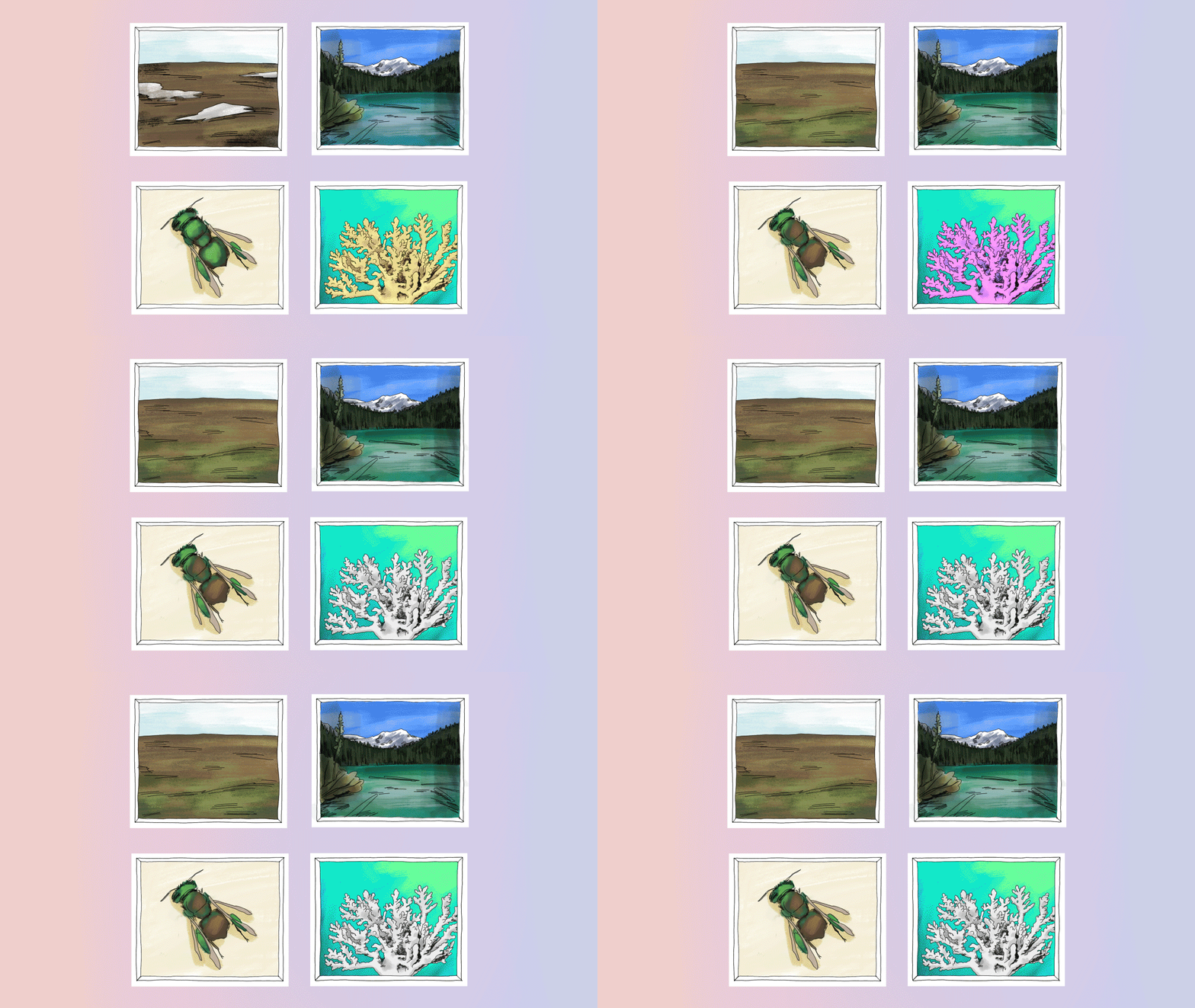
Sevan Suni is an associate professor at the University of San Francisco who studies interactions between plants and pollinators. She has been going to Costa Rica for the last 15 years to study a group of bees commonly known as orchidbees.
这些蜜蜂是中美洲和南美洲约200种兰花的唯一传粉者。它们的身体看起来几乎像宝石一样,带有闪亮的彩虹色外壳。
These bees are the sole pollinators for about 200 species of orchids in Central and South America. Their bodies look almost jewel-like, with shiny iridescentshells.
年复一年,苏尼注意到一种蜜蜂——冠军兰花蜜蜂——似乎正在从蓝绿色转变为橙红色。她和其他人发现,在更炎热的地区,橙红色蜜蜂的数量随时间增加,而蓝绿色蜜蜂的数量则减少。
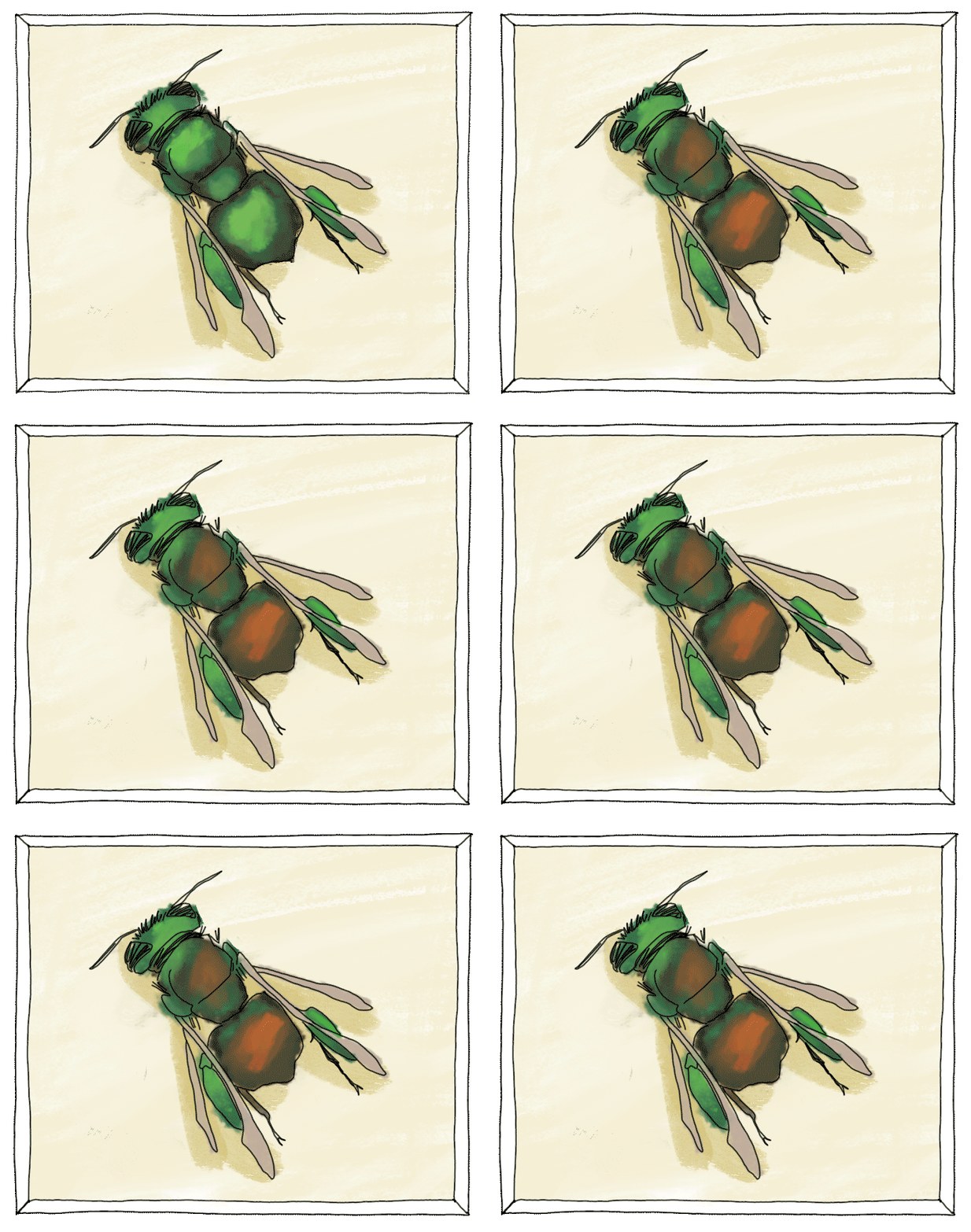
Year after year, Suni noticed that one species of bee, the champion’s orchid bee, seemed to shift color from blue-green to orange-red. She and others discovered that, in hotter areas, the number of orange-red bees has increased over time while the number of blue-green bees hasdecreased.
随着时间推移,升温更快的地区,红橙色蜜蜂也更多。目前尚不清楚是什么在推动这种变化。较深的蓝绿色可能更热,吸收更多热量。或者,蓝绿色蜜蜂可能更脆弱,因为它们所处环境的颜色正在改变。由于哥斯达黎加的森林砍伐,它们在不那么绿的环境中可能更难伪装。无论如何,苏尼对潜在影响感到担忧。
The areas that increased in temperature faster over time also had more of the red-orange bees. It’s unclear what’s driving this change. The darker blue-green color could be hotter, absorbing more heat. Or the blue-green bees may be more vulnerable since the color of their environment is changing. Due to deforestation in Costa Rica, they may be less camouflaged in a less green environment. Either way, Suni has concerns about potentialimpacts.
“作为一名生物学家,我一直对生物变异感兴趣,”她说。“如果蓝绿色形态具有重要的生态功能,而它们随时间变得越来越少,这让我有点担忧。”隐藏色彩的最后一丝喘息隐藏色彩的最后一丝喘息海水变暖使色彩斑斓的珊瑚白化,变成白色。珊瑚排出共生藻类,失去食物来源,也更容易患病。珊瑚在白化后可以恢复,但白化持续的时间越长、频率越高,恢复就越困难。在某些情况下,珊瑚在白化开始时和之后会变得极其荧光、色彩斑斓——生命最后的一次明亮喘息。
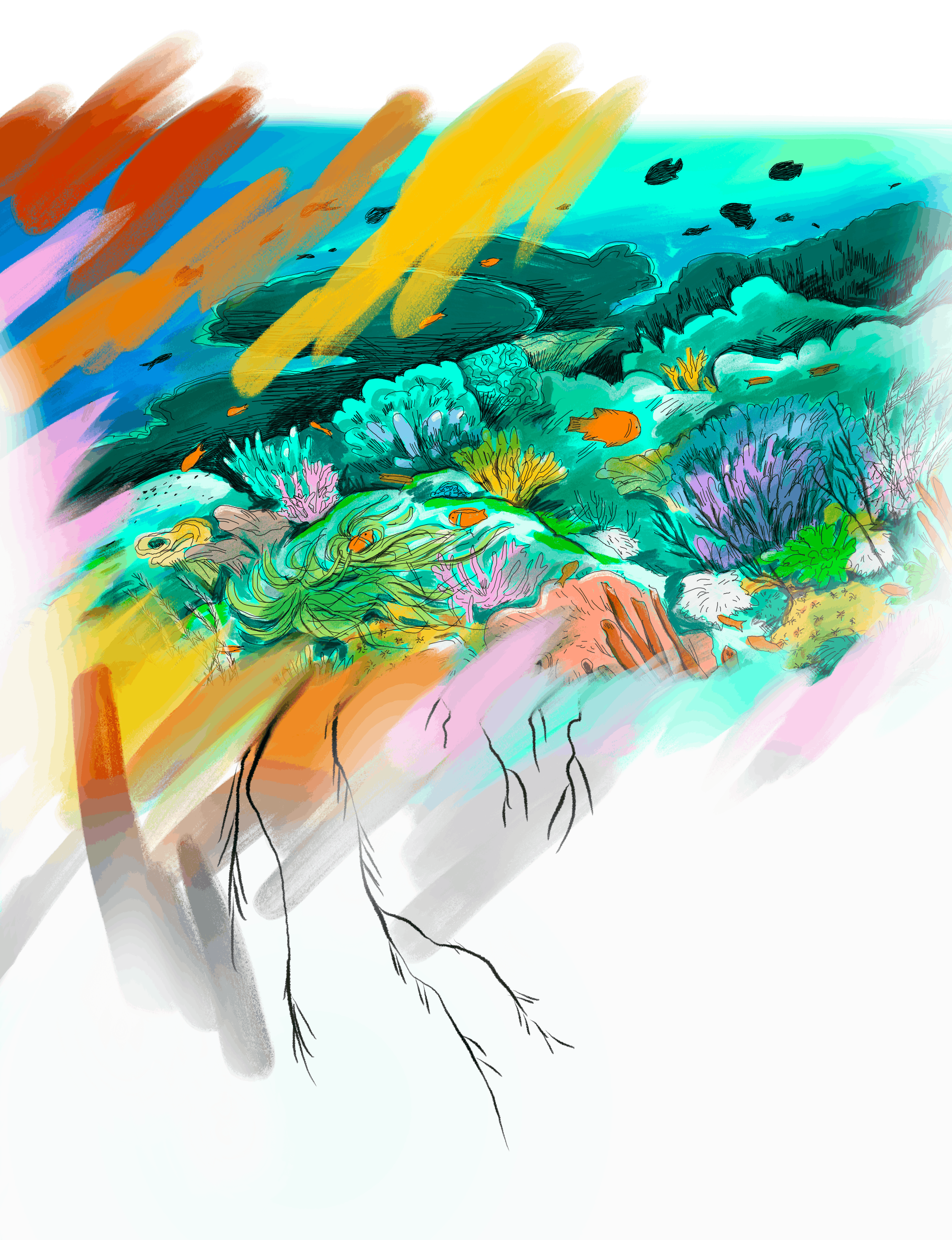
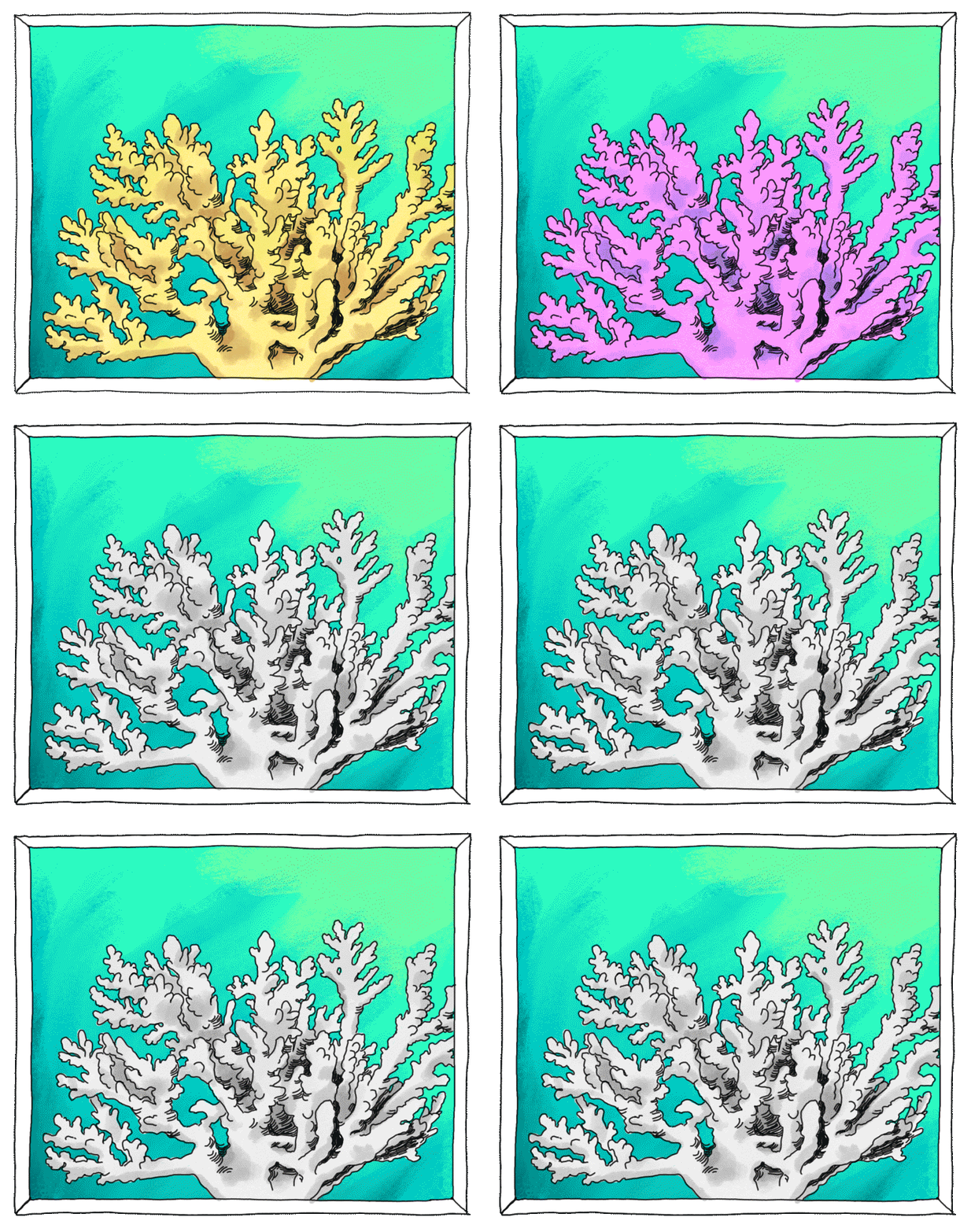
“As a biologist, I’m always interested in biological variation,” she says. “It worries me a little bit if the blue-green morph has an important ecological function and they’re getting less prevalent overtime.”A last gasp of hiddencolor A last gasp of hiddencolor Warming ocean waters bleach colorful corals, turning them white. The corals expel symbiotic algae, losing a food source and becoming more vulnerable to disease. Corals can recover after bleaching, but the longer and more frequent the bleaching, the more difficult recovery is. In some cases, corals turn stunningly fluorescent and colorful at the start of bleaching and after — a last bright gasp oflife.
这些霓虹色通常只有在紫外线下才能看到,但它们在某种程度上始终存在,安雅·萨利赫说。萨利赫是悉尼科技大学的研究员,几十年来一直在研究珊瑚礁及其荧光颜色。她夜间潜水,用蓝光扫描珊瑚礁。
These neon colors, usually visible only under ultraviolet light, are always present to some degree, says Anya Salih. Salih, a fellow at the University of Technology Sydney, has studied coral reefs and their fluorescent colors for decades. She dives at night to scan reefs with bluelights.
“有时当我和不习惯看到这种景象的人一起潜水时,我不得不扶住他们的氧气瓶,以免他们倒过来,”她说,“因为在那个色彩斑斓、迷幻的世界里,你会失去水中上下方向的方位感。”
“Sometimes when I dive with people who are not used to seeing this, I would have to hold their tank so that they don’t turn upside down,” she says, “because in that very colorful, psychedelic world, you lose the perspective of up and down in thewater.”
健康珊瑚中的藻类吸收阳光以获取能量。当藻类因压力离开,使珊瑚变白时,更多光线穿过剩余的骨骼。珊瑚如何白化?
Algae in healthy coral absorb sunlight for energy. When the algae leave due to stress, turning the coral white, more light travels through the remainingskeleton. How does a coral bleach?
1.
1.
3.
- 2.
2.珊瑚变白并发生漂白,使其更容易患病和死亡。有时珊瑚在漂白前会呈现出色彩鲜艳的荧光。
The coral becomes white and bleaches, making it more vulnerable to disease and death. Sometimes the coral turns colorfully fluorescent before bleaching.
健康的珊瑚和藻类相互依赖。珊瑚为藻类提供栖息之所,藻类则为珊瑚提供主要的营养来源和颜色。如果受到压力,通常是因为海水温度升高,藻类会离开珊瑚。
A healthy coral and algae depend on each other. The coral provides the algae a place to live, and the algae provide the coral with its main sources of nutrients and color. If stressed, often because of higher ocean temperatures, algae leave the coral.
3.
3.
1.
- 2.
2.珊瑚变白并发生漂白,使其更容易患病和死亡。有时珊瑚在漂白前会呈现出色彩鲜艳的荧光。
The coral becomes white and bleaches, making it more vulnerable to disease and death. Sometimes the coral turns colorfully fluorescent before bleaching.
健康的珊瑚和藻类相互依赖。珊瑚为藻类提供栖息之所,藻类则为珊瑚提供主要的营养来源和颜色。如果受到压力,通常是因为海水温度升高,藻类会离开珊瑚。
A healthy coral and algae depend on each other. The coral provides the algae a place to live, and the algae provide the coral with its main sources of nutrients and color. If stressed, often because of higher ocean temperatures, algae leave the coral. 1.
1.健康的珊瑚和藻类相互依赖。珊瑚为藻类提供栖息之所,藻类则为珊瑚提供主要的营养来源和颜色。
A healthy coral and algae depend on each other. The coral provides the algae a place to live, and the algae provide the coral with its main sources of nutrients and color. 2.
2.如果受到压力,通常是因为海水温度升高,藻类会离开珊瑚。
If stressed, often because of higher ocean temperatures, algae leave the coral. 3.
3.珊瑚变白并发生漂白,使其更容易患病和死亡。有时珊瑚在漂白前会呈现出色彩鲜艳的荧光。来源:美国国家海洋和大气管理局《当代生物学》杂志2020年的一项研究发现,这种过量光线会促使珊瑚产生惊艳的彩色色素。这种情况通常发生在热应激较轻且珊瑚细胞仍能正常运作时。这些彩色色素充当一种防晒屏障,保护珊瑚免受光线损伤,从而鼓励藻类返回。
The coral becomes white and bleaches, making it more vulnerable to disease and death. Sometimes the coral turns colorfully fluorescent before bleaching. Source: National Oceanic and Atmospheric Administration A 2020 study in Current Biology found that this excess light encourages coral to produce the shockingly colorful pigments. This tends to occur when heat stress is mild and coral cells can still function. These colorful pigments act as a kind of sunscreen barrier protecting the coral from light damage, which encourages algae to return.
研究人员认为,出现色彩鲜艳漂白的珊瑚恢复的可能性更高。萨利赫曾目睹珊瑚礁发光、漂白并恢复,甚至多次如此。不过,气候变化正在导致海水温度上升,造成更多漂白现象。“所以恢复的空间很小,”她说。过去一年,有多少珊瑚礁经历了白化级别的热应激?
Researchers believe corals that bleach colorfully have a higher chance of recovery. Salih has seen reefs glow, bleach and recover, even multiple times. Still, climate change is causing ocean temperatures to rise, creating more bleaching. “So the scope for recovery is low,” shesays. In the past year, how many coral reefs have experienced bleaching-level heat stress?
滚动365天期间,拥有珊瑚礁的5公里海洋网格中,经历白化级别热应激的比例来源:美国国家海洋和大气管理局珊瑚白化对礁石更大生态系统产生连锁反应。例如,2022年发表在《全球变化生物学》上的一项研究发现,在一次特定的白化事件后,大堡礁发现色彩鲜艳的鱼类减少。未来,礁石生态系统可能会变得不那么多样、明亮和多彩。
Percentage of 5-kilometer ocean grids with reefs that have experienced bleaching-level heat stress during a rolling 365-day period Source: National Oceanic and Atmospheric Administration
“礁石的霓虹色是一种压力反应。这是求救信号,”萨利赫说。“它们在为生存而战。它们用颜色来保护自己。但在很多方面,世界许多地方的珊瑚礁正在失败。而且礁石正在崩溃。”现在想象一下冰川湖。北极原始的冰盖。或者珊瑚的鲜艳色彩。你现在看到什么?
Coral bleaching has ripple effects on the larger ecosystem of the reef. A 2022 study in Global Change Biology found, for instance, that fewer fish with colorful bodies were found in the Great Barrier Reef following a specific bleaching event. In the future, reef ecosystems might be less diverse, bright and colorful.
颜色可能是一种转瞬即逝、主观的东西,仅仅是一个人对光线从表面反射的感知。但它也是我们看待和认识世界的方式,而我们的世界正在缓慢地发生变化,即使我们没有注意到。
“The neon glows of the reefs are a stress response. It’s a cry for help,” says Salih. “They’re fighting for their survival. They’re using their colors to protect themselves. But in many ways they’re failing in many parts of the world. And the reefs arecollapsing.”
萨利赫记得,她曾陪同一组科学家前往澳大利亚的一个礁石。“我最近也去了那个礁石,它基本上正在死亡,”她说。“而他们从未去过那个礁石,却觉得它很美。”更多关于我们变化中的气候的报道2026年8月3日困水2014年10月23日色彩:一堂彩虹顺序的奇怪小课2024年5月13日美国农业部的园艺种植区发生了变化。这张地图向您展示了哪些地方发生了生动的变化2023年4月19日超越两极:融化的冰如何影响每个人致谢报道:康妮·汉张·金和丽贝卡·赫舍图形、设计、开发和插图:康妮·汉张·金视觉叙事由萨迪·巴比茨、妮拉·班纳吉、帕特里克·伍德和艾莉森·赫特编辑,纳迪亚·兰西担任编辑审核,普里蒂·阿龙负责文案编辑特别感谢劳伦·索默、瑞安·凯尔曼、艾米丽·博格尔、朱丽安娜·康利、布伦特·琼斯和丹妮尔·A·斯克鲁格斯数据来源美国国家海洋和大气管理局的年度地表空气温度数据、北极绿化数据和珊瑚礁白化热应激数据北极绿化数据显示2000年至2025年最大年度NDVI值的变化。
Now imagine a glacial lake. A pristine ice sheet at the North Pole. Or the vibrant shades ofcoral. What do you seenow? Color can be a fleeting, subjective thing, simply how one perceives light reflecting off a surface.
NDVI,即归一化植被指数,是一种常用的植被指数,利用卫星测量近红外光和红光,作为衡量某片土地叶绿素水平的代理指标。较高的NDVI值表明植被更健康,较低的值表明植被受胁迫或土地荒芜。珊瑚礁白化过程图基于美国国家海洋和大气管理局的图表全球湖泊颜色数据来自肖杨、凯瑟琳·奥赖利等人。他们利用2013年至2020年的卫星图像,测量了全球超过8.5万个湖泊代表性样本中最常见的水色。
But it’s also how we see and know our world, and our world is slowly changing around us, even if we don’tnotice.
主导波长值根据福尔-乌尔标尺测量,这是一种用于估算水体颜色的标准参考标尺。在被认为对温度变化敏感的17,785个蓝色湖泊中,约有11,000个预计将从蓝色转变为非蓝色。使用条款隐私您的隐私选择仅文本© 2026 NPR
Salih remembers when she accompanied a group of scientists to an Australian reef. “I was also recently on that reef, which was dying, pretty much,” she says. “And they’d never been on the reef and they thought it wasbeautiful.”