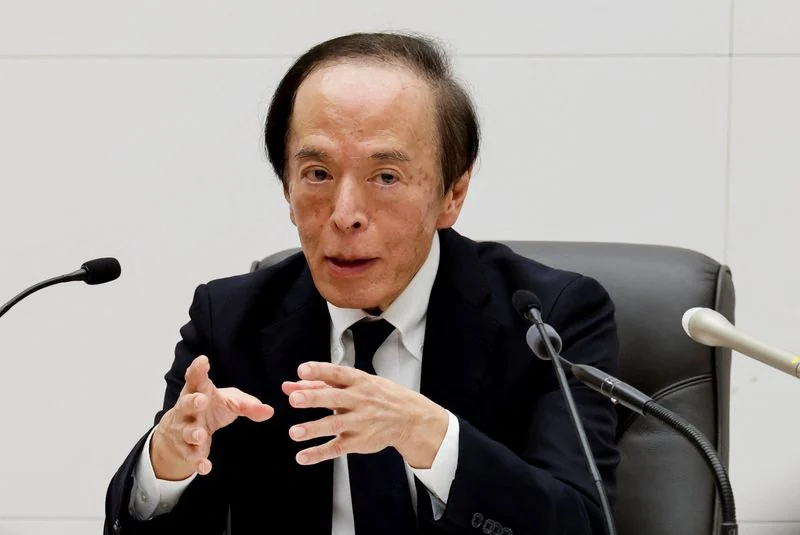
华盛顿,11月6日电 日本央行行长植田和男周五表示,央行预期基础通胀将维持在2%目标左右,但也承认存在“一定的上行风险”。
WASHINGTON, Nov 6 - Bank of Japan Governor Kazuo Ueda said on Friday the central bank expects underlying inflation to stay around its 2% target but recognizes there are "some upside risks".
植田和男称,能源相关产品价格上涨开始影响消费者通胀,预计物价涨幅将进一步加速,持续到明年年初。
The rise in prices of energy-related products was beginning to hit consumer inflation with price growth seen accelerating further into early next year, Ueda said.
“我们处于一种均衡状态,工资增长水平与2%通胀相一致,”植田和男在国际货币基金组织主办的研讨会上表示。
"We are in an equilibrium with wages growing at a level consistent with 2% inflation," Ueda said at a seminar hosted by the International Monetary Fund.
但他指出,日本央行2%的通胀目标尚未成为日本的社会规范,央行目前的目标是将基础通胀锚定在目标水平附近。
But the BOJ’s 2% inflation target has yet to become a social norm in Japan, Ueda said, adding that the central bank’s goal now was to anchor underlying inflation around its target.
他还表示,日本央行正在“非常、非常仔细地”关注其他央行的行动,因为这些行动会影响包括汇率和利率在内的资产价格。
He also said the BOJ was looking at the actions of other central banks "very, very carefully," as they affect asset prices including foreign exchange rates and interest rates.
“它们的所作所为揭示了它们对本国经济的看法的重要信息,这将影响我们的经济。因此,我们非常仔细地关注它们的行为和行动,”他在谈及其他央行的政策措施时说道。
"What they do reveals important information about what they think about their economies, which will impact our economy. So we look at their behavior and actions very carefully," he said on the policy measures of other central banks.
关于非常规货币政策工具,植田和男表示,日本央行在部署这些工具时曾产生一些积极效果,但补充称,它们并非从正利率区间降息的完美替代品。
On unconventional monetary policy tools, Ueda said they have had some positive effects when the BOJ deployed them, but added they have not been perfect substitutes for cutting interest rates from positive territory.
植田和男表示,视乎可能冲击日本的经济冲击严重程度,日本央行可能不得不再次部署非常规政策工具。
The BOJ may be obliged to deploy unconventional policy tools again depending on the severity of the economic shock that may hit Japan, Ueda said.
“我猜重要的是尽可能将通胀或基础通胀维持在2%左右。但如果我们需要再次部署这些工具,应考虑将负面影响降至最低的方法,包括可能对市场机能的影响,”他说道。
"I guess the important thing would be to keep inflation or underlying inflation at around 2% as much as possible. But if we need to deploy these tools again, we should think about ways to minimize negative effects, including possibly the effect on the functioning of the market," he said.

被问及新任美联储主席凯文·沃什关于过度沟通引发的讨论时,植田和男表示,央行需要在沟通政策目标的必要性与给市场制造道德风险的风险之间取得良好的平衡。
Asked about discussions sparked by new Federal Reserve Chairman Kevin Warsh about excessive communication, Ueda said central banks needed a good balance between the need to communicate policy goals and the risk of creating a moral hazard on the part of the market.



“必须在这些考量之间取得良好的平衡,”他说,并补充道,就日本而言,一直将潜在通胀作为指导政策的关键变量。潜在通胀已达到2%,现在的目标是将其维持在那里。
"There has to be a good balance between these considerations," he said, adding that in Japan’s case, it had been using underlying inflation as a key variable in guiding policy. Having reached 2% underlying inflation, its goal now was to keep it there, he said.
人工智能、网络挑战 植田简要评论了人工智能的前景与风险,表示人工智能的快速进步给日本经济带来了积极的需求冲击,但供给侧因素也需要研究。
AI, CYBER CHALLENGES Ueda commented briefly on the promise and risks of artificial intelligence, saying rapid advancements in AI had provided a positive demand shock for the Japanese economy, but supply side factors would also need to be studied.
他说,与其他一些国家不同,鉴于日本严重的劳动力短缺,人工智能替代劳动力可能会奏效。
Unlike some other countries, Japan could do well with AI replacing labor given its significant labor shortages, he said.
国际货币基金组织总裁克里斯塔利娜·格奥尔基耶娃指出近期人工智能股票的市场疲软,表示全球央行在评估抗击通胀的步骤时,需要考虑人工智能驱动增长放缓的任何迹象。
IMF Managing Director Kristalina Georgieva, noting recent market weakness around AI stocks, said central bankers around the world would need to consider any slowdown in AI-driven growth as they assess steps in their fight against inflation.
格奥尔基耶娃说,对依赖人工智能投资热潮和高估值的担忧正在影响全球市场。
Georgieva said concerns about dependence on the AI investment boom and high valuations were impacting markets around the world.
“情况在起伏,这很可能会持续下去,”她在国际货币基金组织总部对数百名前来聆听植田演讲的听众表示,并补充说,这种波动将使央行的工作复杂化,而此时对物价稳定的风险一直在增加。
"Things are going up and down, and this is likely to continue," she told an audience of hundreds at the IMF headquarters in Washington who came to hear Ueda, adding that the volatility would complicate the job of central banks at a time when risks to price stability had been growing.
植田表示,他也担心网络风险对金融稳定的影响,并补充说,一些小型银行和小型企业在防范此类风险方面做得还不够。
Ueda said he also worried about cyber risks in terms of financial stability, adding that some small banks and small firms had not done enough to guard against such risks.