编辑部 每一天似乎都给数字世界带来新的混乱。近几周,研究人员在互联网一些最关键的角落发现了安全缺陷,这些漏洞可能让用户面临风险、危及基本服务并造成巨大经济损失。但稍微眯起眼看,这反而像是进步的迹象。
By The Editors Each day seems to bring fresh havoc in the digital world. In recent weeks, researchers have uncovered security flaws in some of the most consequential corners of the internet, bugs that could put users at risk, jeopardize essential services and impose significant economic costs. Squint a little, though, and it looks like progress.
8月,研究人员在PHP编程语言中发现缺陷——该语言支撑着全球约70%的网站——黑客本可利用这些漏洞大规模窃取数据或植入恶意软件,这促使美国国家安全局发出警告,并引发全球范围的补丁修复行动。近期还在Linux、OpenSSL、FreeBSD等系统中发现了其他缺陷。
In August, researchers found flaws in the PHP programming language — which underpins roughly 70% of the world’s websites — that could’ve allowed hackers to steal data or install malware on a huge scale, prompting a warning from the National Security Agency and a global effort to patch the bug. Other flaws have recently been found in systems ranging from Linux to OpenSSL to FreeBSD.
这些并非孤立事件。“玻璃之翼计划”——由Anthropic PBC发起的一项网络安全倡议,该计划授予特定公司和安全研究人员访问Claude AI模型专用版本的权限——仅在4月至7月间就发现了12.9万多个经验证的软件漏洞,其中许多属于严重级别。Anthropic独立发现了数千个更多漏洞。
Nor are these isolated incidents. Project Glasswing — a cybersecurity initiative started by Anthropic PBC, which granted select companies and security researchers access to a specialized version of the Claude AI model — found more than 129,000 verified software vulnerabilities between April and July alone, many of critical severity. Anthropic independently found thousands more.
此类报告听起来可能像是未来AI末日的预兆。事实上,它们是谨慎乐观的理由。
Such reports may sound like portents of a future AI apocalypse. In fact, they’re cause for guarded optimism.
首先要注意到,许多缺陷已潜伏多年而未被发现;找出并修补它们让整个系统更安全。AI辅助的防御者在发现传统测试遗漏的广泛使用软件弱点方面表现出特别的擅长:例如,PHP的问题早在2024年就已显现,但直到AI介入才弄清其全部严重性。
Note, first, that many of these flaws have been lurking undetected for years; discovering and patching them makes the broader system safer. AI-assisted defenders are proving especially adept at finding weaknesses in widely used software that traditional testing has missed: Problems in PHP had been evident as early as 2024, for instance, but it took AI to grasp their full significance.
显然,AI 也正在改变安全研究的经济模式。防御者现在可以利用智能体以前所未有的规模和速度扫描弱点,并搜寻那些曾经因成本过高或不切实际而难以调查的地方——比如旧代码库和遗留库。微软公司今年早些时候在 Linux 内核上测试的一款 AI 工具,平均每验证一个疑似缺陷仅需约 22 分钟,成本仅 3.60 美元。
It’s also clear that AI is transforming the economics of security research. Defenders can now use agents to scan for weaknesses at unprecedented scale and speed, and to scour places — like old libraries and codebases — that once would’ve been too costly or impractical to investigate. An AI tool that Microsoft Corp. tested on the Linux kernel earlier this year took, on average, about 22 minutes and just $3.60 to verify each suspected flaw.
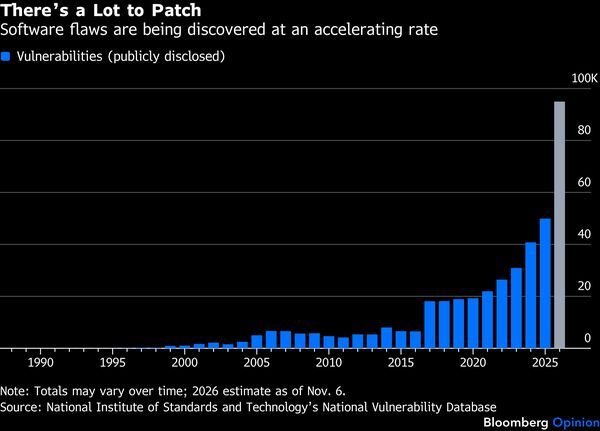
到目前为止,防御者似乎至少暂时占据了优势。尽管犯罪分子正在利用 AI 寻找漏洞并协调攻击,但几乎没有证据表明他们已取得广泛成功。谷歌威胁情报团队的一份报告发现,虽然上半年每月漏洞披露数量大致翻倍,但所有被发现的漏洞中,只有约 0.2% 实际上已被黑客利用。
So far, defenders appear to have at least a temporary advantage. Although criminals are using AI to find vulnerabilities and coordinate attacks, there’s little evidence that they’ve achieved widespread success. A report by Google’s threat-intelligence team found that while monthly vulnerability disclosures roughly doubled over the first half of the year, only about 0.2% of all those found had actually been exploited by hackers.
这意味着存在一个至关重要的加固防御的窗口期。对于网络安全专业人员而言,当下的挑战是从发现缺陷转向修复缺陷。顶尖 AI 模型编写补丁的能力正在迅速提升,但要大规模部署补丁——并达到所需的速度——仍是一个难题。一项研究发现,去年企业仅完全修复了 26% 的已知被利用漏洞;在许多组织中,修复关键漏洞通常仍需 30 至 60 天。
This implies a crucial window for hardening defenses. For cybersecurity pros, the immediate challenge will be to advance from finding flaws to fixing them. Top AI models are quickly getting better at writing patches, yet deploying them widely — and at the requisite speed — remains a problem. One study found that companies fully fixed only 26% of known-to-be-exploited vulnerabilities last year; at many organizations, 30 to 60 days remains the norm for critical flaws.
对于政策制定者而言,目标应是尽可能加速这一进程。白宫应扩大努力,将前沿 AI 网络能力提供给尽可能多的经过审查的防御者,同时现代化现有的漏洞管理流程。联邦采购规则应强制要求安全的自动更新及其他软件最佳实践,这与网络安全和基础设施安全局的“安全设计”承诺一致。国会必须投资保护关键基础设施,包括至关重要的开源项目。
For policymakers, the goal should be to accelerate that process where possible. The White House should expand its efforts to get frontier AI cyber capabilities to as many vetted defenders as possible while modernizing the existing vulnerability management process. Federal procurement rules should insist on secure automated updating and other software best practices, along the lines of the Cybersecurity and Infrastructure Security Agency’s “Secure by Design” pledge. Congress must invest in defending critical infrastructure, including essential open-source projects.
事实上,不难想象有朝一日整个防御过程会在幕后无缝且自动地展开,而网民对此浑然不觉。不过,从目前到那一天,可能会是一段多事的旅程。
In truth, it isn’t hard to imagine a day when the entire defensive process unfolds behind the scenes, seamlessly and automatically, with internet users blissfully unaware. Getting from here to there, though, could be an eventful journey.