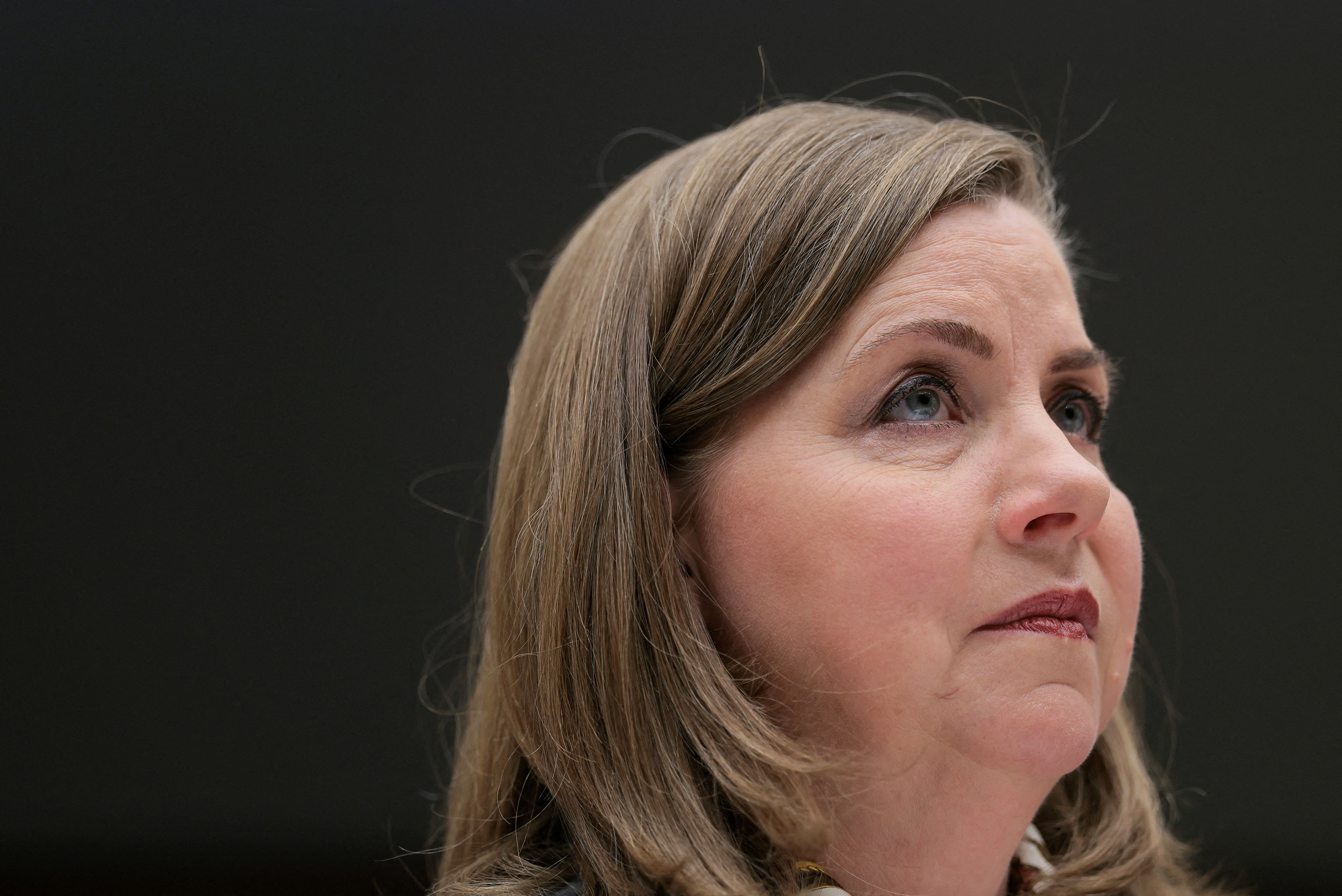
美联储监管副主席米歇尔·鲍曼周二加入同事们的行列,将通胀列为最大优先事项,但她并未主张加息,并表示预计随着近期冲击的影响消退,明年价格压力将会缓解。
Reserve Vice Chair of Supervision Michelle Bowman on Tuesday added her voice to the chorus of colleagues pointing to inflation as their biggest priority, though she stopped short of calling for interest-rate hikes and said she expects price pressures to abate next year as the effect of recent shocks wears off.
“今天,我看到通胀压力持续存在的迹象,而劳动力市场状况似乎正在趋紧,”鲍曼在准备向华盛顿特区外交关系委员会发表的讲话中表示。
"Today, I am seeing signs that inflation pressures are persisting, while labor market conditions appear to be firming," Bowman said in remarks prepared for delivery to the Council on Foreign Relations in Washington, DC.
“这表明,要将通胀率更接近2%,仍有工作要做。”她表示,核心个人消费支出价格指数10月可能上涨3.3%,受能源价格上涨和人工智能相关需求推动。但她补充说,通胀缺乏进展并非由劳动力市场驱动,劳动力市场已有所改善,但并未过热。
"This indicates that there is still work to do to bring inflation closer to 2%." The core personal consumption expenditures price index likely rose 3.3% in October, she said, driven by higher energy prices and AI-related demand. But lack of progress on inflation, she added, has not been driven by the labor market, which has improved but is not overheated.
她表示,随着人工智能建设和中东冲击带来的压力“消退或解除,且劳动力市场未出现通胀压力,我的预测是明年核心PCE通胀率将更接近2%”。
As pressures from the AI buildout and the Middle East conflict "wane or unwind and with no inflationary pressures emerging in the labor market, my forecast is for core PCE inflation to move closer to 2% next year," she said.
她警告说,股价下跌、债券收益率上升和美元走强已收紧金融状况,给今年已增强的经济带来可能风险。
She cautioned that falling stock prices, rising bond yields and a stronger dollar have tightened financial conditions, creating possible risks to the economy, which has strengthened this year.
“进一步政策收紧的利弊必须仔细权衡,以评估其对利率敏感型行业的成本,”鲍曼表示。“时间将帮助我们更多了解人工智能相关需求动能的持久性以及地缘政治风险的演变,这两者在未来几个月对制定政策立场都可能至关重要。”}{
"The benefit of additional policy tightening has to be carefully weighed against its costs for interest-rate-sensitive sectors," Bowman said. "Time will help us learn more about the durability of momentum in AI-related demand and the evolution of geopolitical risks, both of which could be critical in the months ahead for setting our policy stance."